
19th Century Bird Art
When collectors seek 19th century bird art, they discover hand-coloured lithographs, delicate watercolours and folk carvings capturing the natural world.
19th Century Bird Art
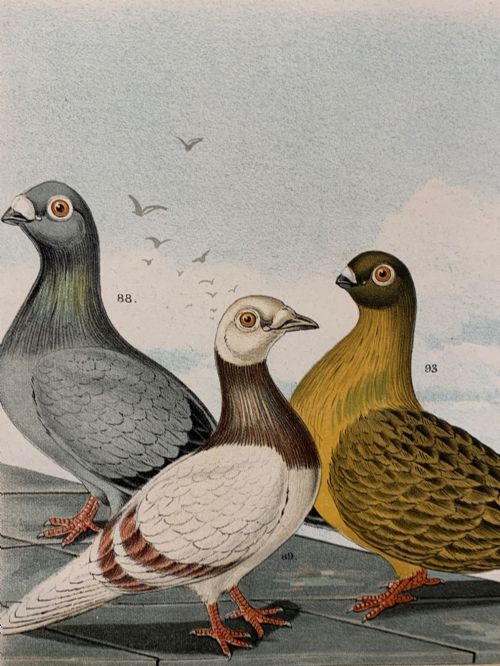
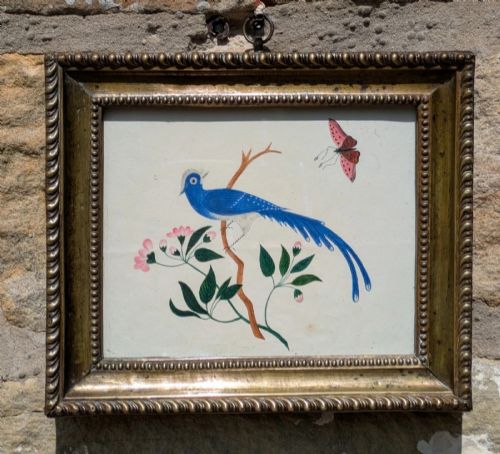
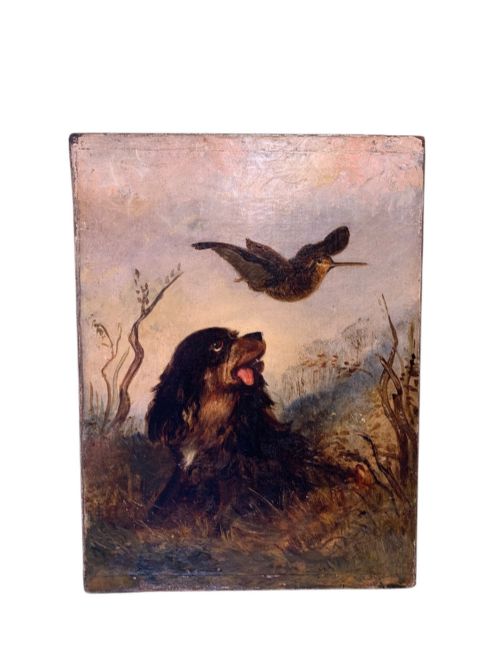
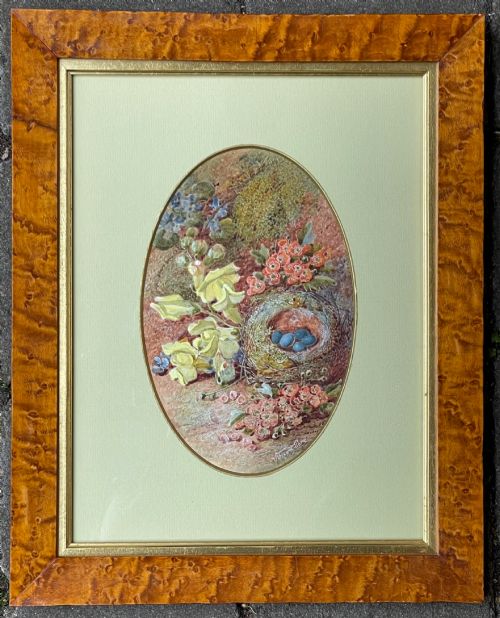
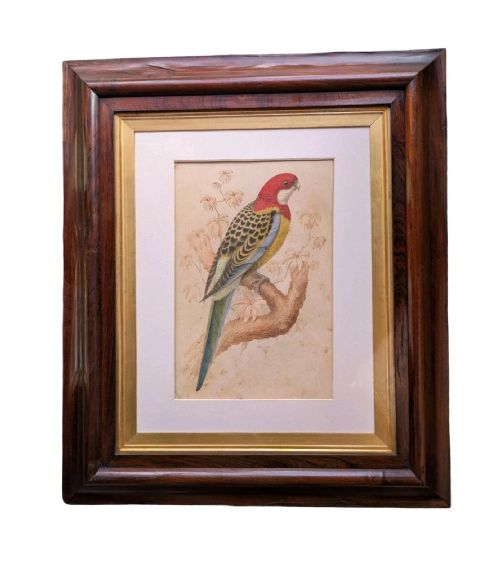
These pieces encompass framed watercolours, lithographs, oils and carved wooden sculptures depicting avian subjects from the Victorian era and the wider nineteenth century. A buyer searching for 19th century bird art will encounter scientific illustrations alongside charming folk art interpretations and decorative still lifes. The selection spans scientific prints by notable natural history publishers to provincial carvings and needlework samplers.
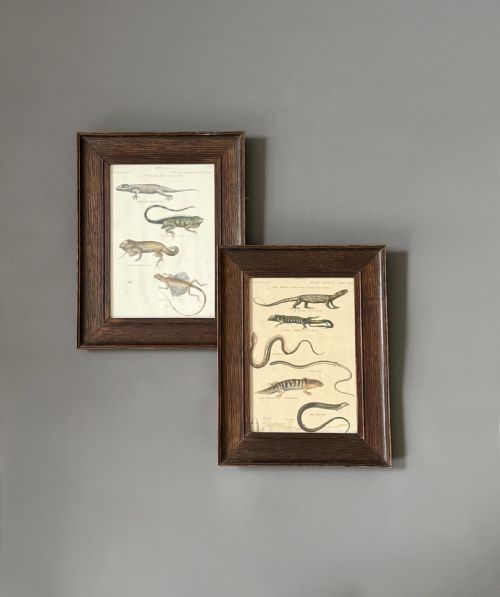
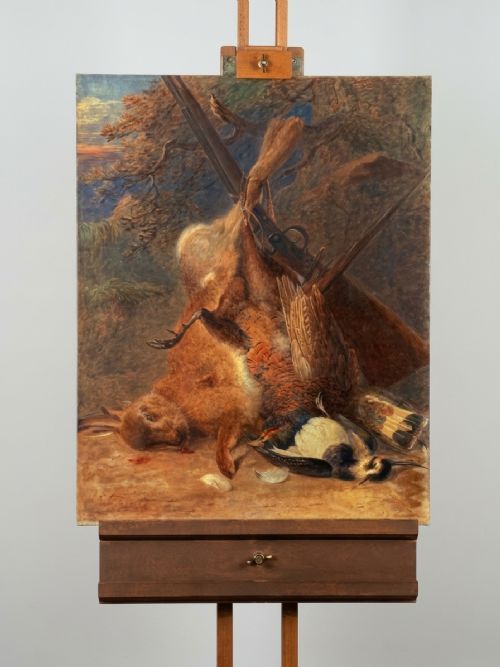
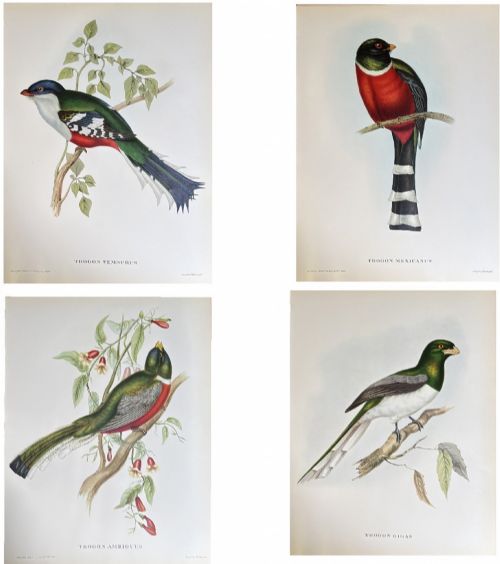
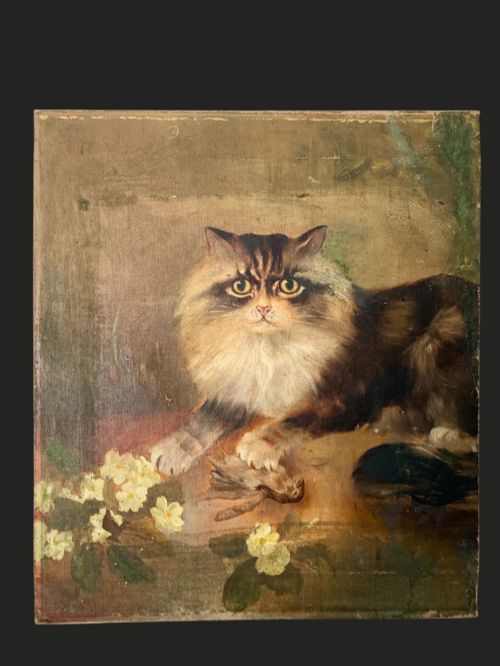
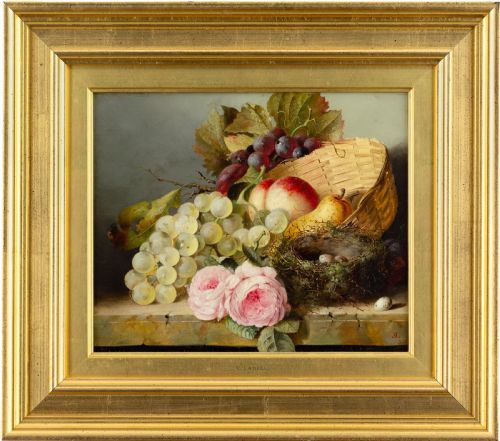
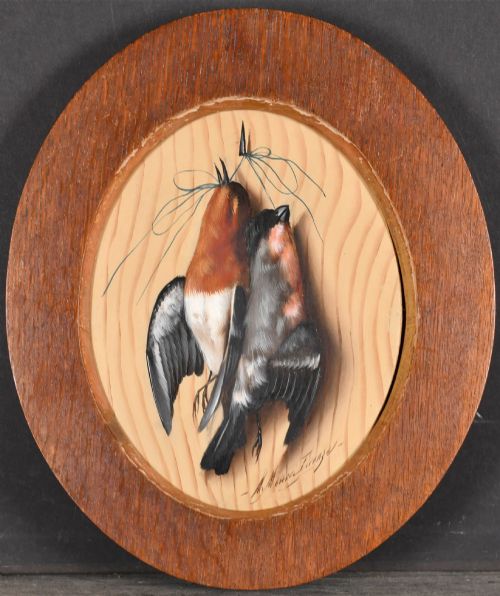
Scientific plates, notably coloured lithographs and engravings, form a large portion of the available material, often originating from bound folios or natural history volumes. Alongside these printed works, one finds original watercolours, gouaches and oil paintings capturing parrots, game birds and songbirds in varied settings. Folk art expressions, including carved wooden figures and tactile plushwork, appear frequently across the listings.
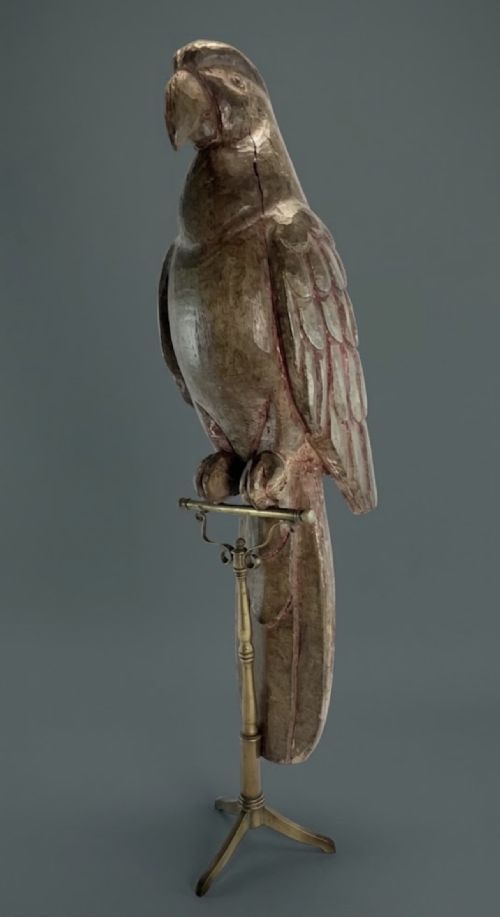
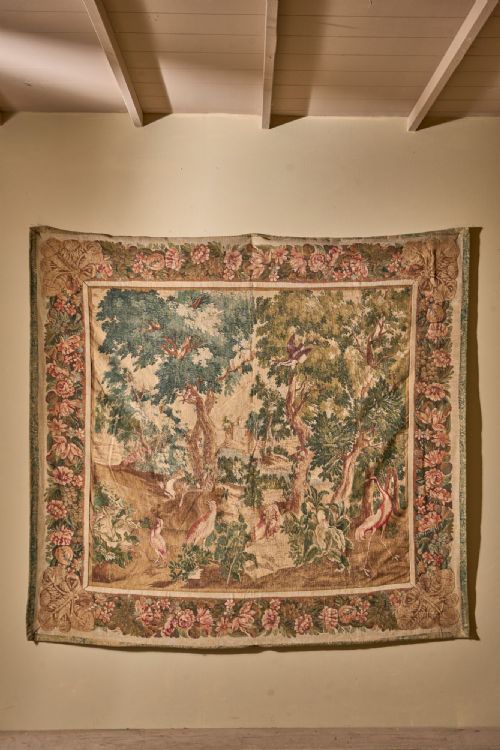
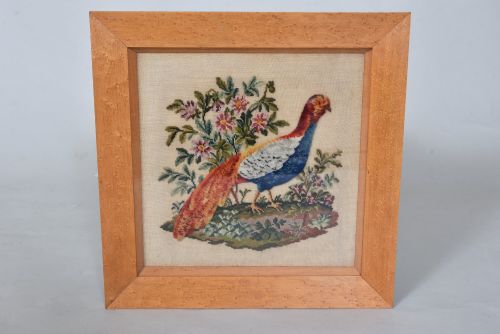
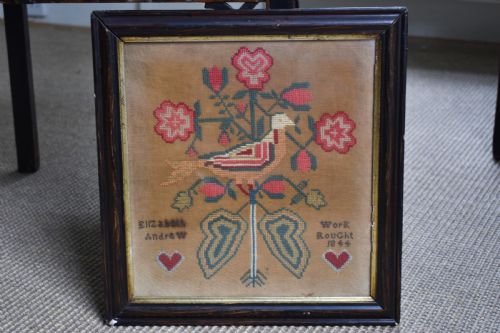
Many items reflect the Victorian fascination with natural history, translating observations of wildlife into decorative wall art and sculptural objects. Others belong to domestic craft traditions, such as embroidered silk panels and wool work, incorporating avian motifs into household items. This mixture of rigorous scientific documentation and domestic artistry defines the category for contemporary collectors.
Materials and methods
Paper and canvas serve as the primary grounds for painted and printed works, employing watercolours, bodycolour, gouache and oil pigments. Lithographs and engravings relied on meticulous hand-colouring to bring scientific plates to life, while textile pieces utilised wool, silk and canvas for needlework samplers and embroideries.
Sculptural items utilise wood, brass, glass and earthenware, demonstrating traditional carving, casting and reverse glass techniques. Frames frequently incorporate gold leaf, ebonised wood or giltwood mounts, matching the domestic display standards of the period.
Assessing quality and execution
The standard of draughtsmanship and the precision of hand-colouring separate ordinary printed book plates from exceptional artistic renderings. In watercolours and oils, the sensitivity of line and the accurate observation of plumage dictate the piece's artistic merit.
Materials and framing also influence the overall calibre, with original period mounts and gold leaf frames preserving the context of the work. For carved and sculptural objects, the crispness of the carving and the preservation of original surfaces determine the desirability of the item.
William Bird MD FLS·George Sydney Shepherd·Vincent Clare·Edward Ladell·Michelangelo Meucci·John Sargent Noble·William Henry Ward·Frederick Tatham·Paul Lelong·William Andrews Nesfield
The 19th Century Bird Art Glossary
- Lithography
- A planographic printing method using a stone or metal plate on which the image areas are rendered hydrophobic. This technique enabled the mass production of detailed natural history prints.
- Gouache
- An opaque water-based medium containing pigment, water, and a binding agent such as gum arabic. It produces a dense, matte surface frequently seen in botanical and ornithological studies.
- Plushwork
- A textile technique involving raised, cut-pile embroidery threads to create a textured, velvet-like surface. It is often encountered in Victorian depictions of game birds and wildlife.
- Reverse glass painting
- An art form where the image is painted directly onto the reverse side of a glass panel and viewed from the front. This method preserves the brilliance of the colours and protects the pigment.
- Bodycolour
- Watercolour pigment mixed with a white filler to make it opaque. Artists utilised this to add highlights and solid areas of colour to delicate paper works.
19th Century Bird Art: Frequently Asked Questions
How do I identify a genuine nineteenth century print?
Examine the paper quality, printing technique, and plate marks under magnification to check for period characteristics.
Verify that the hand-colouring aligns with nineteenth-century pigments rather than modern digital reproduction methods.
Were these prints originally published in books?
Many fine avian illustrations were issued as unbound plates for comprehensive natural history encyclopaedias and ornithological folios.
Publishers frequently sold these plates individually or bound as complete volumes for wealthy Victorian subscribers.
How should I care for antique watercolours and paper art?
Protect delicate watercolours and tinted lithographs by hanging them away from direct sunlight to prevent pigment fading.
Ensure framing utilises acid-free mount boards and conservation-grade materials to preserve the paper over time.
What is the difference between folk art and scientific bird art?
Scientific works prioritize anatomical accuracy and species identification for botanical and ornithological study.
Folk art interpretations focus on decorative charm, utilising stylized forms and domestic materials like wool or carved wood.