
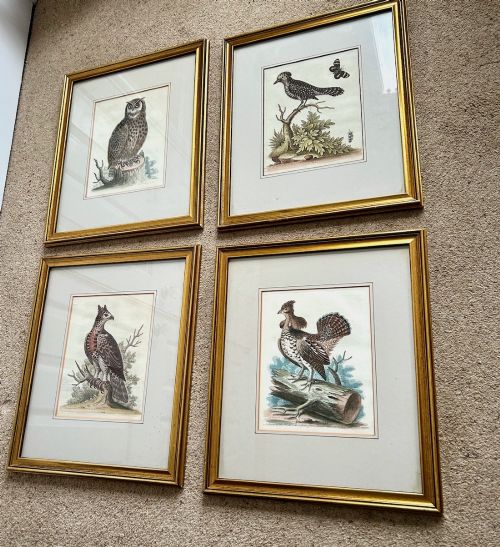


Set of Bird Prints
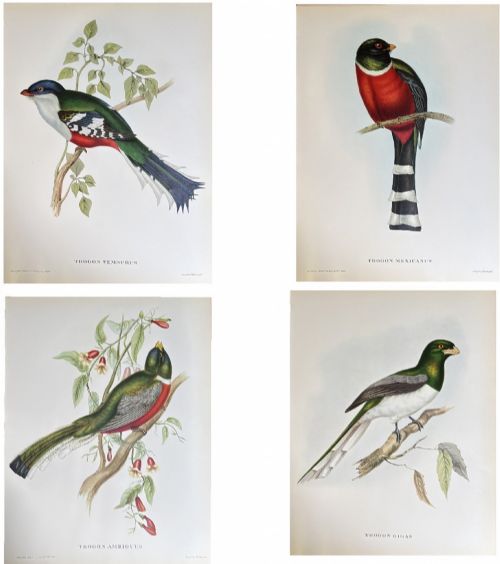
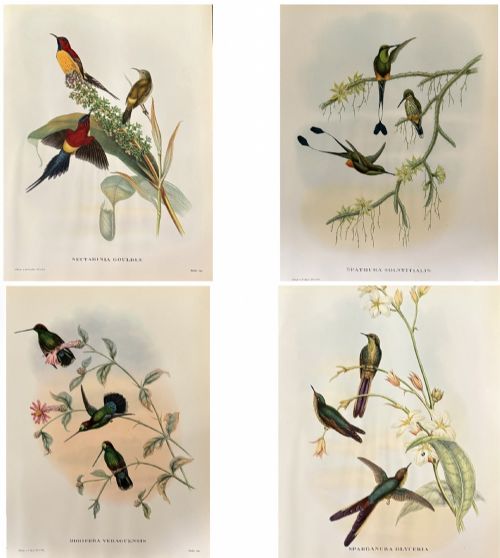
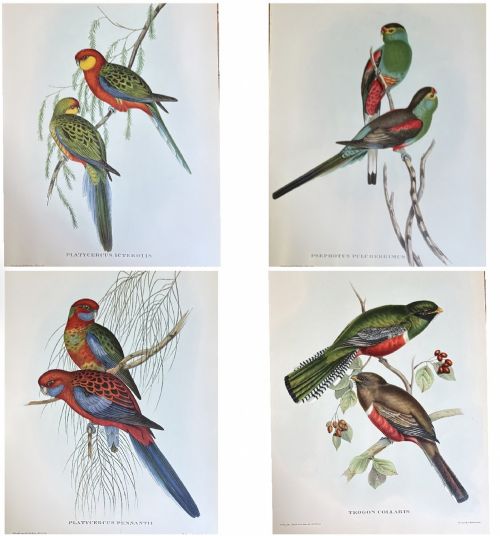
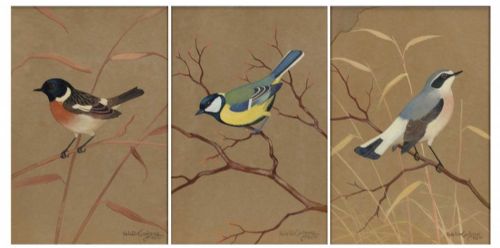
A set of bird prints brings the structured study of natural history onto a wall, offering balanced arrangements of species from past centuries.
Set of Bird Prints
A set of bird prints gathers multiple framed or unframed illustrations into a single decorative group, often originating from 18th century, 19th century or mid-century publications. These groupings frequently present avian subjects arranged in series, spanning tropical birds, garden species and waterfowl.
The most common versions met on this page include mid-century reproductions of tropical subjects alongside genuine 18th century and 19th century engravings. Buyers encounter both framed wall art and unframed sheets ready for custom mounting.
How they were made
Makers utilised paper as the primary support, applying ink and hand applied watercolour to delineate the plumage and habitat of each subject. Engravings and lithographs formed the foundational lines before pigment was added by hand.
Framing materials incorporate wood, gilt wood and gold leaf, often protected by glass. Many older examples retain their original paper margins and plate marks from the printing press.
Materials recorded across these listings include paper, glass, wood, ink, watercolour, gilt, gilt wood and gold leaf.
What varies in quality
The precision of the original engraving and the vibrancy of the hand colouring separate the finer examples from standard decorative plates. Early impressions from established plates retain sharper lines than later reprints.
The condition of the paper and the integrity of the framing materials also define the standard of a set. Maturation of the paper stock ranges from clean white sheets to toned parchment with natural age spots.
Gould·George Edwards·William Swainson·Edward Lear·Eleazor Albin
The Set of Bird Prints Glossary
- Engraving
- A printmaking technique where an image is incised into a metal plate, holding ink to transfer fine lines onto paper. This method produces the crisp detail seen in early natural history plates.
- Lithography
- A planographic printing process using a flat stone or metal plate, allowing for smooth tonal gradations. It became widely utilised for colour printing in the nineteenth century.
- Hand coloured
- The application of watercolour or pigment by hand after the initial monochrome impression is printed. This touch brings realistic hues to feathers and foliage.
- Plate mark
- The indentation left on paper by the edge of the printing plate under pressure. Its presence confirms the traditional printing method used for the work.
- Gilt wood
- Wood coated with a thin layer of gold leaf or metallic paint, frequently found on frames from the Georgian and Victorian periods.
Set of Bird Prints: Frequently Asked Questions
How are these sets typically displayed?
Sets are usually arranged in symmetrical grids or linear rows across a wall to highlight the continuity of the series. Matching frames help tie the individual prints together into a unified visual display.
Larger groupings benefit from hanging at eye level in hallways, studies or living rooms where the details of the plumage can be observed closely.
Are these prints originals from the stated period?
Many listings comprise period engravings and lithographs printed in the eighteenth and nineteenth centuries. Other sets date from the mid-twentieth century, reproducing earlier natural history works.
Examining the paper stock, plate marks and printing technique helps clarify the age of each individual sheet within the group.
How do I care for framed paper prints?
Paper works require protection from direct sunlight to prevent the fading of inks and watercolours over time. Maintaining a stable indoor humidity level prevents the paper from warping inside the frame.
Dusting the glass gently with a dry cloth keeps the surface clear without disturbing the antique framing joints.
What subjects appear besides tropical birds?
Beyond exotic tropical species, the selections include garden birds, ducks and various waterfowl captured in natural settings. Some series focus on specific ornithological classifications documented by natural historians.
Occasional sporting and natural history scenes also appear alongside the avian studies in this category.