


Natural History Lithographs
Natural history lithographs bring nineteenth century scientific illustration and vibrant avian studies directly onto the wall.
Natural History Lithographs
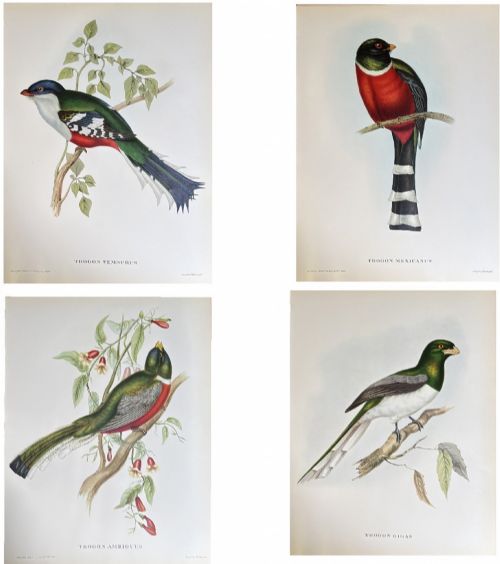
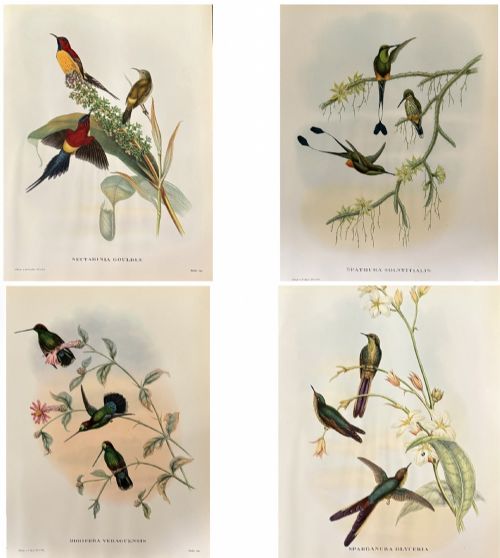
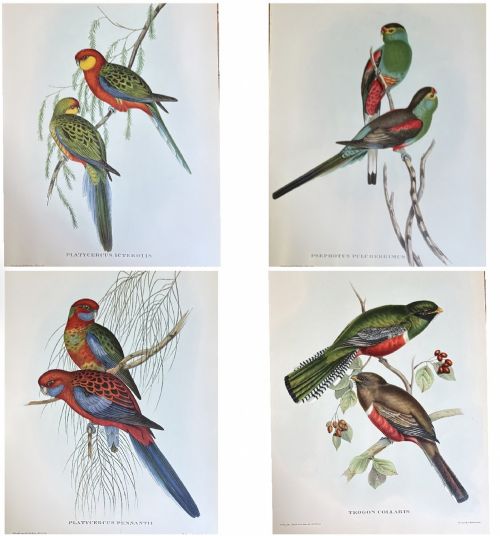
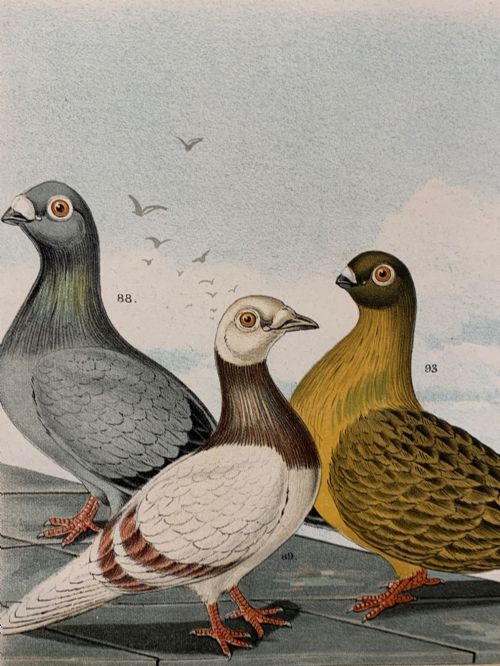
Natural history lithographs capture detailed botanical and zoological subjects across the nineteenth century, including tropical birds, pigeons, and butterflies. These prints reflect an era of intense scientific curiosity, recording species with careful observation and artistic precision.
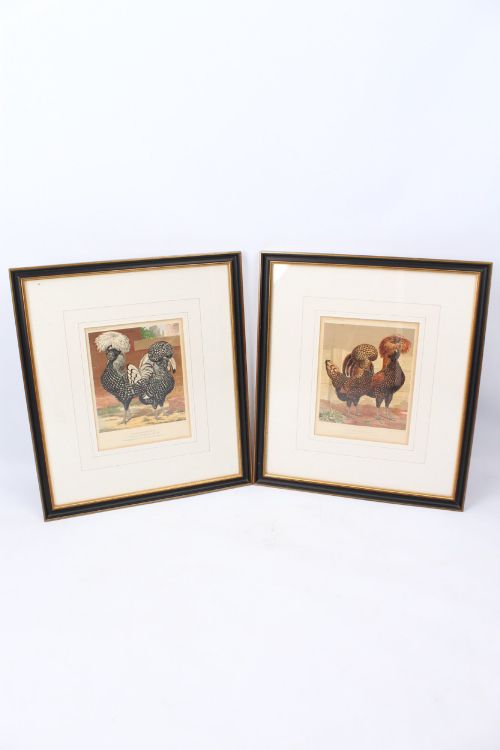
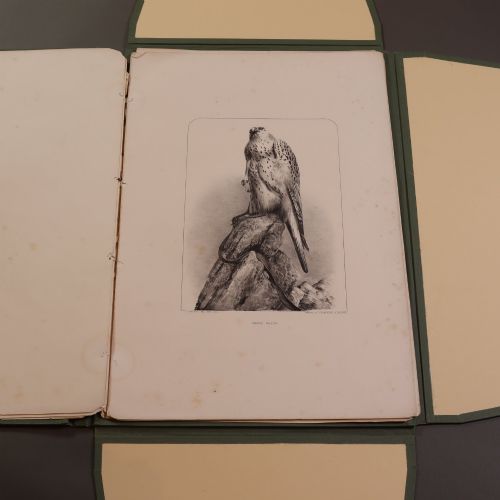
Buyers will encounter both framed and unframed examples, often presented in matched sets or pairs. The visual focus centres heavily on ornithological subjects, particularly parrots, tragopans, and Gould tropical birds.
Styles range from Victorian natural history to nineteenth century naturalism, with some works incorporating hand colouring over ink. Formats vary from oval framed butterfly studies to large scale bird prints.
How they were made
Production relies on paper and ink as the foundational mediums, frequently enhanced with watercolour application by hand to bring out natural hues. Lithographic stones allow for sharp line work and delicate tonal gradations across complex plumage and delicate insect wings.
Framing materials reflect the period of presentation, utilising wood, gilt wood, glass, and velvet mounts to protect and elevate the paper works. Gold leaf accents sometimes appear within the framing to complement the warm tones of the printed ink.
Pigeon breeds receive their own dedicated nineteenth century plate series, proving that Victorian ornithologists loved fancy pigeons as much as exotic parrots.
What varies in quality
Quality rests upon the crispness of the original impression and the finesse of any applied watercolour. Stronger examples retain vibrant ink saturation without blurring or bleeding along the fine lines of the illustration.
The integrity of the paper support and the appropriateness of the framing materials also shape the standing of a piece. Original frames involving period wood or gilt work enhance the overall cohesion of the object.
John Hancock·Edward Lear
The Natural History Lithographs Glossary
- Lithograph
- A print produced by drawing on limestone or a metal plate with a greasy medium so that ink adheres only to the drawn areas. This technique allows for subtle tonal variations.
- Ornithological
- Pertaining to the scientific study and depiction of birds. These studies often focus on anatomical accuracy combined with decorative appeal.
- Hand coloured
- A print finished with watercolour or other pigments applied by hand after the initial impression. This adds individual character and realistic coloration to botanical and zoological plates.
- Engraving
- An intaglio printmaking process where lines are cut directly into a metal plate with a burin. The resulting lines hold ink under pressure during the printing process.
Natural History Lithographs: Frequently Asked Questions
What are natural history lithographs?
Natural history lithographs are printed illustrations from the nineteenth century depicting animals, birds, and insects for scientific and decorative study.
They combine technical printing methods with hand finished watercolours to create accurate representations of natural species.
How should I frame these prints?
These prints look best in period appropriate frames using wood, gilt wood, or glass to protect the paper from environmental damage.
Matching the frame to the Victorian or nineteenth century origins of the artwork maintains historical harmony.
Are these prints hand coloured?
Many examples feature delicate watercolour applied by hand over the printed ink lines to enhance the natural colours of feathers and wings.
This manual finishing means each plate possesses subtle variations in tone and saturation.
How do I identify nineteenth century prints?
Nineteenth century pieces typically display characteristics such as period paper stocks, hand applied pigments, and traditional printing ink formulations.
Stylistic cues also align with Victorian natural history movements and specific publishing houses of the period.