


Paper Ornithological Prints
Paper ornithological prints capture the precision of avian study across centuries, offering timeless visual records of bird species for any interior.
Paper Ornithological Prints
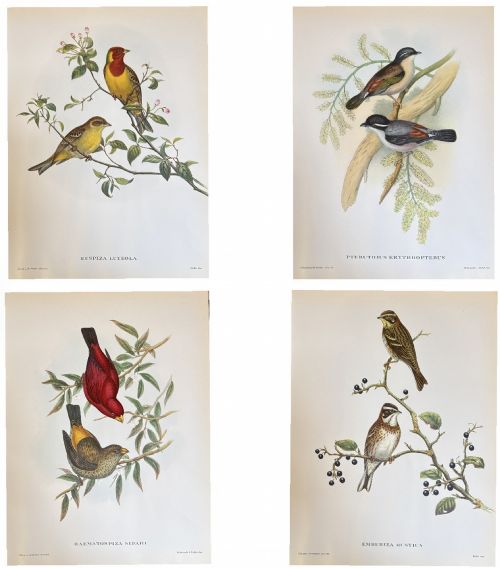
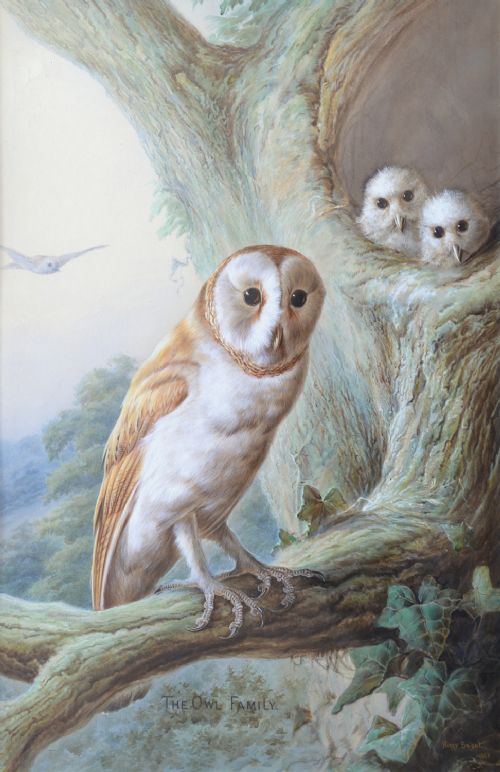
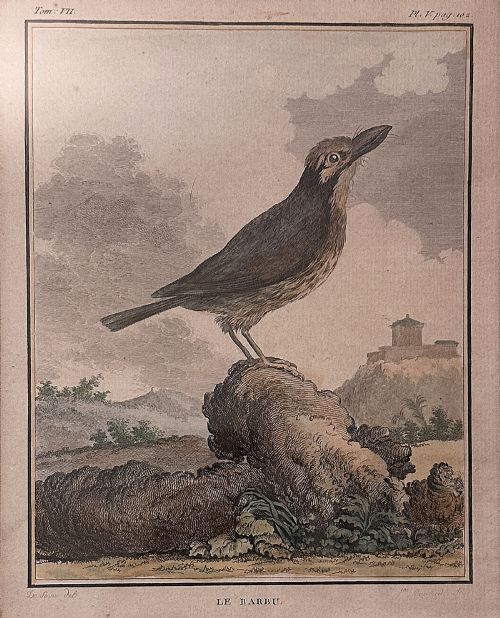
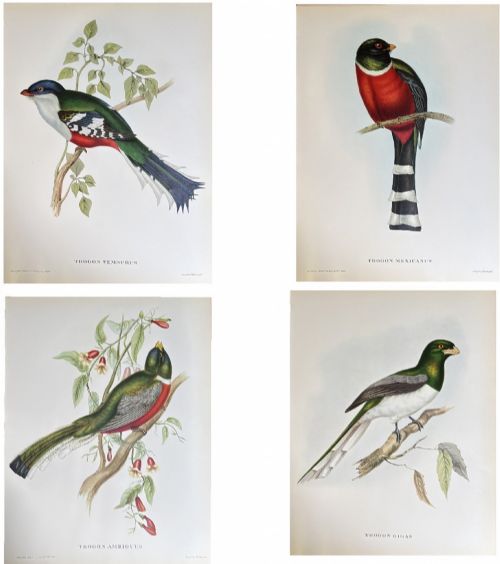
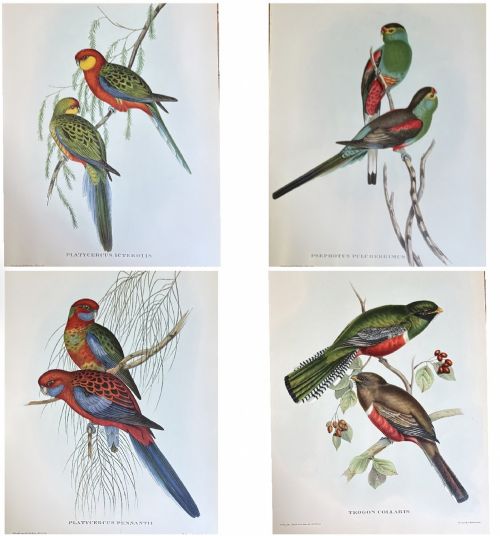
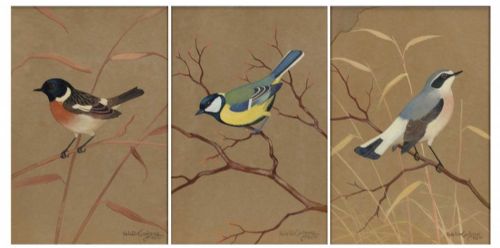
Paper ornithological prints encompass framed artwork, watercolours, engravings, and lithographs depicting bird species across various historical periods. When searching for paper ornithological prints, a buyer encounters everything from eighteenth-century hand-coloured plates to mid-century British art watercolours.
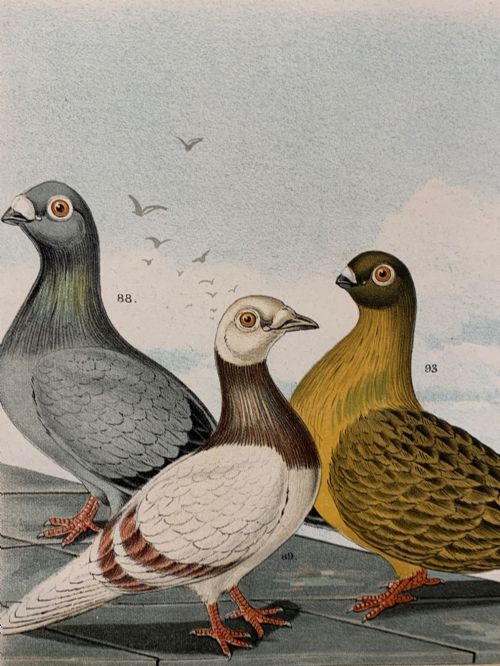
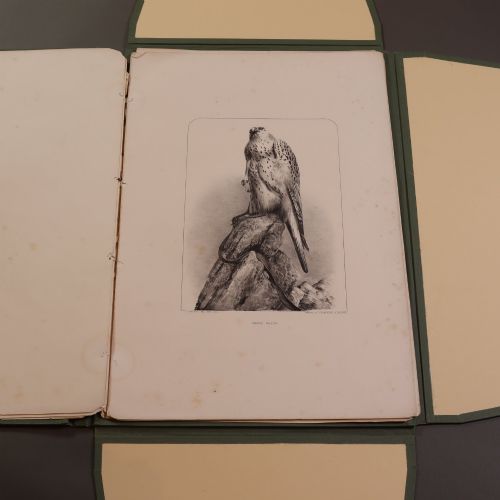
The selection ranges from individual folio sheets to matched sets depicting tropical birds, garden birds, and pigeons. Works originating from the Georgian, Victorian, and mid-century eras frequently appear.
The physical formats vary between unframed groupings, single sheet engravings, and completed framed artworks protected behind glass.
How they were made
Makers utilised paper and board as the primary support, applying ink, watercolour, and gouache by hand or through early printing techniques. Engravings and lithographs provided the foundational line work for many plates.
Hand colouring was frequently added over printed monochrome outlines to achieve naturalistic plumage and botanical details. Wood and glass typically enclose the finished pieces when framed.
The documented periods span the eighteenth century, Georgian era, Victorian era, and the nineteen-fifties.
What varies in quality
The sharpness of the original engraving and the precision of the hand-applied watercolour define the visual strength of each sheet. Complete sets matching their original publication standards command greater interest than isolated examples.
The survival of the paper support without heavy foxing or fading preserves the intended pigment tones. Original period framing also influences the overall integrity of the piece.
Harry Bright·John Hancock·Ralston Gudgeon·Robin Hill·Paul-Louis Barruel
The Paper Ornithological Prints Glossary
- Engraving
- A printmaking technique where an image is incised into a metal plate, holding ink to transfer fine lines onto paper. This method allowed for high detail in early ornithological illustrations.
- Lithography
- A planographic printing process using a stone or metal plate on which the image area repels water while retaining ink. It became widely used for colour printing in the nineteenth century.
- Gouache
- An opaque water-based paint that provides solid, matte areas of colour. Artists used it to build rich plumage details on paper.
- Foxing
- Brown age spots that appear on old paper due to chemical reactions. Its presence affects the visual clarity of the printed image.
- Hand-coloured
- A print finished with watercolour or gouache applied by hand after the initial impression. This added realism to published natural history plates.
Paper Ornithological Prints: Frequently Asked Questions
How do I care for antique bird prints?
Keep works on paper away from direct sunlight to prevent fading of the watercolour pigments and printed inks. Maintain stable humidity levels to protect the paper and any underlying board from moisture damage.
Ensure frames are securely sealed behind glass to prevent dust and atmospheric pollutants from settling on the delicate surface over time.
Are these prints original period works?
The inventory spans specific historical eras, including Georgian, Victorian, and mid-century periods, containing original engravings, lithographs, and hand-painted watercolours from those times.
Each listing reflects the materials and printing techniques contemporary to its stated period of creation.
Can I hang watercolours in bright rooms?
Watercolours and gouache on paper are particularly sensitive to ultraviolet light, which causes pigments to fade permanently. Position them on interior walls away from direct windows.
Using museum-grade UV-filtering glass during framing helps mitigate potential light damage in normal domestic lighting conditions.
How are sets of prints best displayed?
Matched sets, such as groupings of tropical birds or garden species, maintain strong visual balance when hung together in a symmetrical grid or line. Consistent framing unifies pieces sharing similar paper sizes and periods.
Spacing them evenly allows each study to be appreciated individually while contributing to a cohesive wall display.