




Antique Ornithological Prints
These antique ornithological prints capture the precise plumage and form of birds through centuries of illustration and painting.
Antique Ornithological Prints
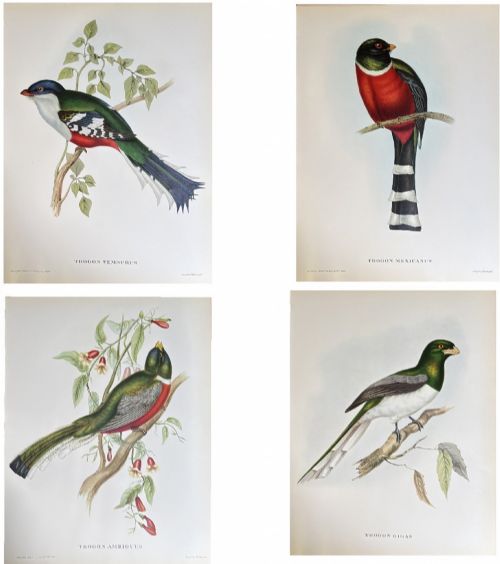
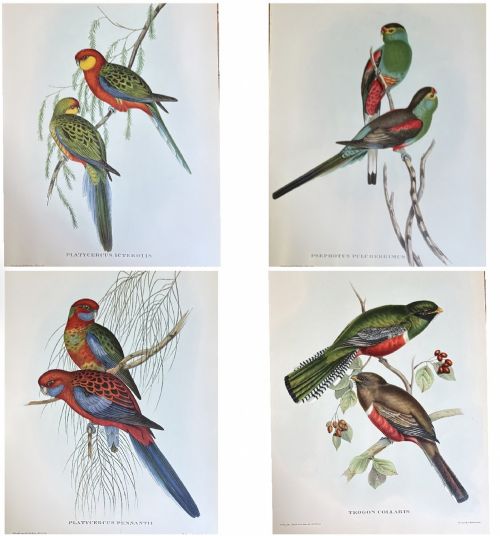
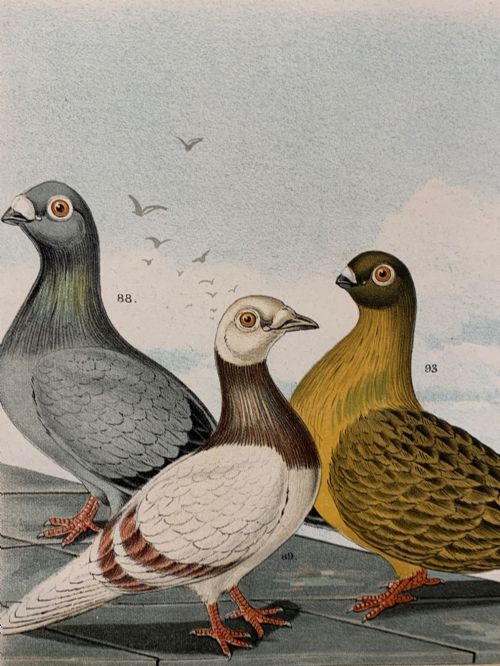
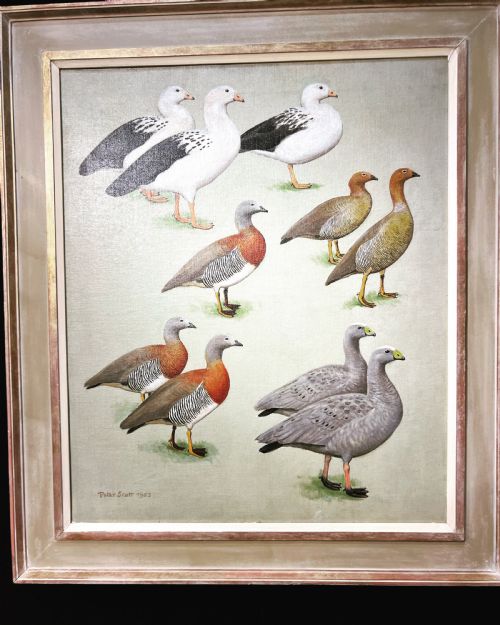
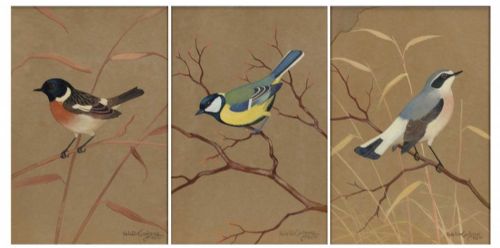
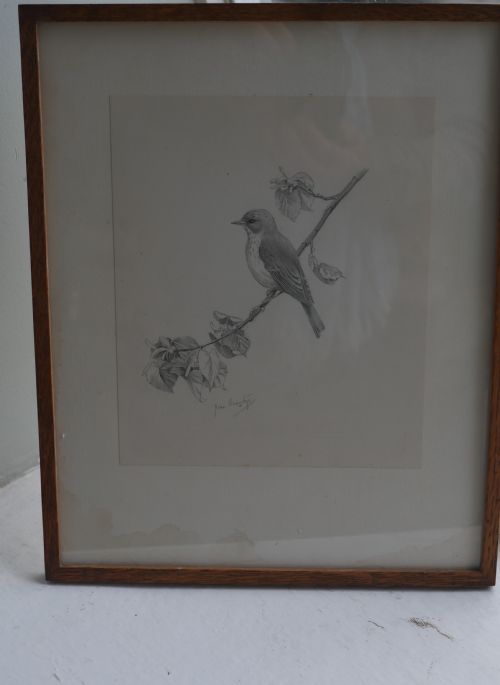
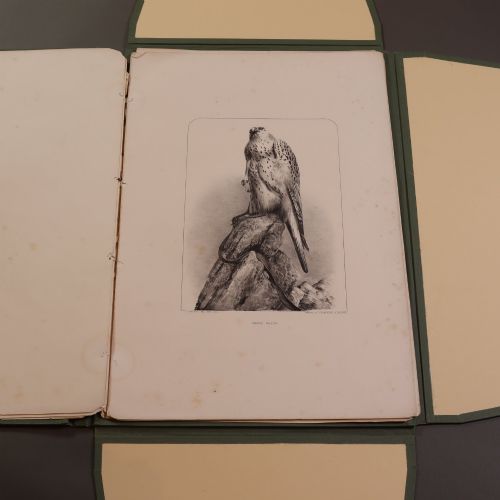
When you search for antique ornithological prints, you encounter works ranging from eighteenth-century engravings to mid-century watercolours and paintings. The selection includes individual sheets, framed prints, lithographs, and wall art depicting pigeons, parrots, game birds, and tropical species.
The material record spans eighteenth-century productions up to works dated 1950, including creations from the Georgian, Victorian, and Edwardian periods. Many items appear as sets, such as groups of Gould tropical bird prints or William Swainson engravings.
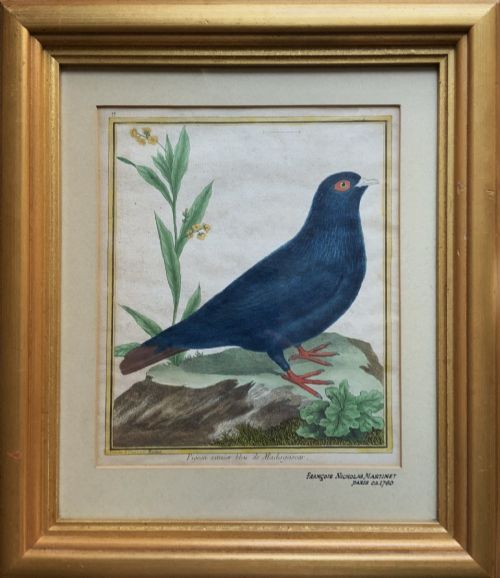
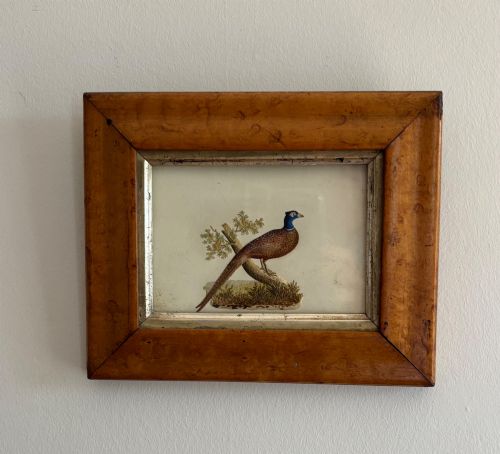
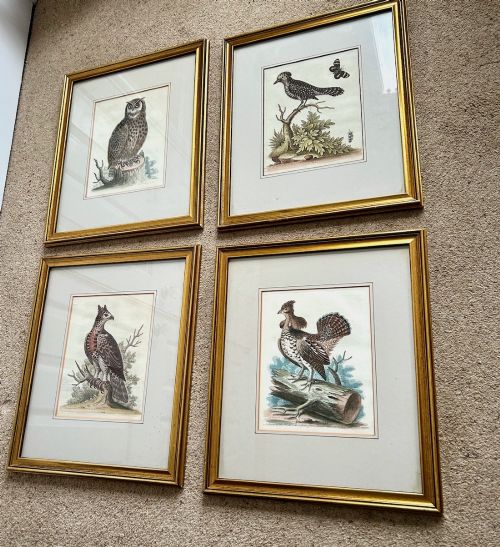
Framed examples frequently utilise ebonised frames, glass, and gilt wood mounts, while others remain unframed paper sheets ready for display. Works often incorporate hand-coloured details applied directly to ink engravings or lithographs.
How they were made
The primary technique relies on paper receiving ink through engraving or lithography, often finished with watercolour applied by hand. Artisans combined these printed lines with pigments to render the distinct colours of avian feathers accurately.
Mounting and framing involved wood, glass, and gold leaf or gilt wood, creating protective and decorative borders around the paper studies. Ebonised timber frames contrast with deep giltwood mounts in several nineteenth-century pieces.
Listings feature paper, wood, glass, ink, watercolour, gilt, gold leaf, and gilt wood across Georgian, Victorian, and Edwardian periods.
What varies in quality
Quality rests upon the precision of the initial engraving and the skill of the hand-colouring applied to the plumage. Fine examples demonstrate careful observation of natural form combined with stable paper condition and vibrant watercolour retention.
The distinctiveness of the framing materials, such as ebonised wood and deep giltwood mounts, alters the presentation of individual watercolours and prints.
François-Nicolas Martinet·Samuel Dixon·George Edwards·Eleazor Albin·William Swainson·Edward Lear
The Antique Ornithological Prints Glossary
- Lithograph
- A print produced by drawing on stone or metal with a greasy medium so that ink adheres only to the designated areas. This technique allowed artists to reproduce tonal gradations in bird illustrations.
- Engraving
- An image incised into a metal plate with a cutting tool before receiving ink for printing. The resulting lines capture fine details of feather texture and avian anatomy.
- Watercolour
- A paint consisting of pigment suspended in a water-soluble binder, applied to paper to create bird studies. Many period works combine this medium with printed ink outlines.
- Gilt wood
- Wood decorated with a thin layer of gold leaf or metallic gilt. This material frequently appears on the mounts and frames surrounding natural history artworks.
- Ebonised
- Timber treated with a dark finish to resemble ebony. Frames treated this way provide a contrasting border for brightly coloured bird plates.
Antique Ornithological Prints: Frequently Asked Questions
How should I hang antique bird prints?
Keep framed pieces away from direct sunlight to protect watercolours and hand-coloured inks from fading over time.
Group sets together on a wall when uniform frames or matching subjects allow for a cohesive display.
Are these prints hand coloured?
Many examples feature hand-applied watercolour over black ink engravings or lithographs, adding specific hues to plumage and backgrounds.
Examination under magnification often reveals brushwork distinct from the printed line beneath.
What periods do these pieces span?
The selection includes works from the eighteenth and nineteenth centuries, alongside Edwardian and mid-century pieces.
Georgian and Victorian items frequently represent standard eras for natural history illustration.
Do prints come framed?
Some listings offer framed pictures complete with glass and wooden surrounds, while others provide unframed sheets.
Check individual descriptions to determine if a piece includes an ebonised frame or gilt mount.