
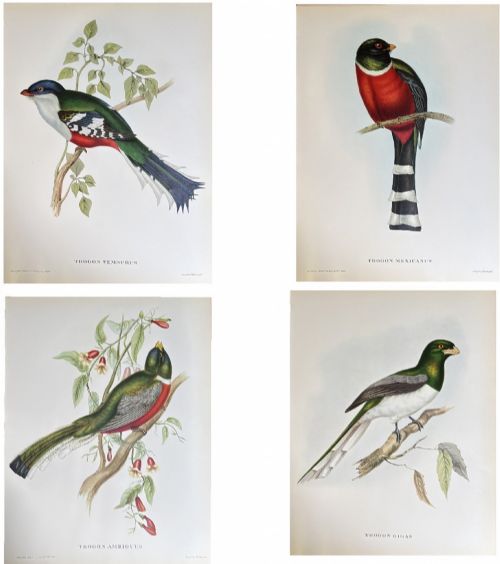
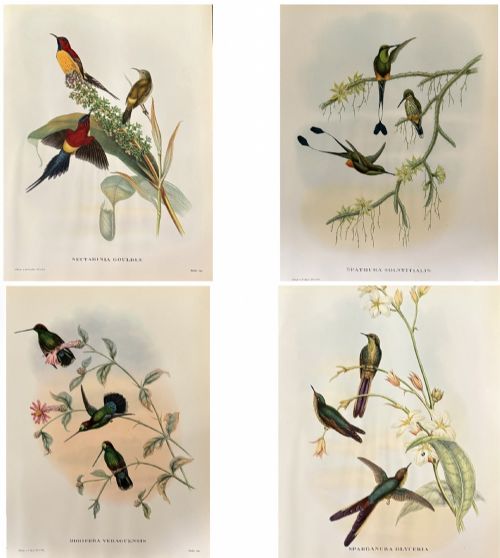
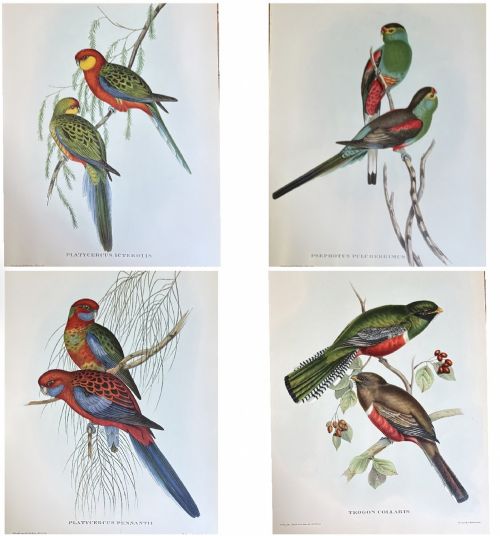
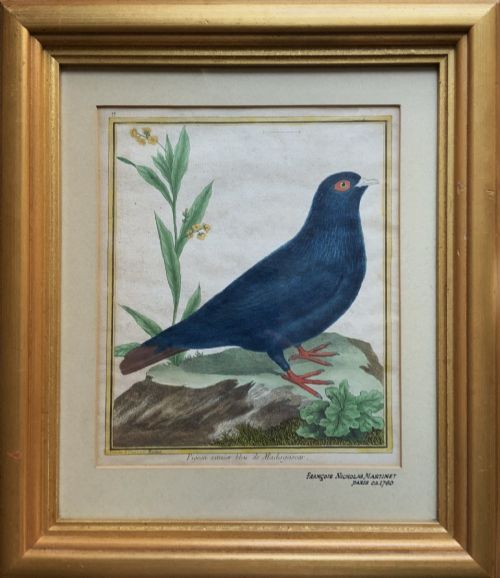



Natural History Prints
Natural history prints bring botanical and zoological observation indoors, offering decorative wall art shaped by centuries of scientific study and artistic skill.
Understanding natural history prints
Natural history prints cover framed art pieces, botanical plates and ornithological studies originating from periods such as the eighteenth century, Victorian era and Edwardian years. These works record animals, birds, shells and plants through detailed graphic illustration.
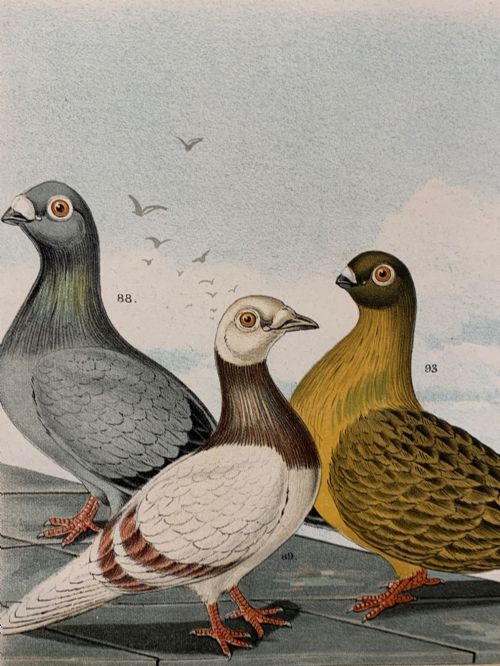
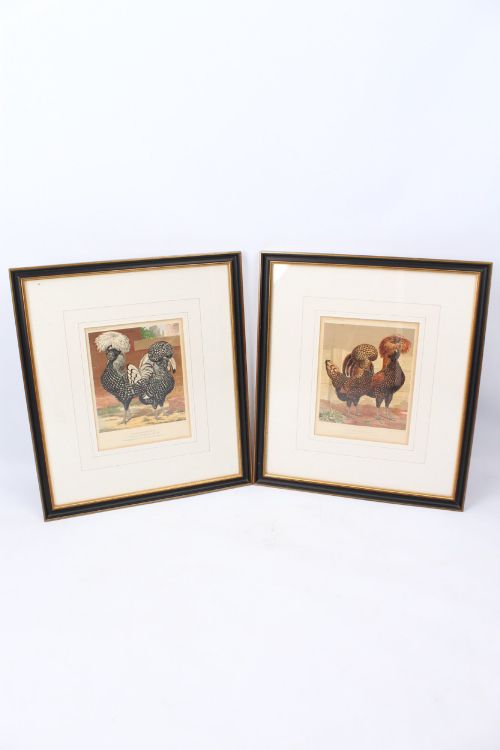
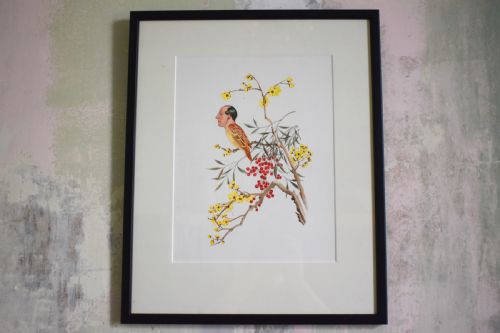
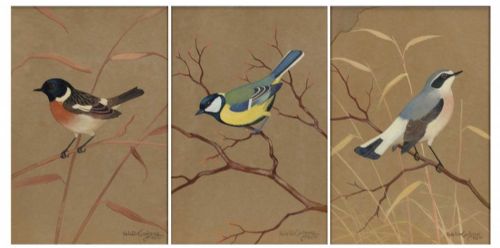
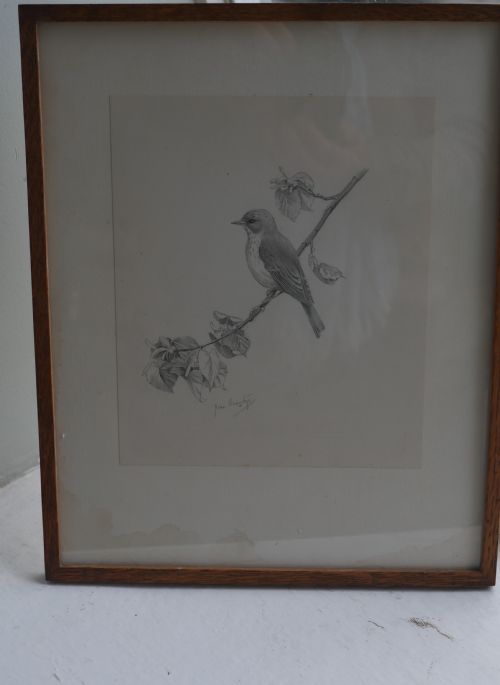
The selections available on this page most commonly include framed bird prints, hand-coloured engravings of ducks, botanical studies and tropical bird series. Buyers frequently encounter framed works executed on paper with wood, glass and gilt wood surrounds.
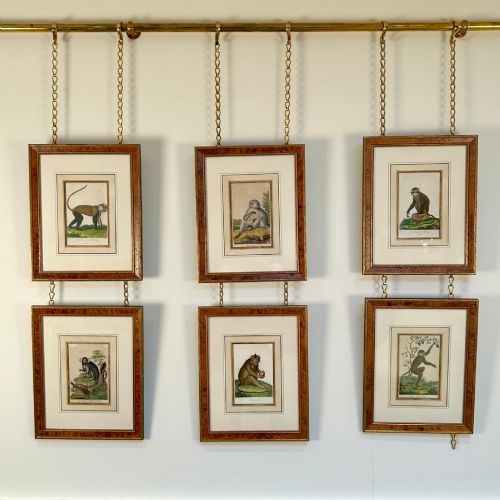
Examples range from expansive sets depicting ornithological subjects to pairs of eighteenth-century botanical plates. Each piece reflects the aesthetic priorities of its specific period, moving from Georgian precision to Victorian naturalism.
Materials and techniques
These works rely on paper supports treated with ink and hand-applied watercolours to render flora and fauna with accurate colouration. Engraving techniques allow fine lines to define feathers, shells and foliage.
Framing materials recorded in the listings include traditional wood, glass, gilt wood, gold leaf and brass accents. These protective housings preserve the delicate paper sheets while suiting domestic display.
Retail Price Guide 2026
Typical UK retail prices for natural history prints, calculated from the Sellingantiques database of over a million retail prices indexed since 2003. This retail price guide relies exclusively on Sellingantiques data; no external sources or auction records are used, so the figures do not describe the wider market.
Assessing quality
Quality rests upon the precision of the original engraving work and the subtlety of any hand-applied colouring. Finer plates exhibit crisp detail in the linework that remains sharp across the entire subject.
The completeness and uniformity of a matched set heavily influence desirability, particularly when dealing with multi-plate ornithological or botanical series. Original framing components executed in period materials also contribute to the integrity of the piece.
Oliver Goldsmith·Georg Wolfgang Knorr·Eleazor Albin
The Natural History Prints Glossary
- Engraving
- A printmaking technique where an image is incised into a metal plate, usually copper, holding ink in the grooves to transfer fine lines onto paper. This method allows for exceptional botanical and zoological detail.
- Hand-coloured
- A process where watercolour or tint is applied by hand to a monochrome print after the printing stage. This technique brings life to feathers, shells and petals.
- Ornithological
- Pertaining to the scientific study and depiction of birds. These studies form a major category within natural history illustration.
- Botanical
- Pertaining to the illustration of plant life, often recording structural details of leaves, stems and flowers for scientific or decorative purposes.
- Gilt wood
- Wood that has been coated with a thin layer of gold leaf or metallic paint. It frequently appears on traditional frames housing antique works on paper.
Frequently Asked Questions
How do I care for antique prints?
Keep works away from direct sunlight to prevent fading of the paper and any hand-applied watercolours.
Maintain stable indoor humidity levels to protect both the paper support and the antique framing materials.
Are these works original period pieces?
The listings include pieces originating from the eighteenth century, the Victorian era, the Edwardian period and mid-century printings.
Each item is dated according to its specific period of production as recorded in the evidence.
How were these prints originally published?
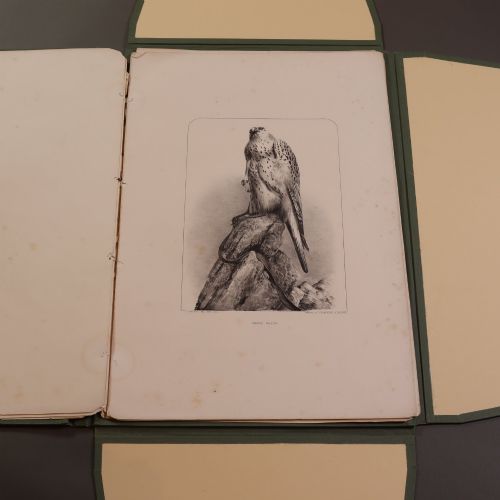
Many natural history illustrations began as plates bound within scientific volumes, later separated for individual framing and display.
Series often depicted birds, shells or botanical subjects as part of larger taxonomic surveys.
What framing styles should I expect?
Pieces appear in a variety of housings, including traditional wood frames, gilt wood surrounds and designs incorporating brass or gold leaf.
Glass fronts protect the delicate paper sheets from dust and atmospheric moisture.