




Framed Ornithological Prints
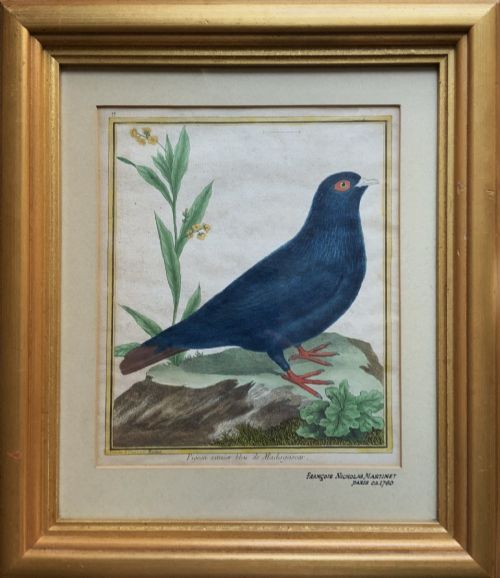
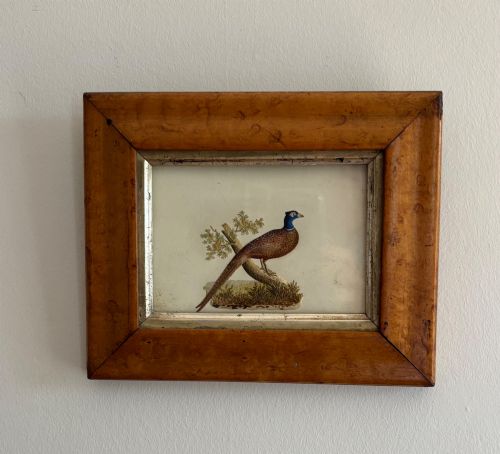
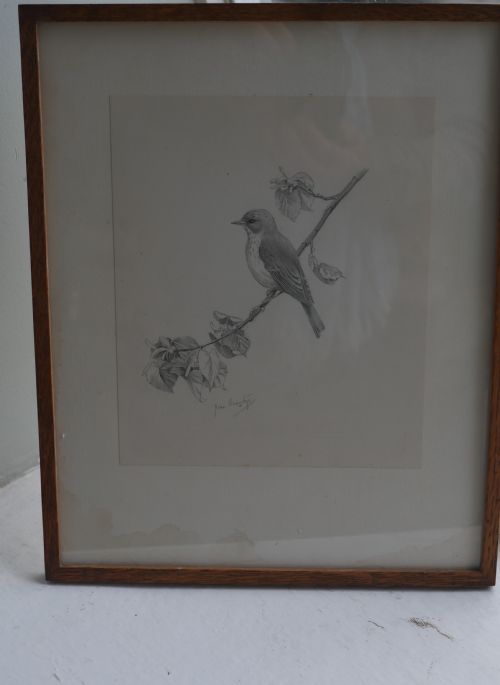
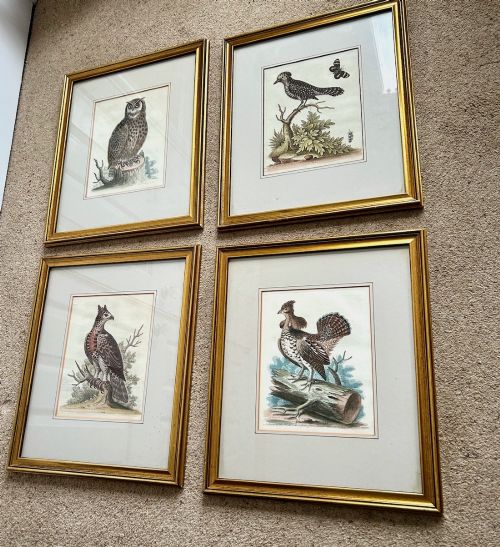
Framed ornithological prints bring historical study into the room, offering detailed depictions of birds mounted behind glass for display.
Framed Ornithological Prints
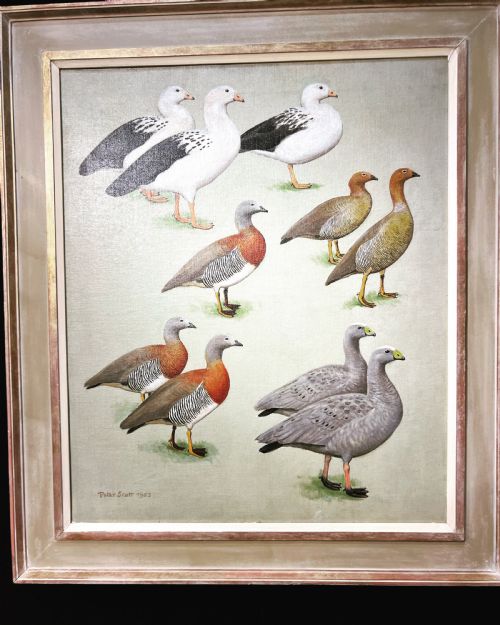
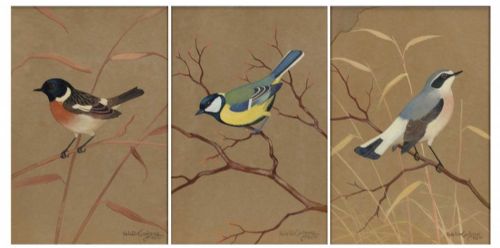
When you search for framed ornithological prints, you encounter works spanning the eighteenth century through to the mid-twentieth century. The selection ranges from hand-coloured engravings and lithographs to original watercolours and pencil drawings of birds.
The most common pieces on this page are eighteenth-century engravings and nineteenth-century studies, often presented singly or in sets. These works document various species, from British garden birds to exotic parrots and waterfowl, preserved in period frames.
Originating from natural history illustration traditions, these pieces combine scientific observation with artistic skill. They appear in ebonised frames, giltwood mounts, and simple wood surrounds that protect the paper within.
Materials and construction
The foundation of these works is paper, utilised for engravings, lithographs, and original watercolour or pencil paintings. Artists and publishers applied watercolour paint, hand colouring, and ink to record plumage and form with precision.
Protection and presentation rely on glass and wood. Many pieces utilise wood frames finished with gold leaf, gilt, or ebonised surfaces, sometimes enclosing deep giltwood mounts that frame the artwork.
Framed Ornithological Prints Retail Price Guide 2026
Typical asking prices for framed ornithological prints among the pieces listed under this phrase on Sellingantiques today, from the lower quarter to the upper quarter. They describe what is for sale here now, not the wider market.
Several artists captured subjects as varied as backyard blue tits, western tragopans, and outback kookaburras.
Gradations of quality
Quality rests upon the precision of the draughtsmanship and the fidelity of the hand colouring applied to the paper. Early engravings by recognised natural historians display sharper botanical and avian anatomy than later, mass-produced decorative plates.
The framing contributes substantially to the calibre of a piece. Original or period-appropriate ebonised wood and deep giltwood mounts elevate an artwork far above simple modern re-framing.
François-Nicolas Martinet·Samuel Dixon·George Edwards·Charles F Tunnicliffe·William Swainson·Edward Lear
The Framed Ornithological Prints Glossary
- Engraving
- A printmaking technique where an artist cuts an image into a metal plate to hold ink. This method produces fine, precise lines characteristic of eighteenth-century natural history plates.
- Lithograph
- A planographic printing process using stone or metal plates. It allowed for the economical reproduction of coloured bird illustrations in the nineteenth century.
- Hand coloured
- The application of watercolour paint by hand onto a printed monochrome outline. This technique added realistic hues to engraved plates before mass colour printing developed.
- Giltwood
- Wood treated with gold leaf or a gold-coloured finish. It frequently appears on the decorative mounts and frames enclosing antique bird studies.
Framed Ornithological Prints: Frequently Asked Questions
What periods do these bird prints cover?
The listings span from the eighteenth century through the Georgian and Victorian eras up to mid-century works from the 1950s and 1960s.
Earlier items include hand-coloured engravings from the 1740s and 1760s, while later pieces feature twentieth-century watercolours and pencil drawings.
How should I hang these framed prints?
These works suit studies, hallways, and living spaces, particularly when grouped in sets of matching engravings or watercolours. Pairs and larger series create balanced displays on traditional walls.
Keep them away from direct sunlight to protect the watercolour paint and paper from fading over time.
Are these works original or reproductions?
The pieces shown are period works, comprising antique copperplate engravings, lithographs, and original watercolours created by natural history artists. Many date from the eighteenth and nineteenth centuries.
Each listing specifies the medium, such as pencil drawing, lithograph, or watercolour paint on paper.
How do I identify a hand-coloured print?
Hand-coloured engravings and lithographs display subtle brushstrokes and tonal variations where pigment was applied manually over printed lines. Examining the surface under magnification reveals the pigment resting on the paper.
Artists often used this method to render accurate plumage colours on ornithological plates before modern colour printing.