
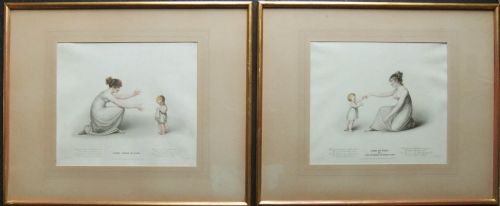
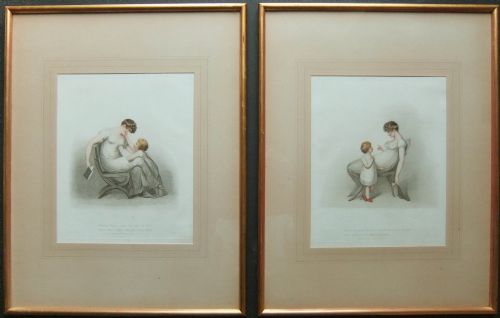

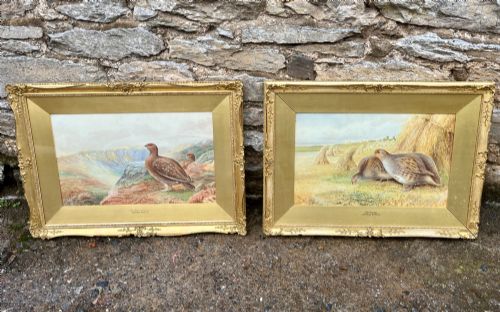
Pair of Framed Prints
When you search for pair of framed prints, you find matched works on paper and canvas preserved beneath glass in period surrounds.
Pair of Framed Prints
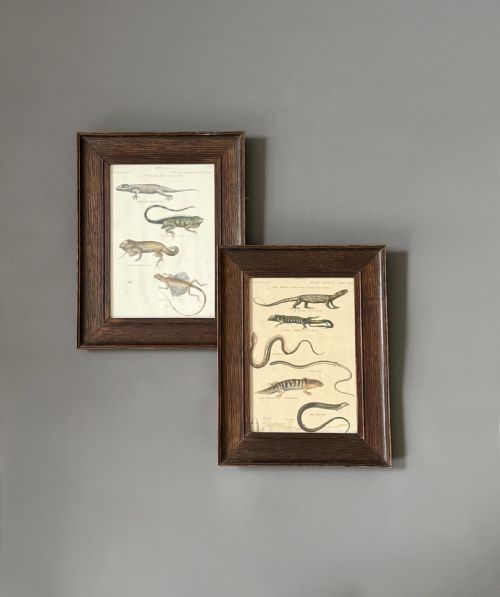
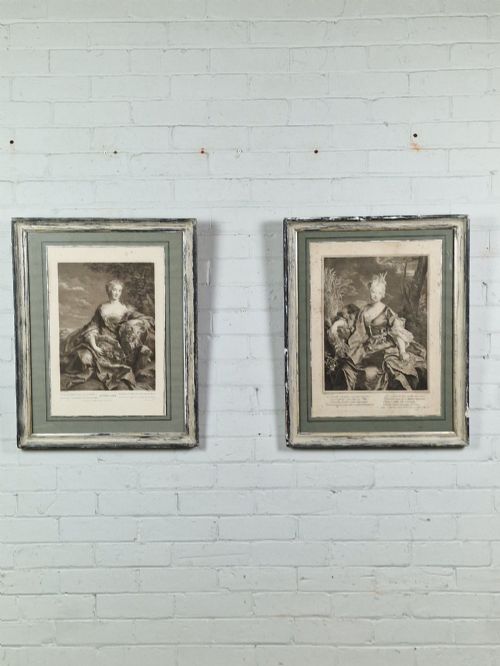
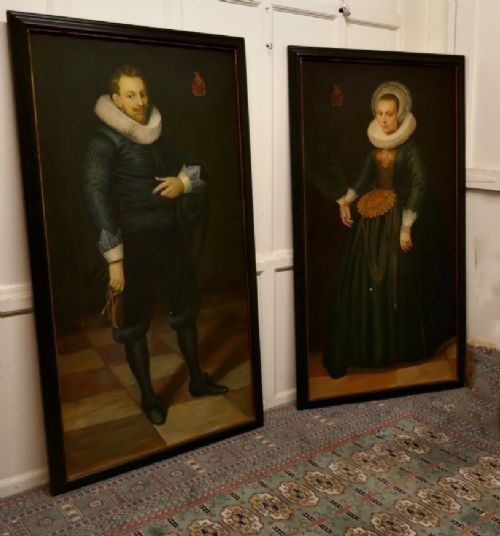
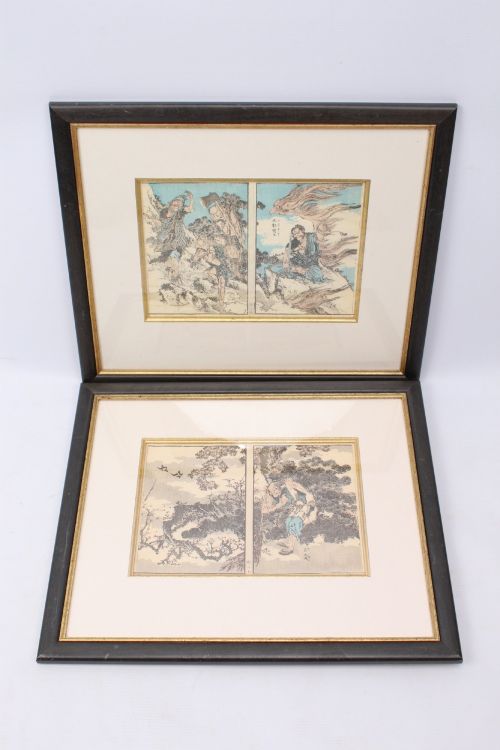
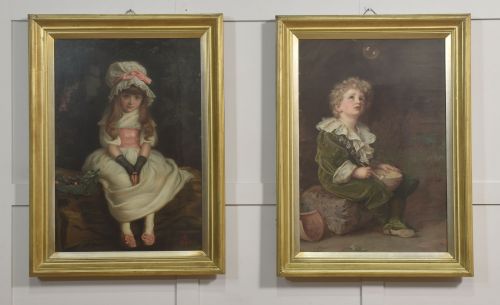
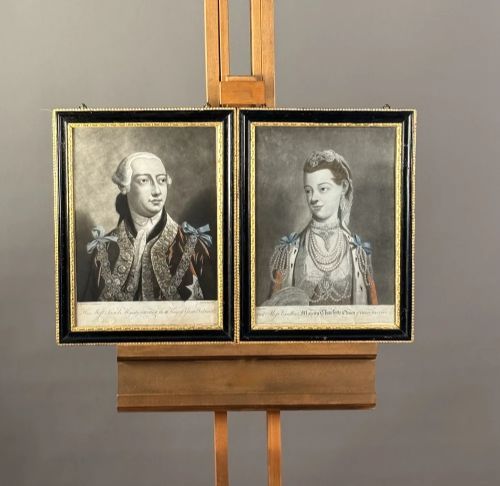
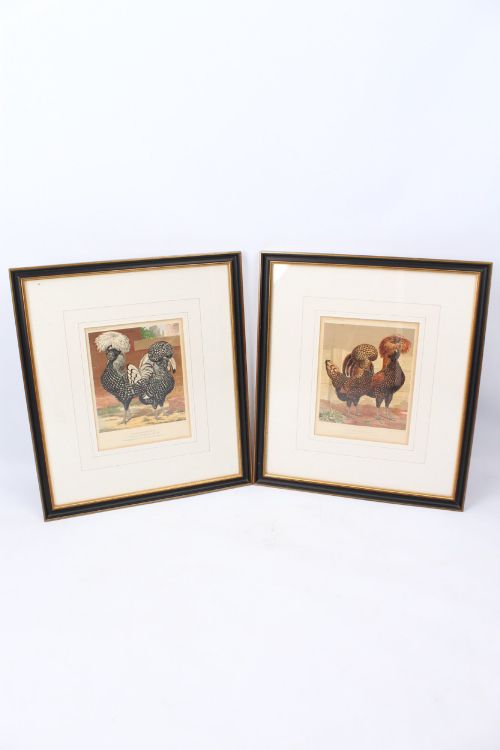
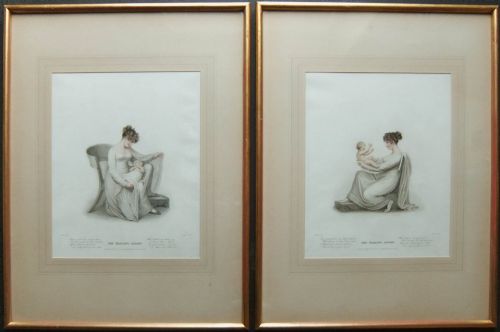
A pair of framed prints comprises matching or companion wall art created via techniques such as engraving, lithography and mezzotint, usually displayed together for symmetry. These works range from eighteenth-century royal portraits and natural history studies of reptiles and birds to nineteenth-century military formations and botanical illustrations.
Buyers encountering this selection will find examples spanning from the Georgian and Regency eras through the Victorian and Edwardian periods, extending into early twentieth-century pieces. The subjects cover classical antiquities from Grand Tours, theatrical scenes, domestic animal portraits and traditional landscapes housed in original or period-appropriate timber and gilt surrounds.
How they were made
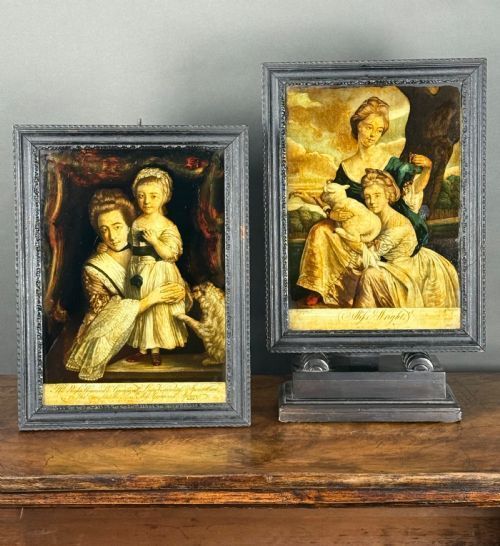
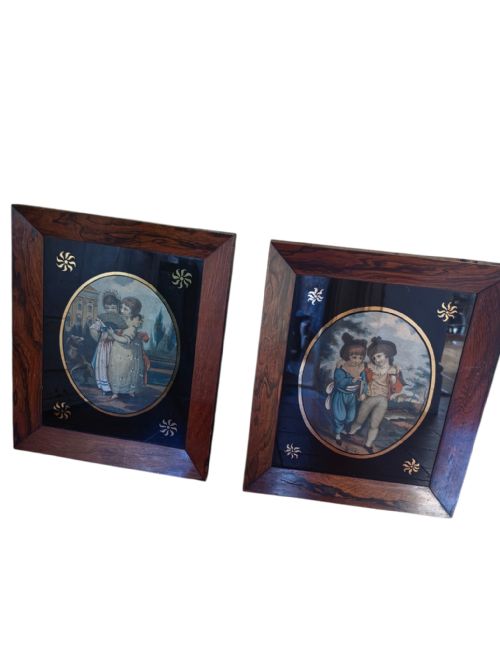
The underlying works rely on traditional graphic techniques, including copperplate line engravings, hand-coloured lithographs and reverse glass painting, utilising ink, watercolour and gouache on paper, vinyl canvas or glass. Many incorporate hand-colouring or metal embellishments applied directly to the printed surface after the impression is struck.
The protective surrounds employ timber construction such as walnut, rosewood, mahogany and maple, alongside applied gold leaf, gilt and giltwood moulding. Glazing protects the delicate paper surfaces, whilst original frames often retain contemporary maker or framer stamps and labels on the reverse.
Pair of Framed Prints Retail Price Guide 2026
Typical asking prices for pair of framed prints among the pieces listed under this phrase on Sellingantiques today, from the lower quarter to the upper quarter. They describe what is for sale here now, not the wider market.
Certain nineteenth-century prints feature unusual metal embellishments stitched directly onto the clothing of the depicted children.
What varies in quality
Quality rests upon the crispness of the original plate impression and the fidelity of any hand-applied watercolour or tinting, where finer examples retain sharp line work without blurring or fading. The condition of the paper substrate, freedom from foxing and the stability of the pigment dictate the longevity and visual impact of the image.
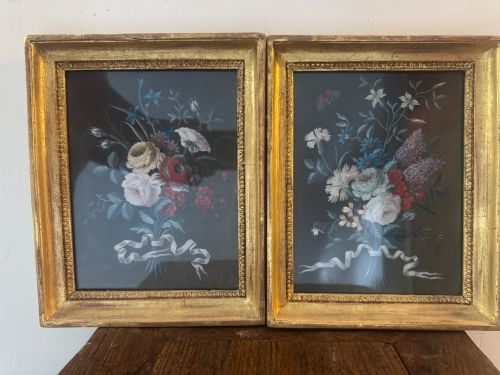
The construction and originality of the surrounding frame heavily influence overall merit, with period walnut, rosewood, or gold leaf giltwood frames holding greater distinction than later replacements. Matching provenance, uniform fading across both companion pieces and intact glass further elevate the standing of a matched pair.
William Bird·Jean Mariette·Cornelis Van Der Voort·Thomas Frye·Richard Purcell·Jacobus Houbraken·George Rankin·Demarteau·John Frederick Herring Snr·David Roberts·Louis Haghe·Robert Sayer·Louis Wain·Buffon·Pierre Buillon·Henri Chatillon·Samuel Sidley
The Pair of Framed Prints Glossary
- Mezzotint
- A printmaking process where the copper plate is roughened to achieve rich dark tones and subtle tonal gradations. It was frequently utilised for eighteenth-century portraiture.
- Engraving
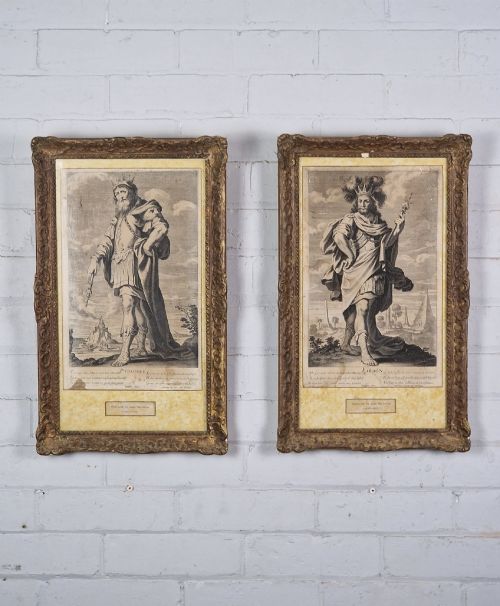
- A technique where an artist cuts lines directly into a metal plate using a sharp tool called a burin. The resulting incisions hold the ink for printing.
- Lithography
- A planographic printing process based on the repulsion of oil and water, allowing precise reproduction of detailed illustrations and text. It became widespread during the nineteenth century.
- Crystoleom
- A Victorian method of applying a colour print to glass, making the paper transparent, and then hand-painting the reverse to create a luminous depth.
- Reverse glass painting
- An artwork created by painting or applying a mezzotint directly onto the back of a glass panel to be viewed from the front. This technique protects the pigments from atmospheric degradation.
Pair of Framed Prints: Frequently Asked Questions
Are these prints original to their frames?
Many items retain their original period surrounds, such as nineteenth-century maple, rosewood or giltwood frames, whilst others have been reframed later in history to ensure ongoing preservation.
Examination of the backing boards, fixings and corner joints often reveals whether the pairing of the artwork and the frame is contemporary to the creation date.
How do I hang a pair of prints?
Companion pieces are traditionally displayed side by side at eye level with a consistent gap between them to maintain visual balance and symmetry on the wall.
Because light exposure can fade antique paper and pigments over time, position them away from direct sunlight and damp environments.
How are hand-coloured prints identified?
Hand-coloured works display subtle variations in pigment application and brushwork under magnification, distinguishing them from mechanical colour printing methods.
Artists applied watercolour or gouache by hand over engraved or lithographic base lines to enhance botanical, zoological and portrait subjects.