

Regency Wall Art
Regency wall art brings together oil portraits, delicate watercolours, and framed silhouettes that capture the distinct elegance of the early nineteenth century.
How they were made
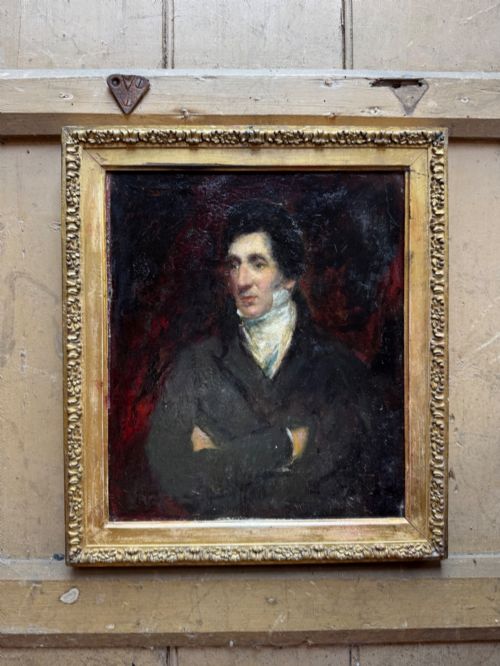
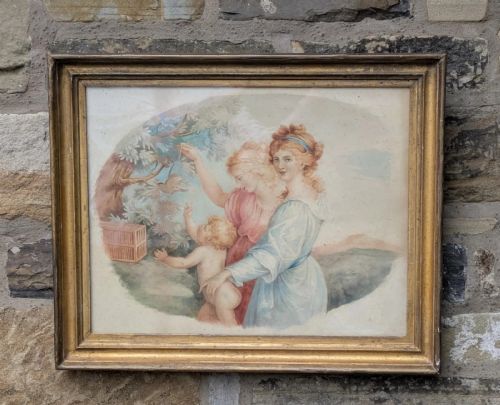
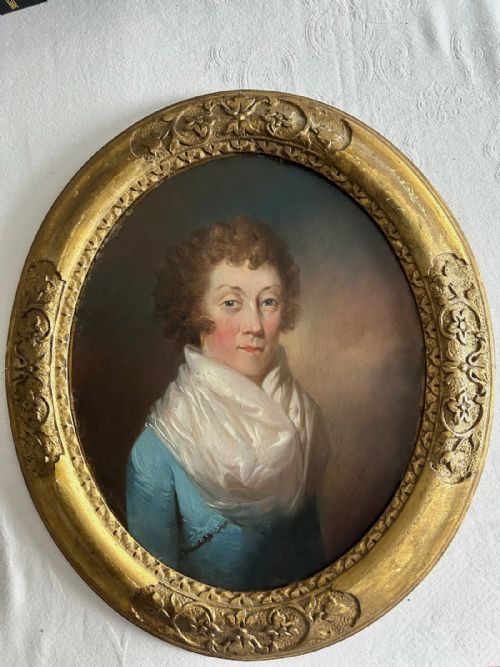
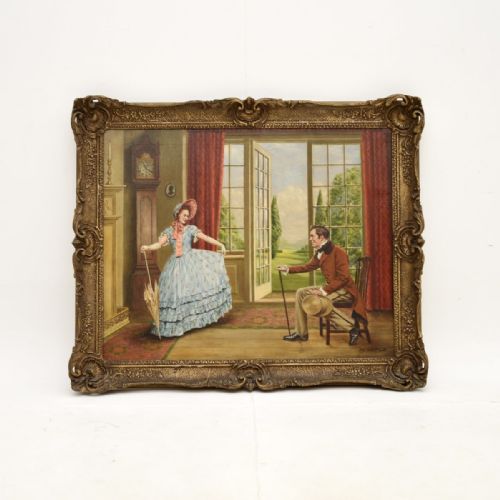
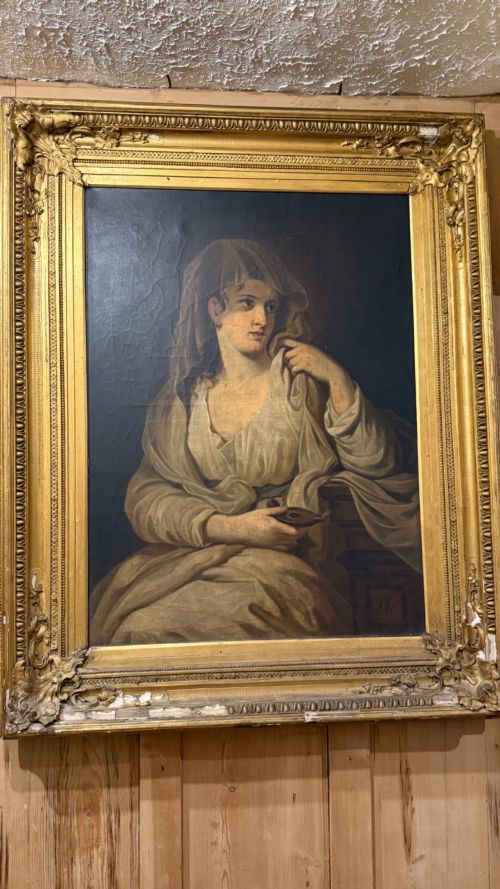
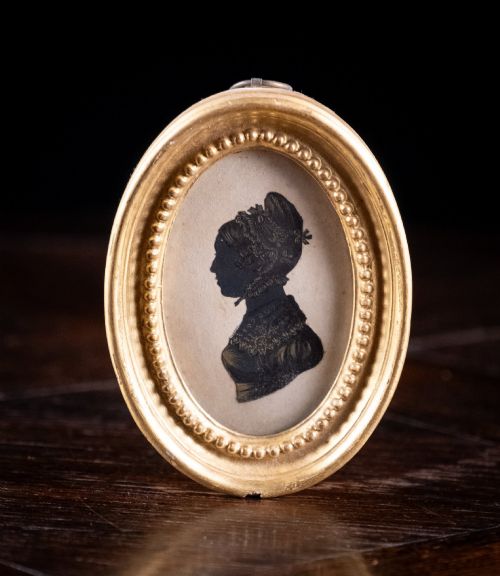
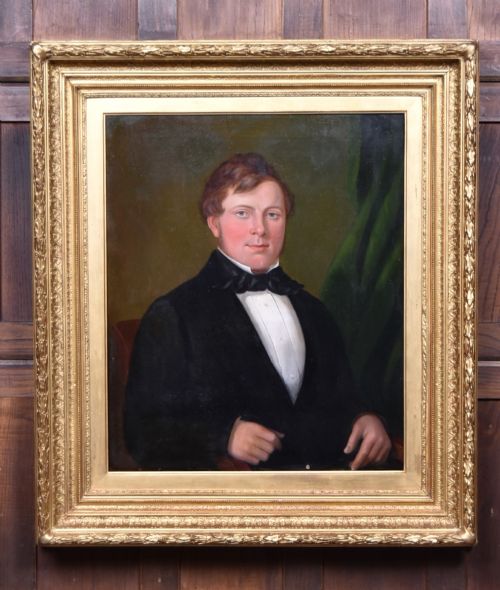
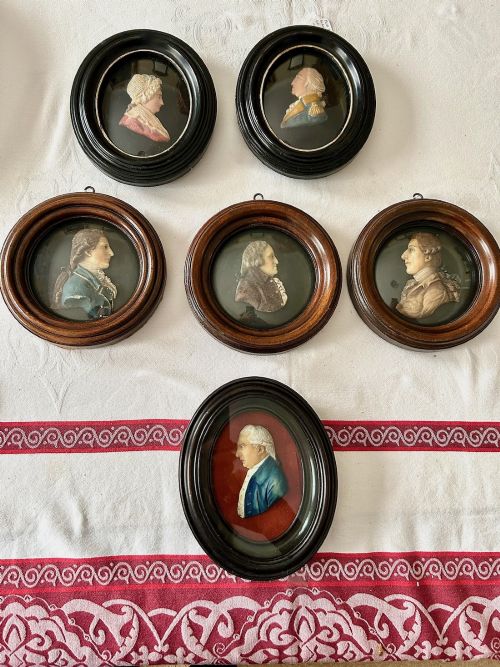
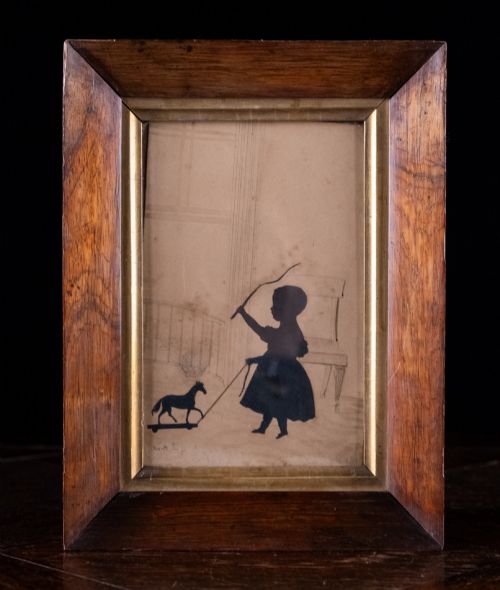
Artists of the period applied oil on canvas and panel, or worked with watercolour and pastel on paper, often framing their output in carved giltwood and rosewood. Silhouette portraits utilised paper and wax, frequently housed in small circular or rectangular frames with glass protection.
Specialised techniques such as mezzotint engraving and lithography allowed the reproduction of popular portraits, while silk work and needlework combined textile art with hand-painted details.
What varies in quality
The distinction between standard decorative pieces and finer works lies in the handling of light, anatomical precision, and the expressive depth of portrait subjects. Works attributed to known Royal Academicians or exhibited painters demonstrate superior brushwork and compositional control.
Original framing, such as period gilt wood or rosewood surrounds, contributes significantly to the integrity of an artwork. The subtlety of hand-colouring on engravings and the preservation of delicate paper or silk surfaces also determine the standing of an individual piece.
Regency Wall Art Retail Price Guide 2026
Typical asking prices for regency wall art among the pieces listed under this phrase on Sellingantiques today, from the lower quarter to the upper quarter. They describe what is for sale here now, not the wider market.
Object types span oil paintings, silhouette portraits, wax profiles, and botanical studies.
Joseph Clover RA·Richard Cosway·Alfred Lyndon Grace·Augustin Edouart·Margaret Sarah Carpenter·John Russell RA·John Opie RA·James Howe·Adam Buck·Thomas Gainsborough·Sir Thomas Lawrence·T C Hofland·Sydney Wilson·William Day
The Regency Wall Art Glossary
- Intaglios
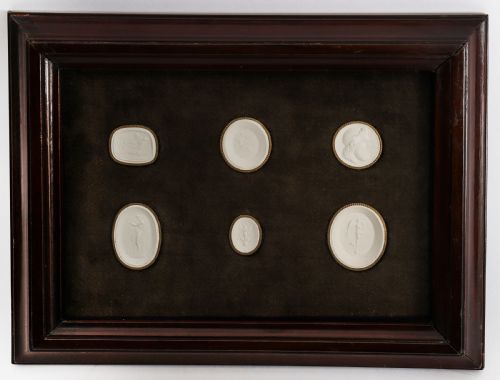
- Small carved gems or impressions, often collected on the Grand Tour and displayed in framed sets. They demonstrate classical motifs popular during the period.
- Mezzotint
- A printmaking process that achieves tonal gradation through roughening the copper plate. This technique allows for rich, velvety dark areas and subtle shading.
- Portrait Miniature
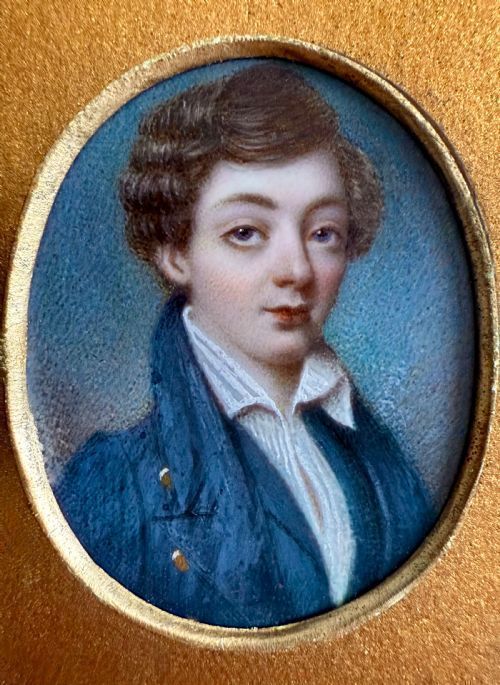
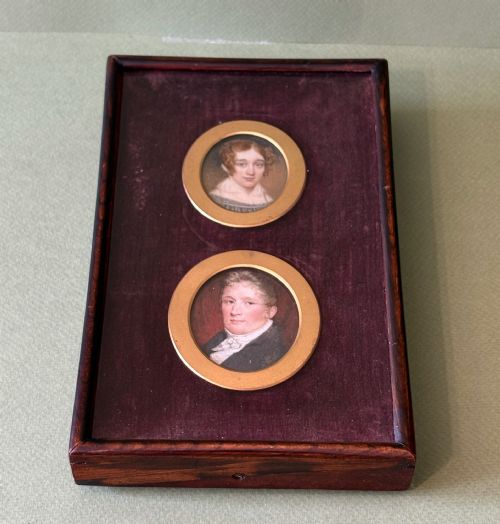
- A small, highly detailed painting on ivory, vellum, or card. These intimate works were frequently worn as jewellery or kept in protective cases.
- Silhouettes
- Profile portraits cut from black paper or painted on card and glass. They offer a striking likeness through pure outline.
- Neoclassical
- An artistic style drawing inspiration from the classical art and culture of ancient Greece and Rome. It dominates the decorative language of the Regency era.
Regency Wall Art: Frequently Asked Questions
How do I date regency wall art?
Dating relies on costume details, framing styles, and the specific materials utilised by the artist. Hair styles, bonnet shapes, and high-waisted dresses offer reliable chronological markers for portraits from this era.
Inscribed panels and contemporary paper watermarks provide further confirmation. Comparison with documented works by artists active in the early nineteenth century helps narrow the timeframe.
What subjects are common in these pieces?
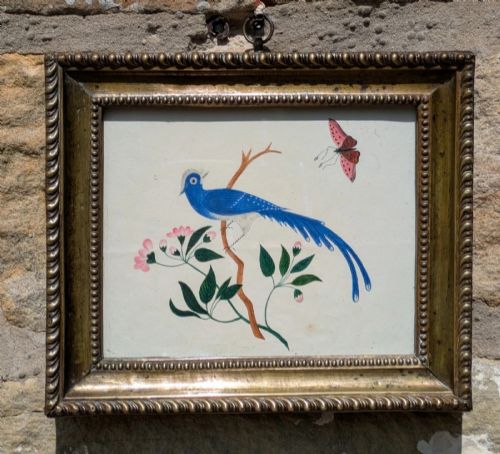
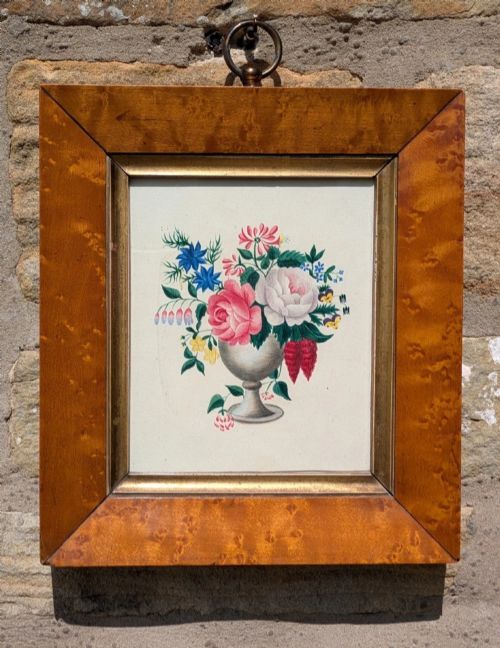
Portraits of individuals, children, and military officers form the majority of surviving works. Botanical studies, exotic birds, and classical scenes also appear frequently.
Grand Tour souvenirs, including classical intaglios, reflect the travel interests of the period. Engravings often depict literary themes or contemporary social life.
How should I hang watercolour art?
Watercolours and works on paper require protection from direct sunlight to prevent fading of pigments. Glazing with UV-filtering glass helps preserve the delicate tones of the original paints.
Placement away from damp walls and heat sources ensures the longevity of both the paper support and the antique frame. Proper hanging hardware suitable for the weight of giltwood frames is essential.
Are silhouette portraits rare?
Early nineteenth-century silhouettes survive in moderate numbers, having been produced as an accessible alternative to painted miniatures. Examples featuring detailed bronzing or set within original papier-mâché frames remain sought after by collectors.
Attributed works by notable silhouette artists command greater attention due to documented provenance. The inclusion of decorative elements like horses or family groups adds interest.