


Framed Zoological Engravings
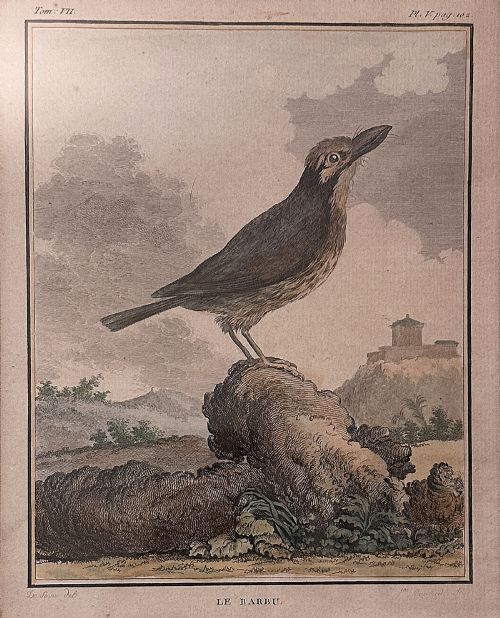
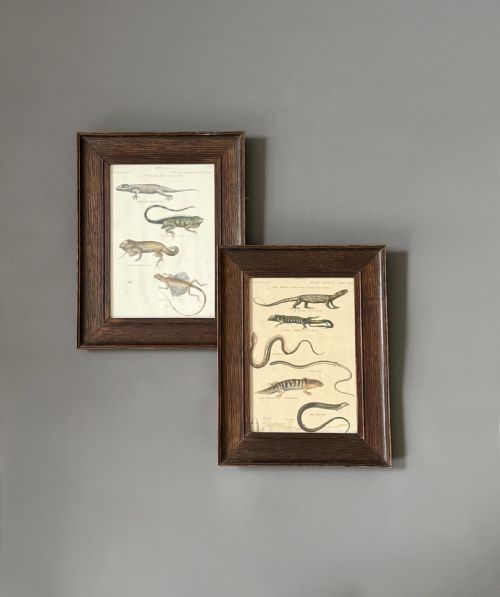
These framed zoological engravings bring eighteenth and nineteenth century natural history straight to the wall, offering detailed studies of animals, reptiles and birds.
Framed Zoological Engravings
Framed zoological engravings capture centuries of natural history illustration through printed plates of animals, birds, reptiles and skeletons. Collectors searching for framed zoological engravings encounter works originating predominantly from the eighteenth and nineteenth centuries.
The selections span distinct historical movements including Georgian, Regency, Neoclassical and Victorian periods. Subjects range from monkeys and dogs to hippos, rhinoceros skeletons and serpents.
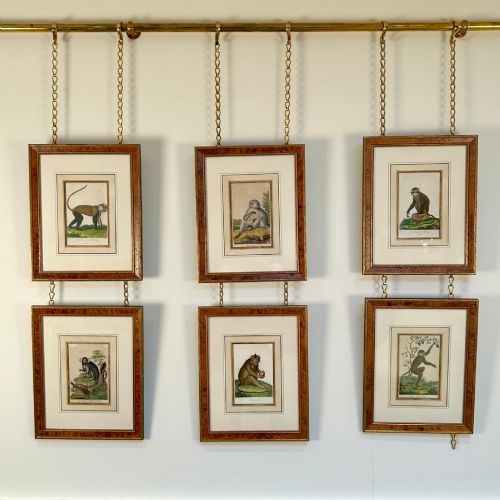
Many of these pieces arrive in pairs or sets, featuring hand-coloured details applied directly to the printed lines. Common formats include framed prints and wall art housed behind glass.
How they were made
Makers utilised paper sheets for the base prints, subsequently applying watercolour by hand to enhance the natural history subjects. These delicate sheets received protection beneath glass within fitted frames.
Framing materials recorded in the evidence include wood, burr wood, brass, gold leaf and giltwood. These enclosures were constructed to preserve paper prints and complement the interior aesthetics of Georgian and Victorian homes.
Current listings feature materials such as burr wood, brass, gold leaf and watercolour on paper across eighteenth and nineteenth century periods.
What varies in quality
Quality rests upon the precision of the original engraving and the finesse of any hand-applied watercolour. Plates produced by notable natural history illustrators display superior anatomical accuracy and line work compared to anonymous output.
The calibre of the surrounding frame influences the overall standing of the piece. Surviving examples retaining period materials such as burr wood or giltwood hold greater visual coherence than later replacements.
William Bird MD FLS·Buffon·Bernhard Siegfried·William Swainson·Audebert
The Framed Zoological Engravings Glossary
- Engraving
- A printmaking technique where an artist cuts an image into a metal plate using a burin. Ink is pushed into the recessed grooves and transferred to paper under pressure.
- Hand coloured
- A process where watercolour or tint is applied by hand to a monochrome print after production. This method adds realistic colour to botanical and zoological plates.
- Natural history
- The scientific study of animals, plants and other organisms, which inspired detailed artistic illustration during the eighteenth and nineteenth centuries. Published plates documented global fauna for collectors and scholars.
- Neoclassical
- A style spanning the eighteenth and early nineteenth centuries inspired by classical antiquity. It prioritises symmetry, clean lines and classical restraint in both art and framing.
Framed Zoological Engravings: Frequently Asked Questions
What periods do these engravings come from?
The pieces span the eighteenth and nineteenth centuries, encompassing Georgian, Regency and Victorian eras.
Specific dates within the evidence extend from seventeen ninety-seven through to eighteen ninety.
Are these prints hand coloured?
Many examples feature hand-applied watercolour over the printed lines. This technique brought realistic tones to illustrations of birds, monkeys and reptiles.
Artists added colour by hand to enhance the scientific and decorative appeal of each plate.
How should I hang these framed pieces?
Keep them away from direct sunlight to protect the paper and watercolour pigments from fading. Hanging them in pairs or sets creates a balanced display on the wall.
Ensure the room maintains stable humidity to preserve both the antique paper and the wooden frames.
What subjects appear in these works?
Subjects focus on natural history and animal anatomy. The evidence includes monkeys, dogs, birds, serpents, hippos and rhinoceros skeletons.
Plates often document specific species identified by naturalists and illustrators of the period.