



Black Framed Dog Artwork
Black framed dog artwork brings together centuries of canine portraits housed within dark timber and painted moulding.
Black Framed Dog Artwork
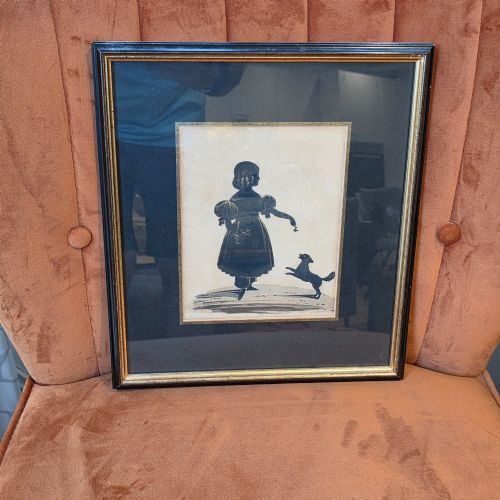
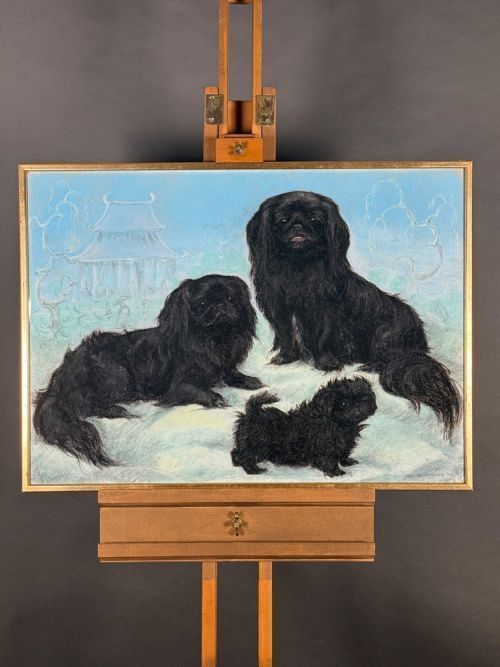
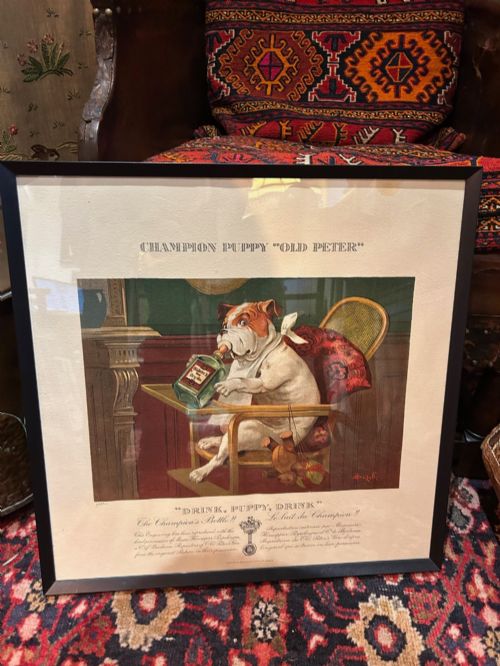
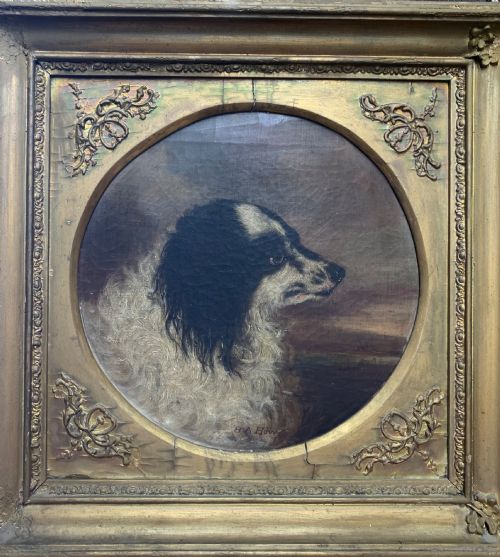
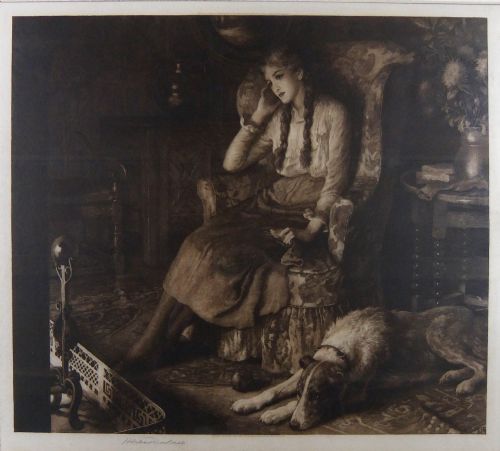
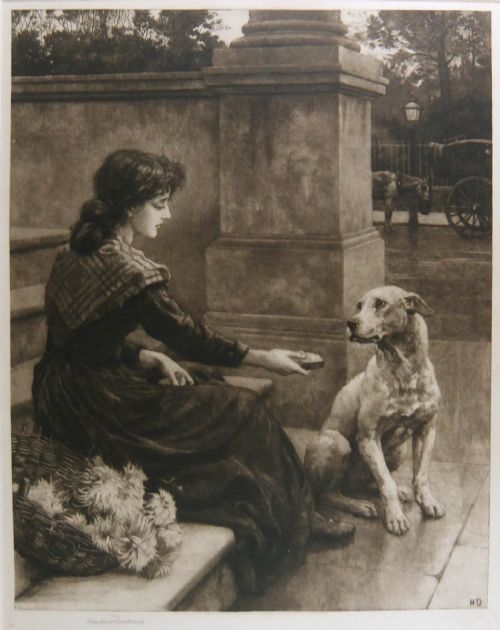
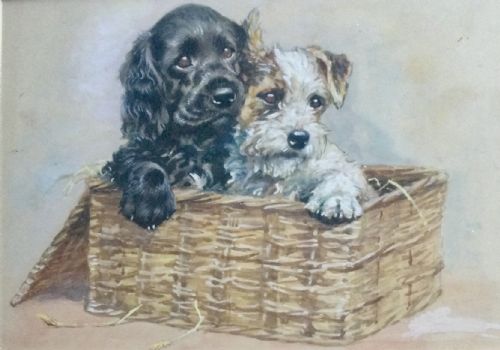
Black framed dog artwork encompasses a wide variety of canine depictions, ranging from nineteenth-century oil paintings to early twentieth-century etchings. Buyers searching this phrase encounter subjects that span spaniels, bulldogs, terriers, and Pekingese rendered by named artists and anonymous folk hands alike.
The objects take the form of original oil paintings, pastel drawings, charcoal sketches, drypoint etchings, and vintage prints. Most pieces originate from the nineteenth and early twentieth centuries, reflecting the period's intense affection for domestic and sporting dogs.
Materials and Technique
Makers utilised traditional supports such as paper, canvas, and wood panels for their canine subjects. Pigments applied include oil paints, watercolours, pastels, ink, and charcoal, frequently protected behind glass.
The enclosing frames combine wood, giltwood, and gold leaf finished in dark or black tones to complement the tonal range of the artwork within.
Listings feature paper, canvas, wood, oil, pastel, and ink across Victorian, Edwardian, and Art Deco styles.
Distinctions in Quality
Quality rests upon the anatomical precision of the animal and the sureness of the hand behind the medium, whether in the delicate lines of a drypoint etching or the painterly brushwork of an oil portrait. Master works capture the distinct character and texture of the dog's coat with convincing depth.
The integrity of the original framing materials also influences the piece, noting how well the dark moulding preserves the paper or canvas over decades of display.
William James Hubard·Marcellin Auzolle·Herbert Dicksee·William Barraud·Sir Edwin Landseer·Mabel Gear·Valentine Thomas Garland·Charles Bilger Spalding·Samuel John Carter·Sonia Lawson
The Black Framed Dog Artwork Glossary
- Drypoint etching
- A printmaking process where an image is scratched directly onto a metal plate with a sharp needle. This technique creates a rich, velvety burr that holds ink during printing.
- Folk art
- Artistic work created by untrained individuals who rely on craft traditions and community styles. These pieces prioritize direct expression over academic rules of perspective.
- Giltwood
- Wood that has been treated with a thin layer of gold leaf or gold paint. It often appears beneath darker overpaint on antique frames.
- Pastel
- A medium consisting of powdered pigment combined with a binder and formed into sticks. It produces a velvety surface that requires glass protection.
Black Framed Dog Artwork: Frequently Asked Questions
What periods do these pieces date from?
The selection spans from the nineteenth century through the mid-twentieth century, encompassing Victorian, Edwardian, and Art Deco eras.
Earlier examples often feature oil on canvas, while later decades introduce prints, etchings, and mixed media works.
How should I display them at home?
These works suit traditional studies, hallways, and living spaces where dark wood frames complement period or contemporary interiors.
Keep them away from direct sunlight to protect vulnerable watercolours, pastels, and paper surfaces from fading.
Are the frames original to the art?
Many pieces retain their period wooden or giltwood frames finished in dark tones, though some have been reframed over time.
The interaction between the dark moulding and the artwork helps anchor the visual weight of the canine subject.
What dog breeds appear most often?
Spaniels, terriers, bulldogs, and Pekingese dominate the imagery across the various paintings and prints.
Artists captured these breeds either as individual portraits of beloved pets or as working dogs in rural landscapes.