



19th Century Canine Art
These 19th century canine art pieces capture Victorian dogs with genuine character, offering buyers a wonderful slice of period sporting and domestic life.
What 19th century canine art comprises
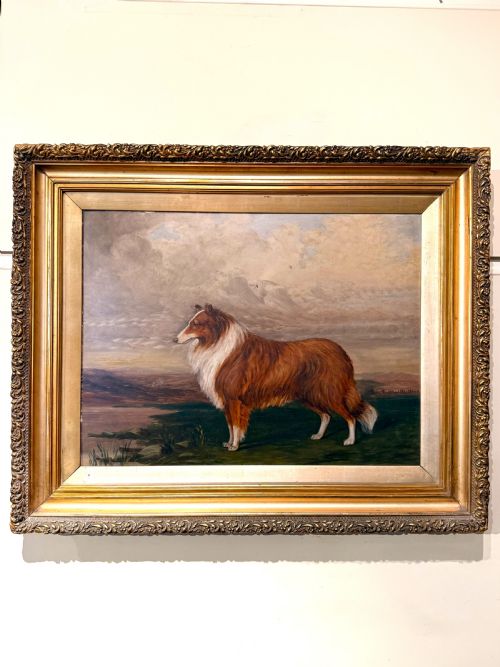
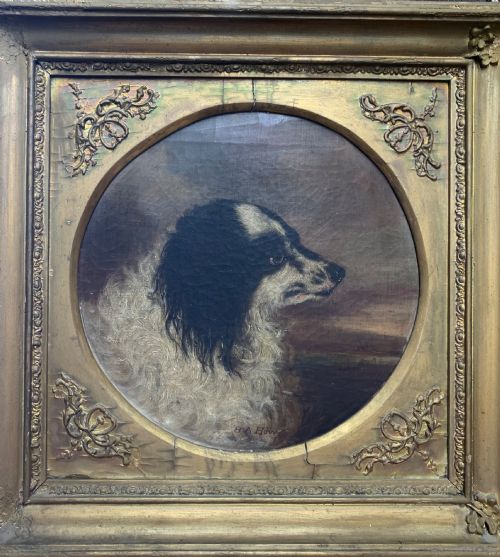
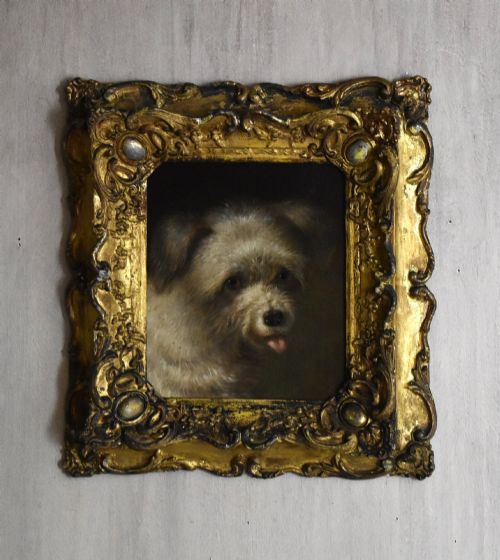
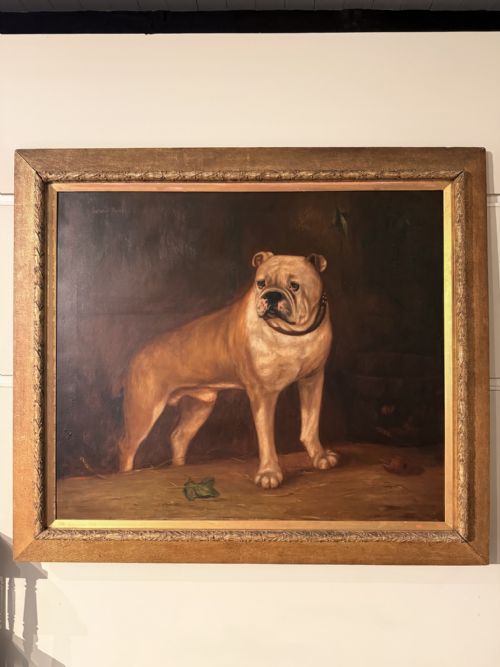
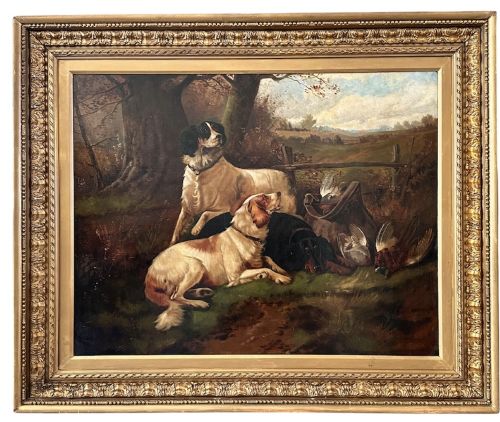
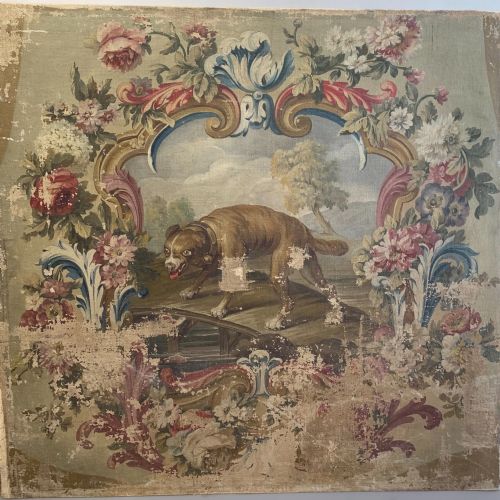
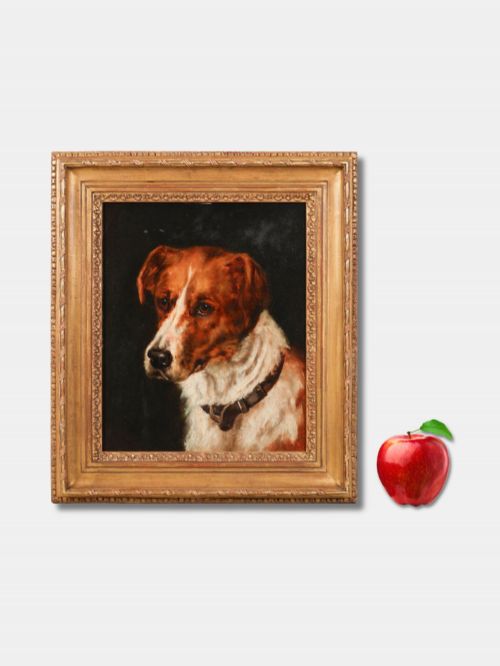
When you search for 19th century canine art, you encounter oil paintings, framed prints, and fine art pieces spanning the Victorian era. Terriers, rough collies, and working dogs dominate the subjects, often shown in gardens, guarding spaces, or engaging in spirited scenes.
Most items on this page date securely to the 19th century, including specific years like eighteen ninety and the mid Victorian decades. These works range from intimate studies of individual animals to framed engravings and paired oil paintings on board.
The aesthetic reflects nineteenth century British sporting and fine art traditions. Artists placed dogs firmly at the centre of the canvas, treating working terriers and collies with the same seriousness as human portrait sitters.
Materials and construction
The physical objects rely on oil paint applied to canvas or board support structures. Artists utilised traditional pigments to build up rich textures, particularly in rendering the rough coats of terriers and collies.
Framing forms an integral part of these survivals, featuring wood frames enhanced with gold leaf, gilt, and gilded moulding. These ornate surrounds complement the oil paintings and framed prints they enclose.
Retail Price Guide 2026
Typical UK retail prices for 19th century canine art, calculated from the Sellingantiques database of over a million retail prices indexed since 2003. This retail price guide relies exclusively on Sellingantiques data; no external sources or auction records are used, so the figures do not describe the wider market.
Listings feature oil on canvas, wood, and giltwood from the nineteenth century.
Distinctions in quality
Quality rests upon the anatomical precision of the dog and the expressive handling of the brushwork. Works associated with named circles or established practitioners demonstrate superior confidence in capturing movement and canine expression.
The presentation within original or period-appropriate giltwood and gold leaf frames elevates the piece. Superior mouldings enhance the visual weight of the artwork without overshadowing the painted subject.
Sir Edwin Landseer·George Earl·John Emms
The 19th Century Canine Art Glossary
- Oil on Canvas
- A traditional painting medium where oil paint is applied across a stretched woven fabric support. This technique allows for subtle blending and rich texture in animal coats.
- Giltwood
- Timber carved and surfaced with a thin layer of gold leaf or metallic powder. It provides a bright, reflective border for Victorian paintings.
- Framed Print
- An inked impression on paper placed behind glass within a protective border and frame. These offer accessible representations of period canine subjects.
- Sporting Art
- A genre dedicated to animals, hunting, and rural pursuits. Canine paintings within this category celebrate working dogs and pets of the era.
Frequently Asked Questions
What subjects appear most often?
Terriers and rough collies feature prominently across these nineteenth century works. Artists frequently depicted them in gardens, working environments, or guarding spaces.
These compositions reflect the Victorian appreciation for canine loyalty and working utility.
How should I frame these pieces?
Many arrive in their original or period-appropriate giltwood and gold leaf frames. Preserving these surrounds maintains the historical integrity of the artwork.
Ensure placement avoids direct sunlight to protect the oil paint and gilded moulding.
Are these works signed?
Some pieces carry attribution to known artists or their circles, while others remain unsigned. Unsigned paired oils on board are equally representative of the period.
Subject matter and brush technique remain the primary indicators of origin.