


Antique Animal Painting
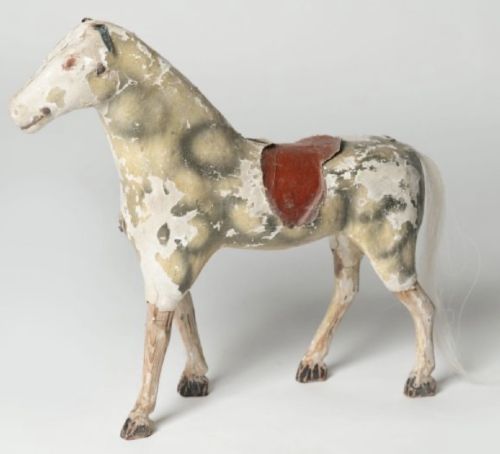
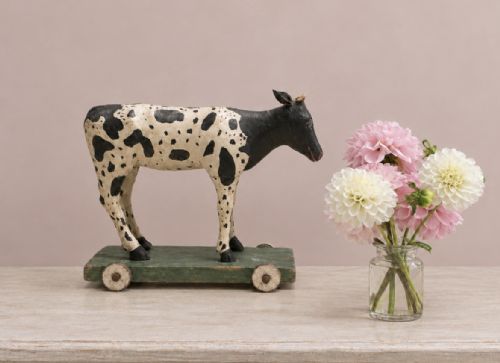
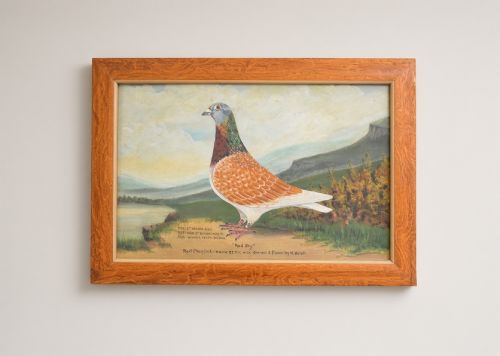
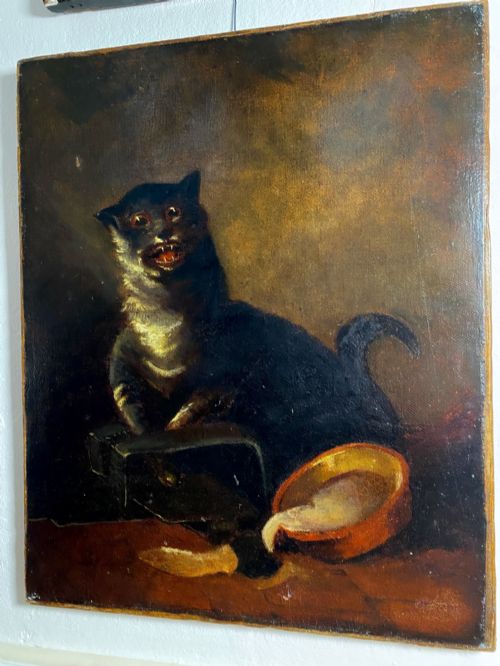
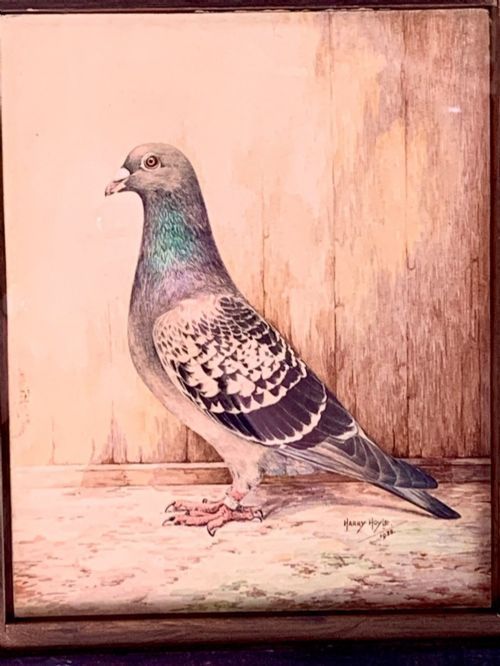
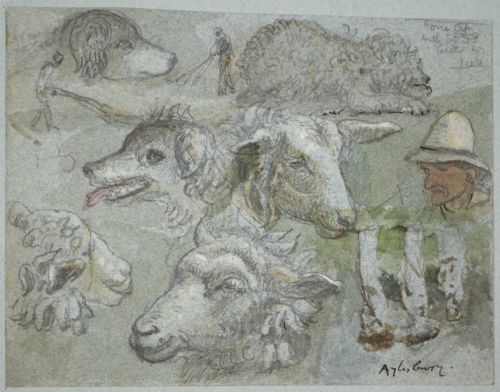
An antique animal painting captures domestic pets, farm livestock and wild creatures in oils, watercolours and pastels.
Antique Animal Painting
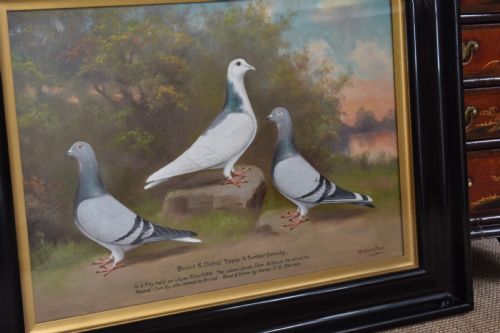
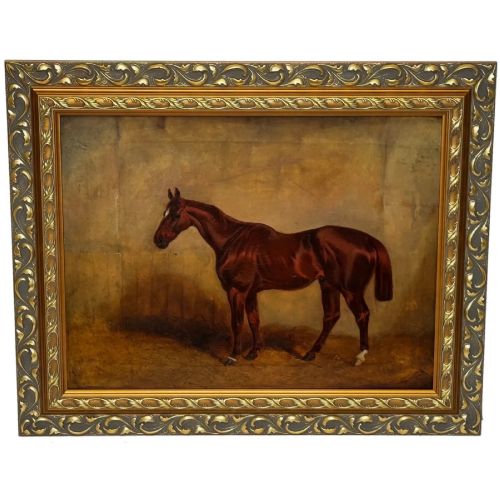
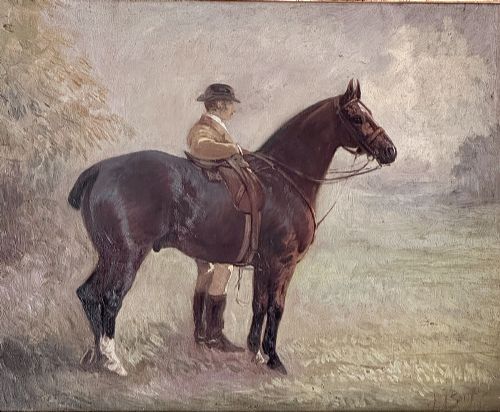
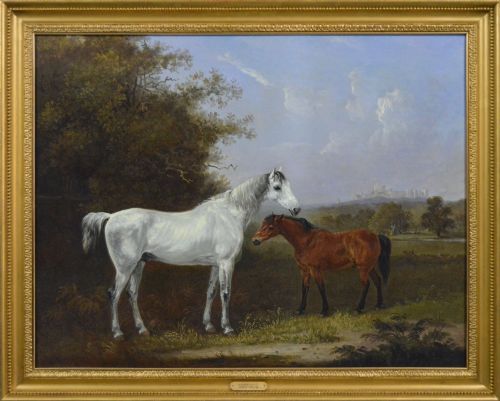
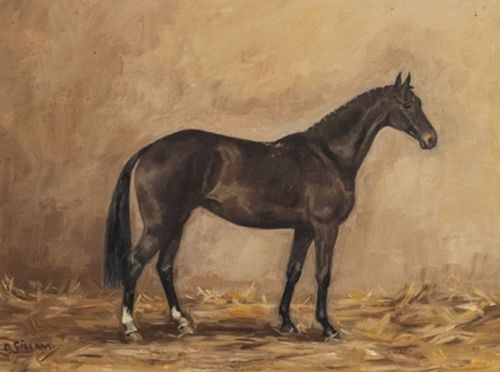
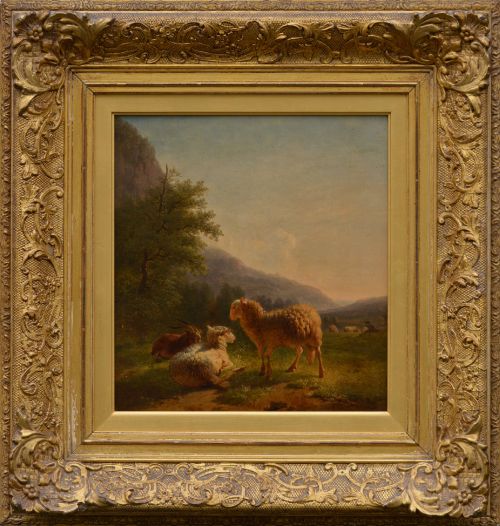
When you search for an antique animal painting, you encounter canvases and paper works depicting dogs, horses, birds and livestock across the nineteenth century and earlier periods. These portrayals range from formal equine portraits and sporting art to naive studies and pastoral scenes with cattle or sheep.
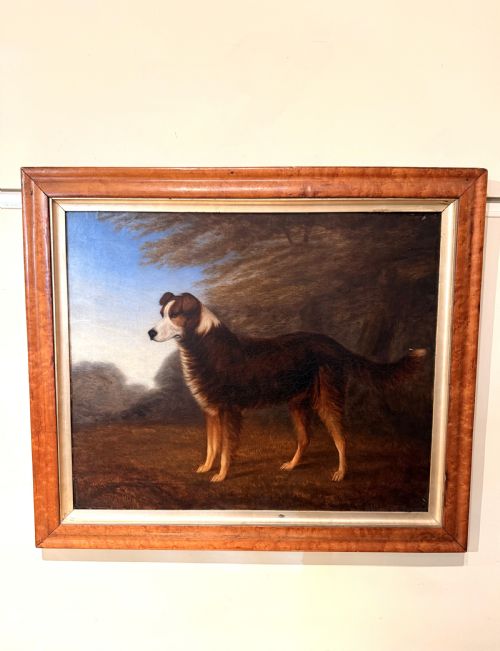
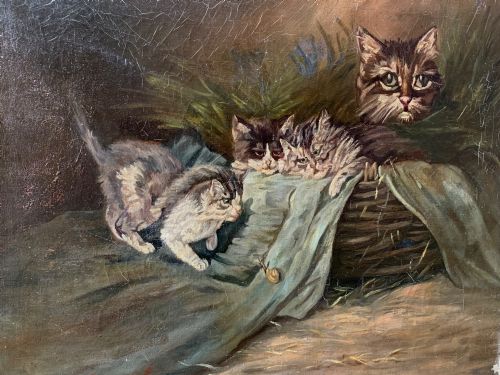
The versions you meet most frequently on this page belong to the Victorian era, executed in oil paint on canvas or board. They span British and European schools, showing farm animals in landscapes alongside gun dogs and domestic pets.
How they were made
Artists painted primarily with oil paint on stretched canvas or wooden panels, applying layers of pigment to build depth in fur, feathers and landscape backgrounds. Watercolour and pastel on paper appear less frequently for lighter, detailed studies.
Frames utilised carved wood, gesso and gilt finishes to present the finished artworks, matching the interior tastes of the eighteenth, nineteenth and early twentieth centuries.
Antique Animal Painting Retail Price Guide 2026
Typical asking prices for animal painting among the pieces listed under this phrase on Sellingantiques today, from the lower quarter to the upper quarter. They describe what is for sale here now, not the wider market.
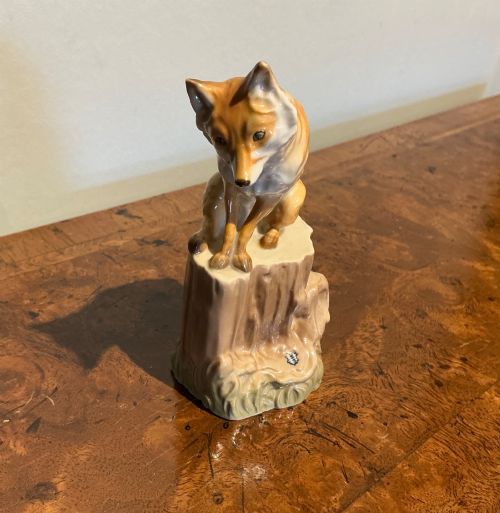
Listings feature works in oil on canvas, watercolour, pastel, bronze, porcelain and carved wood across the nineteenth and early twentieth centuries.
What varies in quality
Anatomy and proportion separate standard decorative works from superior examples, as skilled painters captured the precise muscle structure and characteristic expressions of different species. The handling of light across coats and feathers dictates the visual success of the composition.
The integration of the animal subject within its background landscape distinguishes master works from formulaic studio pieces, showing deliberate balance between creature and setting.
George Armfield·Eugène Verboeckhoven·Franz Bergman·Hendrik Willem Schweickhardt·Albert Clark·Martin Theodore Ward·George Augustus Holmes·Edgar Hunt·Robert Watson·Sir Edwin Henry Landseer·William Watson Jnr·Fred Fitzpatrick
The Antique Animal Painting Glossary
- Canvas
- A heavy woven fabric stretched across a wooden frame to serve as a support for oil paintings. It provides a textured surface that holds layered pigments securely over centuries.
- Gesso
- A plaster mixture applied to wood panels or frames to create a smooth, absorbent base for gilding and paint. It hardens into a durable surface prone to fine cracking with age.
- Naive school
- Art produced by self-taught painters working outside academic traditions. These pieces prioritise direct observation and character over strict perspective and anatomical rules.
- Sporting art
- Depictions of hunting, racing, shooting and prized livestock commissioned by landowners and sportsmen. These works record specific animals, bloodlines and field sports of the period.
Antique Animal Painting: Frequently Asked Questions
How do I date an antique animal painting?
Examine the canvas weave, stretcher frames and the composition style alongside any visible signatures or dates inscribed by the artist. Pigment analysis and framing materials also offer reliable chronological clues.
Compare the clothing styles of human figures or architectural elements in the background with known periods to narrow down the decade of creation.
Were these paintings made as portraits?
Many works depict specific prize bulls, racehorses or favoured hunting dogs commissioned by wealthy owners to record prized possessions. Other pieces function as genre scenes or pastoral landscapes where animals populate the countryside.
Artists frequently painted family pets with individual names recorded on the reverse of the canvas or within the frame inscription.
How should I care for an oil painting?
Keep canvases away from direct sunlight and dramatic shifts in temperature and humidity to prevent cracking in the paint and warping of the wooden stretcher bars. Avoid touching the painted surface directly.
Dust the frame and canvas gently with a soft, dry brush without applying pressure or liquid cleaners that might damage the aged varnish layer.
What is the difference between naive and academic animal art?
Academic painters trained in formal academies, mastering human and animal anatomy, perspective and sophisticated lighting techniques. Their work prioritises realistic proportion and anatomical accuracy.
Naive works emerge from self-taught creators who embraced flat perspectives and charming proportions, focusing on character and direct storytelling rather than strict realism.