


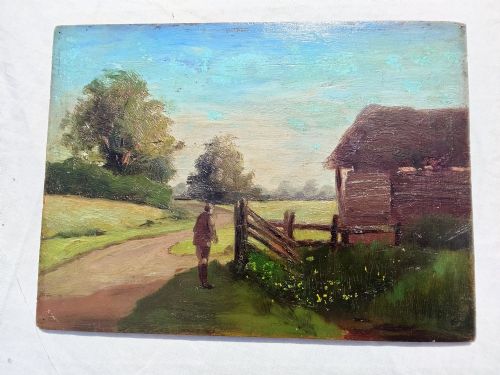
British Pastoral Art
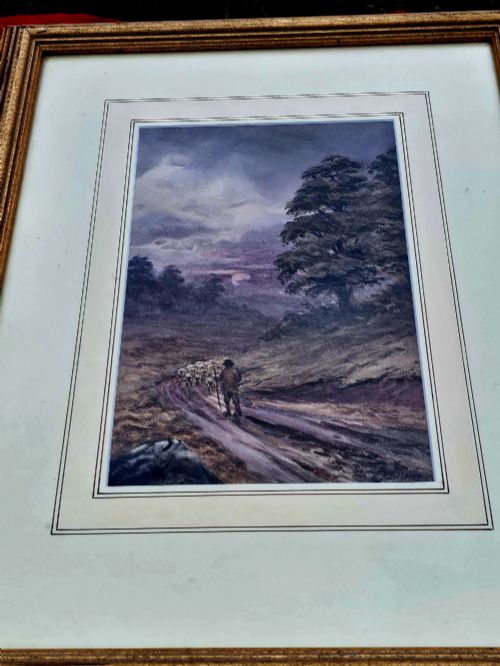
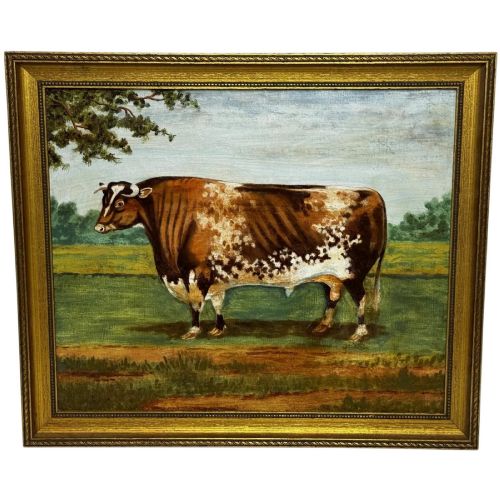
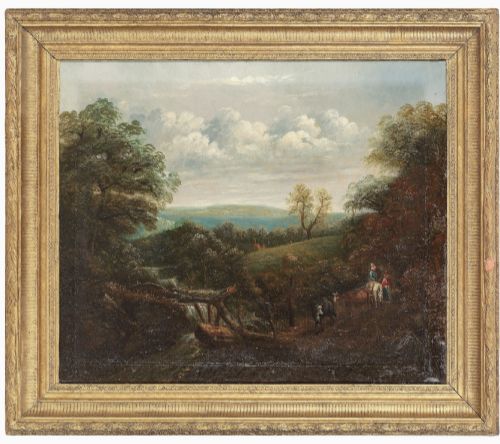
British pastoral art captures the quiet rhythms of the countryside through rural landscapes, livestock, and river scenes.
British Pastoral Art
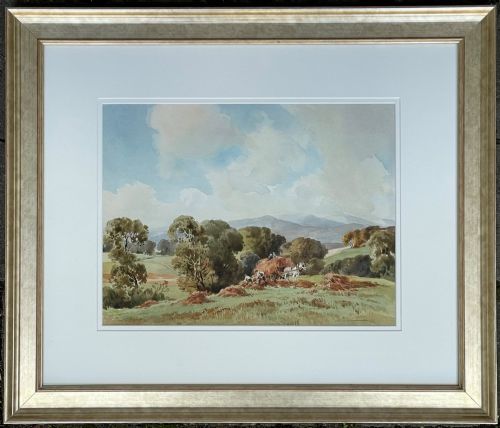
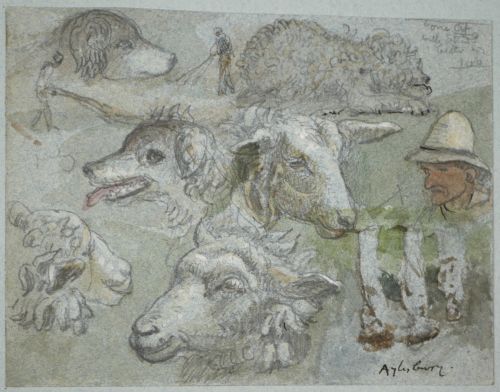
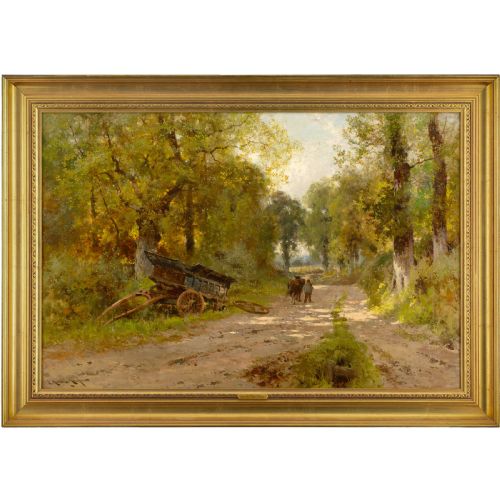
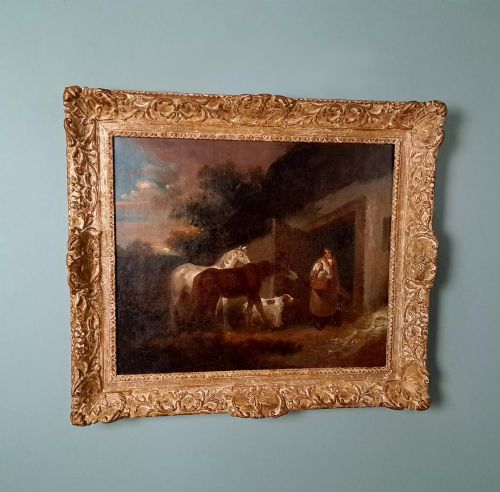
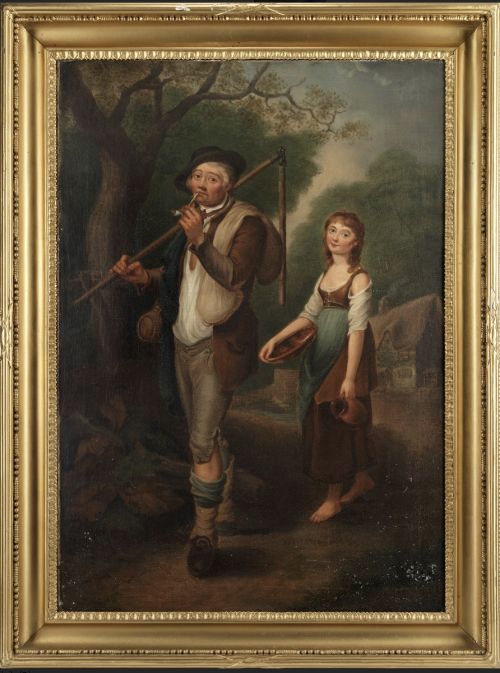
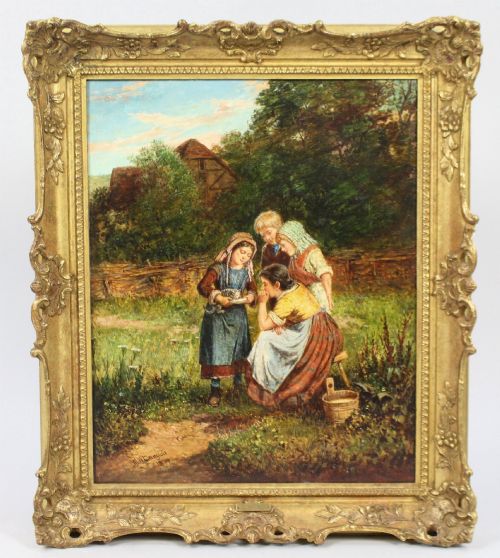
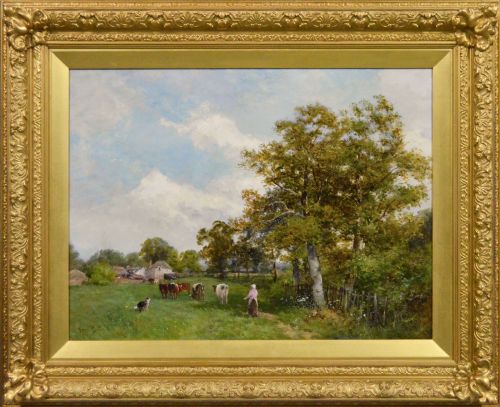
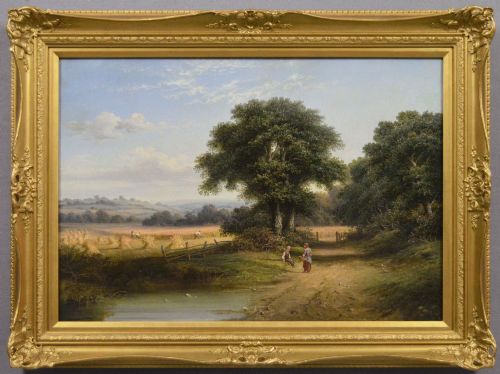
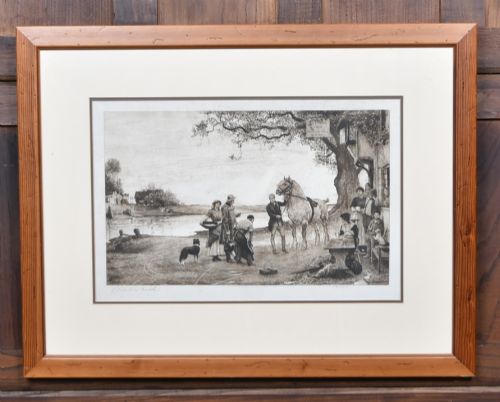
These works depict the rural scenery, agricultural life, and countryside views of Britain across the nineteenth and early twentieth centuries. When searching for British pastoral art, collectors encounter framed oil paintings, watercolours, and drawings that celebrate rural existence.
The pieces on this page heavily feature Victorian and Edwardian portrayals of shepherds, cattle, harvesting, and riverbanks. Artists of the English and Scottish schools recorded these tranquil agrarian subjects before modern industrialisation altered the landscape entirely.
Compositions range from intimate watercolours on paper to substantial oil paintings on canvas and wood panels. Each item presents a glimpse into a vanished rural epoch framed through the artistic conventions of its specific decade.
Materials and Techniques
Painters relied primarily upon oil paint applied to stretched canvas, wooden boards, or wooden panels to build rich, textured surfaces. Watercolour on paper served as a favoured medium for lighter, more luminous atmospheric effects, occasionally supplemented by ink or pencil in preparatory drawings.
Pigments were worked with brushes of varying rigidity to capture the softness of foliage, the texture of animal coats, and the reflective quality of water. Many surviving examples retain their period wooden frames, which protect the edges of the canvas and paper from environmental wear.
British Pastoral Art Retail Price Guide 2026
Typical asking prices for british pastoral art among the pieces listed under this phrase on Sellingantiques today, from the lower quarter to the upper quarter. They describe what is for sale here now, not the wider market.
Listings span multiple mediums, encompassing oil on canvas, delicate watercolours on paper, and wood panel paintings from the nineteenth and twentieth centuries.
Assessing Artistic Merit
Quality rests upon the artist's command of light, shadow, and natural proportion within the composition. Superior works demonstrate careful observation in the rendering of livestock anatomy, atmospheric depth, and tonal harmony across the landscape.
Lesser examples can feel formulaic or heavy-handed in brushwork, lacking the atmospheric nuance that distinguishes accomplished practitioners. The clarity of the narrative - whether depicting a harvest field or a riverbank - also dictates the visual impact of the piece.
William H Myers·Tom Campbell·Percy Lancaster·James Smetham·John Horace Hooper·William Joseph Shayer Senior·EJ Letheren·Thomas Barker of Bath·Mark William Langlois·David Bates·Walter Heath Williams·Robert W Macbeth·Lucy Pratt·Richard Redgrave·Ernest Higgins Rigg·George Oyston·Frederick James Kerr·Russell Sidney Reeves·T C Hofland·Henry H Parker·Charles Edward Wilson·Frederick Hines·John Emms·A M Gauci·Owen Bowen
The British Pastoral Art Glossary
- Oil on canvas
- A painting technique where pigmented oil is applied to woven fabric stretched across a wooden frame. This method allows for rich blending and deep surface texture.
- Watercolour
- A painting method where fine pigment is suspended in a water-soluble binder on paper. It creates transparent washes of colour that rely on the white of the paper for luminosity.
- British School
- A loose collective term for artists working within Britain who shared stylistic traditions and academic training. It groups regional painters under a unified national artistic heritage.
- Wood panel
- A rigid wooden support used instead of canvas for early paintings. Artists valued its smooth, stable surface for detailed brushwork.
- Woodcut
- A relief printing technique where an image is carved into a block of wood. The raised areas are inked and transferred to paper.
British Pastoral Art: Frequently Asked Questions
What subjects appear in pastoral art?
These works focus primarily on rural scenery, agricultural labour, and domestic animals within the British countryside. Common motifs include herds of cattle, sheep grazing, harvesting scenes, and quiet riverbanks.
Artists aimed to preserve the tranquillity of rural life, depicting figures interacting naturally with their environment. The resulting compositions reflect the seasonal changes and traditional occupations of the British landscape.
How do I care for antique watercolours?
Watercolour paintings on paper require careful protection from direct sunlight to prevent the pigments from fading. Framing under glass with acid-free mounts ensures the paper remains stable over time.
Keep these pieces away from areas of high humidity, such as kitchens or damp walls, to avoid foxing and mould growth. Stable indoor temperatures preserve the integrity of both the paper and the original frame.
How do I identify a Victorian oil painting?
Victorian oil paintings often feature narrative rural scenes, heavy gilt frames, and detailed naturalism. Examining the stretcher bars, canvas weave, and any inscriptions on the reverse helps determine the period.
Stylistic markers include romanticised views of agricultural labour, careful attention to animal anatomy, and subdued earthy palettes. Signatures or dates inscribed by the artist provide further confirmation of the era.
Where should I hang a pastoral landscape?
These works suit traditional living spaces, studies, or hallways where natural light complements the earthy tones of the palette. Pairing a framed oil painting with neutral wall colours allows the depth of the landscape to stand out.
Position the artwork at eye level and away from direct heat sources like radiators. Adequate spacing from other wall hangings ensures the composition commands proper attention.