



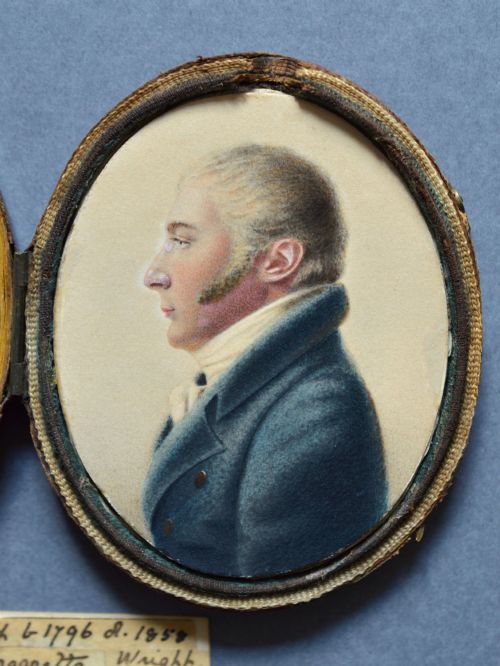
Framed Paper Watercolour
Framed paper watercolour works bring together pigment, support and glazing to capture scenes across centuries.
Framed Paper Watercolour
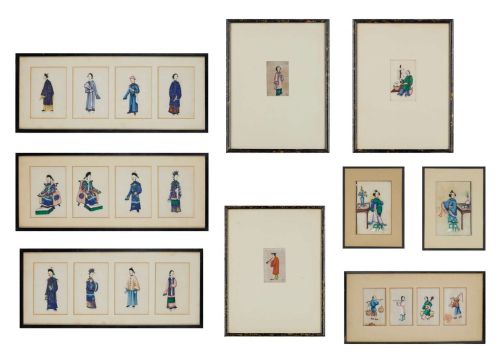
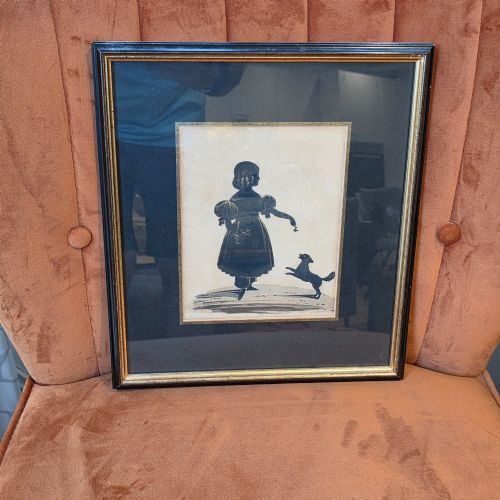
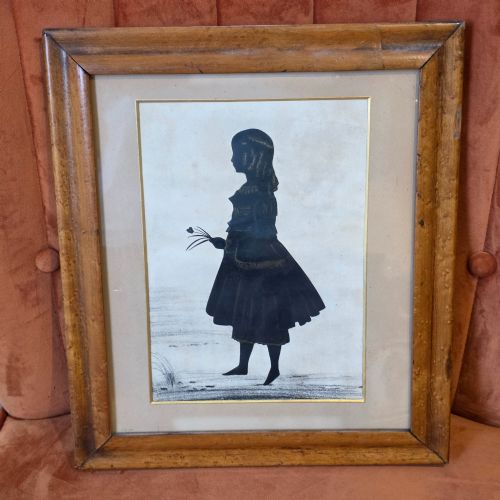
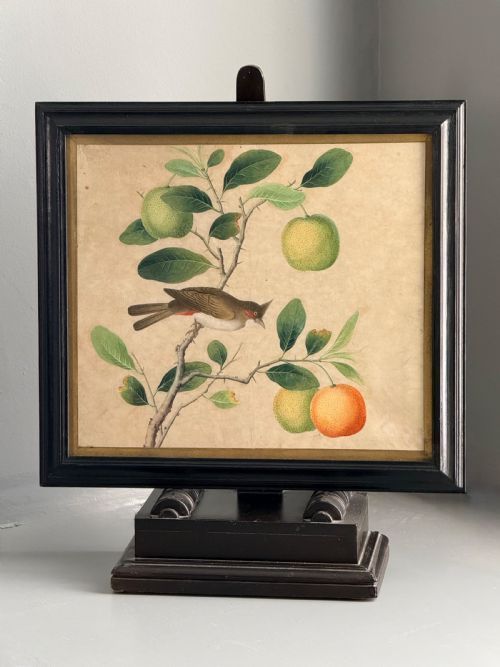
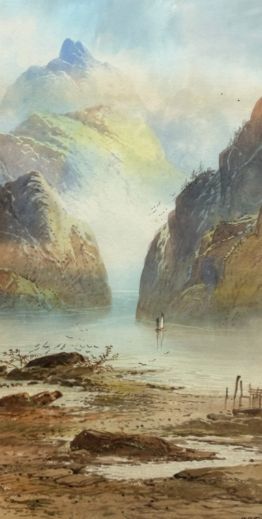
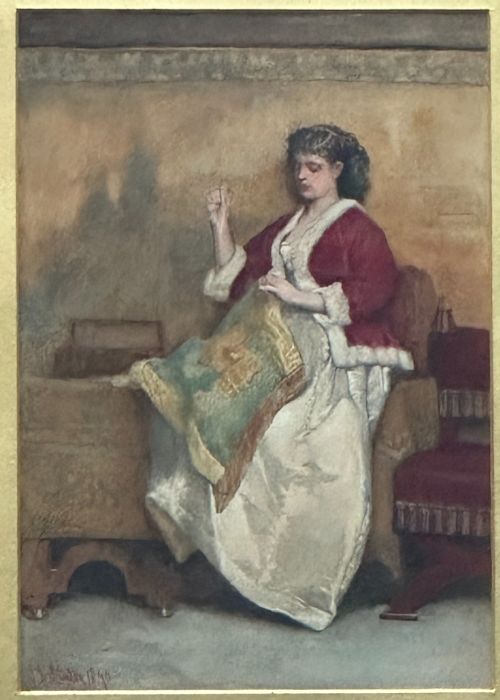
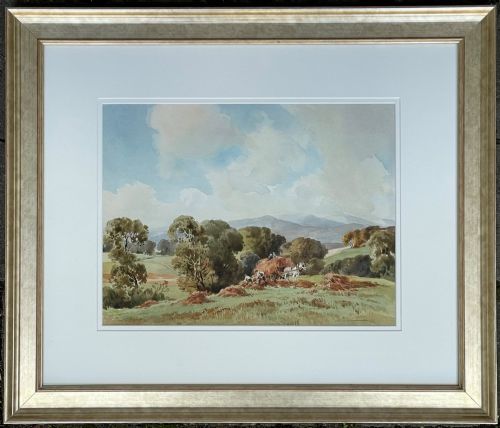
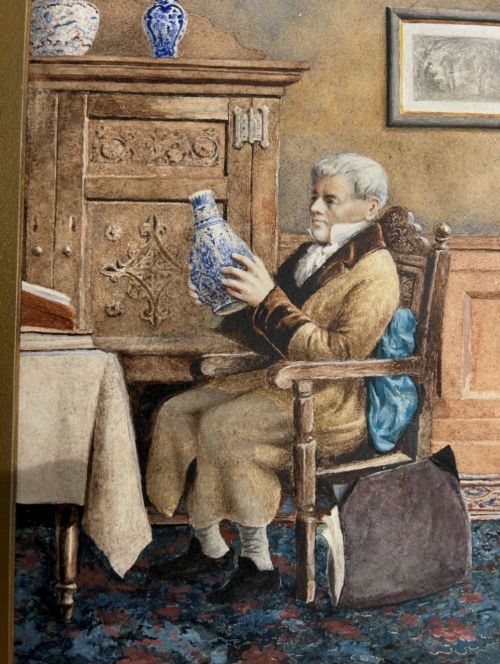
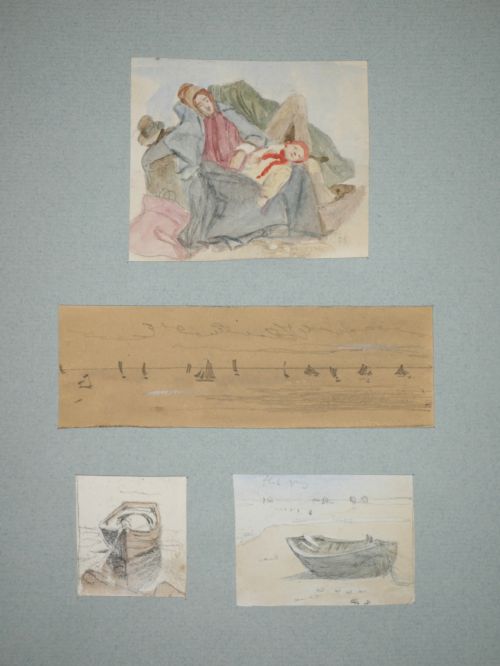
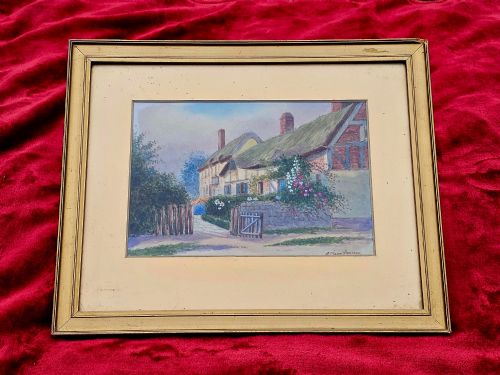
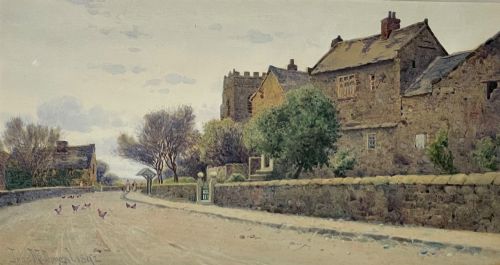
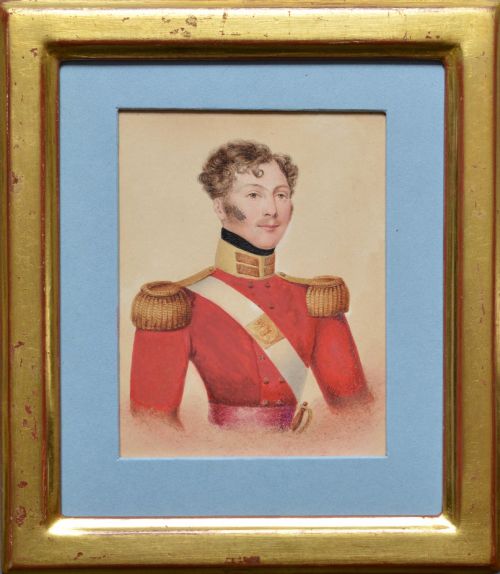
A framed paper watercolour encompasses painted compositions on paper supports, preserved behind glass and held within wood or papier-mâché frames. Buyers searching for framed paper watercolour find pieces ranging from 18th-century gouache studies on pith paper to mid-20th-century British landscapes and maritime scenes.
The material surface carries water-soluble pigments, sometimes augmented with bodycolour, ink or gold leaf. Works span portraiture, topographical views, maritime subjects and genre scenes executed by named artists and anonymous hands alike.
Materials and construction
Watercolour pigments and gouache are applied to paper or pith supports using brushes, occasionally combined with ink lines or wash techniques. The resulting works are secured on backing boards, set behind protective glass panes and enclosed in timber or ebonised frames to shield the delicate paper surface from atmospheric moisture.
Support materials vary from standard rag paper to delicate plant-based pith paper, while frames utilise traditional joinery and mouldings suited to the period of creation, from Regency profiles to mid-century moulding.
Framed Paper Watercolour Retail Price Guide 2026
Typical asking prices for framed paper watercolour among the pieces listed under this phrase on Sellingantiques today, from the lower quarter to the upper quarter. They describe what is for sale here now, not the wider market.
Several works capture detailed scenes of geese, game birds and fish caught by observant Victorian eyes.
Distinctions in quality
Quality rests upon the handling of pigment, the preservation of the paper support and the integrity of the framing context. Finer examples display confident brushwork, stable colour retention and minimal acidification of the paper sheet.
The sophistication of the composition and the preservation of original glazing and framing elements distinguish works of higher artistic ambition from standard decorative output.
William James Hubard·James Orrock·William Henry Earp·Sir James Dromgole Linton·Thomas Ellison·Percy Lancaster·Henry Stacy Marks·James Smetham·A Marie Parsons·John McDougal·Thomas John Horsley·Robert Leslie Howey·William Joseph Boyes·Frank Watson Wood·Henry Silkstone Hopwood·Muriel Metcalfe·Fred Lawson·Frank William Scarbrough·John Smith Atherton·Th Thibault·Joseph H Barnes·Thomas Maidment·George Rankin·Henry de Waroquier
The Framed Paper Watercolour Glossary
- Gouache
- An opaque water-based paint that includes white pigment to create a heavier, solid finish on paper. It often appears alongside transparent watercolour in 19th-century works.
- Pith paper
- A delicate material cut from the pith of the Tetrapanax papyrifer plant, commonly used in 19th-century Chinese export paintings. It has a velvety texture that absorbs water-based pigments readily.
- Wash
- A thin, transparent layer of diluted watercolour pigment spread evenly across the paper to create skies, water or shadow effects. It forms the atmospheric background of many topographical scenes.
- Bodycolour
- Watercolour mixed with a dense white preparation to increase opacity and highlight specific areas of a composition. It provides contrast against transparent washes.
Framed Paper Watercolour: Frequently Asked Questions
What is framed paper watercolour?
It is a category of artworks created with water-soluble media on paper supports, preserved beneath glass within protective frames.
These pieces include landscapes, portraits and maritime studies dating from the 18th century through the mid-20th century.
How should I hang watercolour art?
Watercolour paintings require placement away from direct sunlight to prevent the fading of delicate pigments and paper degradation.
Maintaining stable indoor humidity levels also protects the paper support and prevents the frame timber from warping.
What is pith paper?
Pith paper is a fragile, velvety plant-based medium utilised predominantly in 19th-century Chinese export paintings.
It accepts gouache and watercolour pigments with intense colour saturation, though it demands careful handling behind glass.
How do I identify the period?
Dating relies on stylistic clues within the clothing, architecture and subject matter, alongside the construction style of the frame.
Paper types, backing materials and artist signatures or inscriptions further anchor the work within Regency, Victorian or later eras.