




British School Landscape
British school landscape paintings capture centuries of rural and coastal scenery through oil, canvas, and watercolour.
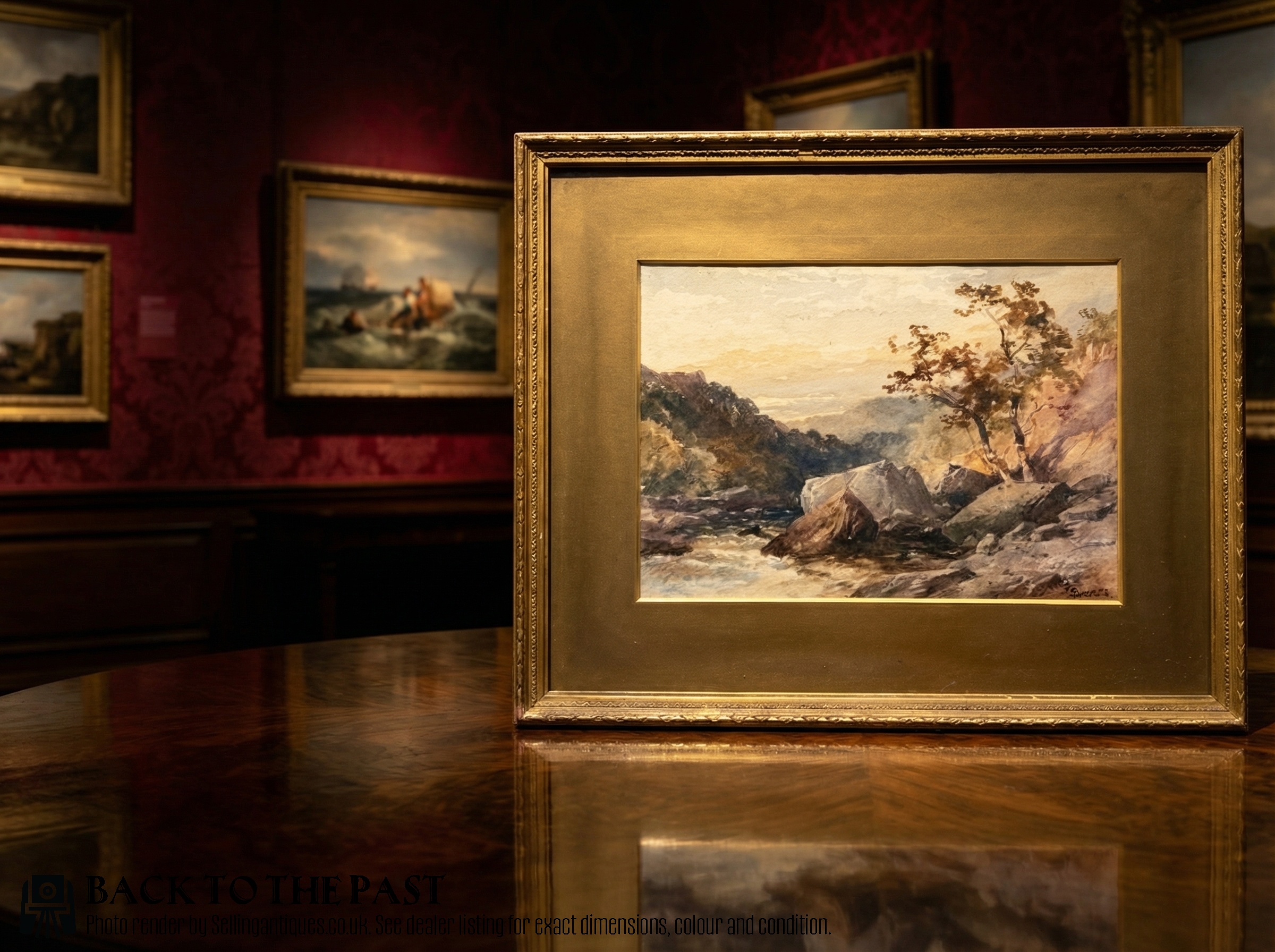
British School Landscape
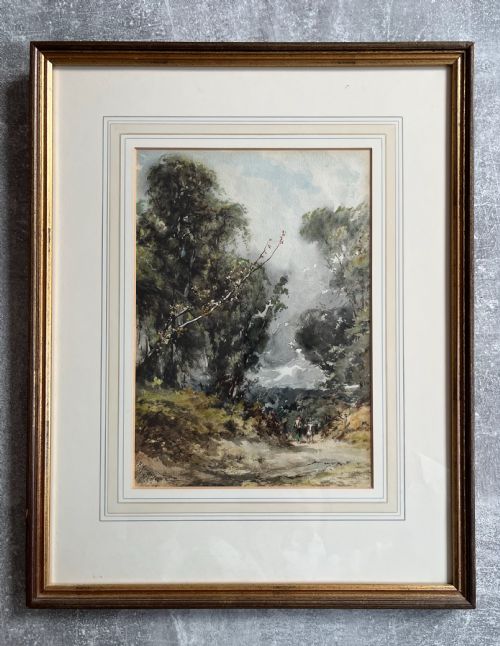
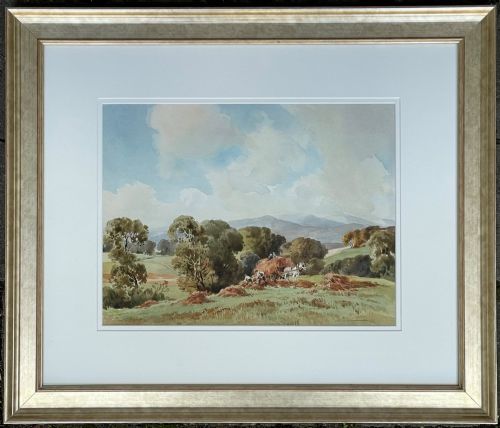
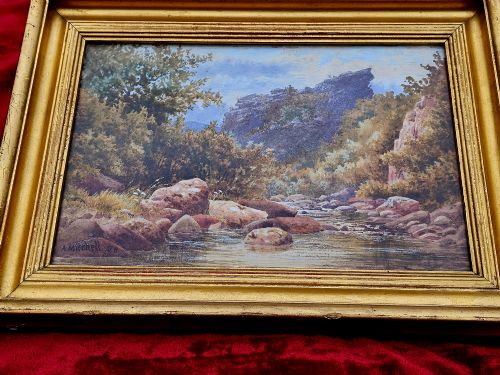
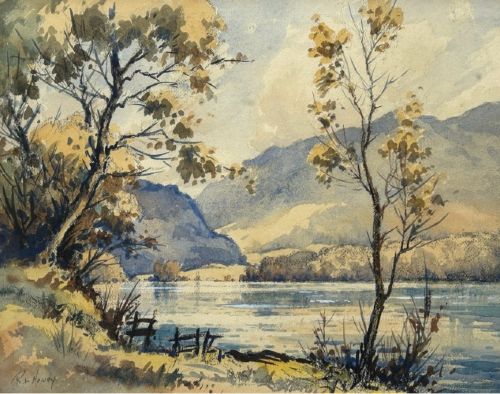
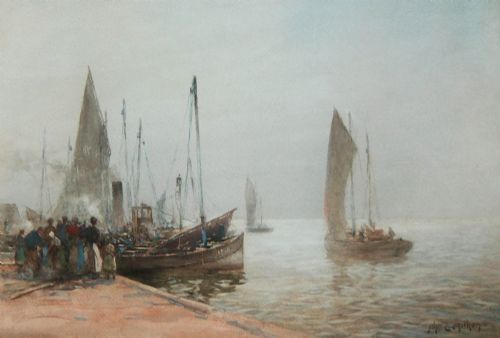
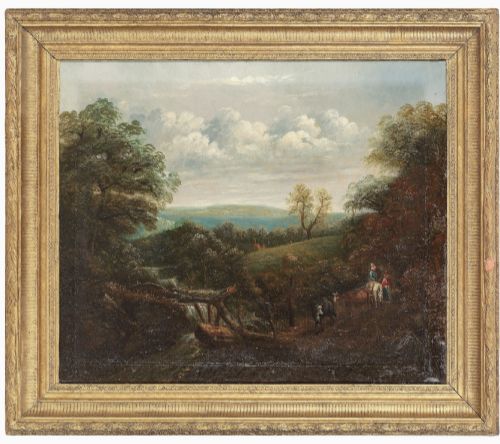
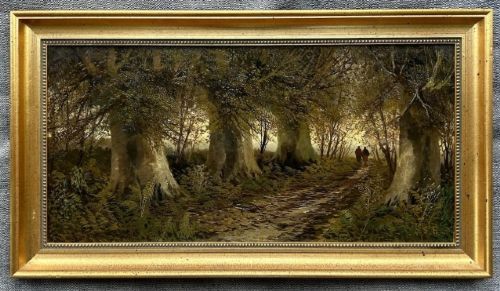
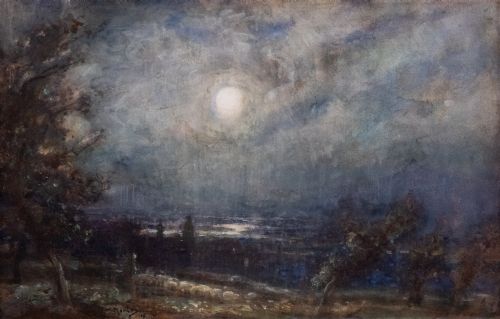
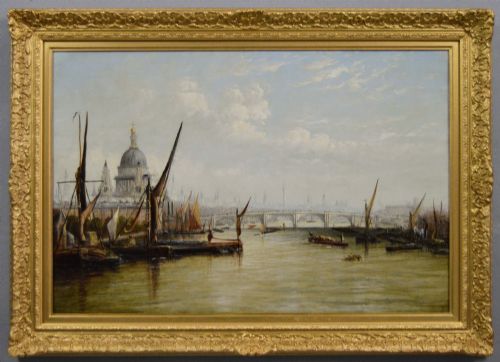
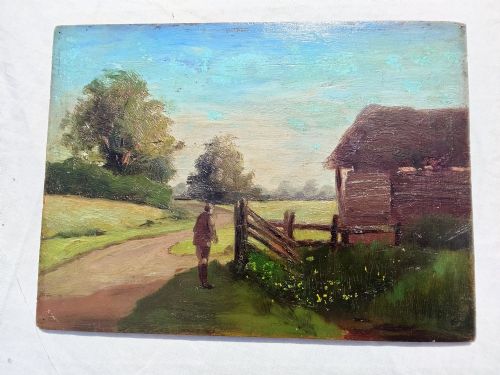
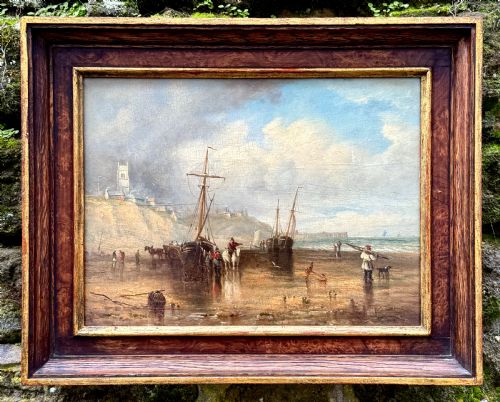
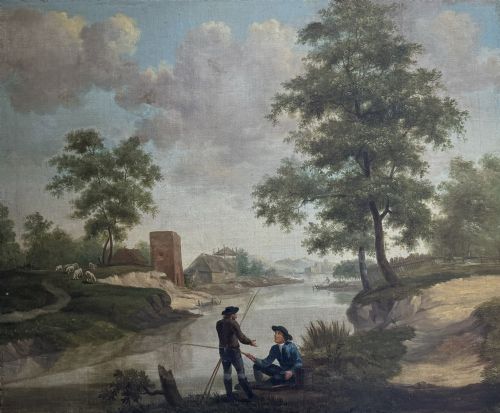
A British school landscape records the changing topography, rural life, and coastal views of the British Isles through historical eras. These artworks include pastoral scenes, highland vistas, and river views produced across multiple centuries.
The selections on this page span from the eighteenth century through to the mid twentieth century. Pieces range from detailed watercolours on paper to substantial oil paintings on canvas, panel, and board.
Many works bear signatures of known regional artists, while others remain attributed to broader English, Scottish, or Norwich schools. Subjects frequently incorporate figures, livestock, cottages, and waterways within rural or industrial settings.
Materials and techniques
Painters applied oil paint or watercolour onto prepared surfaces including canvas, wood panel, board, and heavyweight paper. Wooden panels and canvas provided sturdy grounds for oils, whilst paper suited fluid washes of watercolour.
Artists built compositions using brushwork ranging from smooth, academic blending to textured impasto. Many works utilised natural pigments to render atmospheric effects of light, weather, and seasonal change.
British School Landscape Retail Price Guide 2026
Typical asking prices for british school landscape among the pieces listed under this phrase on Sellingantiques today, from the lower quarter to the upper quarter. They describe what is for sale here now, not the wider market.
Listings span the nineteenth and twentieth centuries, featuring oil on canvas, watercolour, and wood panel supports across various regional schools.
Evaluating quality
Quality rests upon the artist's command of light, composition, and atmospheric depth within the landscape. Finer examples demonstrate confident brushwork and a balanced arrangement of elements that guide the viewer through the scene.
Preservation of the original surface and pigment stability also separate examples. Works retaining their initial tones without excessive restoration or fading command greater regard among collectors.
George Fotherly Hargitt·Tom Campbell·Percy Lancaster·James E Aitken·Thomas William Morley·Francis Moltino·Thomas Creswick·Benjamin Barker of Bath·David Cox·Sydney Yates Johnson·John Grenville Fennell·William Frederick Settle·Joan Gillchrest·Thomas Baker of Leamington·Reginald Grange Brundrit·George Graham·Arthur Tucker·Henry John Boddington·Frank Hider·George Hilditch
The British School Landscape Glossary
- Oil on Canvas
- A painting technique utilising pigments bound in a drying oil medium applied to a stretched woven fabric support. This combination allowed artists to build rich textures and deep colour saturation.
- Watercolour
- A painting method where water-soluble pigments are suspended in a water-based solution on paper. It produces transparent washes and luminous effects.
- Wood Panel
- A rigid wooden support used instead of canvas for painting. Panels were frequently prepared with gesso before pigment was applied.
- Impasto
- Paint applied thickly to a canvas or board so that the strokes stand visibly proud of the surface. This technique adds tactile dimension and captures light dynamically.
- Norwich School
- A regional art movement of painters working in Norfolk inspired by local landscapes. It represents the first provincial art movement in Britain.
British School Landscape: Frequently Asked Questions
What defines a British school landscape?
A British school landscape is a painting or watercolour depicting scenery within the British Isles created by artists working within British artistic traditions. These works document rural, urban, and coastal environments across various historical periods.
Subjects often feature topographical accuracy combined with romantic or realistic interpretations of weather, light, and local inhabitants.
How are different periods identified?
Periods are generally identified through stylistic markers, framing methods, and artist documentation. Eighteenth and nineteenth-century works frequently display romantic or classical compositional structures.
Later twentieth-century pieces often adopt looser brushwork or modernist influences associated with movements like the Norwich or St Ives schools.
How should these paintings be displayed?
These artworks require placement away from direct sunlight and excessive moisture to protect paper and canvas supports. Appropriate framing with conservation-grade materials safeguards the physical integrity of older works.
Lighting should be subtle to prevent fading of sensitive watercolours and oil pigments over time.
What subjects are most common?
Common subjects include river valleys, mountainous terrain, coastal harbours, and pastoral farmland with livestock or figures. Industrial townscapes and rural cottages also appear frequently across nineteenth and twentieth-century examples.
Artists frequently documented specific local landmarks, historical buildings, and changing agricultural seasons.