


Antique Pastoral Scene
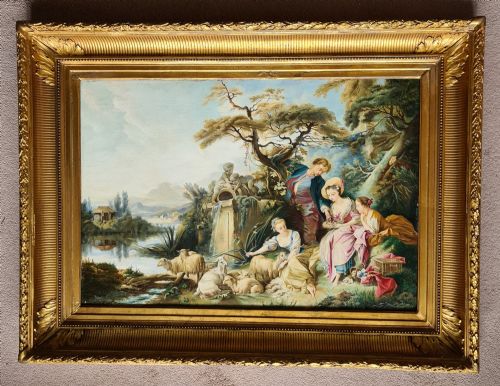
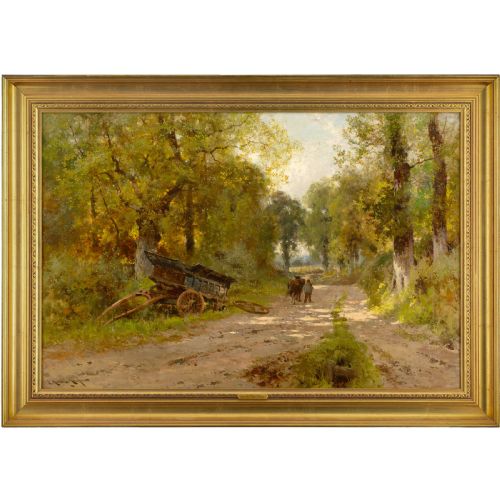
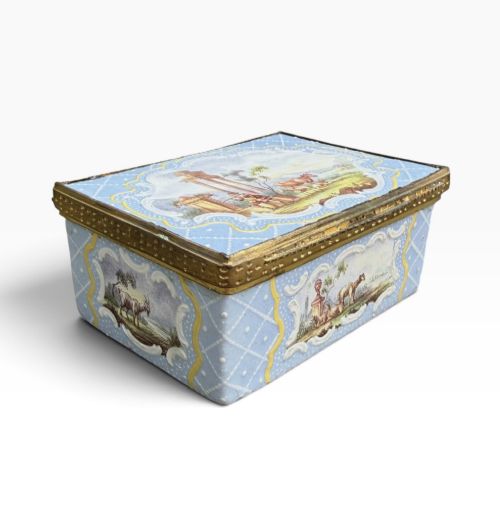
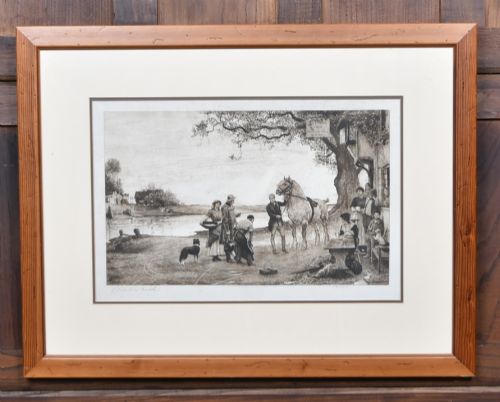
An antique pastoral scene brings a quiet rural idyll into the room, capturing herdsmen, rustic cottages and quiet riversides across oil paintings and framed prints.
Identifying an antique pastoral scene
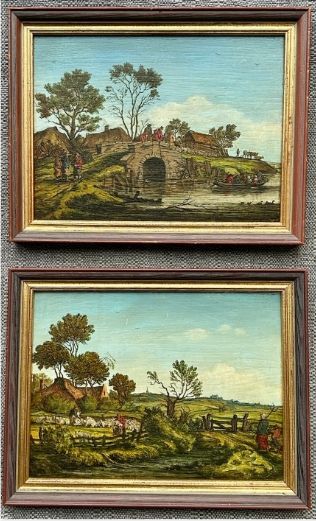
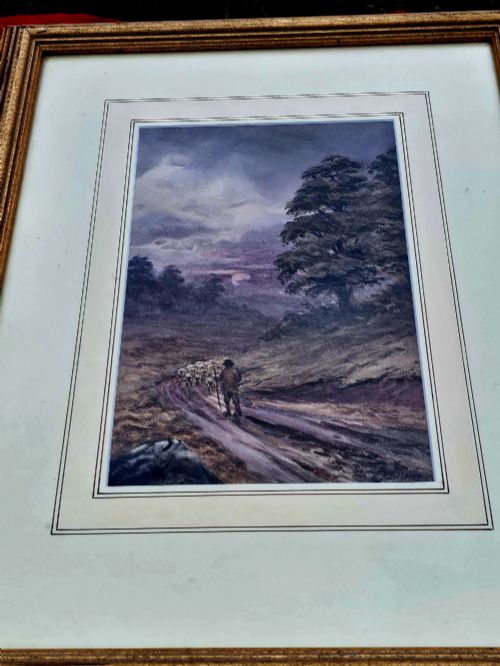
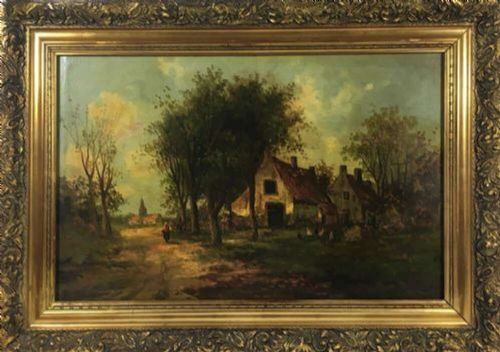
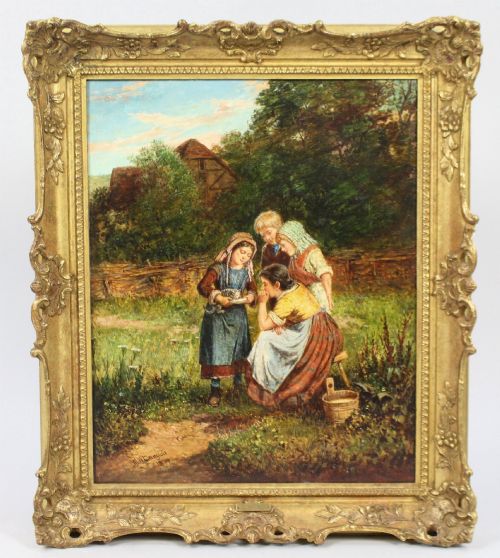
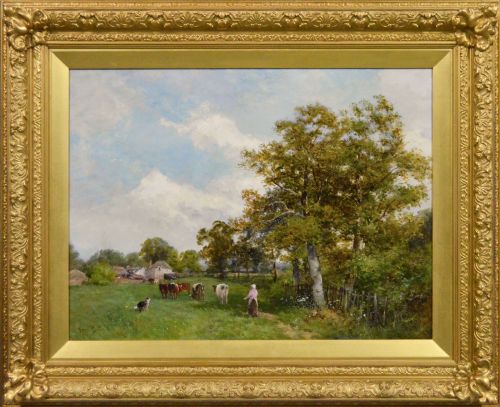
An antique pastoral scene depicts traditional country life, often featuring cattle, rivers, shepherds or farming landscapes set against distant hills and mountains. These artworks celebrate a romanticised view of rural existence, removed from the industrial expansion of their time.
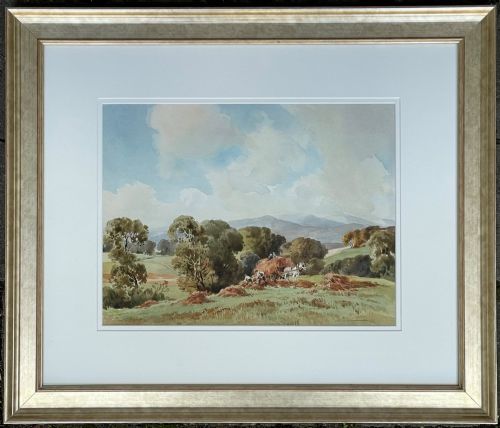
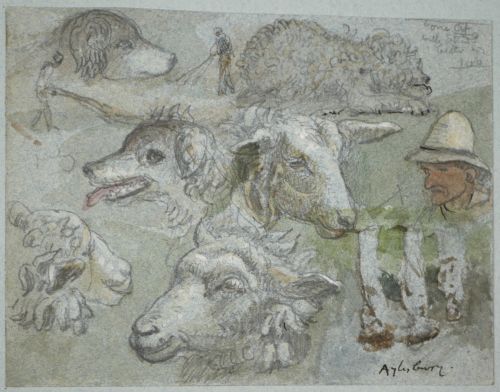
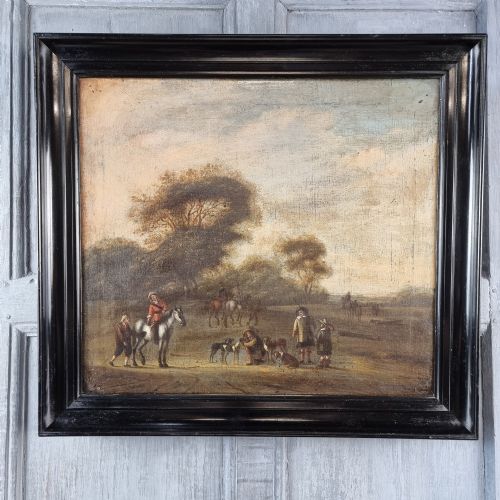
The pieces appearing on this page span from the nineteenth century into the early twentieth century. They include oil paintings on canvas and board alongside coloured mezzotints and watercolours, representing both named artists and the broader English and European schools.
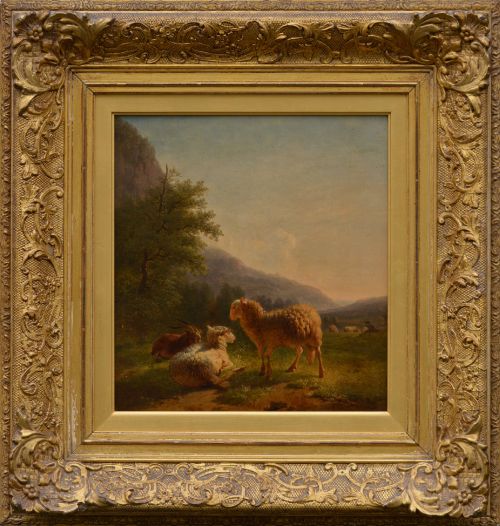
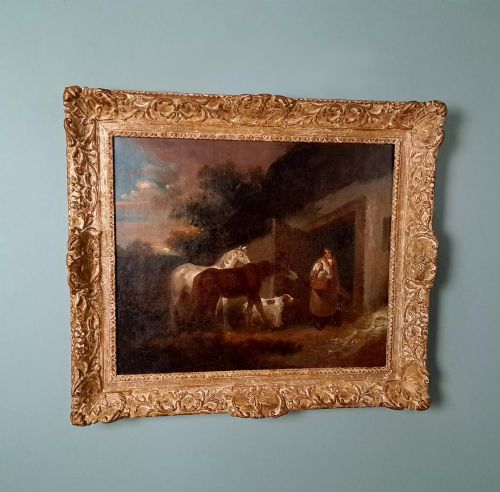
Buyers will encounter various formats, from large framed oil paintings dominated by river views and thatched cottages to smaller works focusing on animals by the water. Each piece offers a window into nineteenth-century realism and pastoral tradition.
Materials and construction
Artists worked primarily with oil paint on canvas or board, building up rich layers of colour to depict natural light, water and vegetation. Some examples utilise paper for watercolours or employ printmaking techniques such as coloured mezzotint.
Frames play a significant role in the presentation of these works, frequently constructed from wood and finished with gesso, gold leaf and giltwood. These ornate surrounds complement the traditional subject matter and protect the edges of the canvas or paper.
Retail Price Guide 2026
Typical UK retail prices for pastoral scene, calculated from the Sellingantiques database of over a million retail prices indexed since 2003. This retail price guide relies exclusively on Sellingantiques data; no external sources or auction records are used, so the figures do not describe the wider market.
Listings feature works from the nineteenth and early twentieth centuries, spanning Victorian realism and English school traditions in oil and watercolour.
Evaluating quality and execution
Quality in a pastoral scene rests on the artist's handling of light, atmosphere and perspective, particularly in the rendering of water, skies and livestock. Finer works demonstrate a confident brushwork and a balanced composition that draws the eye naturally through the landscape.
The physical condition of the canvas and the preservation of the original giltwood and gesso frame also influence the overall standard. Works that retain their original framing without excessive restoration command greater appreciation from collectors.
Giulio Cecchini·Charles Vickers·Henry Cheadle·William Sidney Cooper·Walter Heath Williams·Knud Sinding·Wilhelm Jett
The Antique Pastoral Scene Glossary
- Giltwood
- Wood carved and coated with gold leaf or a metallic substitute. This material was widely used for traditional picture frames during the nineteenth century.
- Gesso
- A plaster-like mixture applied to wooden frames as a base for gilding. It allows for intricate moulded decoration around the border.
- Mezzotint
- A printmaking process of the intaglio family where the plate is roughened to achieve tones and dark shades. It produces soft tonal gradations well suited to reproductive fine art.
- Pastoral
- Relating to the countryside or the lives of shepherds and farmers. In art, it denotes scenes of rural tranquility and agricultural labour.
- Realism
- An artistic movement focused on depicting subject matter truthfully without artificiality. In pastoral art, this translates to attentive observation of cattle, rivers and light.
Frequently Asked Questions
What subjects appear in pastoral art?
These works typically feature rural landscapes, rivers, cattle, shepherds and rustic cottages. They focus on traditional agricultural life and quiet countryside settings.
Artists often included elements like distant mountains, ponds and courting couples to enhance the romantic atmosphere of the natural view.
Are these paintings usually framed?
Most of these pieces arrive in their original or period-appropriate frames, frequently made of wood finished with giltwood and gesso. These decorative surrounds form an integral part of the overall presentation.
Buyers should examine the frame alongside the canvas, as period framing adds historical context and visual balance to the artwork.
How do I date a pastoral painting?
Dating relies on stylistic clues, framing techniques, artists' active periods and materials such as canvas or board. Nineteenth-century works often exhibit specific approaches to realism and landscape composition.
Signatures, inscriptions on the reverse and historical framing methods help narrow down the decade of creation.
Where should I hang a pastoral scene?
These traditional landscapes suit rooms designed for relaxation, such as studies, drawing rooms or dining spaces. Their natural subject matter brings warmth and a sense of calm to domestic interiors.
Avoid placing them in direct sunlight or damp areas to protect the oil paint, canvas and giltwood frames from deterioration.