




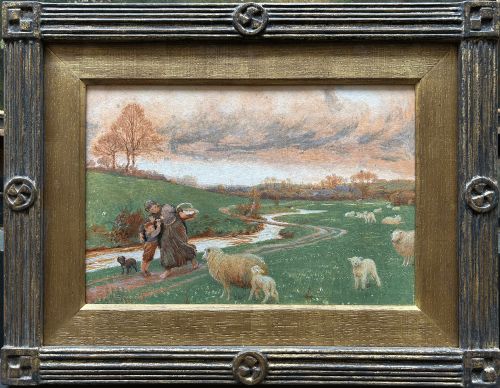
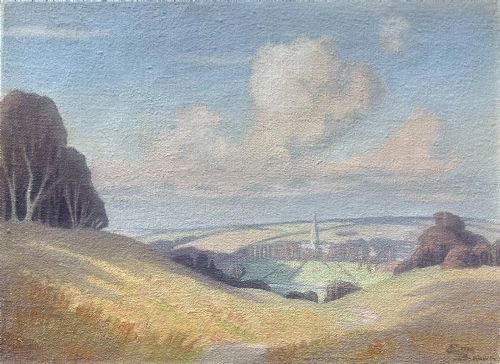
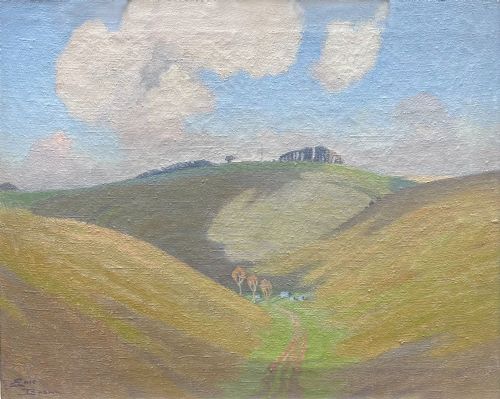
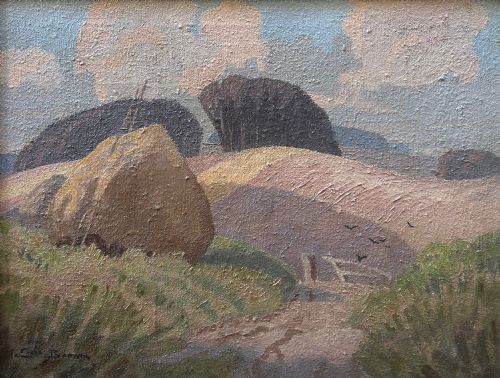
Vintage Countryside Painting
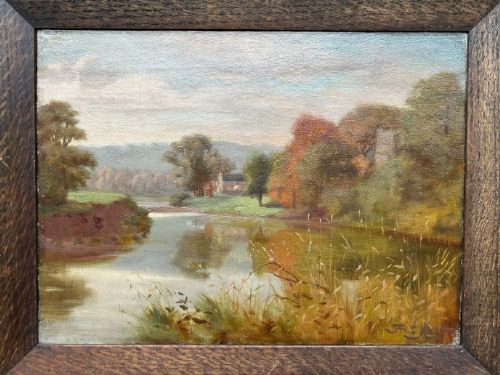
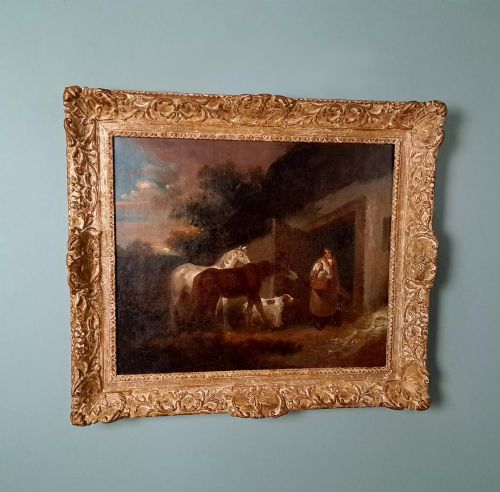
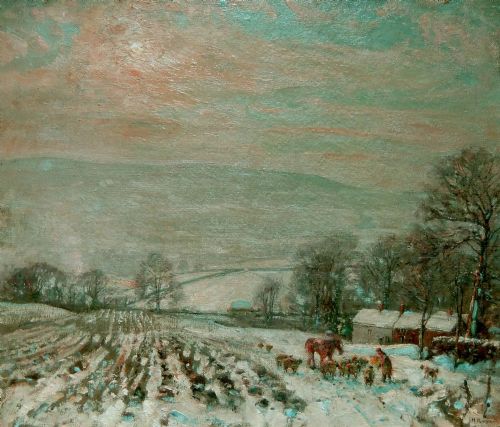
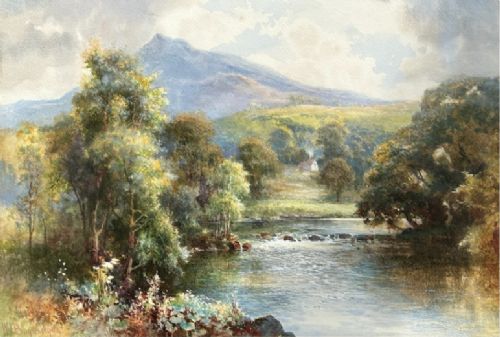
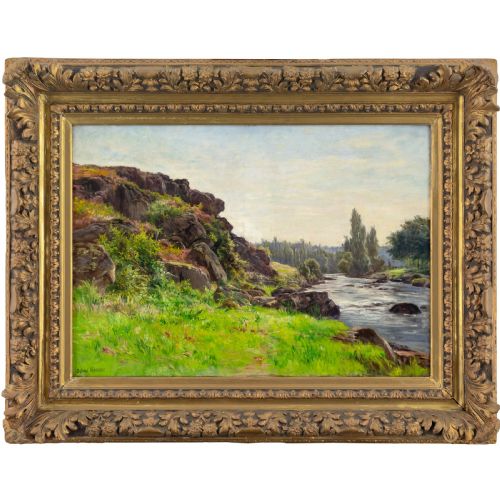
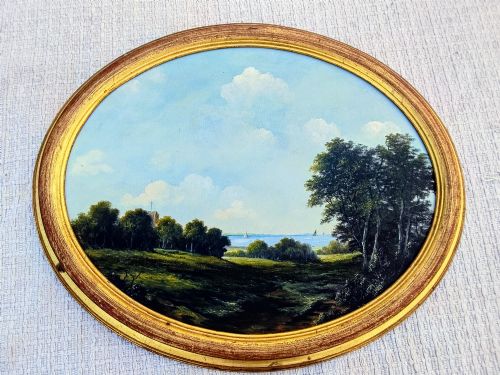
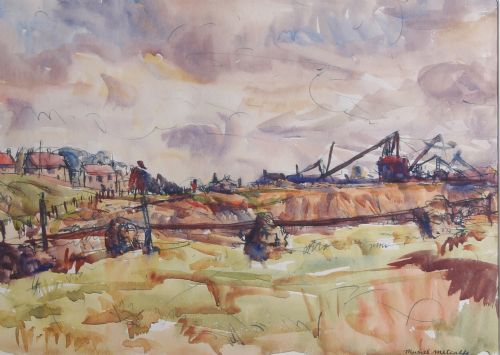
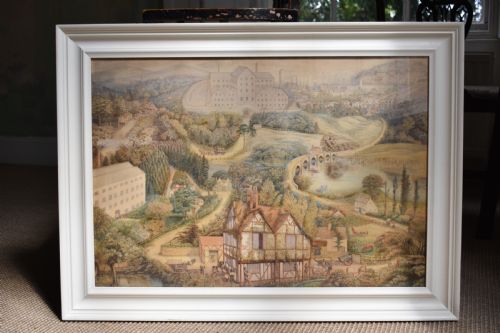
These vintage countryside painting works bring pastoral calm and open horizons into a room, offering genuine views of fields, cottages and rivers.
What They Are
When you search for vintage countryside painting, you encounter pastoral scenes, rolling hills, rivers and rustic cottages captured across the nineteenth and twentieth centuries. The items available span Victorian and Edwardian periods through to the mid twentieth century, featuring British, French and American schools.
Most examples present framed artworks on paper or canvas, depicting rural life, livestock and wooded valleys. These pieces connect modern interiors directly to historical rural landscapes through traditional artistic mediums.
How They Were Made
Makers utilised oil paint on canvas or board, alongside watercolour pigment on paper, fixed within wooden and giltwood frames often protected by glass and accented with gold leaf.
Retail Price Guide 2026
Typical UK retail prices for vintage countryside painting, calculated from the Sellingantiques database of over a million retail prices indexed since 2003. This retail price guide relies exclusively on Sellingantiques data; no external sources or auction records are used, so the figures do not describe the wider market.
Listings span periods from the eighteen-sixties through to the nineteen-fifties, featuring oil and watercolour mediums on paper and canvas.
What Varies in Quality
The distinction between ordinary and exceptional works rests in the sensitivity of the brushwork and the accuracy of light and atmosphere across the landscape. Masterful handling of watercolours and oils transforms a standard rural view into a compelling window onto the past.
Framing also plays a significant role in overall character, where period giltwood and substantial wooden surrounds complement the depth of the painting rather than merely containing it.
Charles Clair·Giulio Cecchini·George Turner·Henry Sylvester Stannard·Samuel Towers·John D Walker·George J Tribe·Lois Wilton·Percy Hipkiss·Jack Cross·J Milner
The Vintage Countryside Painting Glossary
- Oil on Canvas
- A traditional painting technique involving pigmented oil suspended in drying oils applied directly to stretched fabric. This method allows rich colour blending and textured impasto surfaces.
- Watercolour Pigment
- Finely ground colour particles suspended in a water-soluble binder, applied to paper surfaces. It yields translucent washes that capture shifting daylight and atmospheric effects.
- Giltwood
- Timber carved and surfaced with a thin layer of gold leaf or metallic powder. It provides a reflective, ornate border that enhances the warmth of pastoral scenes.
- French School
- An artistic tradition originating in France characterised by distinct academic training and regional stylistic approaches. It appears in European landscape compositions from the nineteenth century.
- Victorian
- Pertaining to the reign of Queen Victoria, spanning the mid to late nineteenth century. Works from this era often emphasise detailed narrative realism in pastoral settings.
Frequently Asked Questions
How do I hang a heavy oil painting safely?
Ensure your wall fixings anchor directly into solid brickwork or wall studs rather than depending solely on plaster. Use picture wire rated well above the weight of the frame.
Check that the hanging cord or D-rings on the rear of the wooden frame are secure before mounting the artwork at eye level.
Where should I display watercolours in my home?
Keep watercolour paintings away from direct sunlight and damp areas such as unventilated bathrooms. Ultraviolet light fades delicate pigments on paper over time.
Choose an interior wall with stable ambient temperature and consistent indirect light to preserve the paper and any accompanying mount board.
What is the difference between oil and watercolour?
Oil paintings utilise slow-drying binders on stretched canvas or board, creating heavier textures and opaque colour layers. They possess greater resilience against atmospheric changes.
Watercolours rely on water-soluble binders on paper, creating translucent washes that require glass protection to prevent moisture and surface damage.
How can I tell the period of a landscape?
Examine the materials, framing style, and artist signatures alongside any recorded dates on the reverse of the canvas or paper mount. Victorian and Edwardian pieces often utilise specific framing profiles.
Subject matter clothing and architectural details in the painted cottages or farm workers also offer clues to the decade in which the artist worked.