



Green Landscape Art
Green landscape art brings the outdoors inside, capturing verdant valleys, quiet woodlands and rolling hills through centuries of oil and watercolour painting.
Green Landscape Art
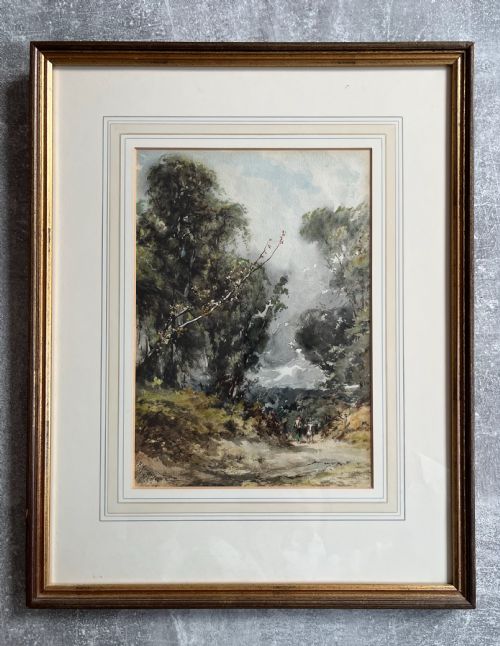
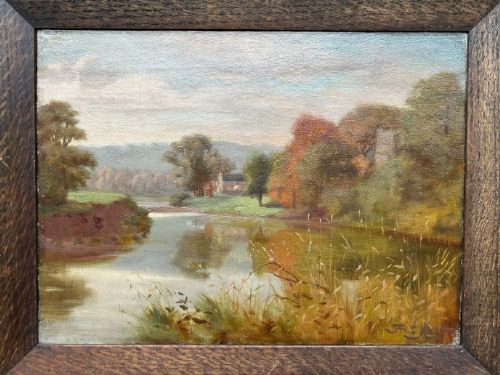
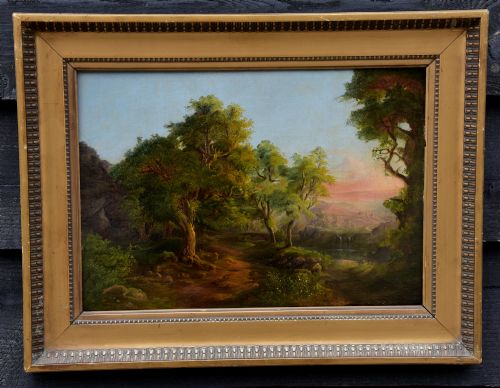
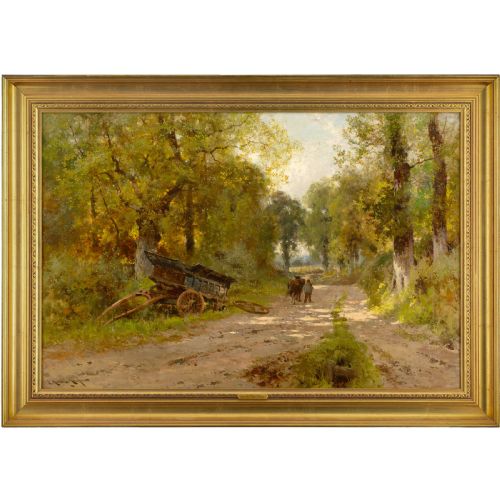
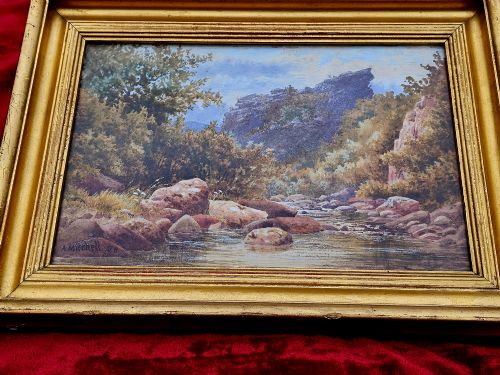
Green landscape art encompasses centuries of pastoral views, woodland scenes and river valleys painted in oils and watercolours. These pieces record rural life and changing countryside views from the seventeenth century onwards.
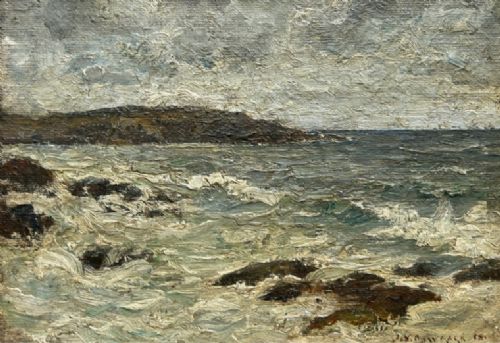
The versions most commonly met on this page date from the nineteenth and early twentieth centuries. Works from this era range from detailed English school watercolours to robust post-impressionist canvases.
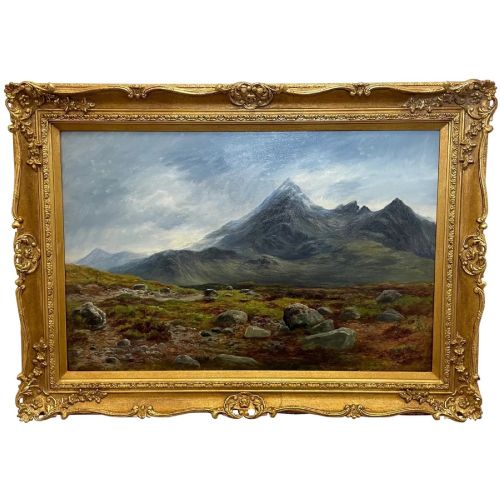
Framed artwork and wall art span various scales, from intimate wood panels to expansive canvases. Each piece offers a specific window into natural scenery through the eyes of period artists.
Materials and techniques
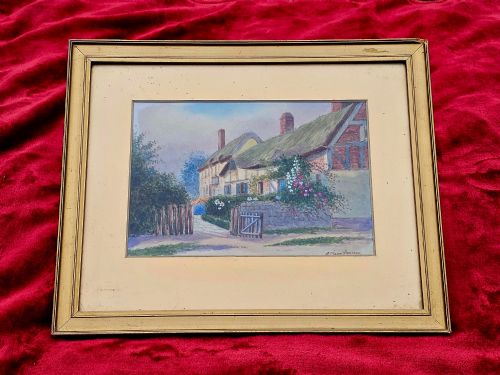
Painters used oil paint on canvas, wood panels and board, building rich textures and deep pigment layers. Watercolours on paper offered a lighter, fluid medium well suited to capturing atmospheric skies and riverbanks.
En plein air techniques allowed artists to paint directly outdoors, capturing natural light and authentic foliage colours. Support materials like stretched canvas and sturdy card provided durable foundations for these landscape studies.
Listings feature works executed in oil paint, watercolour and pastel across canvas, wood panel, board and paper supports.
Assessing quality
Superior works demonstrate confident brushwork and a sophisticated handling of light across natural foliage. Strong composition and atmospheric depth distinguish accomplished academic painters from provincial practitioners.
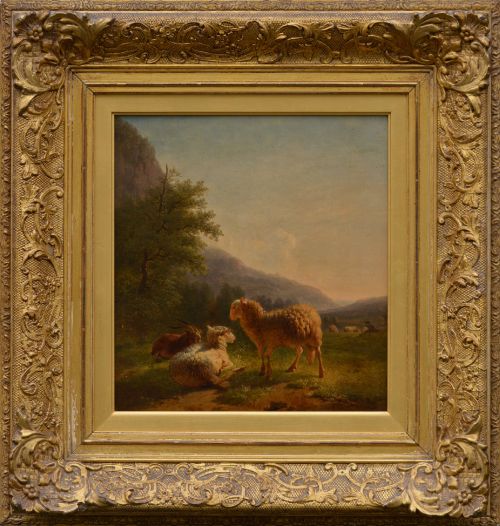
The integration of figures and animals into the surrounding scenery reveals the artist's command of proportion and narrative placement. Preservation of the original canvas, board or paper surface also influences the standing of a piece.
JOHN HAYLS·Eugène Verboeckhoven·Richard Sebastian Bond·William Beattie-Brown·George Fotherly Hargitt·William H Myers·Tom Campbell·Alfred Young Nutt·Frederick Marriott·John Horace Hooper·A. Mitchell·A. Marie Parsons·Sidney A. Court·Kershaw Schofield·George Houston·Herbert Royle·Robert Morson Hughes·Thomas W Lascelles·Robert A. Nottingham·William Joseph Boyes·Gabriel Mathieu·David Bates·BENJAMIN BARKER OF BATH·Charles Houben·Walter Heath Williams
The Green Landscape Art Glossary
- Oil paint
- Pigment suspended in a drying oil medium, typically applied to canvas or wood panel. This traditional material allows for thick impasto texture and subtle blending.
- Watercolour
- A paint consisting of water-soluble pigments applied to paper. It relies on the white of the paper showing through translucent washes of colour.
- En plein air
- The practice of painting outdoors directly from the subject. This approach captures transient effects of natural light and weather.
- Impasto
- Paint applied thickly to a canvas or board, leaving distinct brush or palette knife marks. This technique adds tactile three-dimensional depth to foliage and terrain.
Green Landscape Art: Frequently Asked Questions
What periods do these paintings cover?
The works span from the seventeenth century through the Victorian and Edwardian eras into the mid twentieth century. Traditional academic canvases share space with later post-impressionist interpretations.
Earlier examples often reflect formal eighteenth century composition, while nineteenth century pieces favour romanticism and direct observation of the British and European countryside.
How do I care for antique paintings?
Keep framed artwork away from direct sunlight and steady humidity levels to protect delicate canvas and paper supports. Avoid hanging pieces above active heat sources.
Dust surfaces gently with a soft, dry brush and consult a professional conservator before attempting any cleaning of oil paint or watercolour.
What is the difference between oil and watercolour?
Oils use pigment mixed with drying oil on canvas, board or wood panel, offering rich textures and deep colour saturation. Watercolours apply translucent pigment onto paper supports.
Watercolours require protective glass framing to prevent moisture damage, whereas oil paintings on canvas remain open to the air.
Where were these landscape artists active?
Artists worked across British rural locations, including Scottish highlands, Welsh river valleys and English woodland settings. Continental scenes from France, Italy and Belgium also appear frequently.
Many practitioners exhibited at major institutions like the Royal Academy, capturing familiar countryside views and coastal destinations.