
Framed River Wall Art
Framed river wall art brings together historic watercolours, oil paintings and engravings capturing waterways from the eighteenth century onwards.
Framed River Wall Art
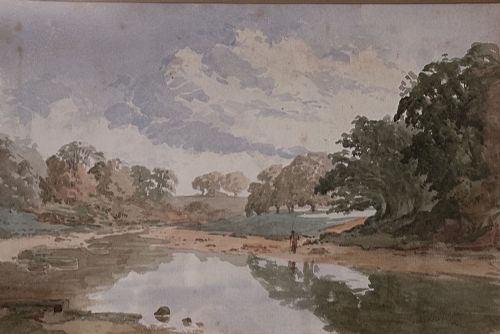
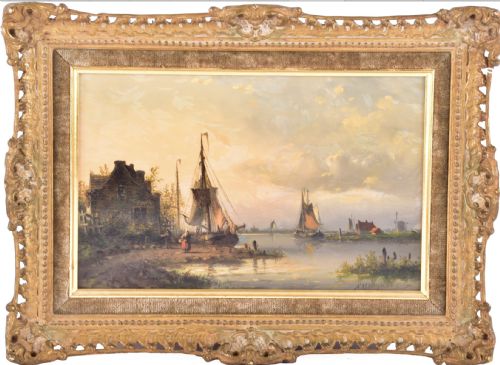
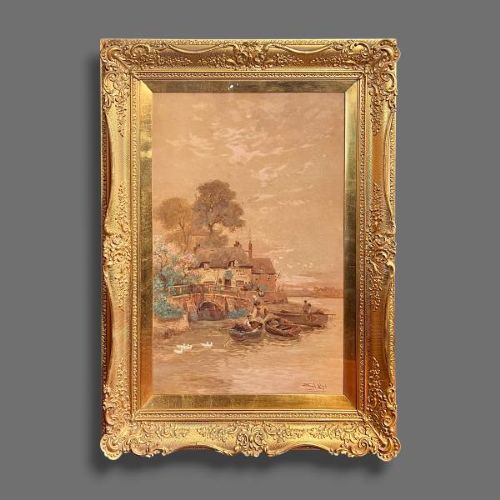
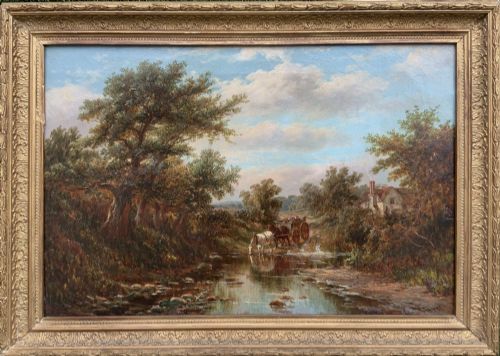
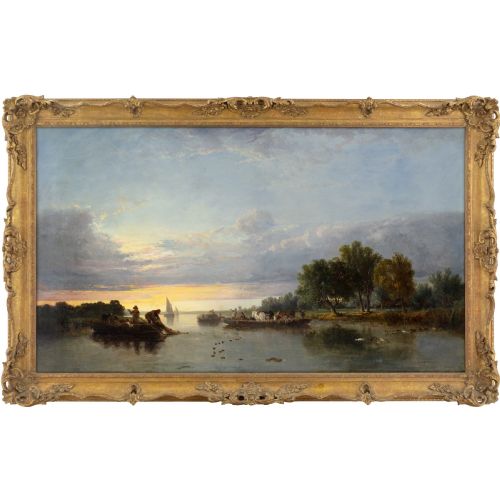
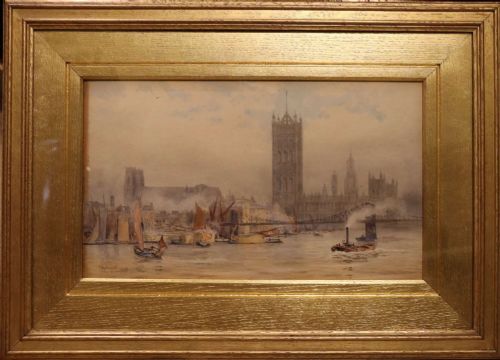
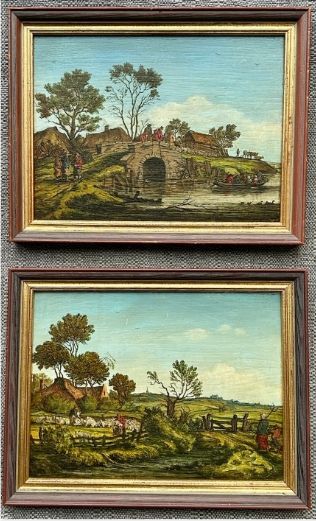
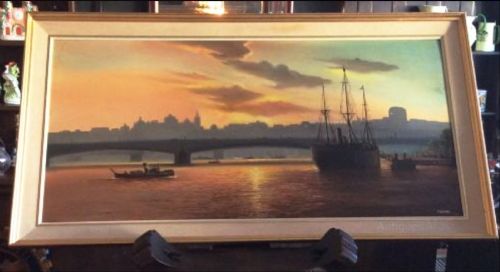
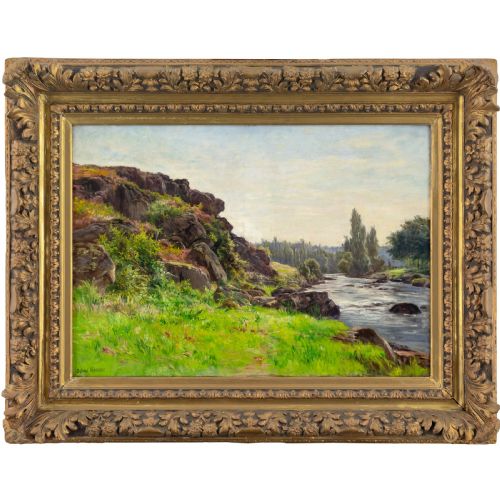
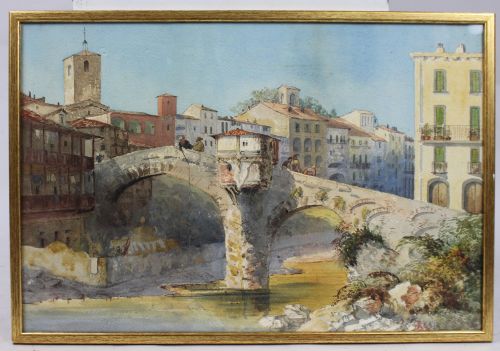
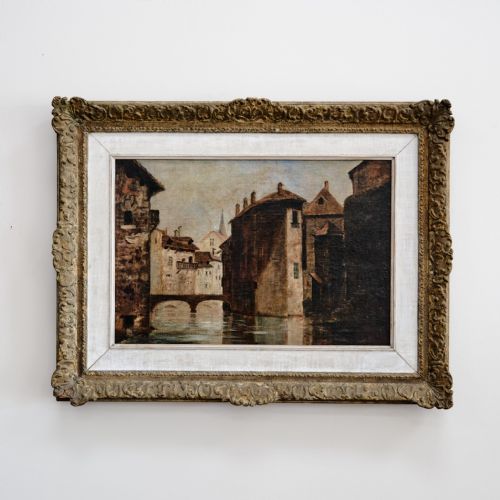
Framed river wall art encompasses oil paintings, watercolours, etchings and engravings depicting waterways, canals, bridges and maritime scenes. These works capture pastoral riverbanks, bustling industrial ports and quiet rural streams from periods spanning the eighteenth, nineteenth and twentieth centuries.
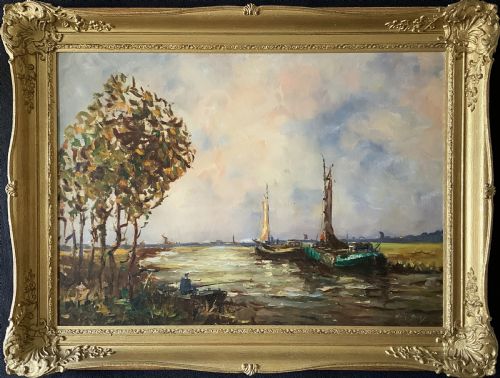
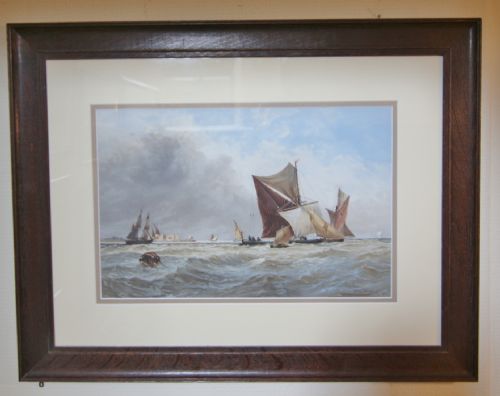
Buyers will most frequently encounter nineteenth century oil paintings on canvas or wood panels, alongside British and European watercolours from the Victorian and Edwardian eras. Many pieces showcase specific locations such as the River Thames, continental canals and Welsh streams.
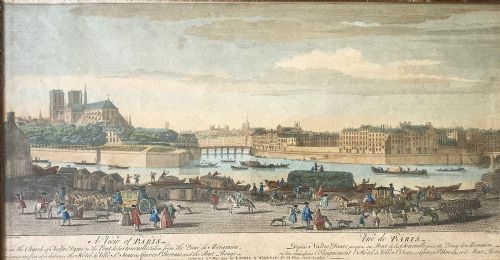
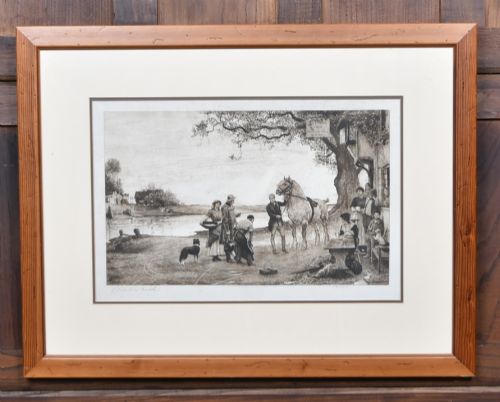
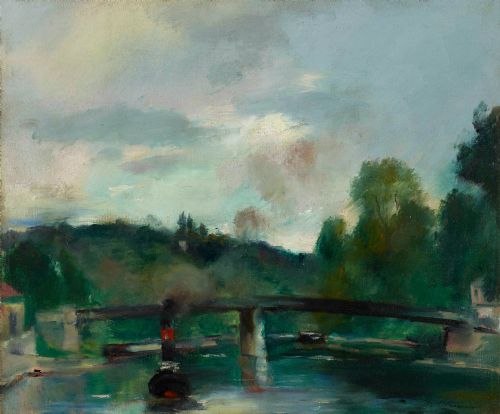
The selection ranges from detailed topographical engravings to impressionistic views of bridges and footbridges. Formats vary from intimate watercolours to large oil paintings enclosed in period wooden and gesso frames.
Materials and technique
Artists painted primarily with oil paint on canvas, wood panels and boards, or applied watercolours and inks to paper. Engravings and lithographs utilised printed plates, often finished with original hand colouring.
Supporting these artworks are traditional frames constructed from wood, decorated with moulded gesso and finished with gilt layers. These framing methods protect the edges of the canvas or paper while providing structural depth.
Techniques varied from precise pen and ink landscape drawings to fluid brushwork found in French and British impressionist oil paintings. Heavier mediums like gouache also appear alongside delicate watercolour washes.
Listings feature works executed in oil on canvas, oil on wood panel, watercolour on paper, and printed engravings.
Judging quality
Quality rests upon the handling of light, atmosphere and perspective by the artist, distinguishing skilled observation from formulaic execution. Brushwork in superior oil paintings demonstrates confident control over water reflections and atmospheric mood.
The integrity of the original frame contributes significantly to the overall merit of a piece. Period frames with untouched gesso and original gilding hold greater authenticity than later replacements.
Provenance and legible signatures by documented painters elevate the standing of works. Clear historical attribution connects individual landscapes to established British and European schools.
W Klombeck·Gabriel Mathieu·Willem Bos·Henri Ottmann·TB Hardy·Sir Alfred East·Robert W Macbeth·E Brown·T C Hofland·Henry H Parker·Sydney Yates Johnson·John Ferneley Senior·William George Tennick·Hubert Wellington·Archibald Kay·Charles Clair·Alfred George Morgan·Charles William Wyllie·Alexandre Le Bihan·Edwin Lord Weeks
The Framed River Wall Art Glossary
- Etching
- A printmaking technique where lines are bitten into a metal plate with acid before being inked and pressed onto paper.
- Gesso
- A plaster mixture applied to wood frames to create a smooth surface suitable for gilding or moulding decorative details.
- Lithograph
- A planographic printing method using a stone or metal plate to reproduce original drawings or paintings.
- Panel
- A flat piece of wood used as a rigid support for oil paintings, common in nineteenth century works.
- Watercolour
- A painting method where fine pigment is suspended in a water-based solution, typically applied to heavy paper.
Framed River Wall Art: Frequently Asked Questions
How do I identify the age?
Dating relies on stylistic markers, framing materials, artist signatures and archival records associated with the painter. Canvas types and stretcher construction also offer clues to the decade of creation.
Examining the back of the panel or paper often reveals historic gallery labels, inscriptions or stamps that narrow down the period of production.
Were these created outdoors?
Many nineteenth and twentieth century artists worked directly outdoors to capture natural light and shifting water reflections on site. This plein-air approach gave landscape paintings a fresh immediacy.
Other more complex or large scale compositions were completed inside studios using preliminary sketches and watercolours made on location.
How should I hang them?
River artworks suit spaces with stable humidity away from direct sunlight to protect pigments and paper from fading. Hanging them at eye level allows the detail of the brushwork or engraving lines to be appreciated.
Matching the period of the frame to your interior decor helps integrate historical art into modern or traditional room settings.
What subjects are common?
Popular subjects include pastoral riverbanks, urban bridges across the Thames, Dutch canals and industrial shipping ports. Figures fishing or walking along paths frequently animate the foregrounds.
Coastal inlets, waterfalls and mountainous river valleys also feature prominently across nineteenth century British and European schools.