




Vintage River Scene
When you search for vintage river scene, you uncover landscapes capturing waterways from the nineteenth century to the mid-twentieth century.
Vintage River Scene
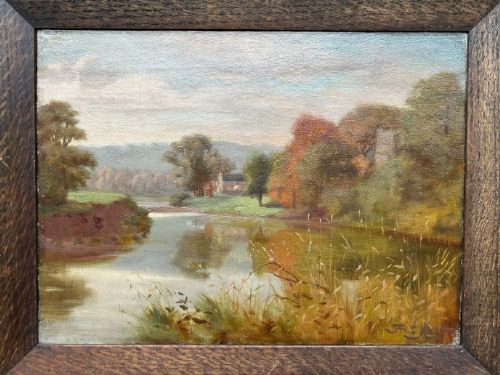
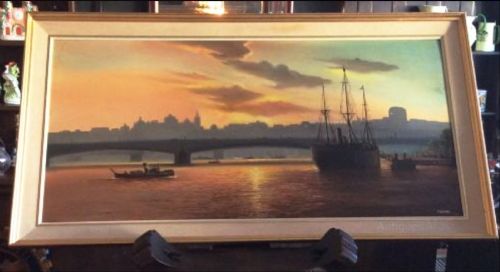
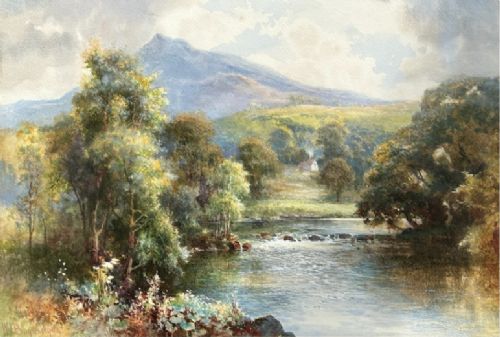
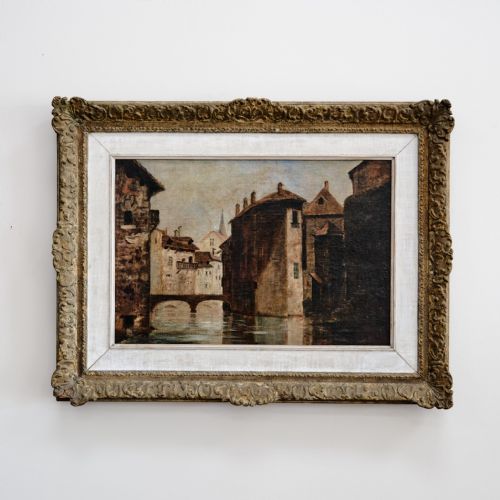
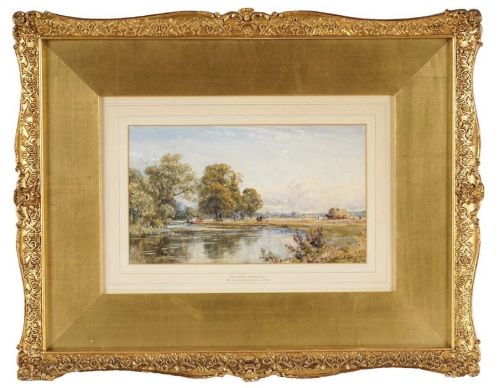
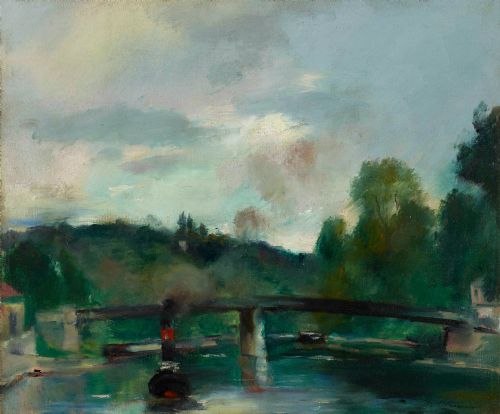
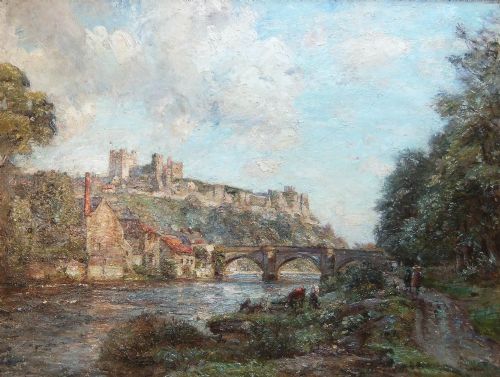
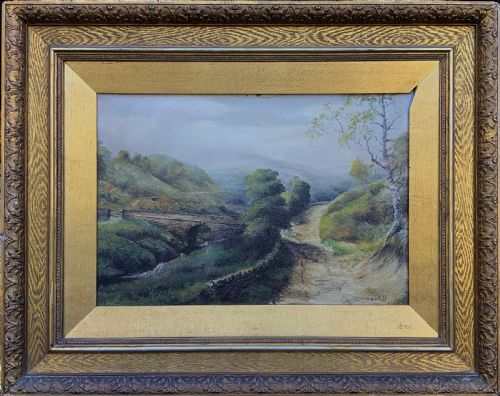
A vintage river scene encompasses oil paintings, watercolours, and occasionally transferware depicting waterways, bridges, and surrounding countryside. These works span from the Victorian and Edwardian eras through to mid-century impressionism, recording rivers from British valleys to the Seine.
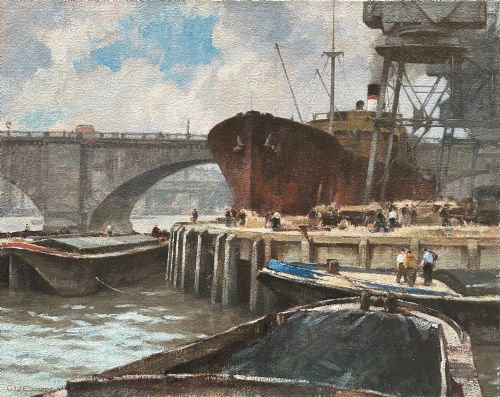
The version most frequently encountered on this page is the oil painting on canvas or board, created during the late nineteenth or early twentieth centuries. These pieces often feature pastoral settings, fishing boats, or industrial barges along notable rivers such as the Thames and the Tees.
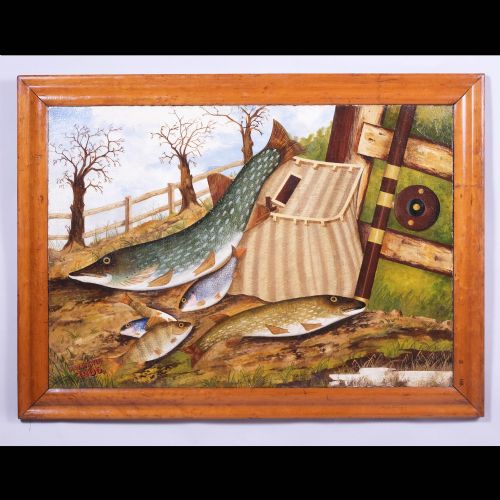
Beyond standard canvas works, collectors also find panel paintings, acrylics on paper, and specific regional depictions ranging from Dutch frozen landscapes to Welsh waterways. Each object records a specific topography interpreted through various painting movements.
Materials and methods
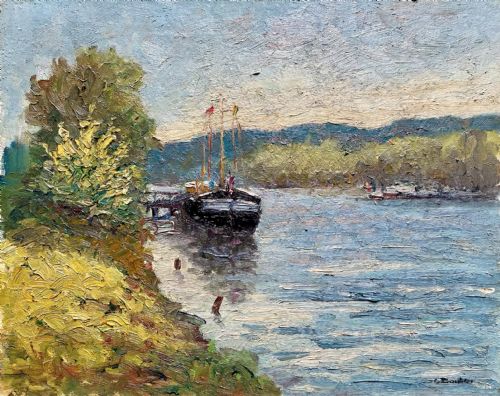
Artists relied primarily on oil paint applied to canvas, wood panels, or board, often supported by preparatory gesso layers. These oil mediums allowed for rich textures, visible brushwork, and impasto techniques seen in impressionist and post-impressionist interpretations.
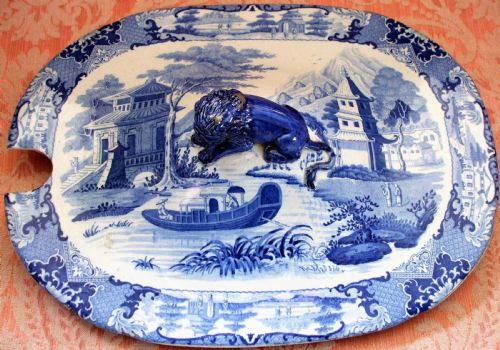
Watercolour on paper represents another primary technique, utilised by artists capturing translucent light on rivers like the Thames or the Kennet. Transferware pottery provides an alternative medium, seen in blue and white printed ceramic tureen covers depicting specific river scenes.
Vintage River Scene Retail Price Guide 2026
Typical asking prices for vintage river scene among the pieces listed under this phrase on Sellingantiques today, from the lower quarter to the upper quarter. They describe what is for sale here now, not the wider market.
Among the peaceful rural streams and grand bridges, an unexpected blue and white tureen cover joins the river views.
Distinctions in quality
Quality in these works rests upon the handling of light, atmospheric depth, and compositional balance rather than the mere subject matter. Stronger pieces demonstrate confident brushwork and a nuanced command of colour to evoke movement and reflection on the water.
The reputation of the artist and the specific provenance also influence distinction, with signed works by established painters commanding greater interest. The stability of the ground, whether canvas, wood panel, or paper, further separates standard decorative items from fine art pieces.
Kenneth Cozens·George Graham·Alfred Young Nutt·Frederick Marriott·William Joseph Boyes·Robert Thorne Waite·Cyril Walduck Edwards·Henri Ottmann·Herbert Royle·Florence Adelina Hess·Sydney Yates Johnson·Hubert Wellington·Archibald Kay·Henri Jaques Delpy·Arthur Herbert Rigg·Ron Folland·Thomas Bush Hardy·J Phipps·David Watts·Frank Hider·William Grant Murray·Edward Henry Eugene Fletcher
The Vintage River Scene Glossary
- Impasto
- Paint applied thickly to a canvas or panel, leaving prominent brush or palette knife marks that stand out from the surface. This technique adds tactile dimension and captures light dynamically in riverscapes.
- Transferware
- Pottery decorated by transferring a printed design from an engraved copper plate onto ceramic surfaces. It appears on utilitarian items such as tureen covers depicting landscapes.
- Watercolour
- A painting method in which natural pigments are suspended in a water-soluble vehicle on paper. It produces translucent washes suited for capturing atmospheric weather and water reflections.
- Post-Impressionism
- An art movement extending beyond impressionism to emphasise symbolic motifs and expressive use of colour. Works in this style show heightened emotional resonance in landscape settings.
Vintage River Scene: Frequently Asked Questions
What periods do these river scenes cover?
The listings encompass works stretching from the nineteenth century through the Edwardian period and into the mid-twentieth century.
Most pieces date from the Victorian era up to the nineteen-sixties, reflecting changing artistic movements over time.
Where were these river views painted?
Artists recorded waterways across Britain, France, and the Netherlands, capturing locations such as the Thames, the Seine, and Dutch canals.
Subjects range from rural Welsh streams to busy industrial bridges near London.
How should I display a canvas painting?
Oil paintings on canvas or wood panel benefit from placement away from direct sunlight and excessive humidity fluctuations.
Proper framing helps protect the edges of the canvas and supports structural stability over decades.
What is the difference between oil and watercolour?
Oil paintings utilise slow-drying paint on canvas, board, or panel, allowing for thick impasto textures and layered depth. <div></div> Watercolours use water-soluble pigments on paper, creating translucent effects that depend on the white of the paper beneath.