


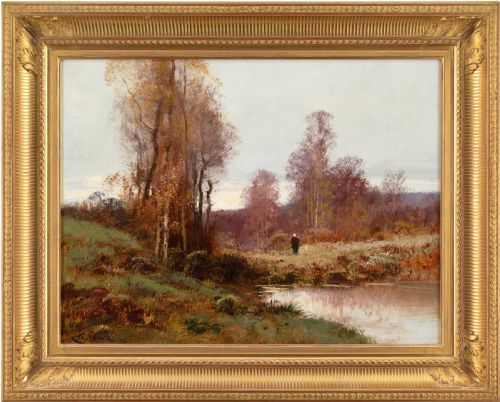


Countryside River Picture
A countryside river picture captures pastoral waterways through 19th-century and early 20th-century paintings.
Countryside River Picture
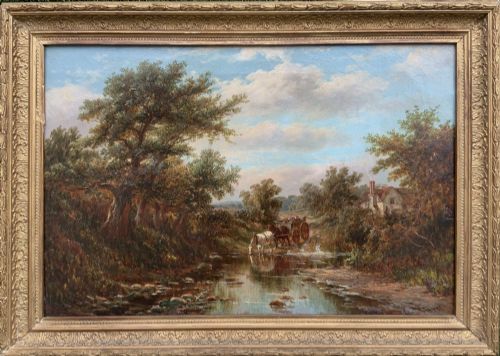
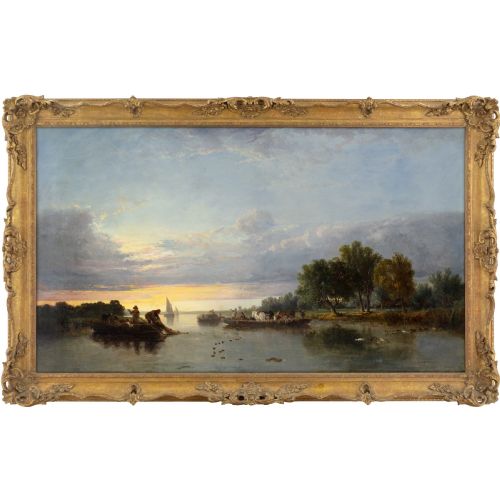
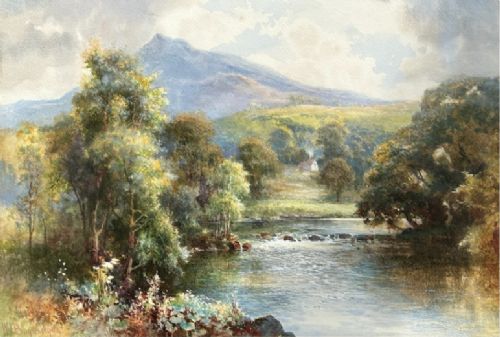
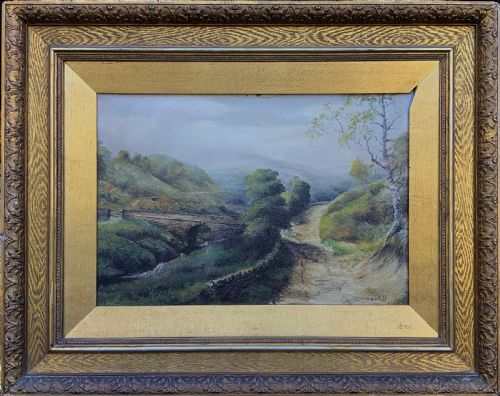
When you search for a countryside river picture, you encounter framed fine art pieces depicting natural waterways, rural estates, and pastoral valleys. These works primarily take the form of landscape watercolours and oil paintings on canvas or wood panels.
The selections available span multiple periods including the Victorian era, Edwardian period, and mid-20th-century British schools. Works frequently highlight specific regional waterways in Wales, Yorkshire, and along the Thames.
Buyers frequently find depictions of rural figures, livestock, boats, and bridges integrated into the river scenery. The pieces range from intimate watercolours to large oil paintings created by named artists and regional schools.
How They Were Made
Artists painted these rural scenes using oil pigments on stretched canvas, wooden panels, or paper, occasionally employing acrylic. Watercolours were executed on paper surfaces to capture lighter atmospheric effects along riverbanks.
Completed artworks were housed in protective surrounds, utilising traditional giltwood or gilt wood frames that complement the painting style of the period.
Materials documented in the collection include oil on canvas, paper, wood panels, glass, and traditional giltwood frames.
What Varies In Quality
The standard of a countryside river picture rests upon the precision of brushwork and the artist's ability to render natural light and atmospheric depth along the water. Finer examples demonstrate confident handling of perspective, foliage, and reflective river surfaces.
Provenance and documentation also separate works, with signed pieces by recognised painters or established members of artistic societies commanding greater interest than anonymous school pieces.
William Joseph Boyes·Charles Clair·Alfred George Morgan·Robert John Hammond·Robert Thorne Waite·Walter J Watson·Robert Winchester Fraser·Frederick Waters Watts·George Arthur Fripp·Harold Lawes·John Wright Oakes·Maud Raphael Jones·William Langley·John Hobson Nicholson·John Cuthbert Salmon·Gudrun Sibbons·Abraham Hulk Junior·William Bradley·EW Haslehurst·George Turner·David Bates·Charles Branwhite·Henry John Kinnaird·William Stephen Coleman·James Stephen Gresley
The Countryside River Picture Glossary
- Oil on Canvas
- A painting medium where pigments are bound with drying oil and applied to stretched fabric. This technique allows for rich colour blending and textured brushwork.
- Watercolour
- A painting method where water-soluble pigments are applied to paper. It produces translucent washes suited for capturing luminous sky and water effects.
- Giltwood
- Wood carved and coated with a thin layer of gold leaf or metallic powder. It is commonly found on traditional picture frames from the Victorian and Edwardian periods.
- British School
- A term used to categorise artists trained or working within Britain during a specific era. It often denotes works created by lesser-known or anonymous painters of the period.
Countryside River Picture: Frequently Asked Questions
What periods do these paintings date from?
The works primarily originate from the 19th century, the Victorian era, and the early decades of the 20th century. Dates span from the early 1800s through to the mid-20th century.
Specific periods such as Edwardian and Victorian Naturalism are well represented among the current selection of regional landscapes.
Where do these river scenes usually take place?
Many depict specific British waterways, including Welsh rivers, Yorkshire locations, and southern waterways like the River Thames. Scenes also feature rural estates and bridges.
Artists frequently recorded identifiable regional landmarks, harbours, and valleys across England, Wales, and the Isle of Man.
How do watercolours differ from oil paintings here?
Watercolour paintings utilise water-soluble pigments on paper to achieve lighter, translucent effects. They were often produced as detailed studies of countryside views.
Oil paintings use pigmented oils on canvas or wood panels, allowing for heavier textures, deeper colour saturation, and larger compositional formats.
How should I frame and display these artworks?
Many pieces retain their original period giltwood frames, which complement the traditional aesthetic of the landscape. Displaying them away from direct sunlight protects the pigments on canvas and paper.
Proper wall placement ensures these framed watercolours and oil paintings remain stable and secure within a domestic interior.