
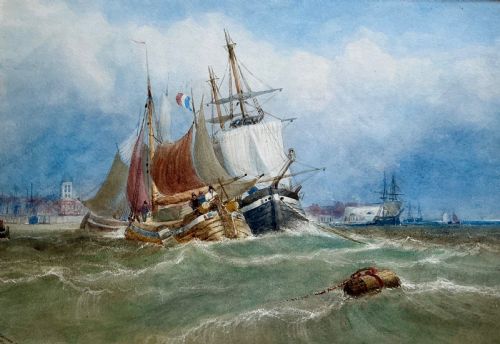


Blue Sky Watercolour
Blue sky watercolour paintings capture atmospheric light across British and continental landscapes from the nineteenth and early twentieth centuries.
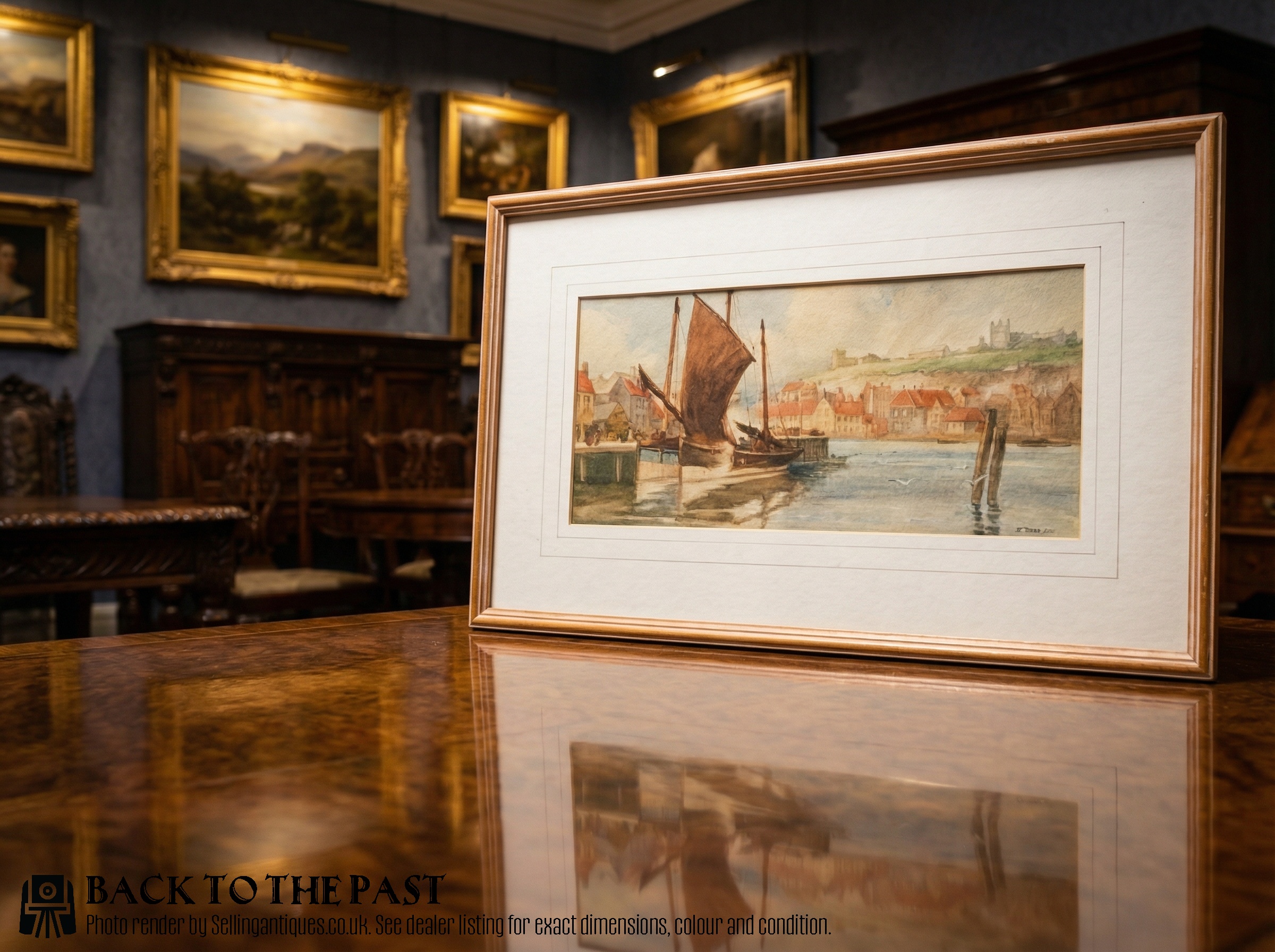
Blue Sky Watercolour
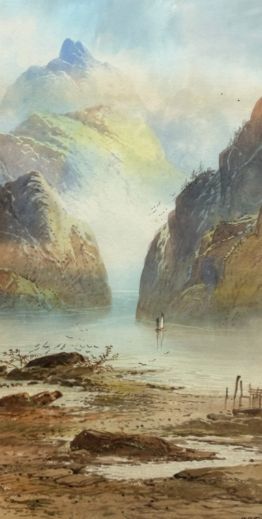
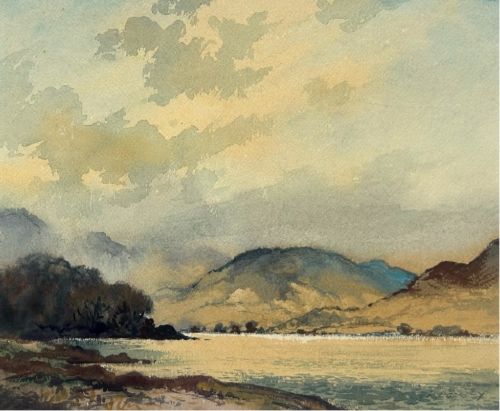
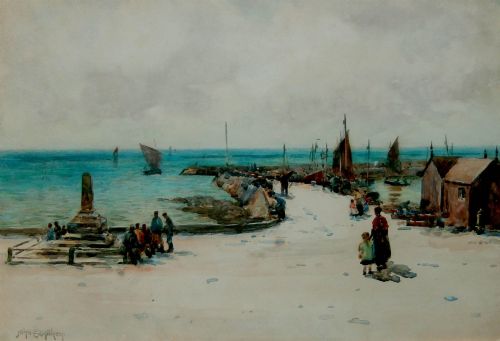
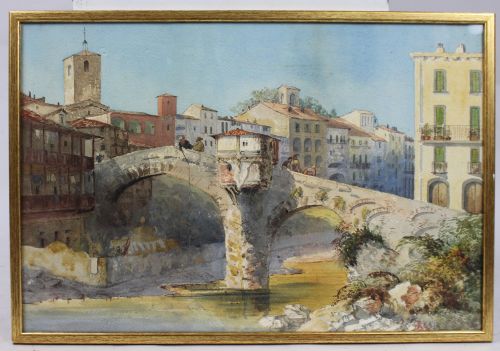
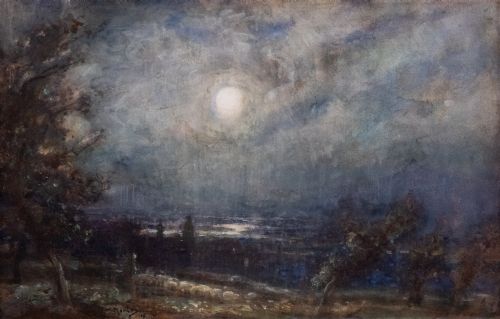
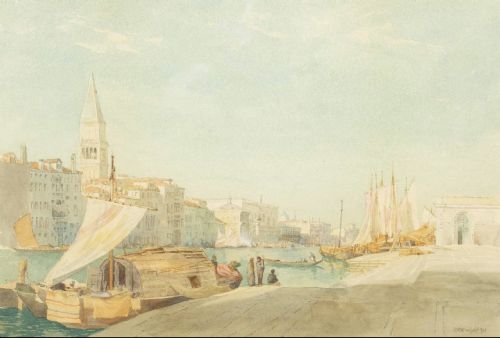
A blue sky watercolour search centres on fine art paintings depicting open skies above rural, coastal, and urban scenes. These works span the Victorian, Edwardian, and early twentieth-century periods, capturing natural light with fluid pigments on paper.
Buyers commonly encounter traditional British landscape watercolours alongside marine art and Orientalist subjects. The selection ranges from intimate rural studies to expansive coastal vistas created by professional artists and regional painters.
How They Were Made
Artists applied watercolour pigments and bodycolour on paper or board, sometimes combining ink for definition. The transparent washes created luminous atmospheric effects, particularly for depicting clouds and open expanses.
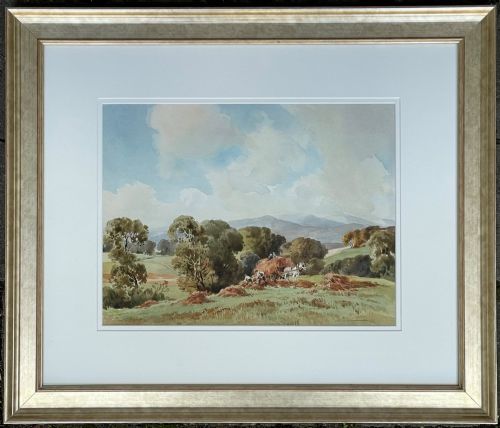
Framed artworks were protected behind glass within period wood frames that complemented the delicate nature of the paper support.
Blue Sky Watercolour Retail Price Guide 2026
Typical asking prices for blue sky watercolour among the pieces listed under this phrase on Sellingantiques today, from the lower quarter to the upper quarter. They describe what is for sale here now, not the wider market.
Listings span the nineteenth century through the 1960s, featuring paper, watercolour pigment, glass, and wood.
What Varies In Quality
Quality rests on the artist's handling of pigment and light to create depth within the sky and landscape. Skilled brushwork and balanced composition distinguish master works from simpler regional student pieces.
The preservation of the paper support and the vibrancy of the original watercolour pigments determine the visual impact of the finished painting.
William Henry Earp·Percy Lancaster·John Hassall·Robert Leslie Howey·Thomas William Morley·Henry Barlow Carter·Cornelius Pearson·Henry John Kinnaird·James William Booth·Thomas Bush Hardy·James Orrock·John Syer·George Hamilton Constantine·William Joseph Boyes·Frederick Williamson·Frederick Mayor·Albert Robert Quinton
The Blue Sky Watercolour Glossary
- Watercolour
- A painting method where natural pigments are suspended in a water-based solution and applied to paper. This medium allows for translucent washes and delicate tonal gradations.
- Gouache
- An opaque watercolour paint containing added white pigment to create solid areas of colour. It is frequently utilised alongside transparent watercolours to highlight clouds and bright sky details.
- Bodycolour
- Another term for gouache, often employed in nineteenth-century works to add opacity and strength to specific areas of the composition. It gives greater substance to painted highlights.
- Provenance
- The documented history of a painting's ownership and origin. Clear attribution to a named artist or exhibition adds significant context for collectors.
Blue Sky Watercolour: Frequently Asked Questions
How should I display my watercolour?
Watercolours require careful placement away from direct sunlight to prevent the pigments from fading over time. Conservation mounting with acid-free materials protects the paper during long-term display.
Keep the framed artwork in rooms with stable humidity levels to avoid warping the paper support or damaging the wooden frame.
What periods do these paintings span?
The available watercolours predominantly date from the nineteenth century through to the mid-twentieth century. Victorian and Edwardian examples form the core of the selection.
Earlier nineteenth-century works often feature romantic or topographical landscapes, while later pieces embrace British Impressionist and realist movements.
Are these works original paintings?
Each listed piece is a hand-painted original work executed directly on paper or board by the artist. They utilise traditional watercolour pigments rather than modern mechanical printing techniques.
Signatures, dates, and contemporary framing often accompany these original compositions to confirm their period authenticity.
What subjects are most common?
British countryside views, coastal harbours, and maritime scenes dominate the subject matter. Artists frequently recorded rural rivers, agricultural harvests, and dramatic skies above coastal waters.
Continental scenes, including Italian and Middle Eastern landscapes, also appear among the traditional British works.