



Impressionist Landscape Art
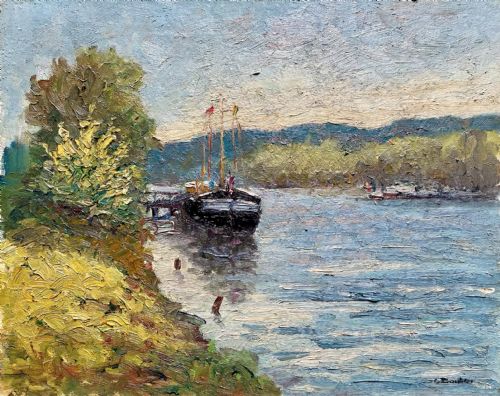
Impressionist landscape art captures light and atmosphere quickly, offering buyers glimpses of coastal scenes, rural rivers, and city canals.
Impressionist Landscape Art
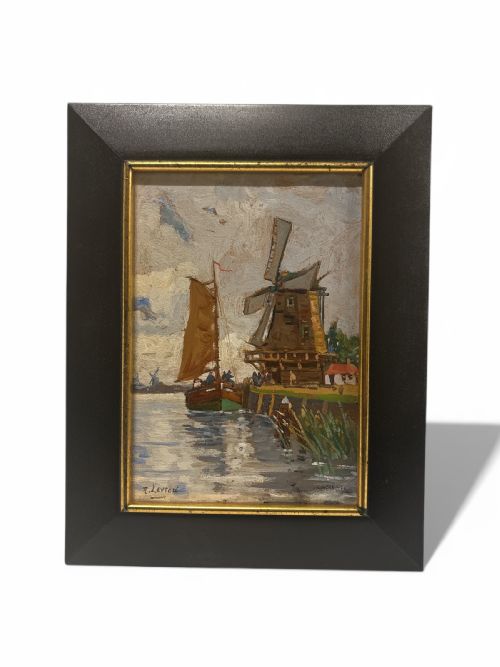
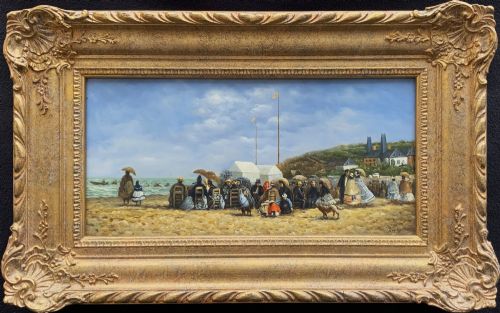
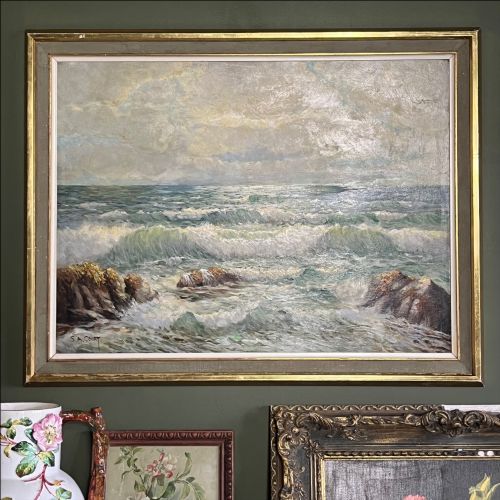
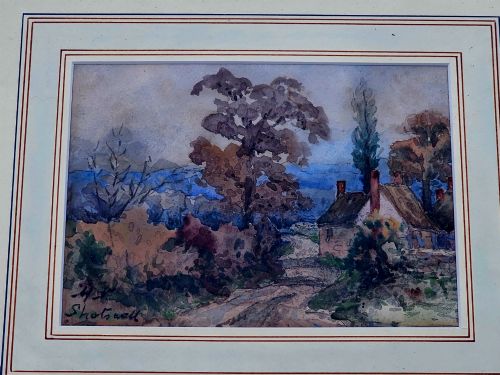
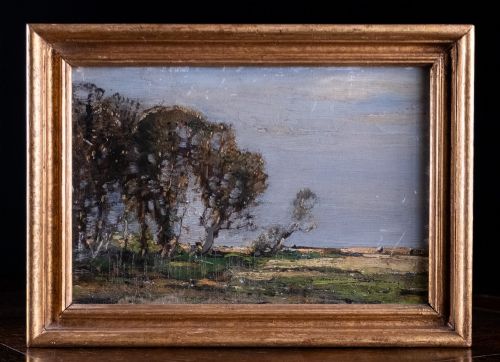
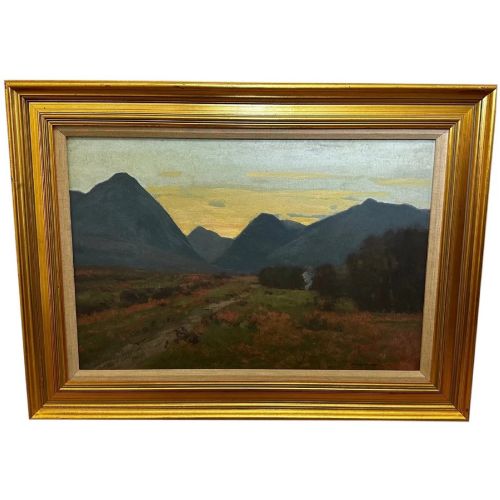
Impressionist landscape art focuses on natural light, outdoor settings, and rapid brushwork. When searching for impressionist landscape art, buyers encounter oil paintings and watercolours depicting seascapes, harbours, and countryside views.
Most examples originate from the nineteenth century through to the mid-twentieth century, encompassing British Impressionism, Post-Impressionism, and Modern British movements. Canvas and board serve as the primary supports for these painted views.
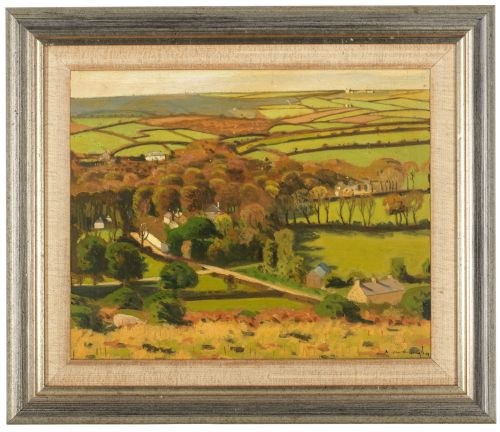
Framed works range from early twentieth-century rural scenes to mid-century continental streetscapes and coastal vistas.
Materials and Technique
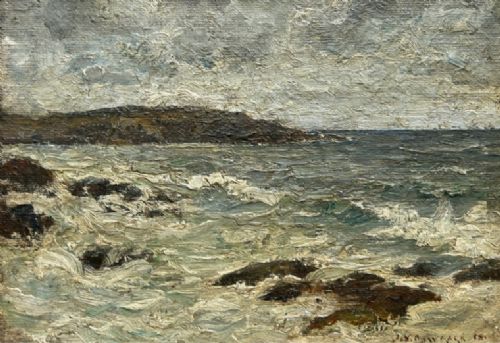
Artists painted en plein air using oil paint or watercolour applied to canvas, board, or wood supports. Many works employ impasto techniques, where thick layers of pigment build visible texture to catch natural light.
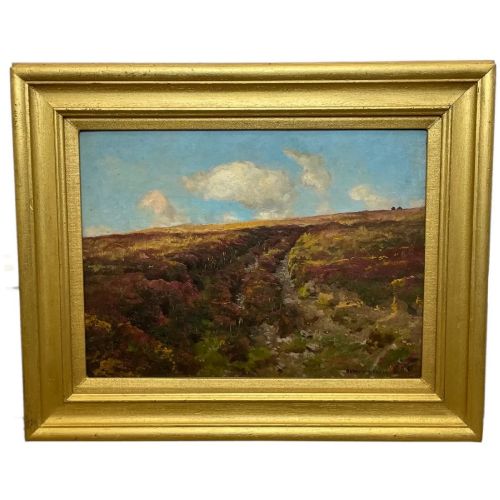
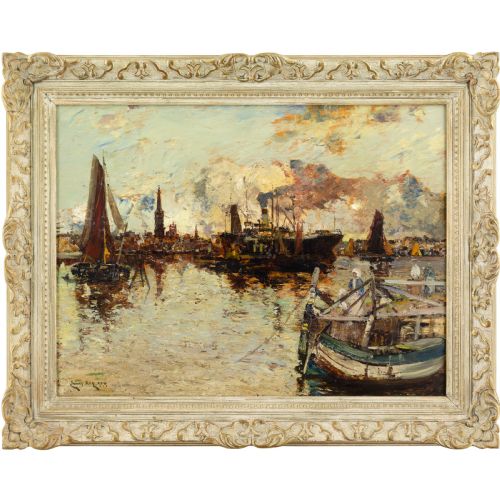
Gilt frames often house these canvases and boards, complementing the painted surface while protecting the edges from wear.
Impressionist Landscape Art Retail Price Guide 2026
Typical asking prices for impressionist landscape art among the pieces listed under this phrase on Sellingantiques today, from the lower quarter to the upper quarter. They describe what is for sale here now, not the wider market.
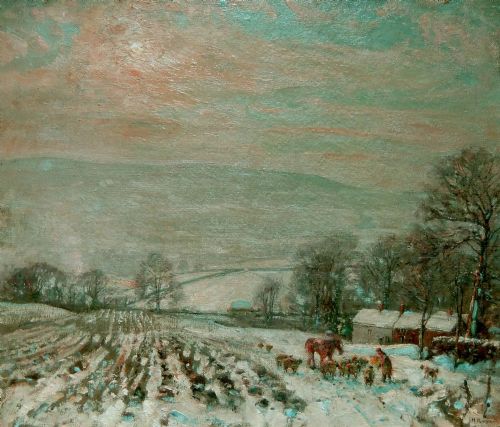
Several paintings capture cows, sheep, and fishermen quietly ignoring the artists who painted them.
Assessing Quality
Quality rests upon the confidence of the brushwork and the artist's ability to render light and atmosphere convincingly. Stronger pieces display deliberate, expressive marks that construct depth without relying on rigid detail.
Condition of the pigment and the stability of the canvas or board determine the longevity of the piece. Well-preserved surfaces retain their original impasto texture and colour harmony without excessive overpainting.
George Graham·Clifford Hanney·Arthur Wardle·Kershaw Schofield·George Houston·Herbert Royle·William Banks Fortescue·Robert Morson Hughes·James Kay·Augusto Alberici·Gabriel Mathieu·Arthur Gue·Charles Houben·Antonio DeVity·Clive Browne·Paul Bret·Hector Caffieri·Lucy Pratt·Francisco Sancha·Cyril Walduck Edwards·Alfred Wolmark·Eric Brown·Willem Bos·Henri Ottmann
The Impressionist Landscape Art Glossary
- Impasto
- Paint applied thickly to a canvas or board so that it stands out from the surface. This technique gives texture and catches real light.
- En plein air
- Painting outdoors in natural light to capture the fleeting qualities of a scene directly. Artists adopted this method widely during the nineteenth century.
- Post-Impressionism
- An artistic movement following impressionism that explored emotional response and structural form rather than purely optical effects. Painters used bolder colours and distinct brushstrokes.
- Gesso
- A primer mixture consisting of a binder mixed with chalk, gypsum, or pigment used to prepare wood or canvas surfaces for painting. It provides a smooth, stable ground for oil paint.
Impressionist Landscape Art: Frequently Asked Questions
What subjects appear in impressionist landscape art?
These works typically depict coastal scenes, harbours, rivers, rural farmland, and city streets. Artists focused on everyday outdoor environments.
Views range from British coastal spots to continental European canals and town squares.
How do I care for an oil painting on canvas?
Keep paintings away from direct sunlight and dramatic changes in humidity to protect the canvas and oil pigment. Dust the surface gently with a soft, dry brush.
Avoid using liquid cleaners or water on the painted surface.
Are these paintings usually framed?
Many examples retain their original frames, often featuring gilt mouldings that suit the period of the artwork. Frames protect the edges of the canvas or board.
Some pieces are sold in period frames that show signs of age consistent with the painting.
How do I distinguish watercolour from oil painting?
Watercolours use water-soluble pigments on paper or board, typically displayed under glass for protection. They present a translucent, flat surface.
Oil paintings use pigment suspended in drying oils on canvas or wood, offering a heavier texture and visible brush relief.