

English Country Landscape Picture
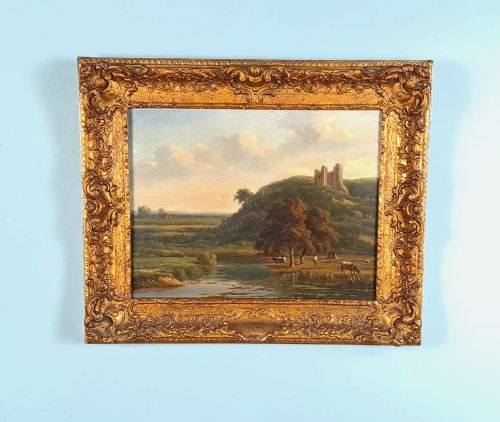
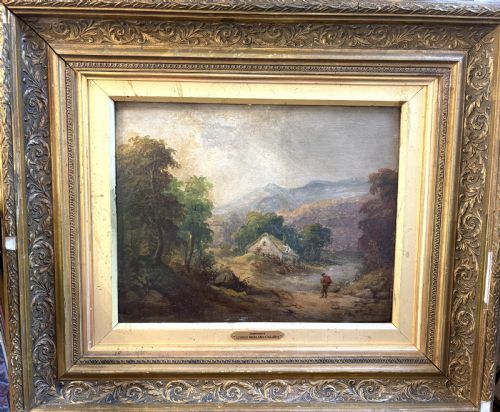
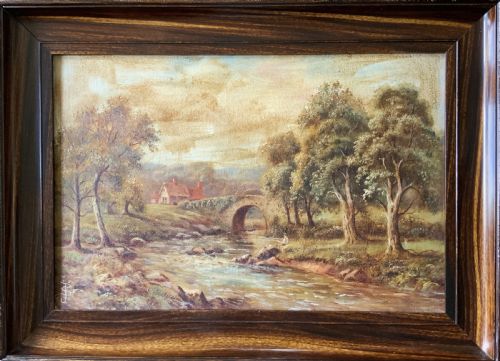
An English country landscape picture captures rural fields, rivers, and cottages through the observant eyes of artists working from the nineteenth century into the mid-twentieth century.
English Country Landscape Picture
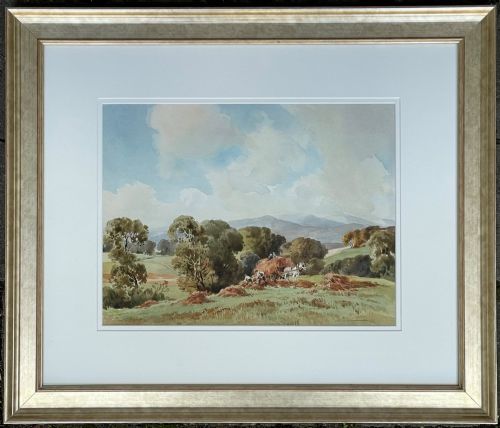
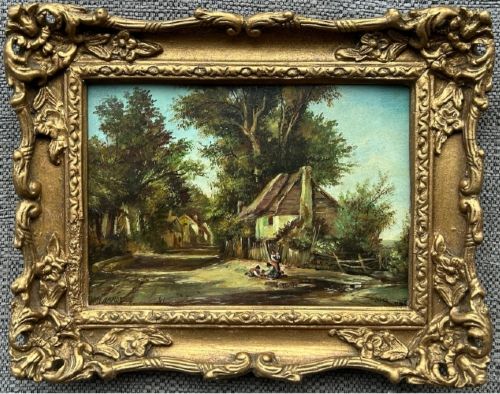
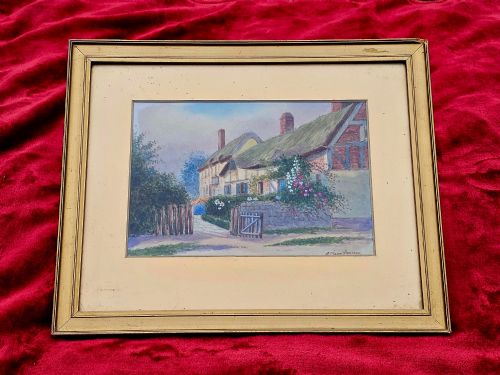
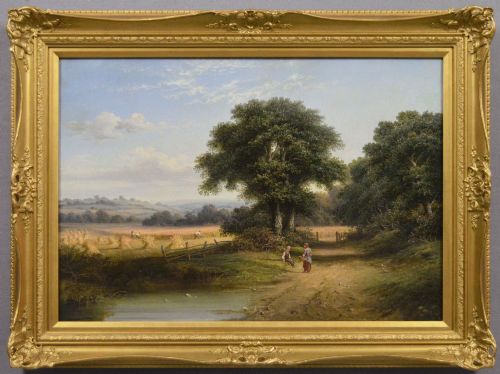
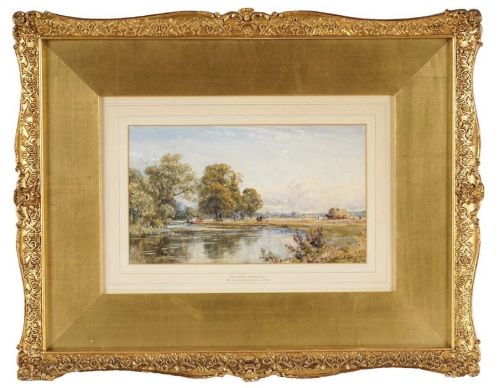
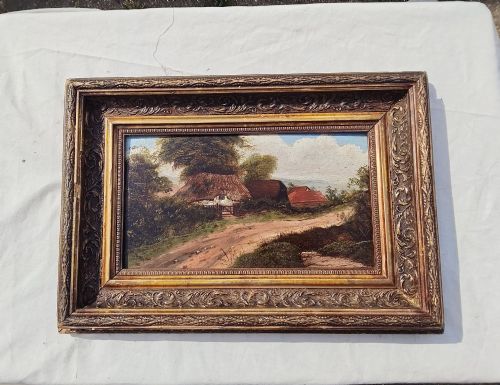
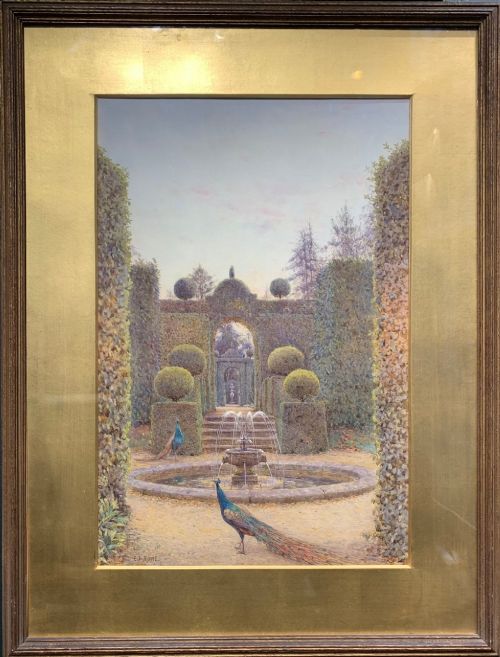
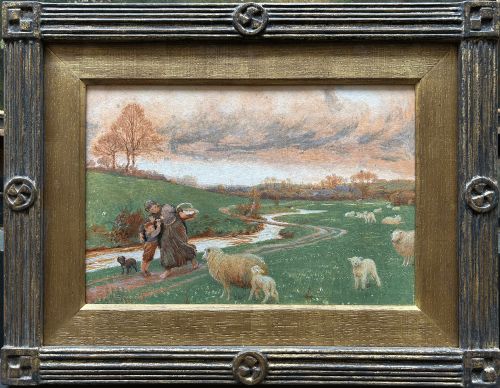
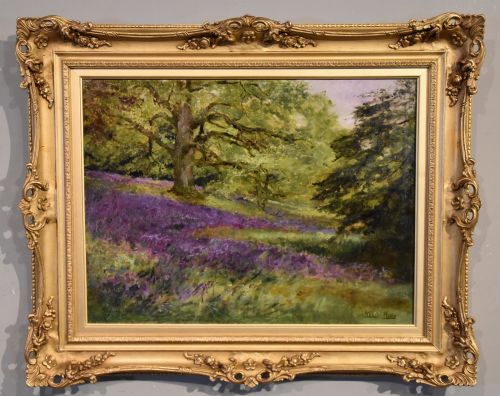
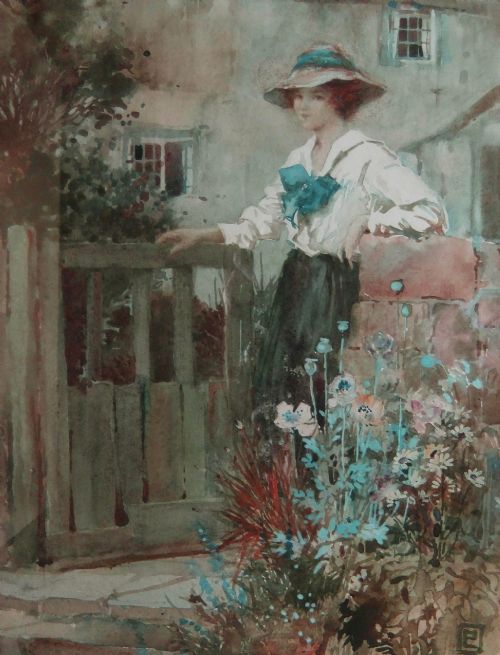
An English country landscape picture records the rural topography and agricultural life of Britain through framed works on paper, canvas, and panel. These pieces encompass pastoral scenes, harvest fields, thatched cottages, and river views produced across the nineteenth and twentieth centuries.
The most common examples encountered on this page date from the Victorian and Edwardian eras up to the nineteen-thirties, reflecting a sustained artistic interest in the British countryside. Works range from delicate watercolours to robust oil paintings executed by named artists and regional painters belonging to traditional schools.
Materials and Techniques
Artists relied upon watercolour on paper and oil paint applied to canvas, wood panel, or card to render these rural scenes. Pigments were frequently housed in gilded or wood frames, often complemented by protective glass for works on paper.
Techniques varied from fluid watercolour washes capturing atmospheric light to heavily textured oil applications using brushes and palette knives. Painters worked either directly from nature in the open air or developed compositions within the studio using preparatory sketches.
English Country Landscape Picture Retail Price Guide 2026
Typical asking prices for english country landscape picture among the pieces listed under this phrase on Sellingantiques today, from the lower quarter to the upper quarter. They describe what is for sale here now, not the wider market.
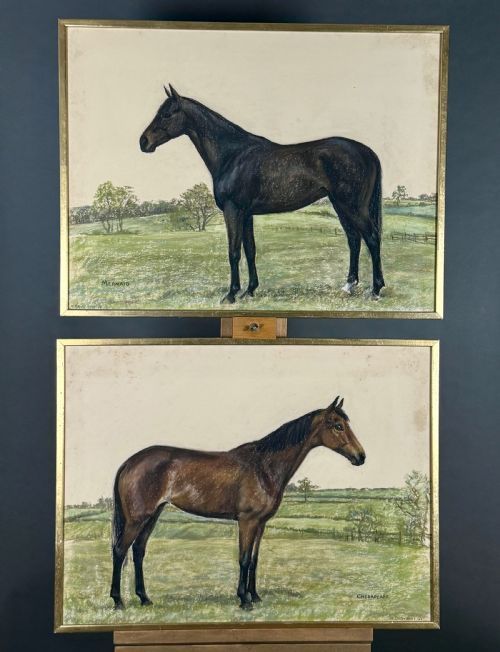
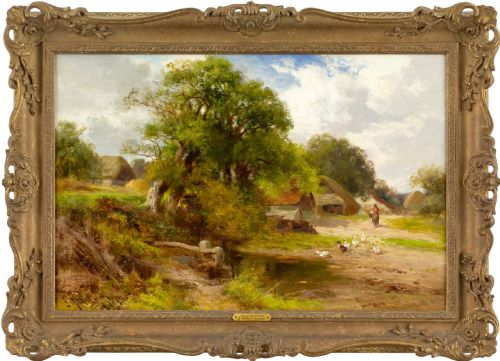
Artists frequently painted farmyards and fields where inquisitive ducks and tethered ponies occasionally shared the composition with harvesting figures.
Factors of Quality
Quality rests upon the artist's command of light, shadow, and proportion in translating natural scenery to the picture plane. Stronger examples display confident brushwork and a coherent spatial arrangement that draws the viewer into the depicted countryside.
The handling of atmospheric effects, such as morning mist over a river or golden light across a harvest field, distinguishes accomplished paintings from routine topographical records. Conservation of the original medium and the presence of a sympathetic period frame further influence the standing of an individual piece.
Percy Lancaster·William Howard Hardy·Walter Heath Williams·Robert Thorne Waite·Ernest Arthur Rowe·Henry Yeen King·T C Hofland·Sydney Yates Johnson·John Bedloe Goddard·Charles Walter Simpson·Arthur Reginald Smith·Frank Moss Bennett
The English Country Landscape Picture Glossary
- Watercolour
- A painting method where fine pigment is suspended in a water-based, transparent solution applied to paper. This medium allows for luminous washes that capture changing light across skies and fields.
- Oil on Canvas
- A traditional technique utilising pigments bound in drying oil spread across a stretched fabric support. This method permits rich colour saturation and varied surface textures.
- British Impressionism
- An artistic approach adopted by British painters influenced by continental movements, focusing on transient effects of light and spontaneous brushwork. Practitioners recorded everyday rural subjects outdoors rather than inside formal studios.
- Genre Painting
- The depiction of aspects of everyday life, often featuring figures engaged in agricultural labour, leisure, or domestic tasks within a landscape setting. These works provide social context alongside topographical detail.
- Gilded Frame
- A wooden picture surround coated with a thin layer of gold leaf or metallic gilt. Such mouldings were designed to complement the tones of the artwork and protect its perimeter.
English Country Landscape Picture: Frequently Asked Questions
What periods do these paintings cover?
The works span from the Georgian and Victorian eras through the Edwardian period up to the mid-twentieth century. Most examples originate between the late nineteenth century and the nineteen-thirties.
This timeframe captures shifts in British painting styles from traditional topographical recording toward more atmospheric impressionistic interpretations of the countryside.
How were these pictures originally displayed?
Owners typically hung these framed works in domestic reception rooms, parlours, and hallways as decorative windows onto familiar rural scenes. They served as focal points for interior decoration in both urban homes and country residences.
Many retain their original gilded or moulded wooden frames, which were selected to harmonise with the domestic interiors of the Victorian and Edwardian periods.
How do I care for antique watercolours?
Works on paper require protection from direct sunlight to prevent the fading of delicate watercolour pigments. Keeping them in stable humidity conditions safeguards both the paper support and the mounting materials.
Glazing helps shield the paper surface from atmospheric dust and moisture, while professional framing ensures the picture does not touch the glass directly.
How can I distinguish watercolours from oils?
Watercolours are executed on paper, display transparent colour layers, and require protective glass in the frame. The paper texture remains visible beneath thin washes of pigment.
Oil paintings utilise a heavier paint body applied to canvas, wood panel, or card, often presenting visible brush relief and a semi-gloss or matte varnish finish without requiring glass.