


Brown Watercolour Painting
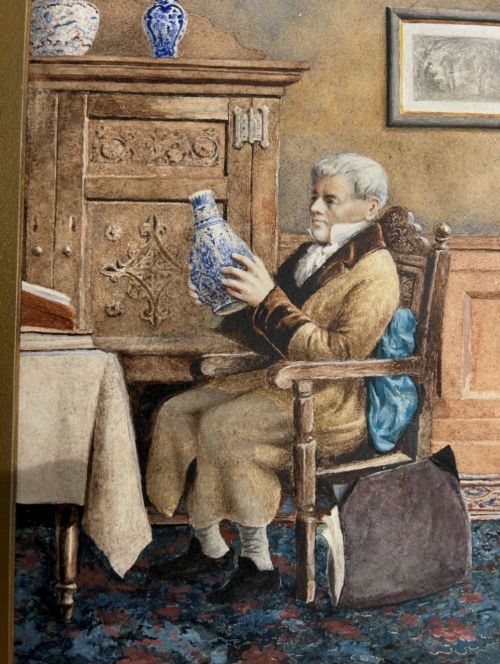
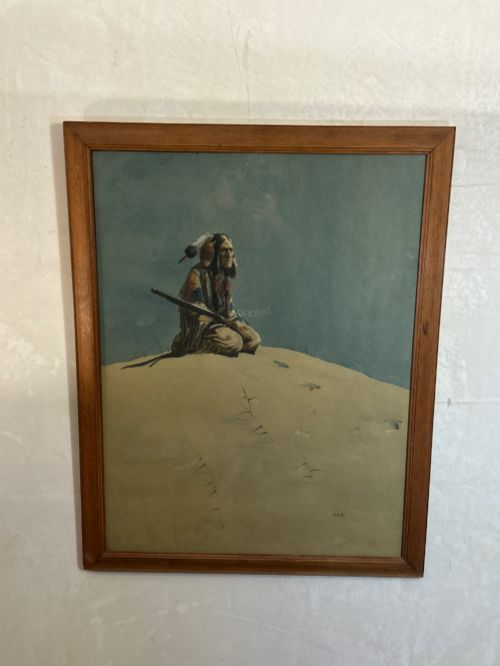
A brown watercolour painting brings the muted tones and subtle depth of historic landscapes and character studies directly into your interior.
Brown Watercolour Painting
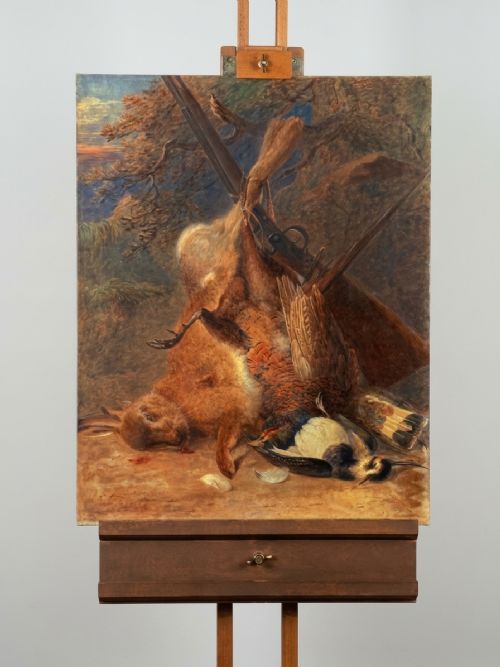
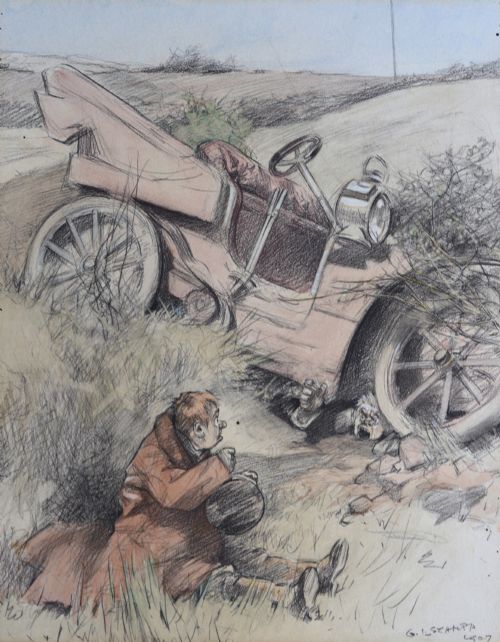
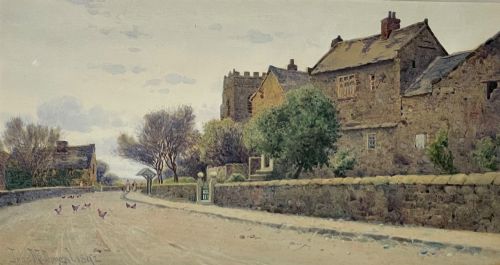
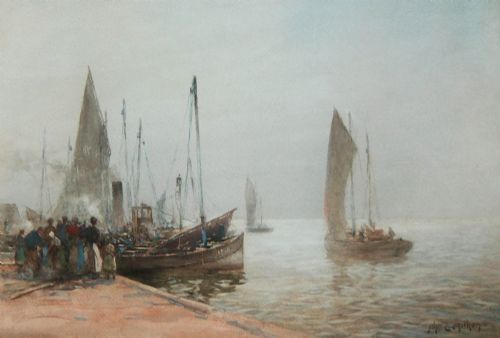
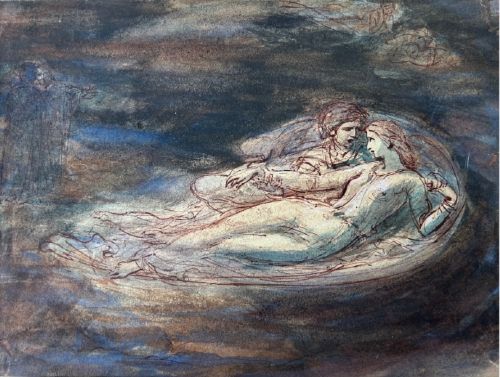
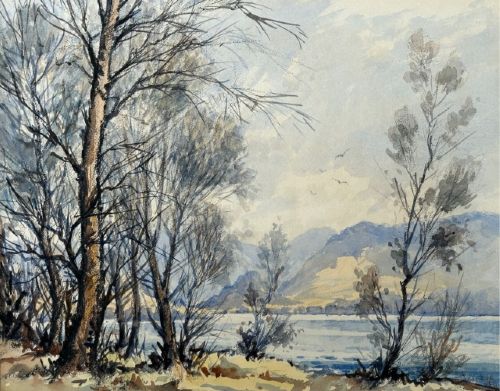
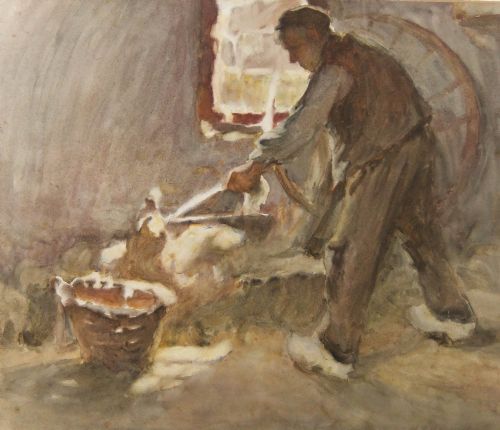
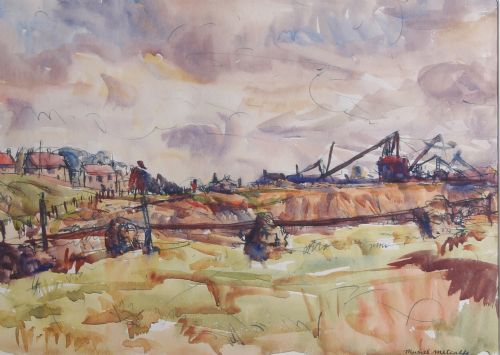
When you search for a brown watercolour painting, you encounter works executed primarily in monochrome earth pigments, sepia washes, or warm, monochromatic palettes that emphasise tone over bright colour. These pieces span the nineteenth and twentieth centuries, encompassing Regency sketches, Victorian maritime scenes, Edwardian coastal views, and mid-century British landscapes.
How They Were Made
Artists applied water-soluble pigments, gouache, and ink onto paper supports, often building up washes to create depth and shadow using a limited monochromatic range. Pen and ink lines frequently define the initial composition before watercolour pigment and bodycolour are introduced to add opacity and highlight details.
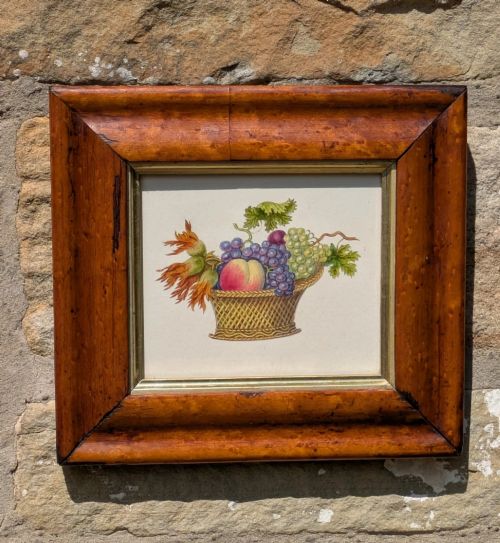
Protective framing under glass combined with wooden surrounds preserves the delicate paper surface and water-soluble pigments from environmental moisture and light degradation over generations.
Brown Watercolour Painting Retail Price Guide 2026
Typical asking prices for brown watercolour painting among the pieces listed under this phrase on Sellingantiques today, from the lower quarter to the upper quarter. They describe what is for sale here now, not the wider market.
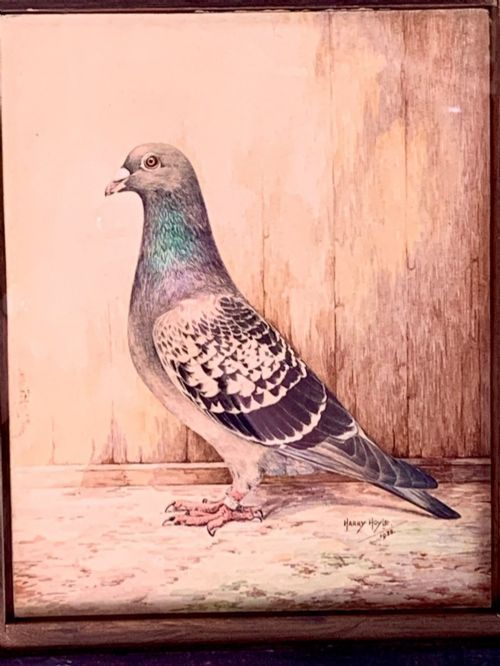
Pigeons occasionally claim historical glory, as demonstrated by a royal messenger watercolour that won a Silver Jubilee prize.
What Varies in Quality
The strength of draftsmanship and the confidence of the brushwork distinguish finer examples from standard decorative works, evident in the handling of light across a landscape or the precise rendering of architectural forms. Superior pieces demonstrate a nuanced control of tonal gradation within a restricted palette, giving depth and atmospheric perspective without relying on strong primary colours.
The preservation of the paper support and the vibrancy of the original pigment also shape the overall standard, as prolonged exposure to light can flatten the subtle sepia and brown washes that define the composition.
George Sydney Shepherd·George Lorain Stampa·James Orrock·William Cannon·John R Prentice·John Hassall·John McDougal·James E Aitken·Robert Leslie Howey·Henry Silkstone Hopwood·Muriel Metcalfe·John Smith Atherton·Hector Caffieri·Carl Haag·TB Hardy·Hendrik Valkenberg·Frederick Tatham·George Stanfield Walters·Ralston Gudgeon·James Hayllar·John Moxon·GH Brown·Edward Brown·Olive Higginbottom·Robert Brown Johnston
The Brown Watercolour Painting Glossary
- Watercolour
- A painting method in which natural pigments are suspended in a water-based solution and applied to paper. This medium allows for transparent washes and delicate tonal layering.
- Gouache
- An opaque water-based paint that includes a binding agent and white pigment to create solid, flat areas of colour. It is frequently combined with traditional watercolour to add highlights.
- Bodycolour
- Another term for gouache used in British painting traditions. Artists utilise this opaque medium to introduce lighter accents and substantial texture over transparent watercolour washes.
- Sepia
- A dark brown pigment originally derived from the ink sac of the cuttlefish. It served as the dominant tone for monochrome drawings and landscape sketches throughout the nineteenth century.
- Wash
- A thin, fluid layer of diluted watercolour pigment spread evenly across paper. Masters use successive washes to build up shadow and atmospheric depth in landscape scenes.
Brown Watercolour Painting: Frequently Asked Questions
What subjects appear in these paintings?
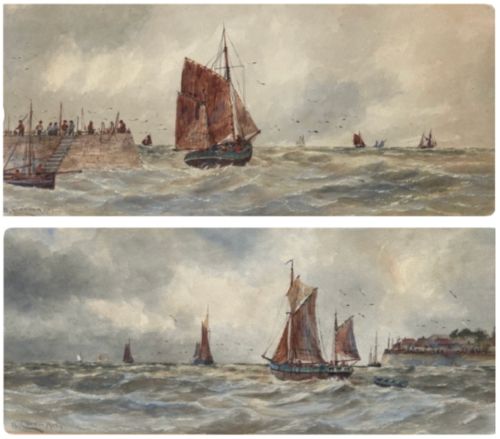
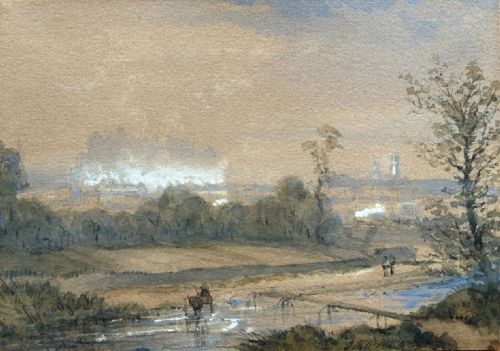
The compositions frequently depict British landscapes, coastal fishing boats, rural villages, historical street scenes, and intimate portraiture rendered in subtle earth tones.
Artists also recorded still life studies of flowers in brown jugs alongside architectural views and maritime traffic.
Why are some paintings monochrome brown?
Monochrome and sepia palettes were deliberately chosen by artists to focus attention entirely on tone, light, and shadow rather than distracting local colours.
This restricted palette also reflects the traditional sketching practices used to record rapid impressions before developing finished studio works.
How do I date an antique watercolour?
Examine the paper watermark, framing style, signature inscriptions, and the subject's clothing or architecture to establish a reliable period context.
Many nineteenth-century works include contemporary artist box labels, handwritten ink notes on the reverse, or exhibition stamps that record their historical provenance.