




Victorian Coastal Painting
A victorian coastal painting captures the atmosphere of nineteenth-century shorelines, fishing ports, and maritime life.

Victorian Coastal Painting
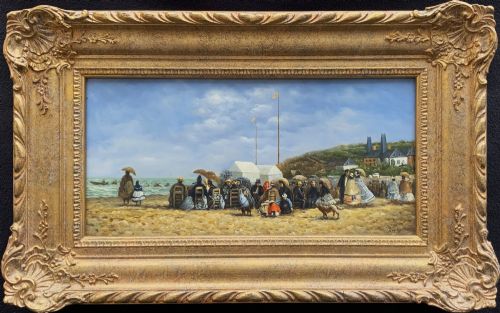
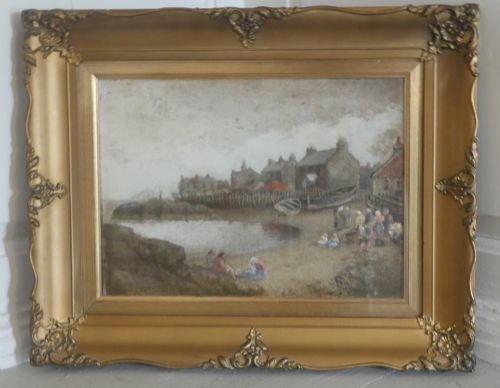
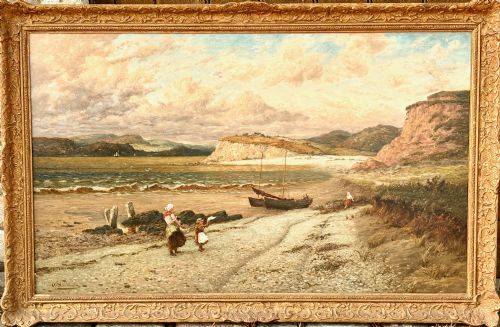
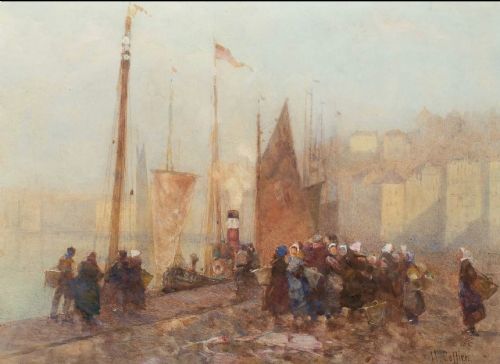
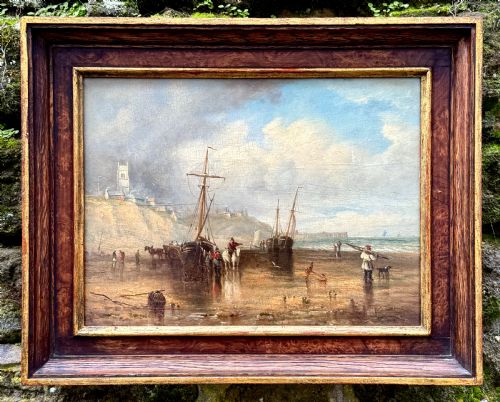
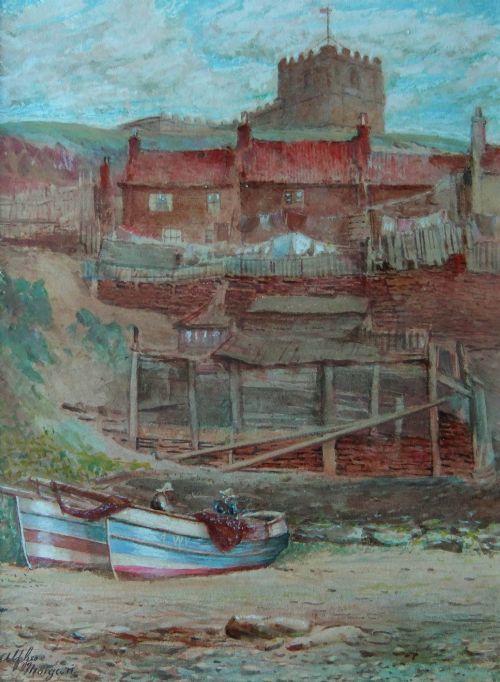
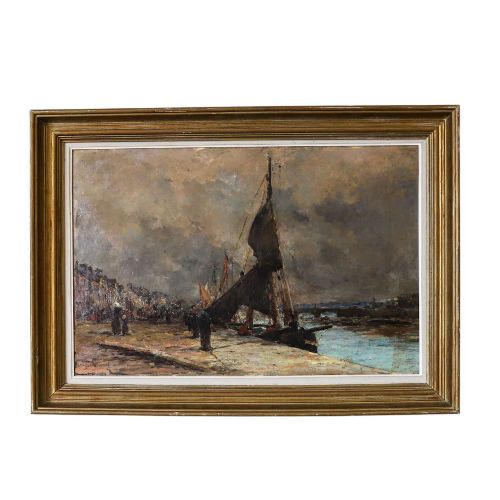
A victorian coastal painting represents nineteenth-century maritime life, capturing shorelines, harbours, and fishing vessels along British and European waters. Buyers encounter works depicting specific locations ranging from Whitby and Scarborough to St Ives, executed during periods spanning the mid-nineteenth century to the early twentieth century.
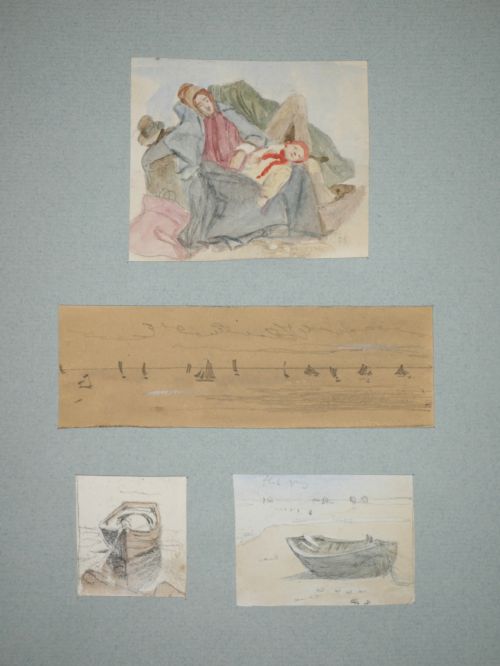
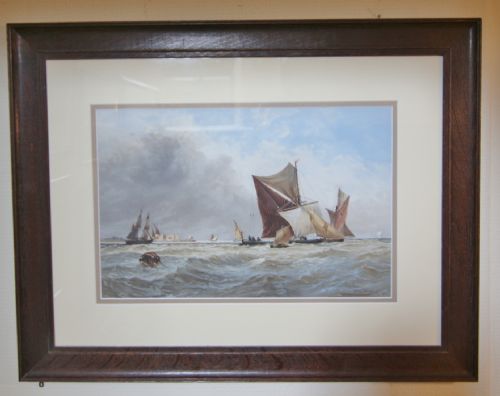
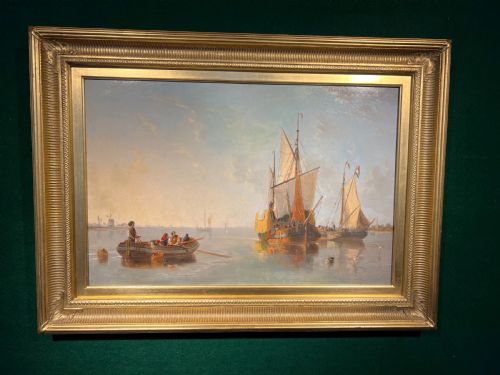
The selections on this page comprise oil paintings on canvas or board, alongside watercolours on paper housed in traditional gilt wood frames. Formats vary from intimate marine sketches to large-scale wall art featuring sailing ships, fishing boats, and coastal paths.
How They Were Made
Artists utilised oil paint on stretched canvas or wooden board, applying rich pigments to build texture and depth in marine scenes. Watercolour paintings on paper employed fluid washes to render atmospheric skies, coastal mist, and the movement of the sea.
Finished works were typically mounted behind glass for works on paper or set within ornate gilt wood frames for oils, protecting the medium while complementing the aesthetic of the period.
Victorian Coastal Painting Retail Price Guide 2026
Typical asking prices for victorian coastal painting among the pieces listed under this phrase on Sellingantiques today, from the lower quarter to the upper quarter. They describe what is for sale here now, not the wider market.
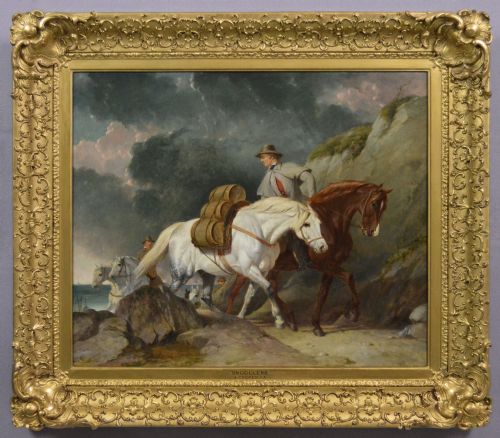
Several canvases manage to make nineteenth-century fishermen look remarkably relaxed despite the looming presence of unpredictable British seas and smugglers.
What Varies in Quality
Quality depends upon the artist's ability to capture natural light, atmospheric conditions, and maritime accuracy in rigging and vessel construction. Finer examples display confident brushwork and precise topographical detail that ground the scene in a specific coastal location.
The condition of the canvas, paper support, and original frame influences the overall integrity of the piece. Preserved surface pigment and minimal restoration separate exceptional works from more standard regional sketches.
James Orrock·James Smetham·Edward Mills·William Banks Fortescue·Hector Caffieri·Bernard Benedict Hemy·Thomas Creswick·TB Hardy·John Wilson Carmichael·Alfred G Morgan·Abraham Cooper·Joseph Farquharson·John Holland·George Stanfield Walters·Abraham Hulk I·Henry Barlow Carter·John Moxon·William Frederick Settle·Alfred George Morgan·John Bedloe Goddard·Charles William Adderton·William Edward Webb·Gustave De Bréanski·Sir Thomas Newenham Dean·F.W. Pike
The Victorian Coastal Painting Glossary
- Seascape
- A work of art depicting the sea, coastlines, and maritime activity. These pieces focus primarily on marine environments rather than inland landscapes.
- Watercolour
- A painting method where fine pigment is suspended in a water-soluble binder applied to paper. It yields translucent washes suited for capturing coastal skies and light.
- Gilt Wood
- Timber framing treated with a thin layer of gold leaf or metallic gilding. It provides a decorative border commonly found on nineteenth-century oil paintings.
- Marine Art
- Artistic representation of ships, harbours, and coastal scenes. This style encompasses both commercial shipping and traditional fishing fleets.
Victorian Coastal Painting: Frequently Asked Questions
What subjects appear in these paintings?
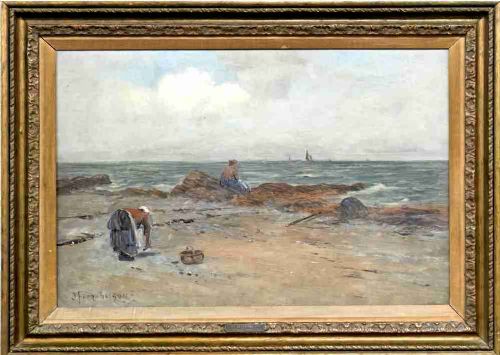
The artworks depict fishing boats, harbour scenes, coastal paths, and shipping vessels along various shores. Many pieces record specific nineteenth-century locations across Britain and Europe.
Artists focused on daily maritime activities, including fishermen landing their catch, sailing ships at anchor, and rugged coastal cliffs.
How are watercolours and oils different?
Waterworks utilise pigment on paper, offering translucent tones and lighter framing beneath glass. They capture transient effects of weather and coastal light.
Oil paintings use viscous pigments on canvas or board, allowing for textured brushwork and deep colour saturation within heavy gilt wood frames.
Where were these coastal scenes painted?
Painters travelled to active fishing ports and seaside towns to record local maritime life. Locations range from North Shields and Whitby to St Ives and Scarborough.
Some compositions depict international shores, reflecting the nineteenth-century interest in European coastal topography and marine trade.
How do I care for a framed painting?
Keep artworks away from direct sunlight and moisture to protect the canvas, paper support, and original pigments. Stable indoor environments prevent warping in wooden frames and boards.
Dust gilt frames gently with a dry cloth and avoid liquid cleaners on the painted surface or exposed paper.