






British Seascape Painting
British seascape painting captures the shifting moods of the coast, bringing the atmosphere of harbours, shipping and open water directly into a room.

British Seascape Painting
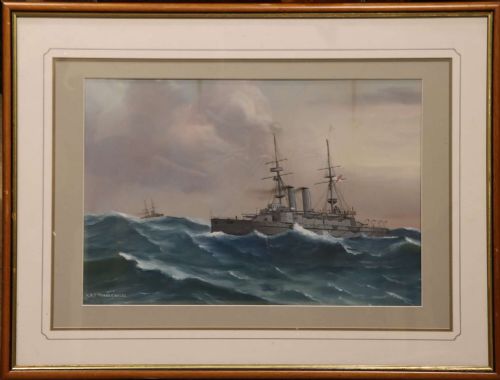
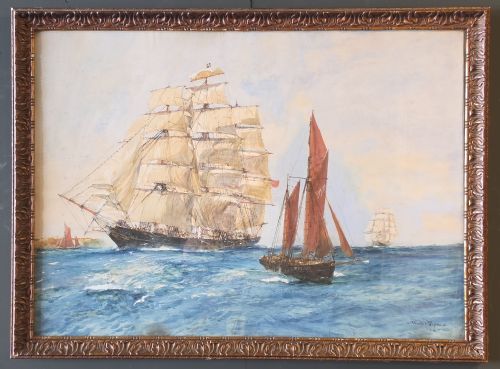
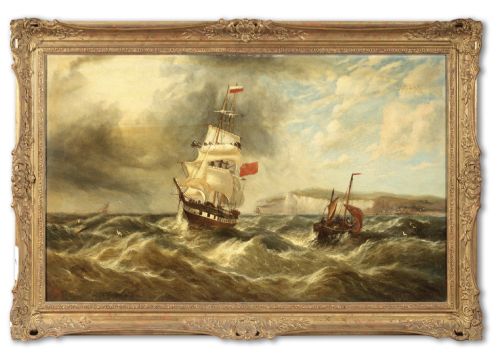
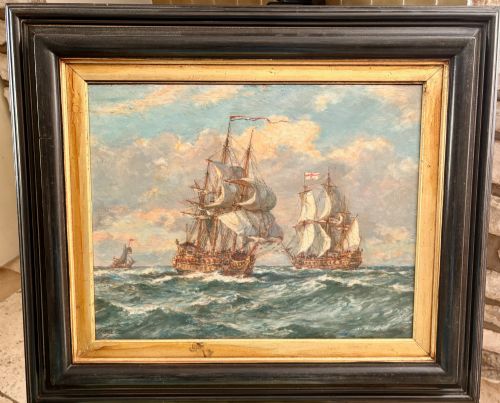
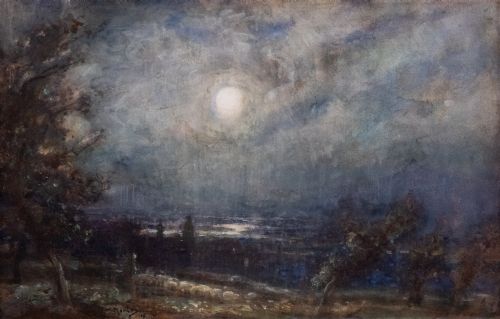
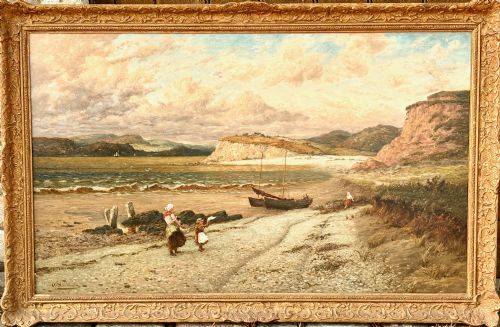
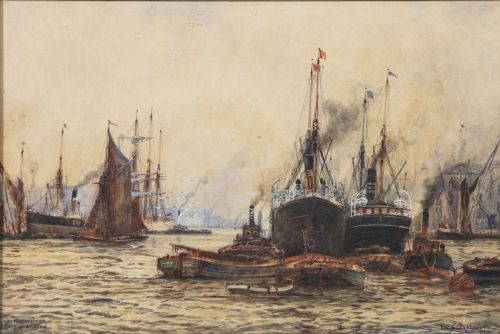
A british seascape painting records the maritime heritage of the island, focusing on coastal towns, fishing vessels and rough waters. These works span the nineteenth century into the twentieth century, shifting from detailed Victorian documentation toward looser impressionistic interpretations.
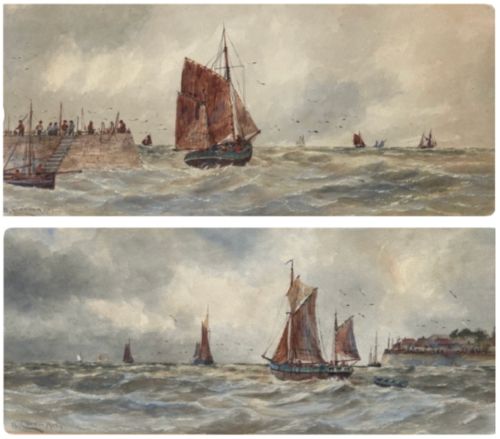
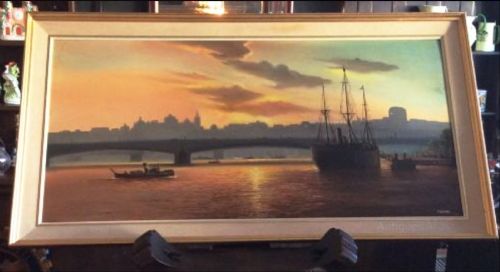
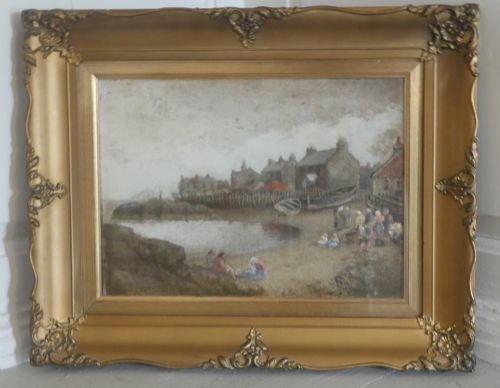
The subjects range from calm tidal estuaries and bustling ports like London and Whitby to dramatic cliff faces battered by stormy seas. Painters recorded working vessels such as fishing trawlers, barges and merchant clippers alongside everyday coastal life.
Buyers encounter both finished studio canvases and immediate watercolours painted en plein air along locations from Cornwall to Northumberland. Each piece preserves a specific coastal view shaped by the changing light and weather of British shores.
How They Were Made
Artists relied primarily on oil paint applied to canvas, wood panels and boards, or watercolour on paper, sometimes incorporating gouache for added opacity. Oil allowed for rich impasto textures that conveyed the heavy movement of waves, while watercolour captured transparent atmospheric light.
Works were created both in the studio from preliminary sketches and directly on location to catch transient weather effects. Framed presentation was standard, protecting delicate paper works under glass and supporting heavy canvas structures.
Listings feature works spanning the nineteenth century, Edwardian era, and mid-twentieth century, executed in oil, watercolour, and gouache on canvas, paper, and board.
What Varies in Quality
Quality rests on the confidence of the brushwork and the artist's ability to command light, atmosphere and scale within the composition. Stronger examples demonstrate a deep understanding of maritime architecture, rigging and water movement rather than rigid technical drafting.
The handling of mood separates standard topographical records from compelling artistic statements. Works that successfully render the weight of a stormy sea or the luminous haze of an evening port exhibit the maker's true capability.
James Orrock·Charles Edward Dixon·Thomas William Morley·John Wilson Carmichael·Henry Barlow Carter
The British Seascape Painting Glossary
- Impasto
- Paint applied thickly to a canvas, standing out from the surface so that texture and brushstrokes remain visible. This technique adds tactile weight to crashing waves and turbulent skies.
- En plein air
- The practice of painting outdoors directly from the subject to capture natural light and shifting weather conditions. It results in spontaneous compositions filled with immediate observation.
- Maritime
- Pertaining to ships, shipping and the sea. These scenes document naval vessels, commercial clippers and coastal trade.
- Wash
- A thin, transparent layer of diluted watercolour paint applied across paper. It builds atmospheric effects like skies and calm stretches of water.
British Seascape Painting: Frequently Asked Questions
How do I identify the date of a British seascape?
Dates are typically gathered from artist signatures, stylistic markers, clothing styles of figures on the shore, and the types of vessels depicted in the rigging.
Victorian works tend toward high detail and narrative maritime drama, while later twentieth-century pieces adopt freer brushwork and modernist compositions.
Were these painted outdoors or in studios?
Artists utilised both methods depending on the medium and scale of the project. Watercolours and smaller boards were frequently painted en plein air along the coast.
Larger oil canvases were generally completed in the studio using earlier field sketches and detailed knowledge of shipping anatomy.
How should I frame and display a watercolour?
Watercolours require conservation framing behind glass with acid-free mounts to protect the paper from humidity and ultraviolet light.
Keep them away from direct sunlight to prevent the pigments from fading over time, ensuring the delicate washes remain stable.
What subjects are most common in maritime art?
Fishing boats, bustling harbour quays, merchant shipping and dramatic coastal cliffs dominate the visual record. Artists returned repeatedly to working ports like Whitby, Scarborough and London's Thames.
These subjects reflect the nation's historical reliance on the sea for trade, food and transport.