





Victorian Coastal Artwork
Victorian coastal artwork brings nineteenth-century shorelines and harbours into a room through watercolours, drawings, and oil paintings.

Victorian Coastal Artwork
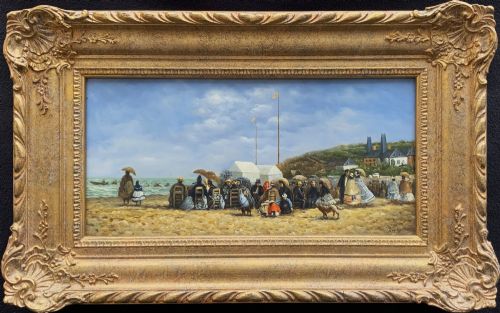
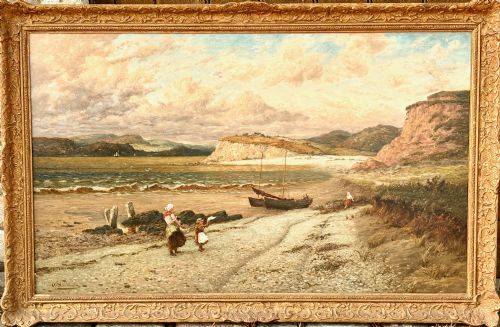
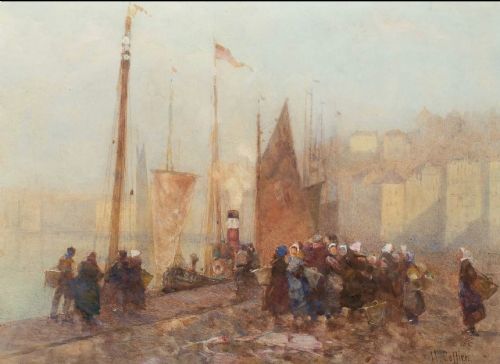
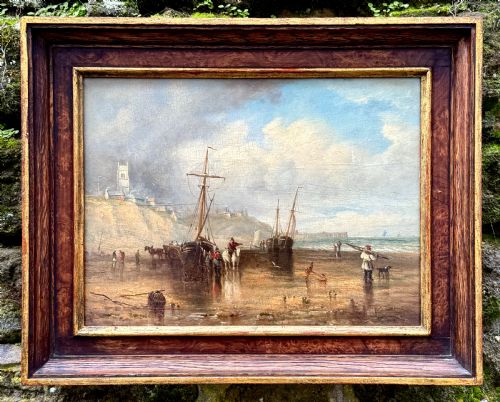
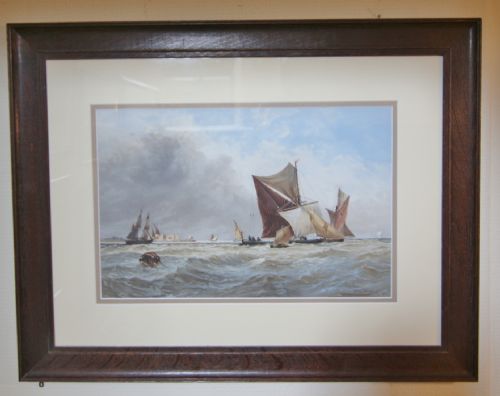
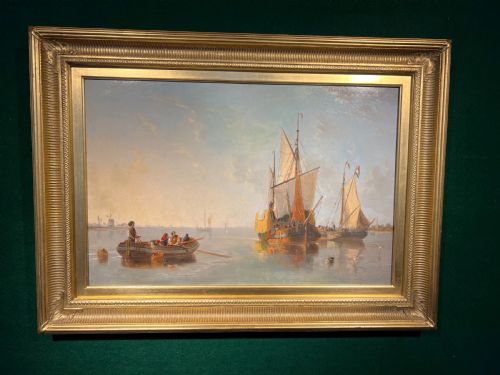
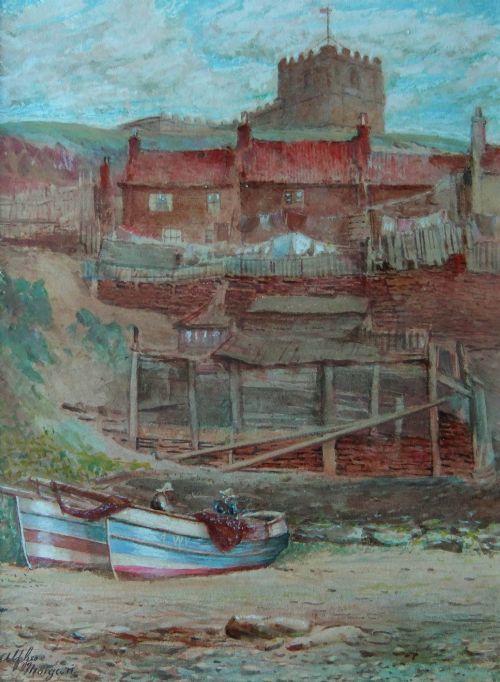
Victorian coastal artwork captures nineteenth-century maritime life, fishing coves, and tidal estuaries through period paintings and works on paper. These pieces document British and European waterscapes rendered by nineteenth-century artists recording the shoreline.
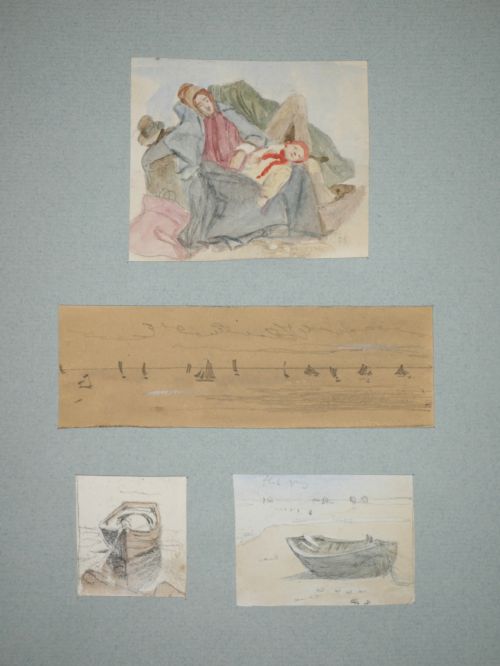
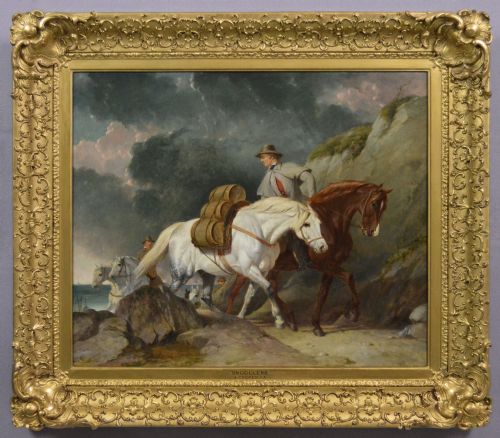
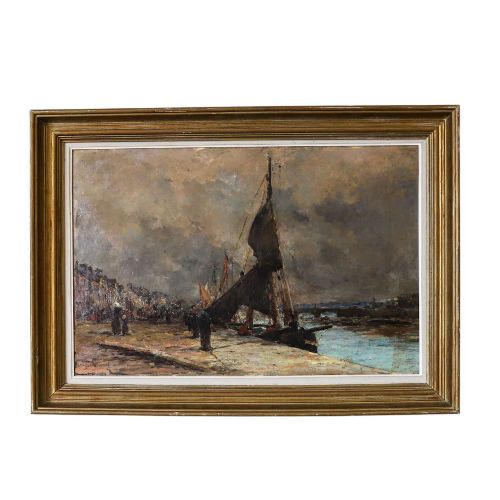
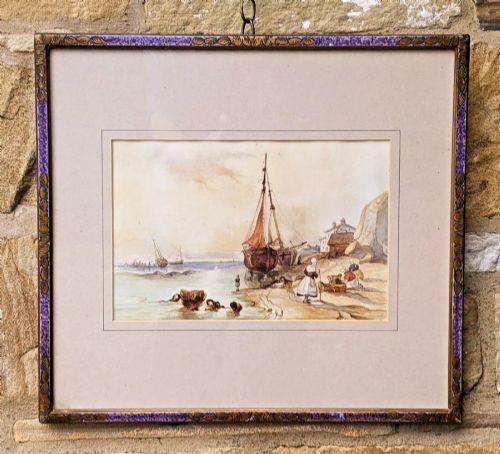
The selections available here include oil paintings on canvas and detailed watercolours on paper framed under glass. Common subjects feature fishing vessels, harbour sunsets, and quiet coastal scenes dated to the nineteenth century.
Materials and Technique
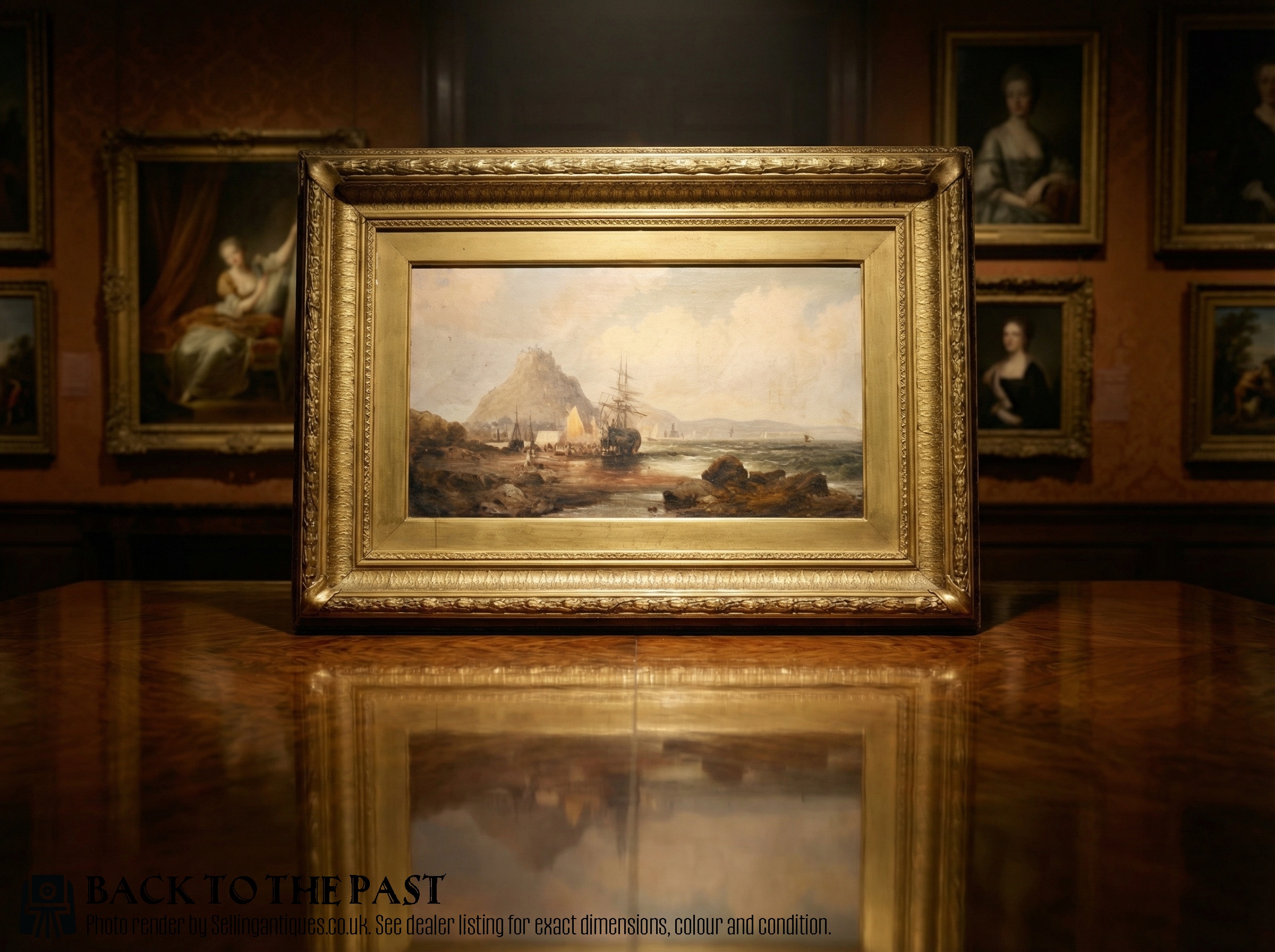
Makers utilised watercolour pigment and graphite on paper alongside oil paint applied to canvas. Gold leaf sometimes appears within framing elements, complementing the traditional mediums of the period.
Support materials consist of prepared canvas stretched over wooden frames or thick paper sheets. Works on paper are typically protected behind glass to prevent atmospheric damage to the watercolour pigments.
Retail Price Guide 2026
Typical UK retail prices for victorian coastal artwork, calculated from the Sellingantiques database of over a million retail prices indexed since 2003. This retail price guide relies exclusively on Sellingantiques data; no external sources or auction records are used, so the figures do not describe the wider market.
Listings incorporate nineteenth-century works spanning both oil paintings on canvas and watercolours on paper.
Judging Quality
Distinction across these works lies in the handling of light, atmosphere, and maritime detail by the artist. Stronger pieces display confident brushwork in oils or precise washes in watercolour that convey movement in water and sky.
The provenance and attribution to recorded nineteenth-century painters elevate specific watercolours and oil paintings above anonymous examples. Signed works and pieces with documented geographical subjects hold greater artistic interest.
James Smetham·Thomas Bush Hardy·John Syer Junior·Lennard Lewis
The Victorian Coastal Artwork Glossary
- Watercolour pigment
- A water-soluble colorant used on paper surfaces to create translucent washes and fine linear details in maritime sketches.
- Graphite
- A form of carbon used for initial sketching and tonal shading beneath or alongside watercolour applications.
- Canvas
- A heavy woven fabric stretched across a wooden frame, serving as the primary support for nineteenth-century oil paintings.
- Works on paper
- A collective category encompassing drawings, watercolours, and mixed-media creations executed on paper supports.
Frequently Asked Questions
How should I hang coastal watercolours?
Watercolours require placement away from direct sunlight to prevent the fading of nineteenth-century pigments on paper. Using UV-filtering glass provides additional protection during display.
Ensure the room maintains stable humidity levels to protect both the paper support and the historical wooden frames.
Are these oil paintings on canvas?
Certain pieces within this selection are executed in oil paint upon stretched canvas. These works typically require less strict light protection than paper-based watercolours.
Canvas paintings benefit from gentle dusting with a soft, dry brush and should not be exposed to damp environments.
Can I reframe these antique works?
Original period framing often complements nineteenth-century artwork, though damaged frames may necessitate conservation or replacement. Consult a professional framer to ensure acid-free materials touch the artwork.
Preserving historical gold leaf or wooden moulding maintains the period character of the painting.