



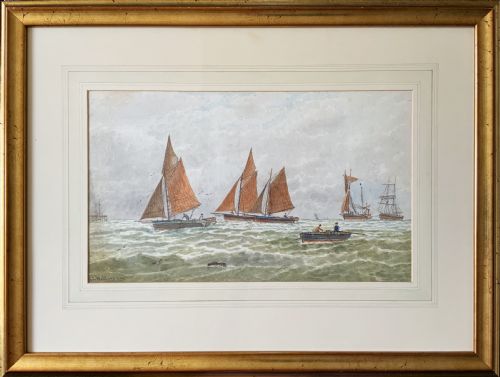
Antique Seascape Watercolour
An antique seascape watercolour captures nineteenth-century maritime life and coastal air, offering a direct window into Britain's rich coastal heritage.

What an antique seascape watercolour represents
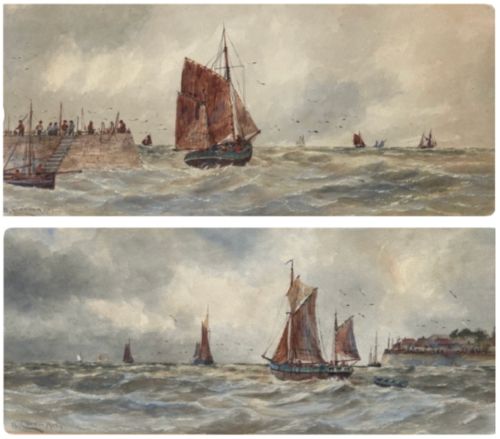
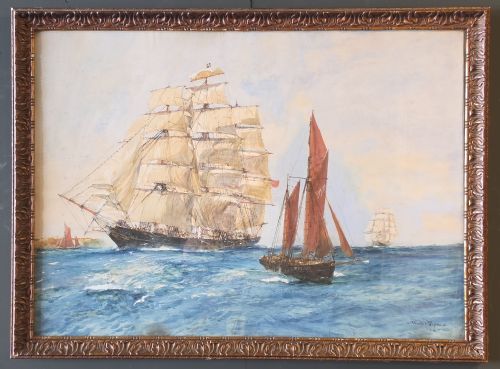
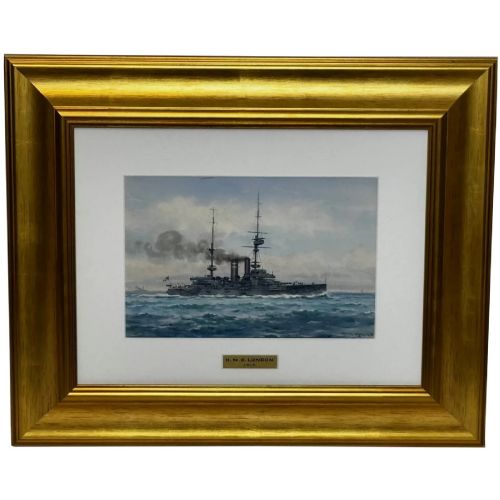
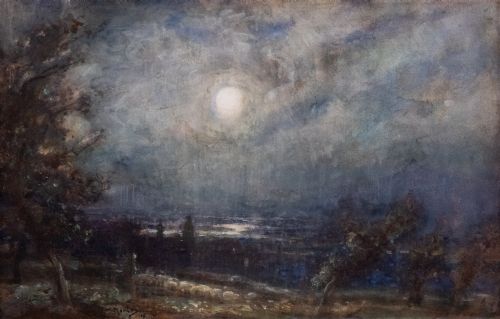
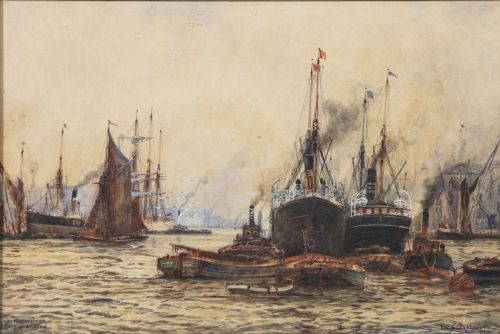
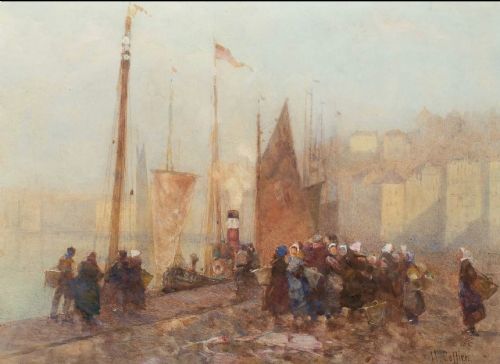
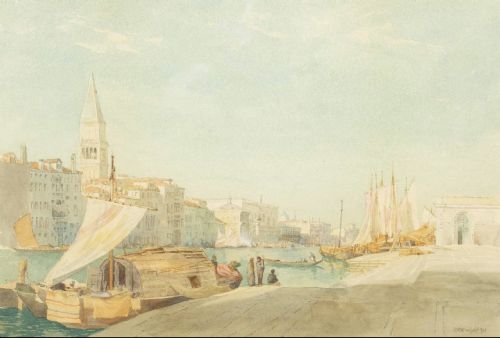
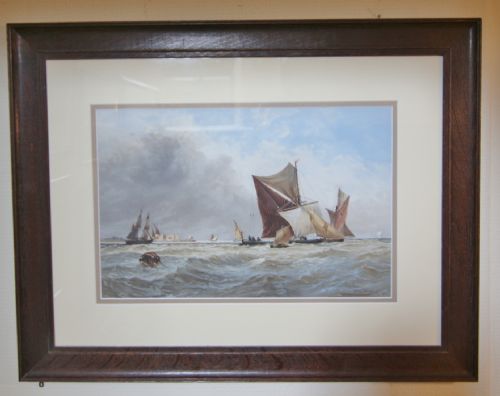
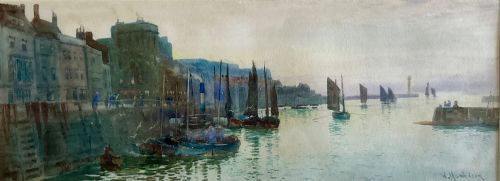
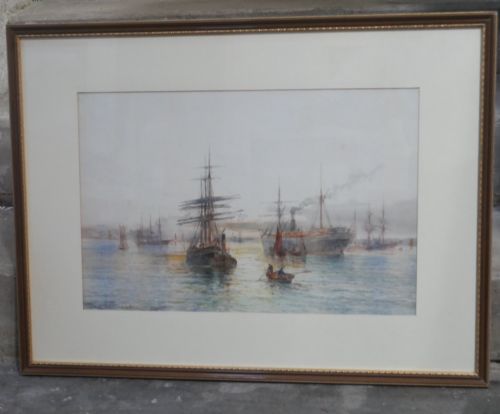
An antique seascape watercolour represents a historic painted record of coastal waters, tidal shores, and maritime activity. The works typically capture sailing vessels, bustling fishing harbours, and dramatic chalk cliffs along the British and European coastline.
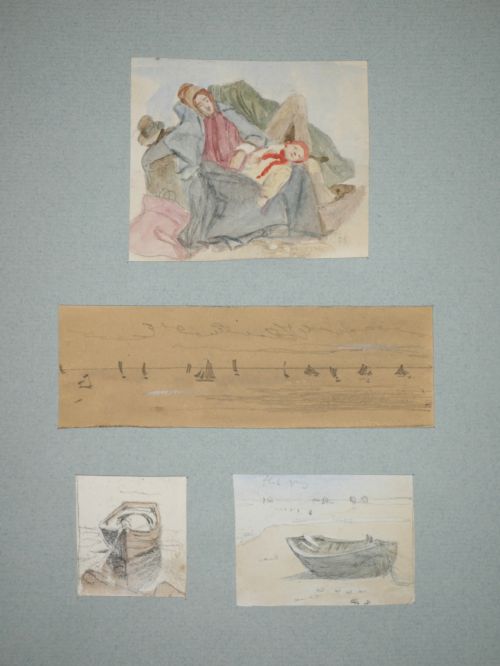
Most pieces encountered on this page date from the nineteenth century into the early twentieth century. They range in form from intimate sketchbook studies to finished exhibition watercolours framed behind glass in gilt wood mounts.
Subjects frequently document specific locations, from Yorkshire fishing coves and Devon beaches to Portsmouth harbour and the Isle of Wight. Artists recorded the changing moods of the sea, combining topographical accuracy with atmospheric weather conditions.
Materials and technique
Artists applied watercolour pigment onto paper using varying washes, sometimes incorporating pencil underdrawings or gouache for opaque highlights. The delicate water-based medium allowed painters to capture transparent coastal light and subtle atmospheric mists.
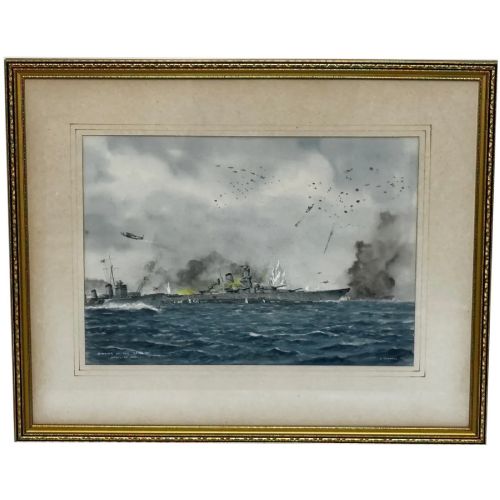
Finished works were preserved behind glass to protect the paper surface from atmospheric moisture and dust. Many retained their period gilt wood frames and gold mounts, which complement the tones of the painting.
Retail Price Guide 2026
Typical UK retail prices for seascape watercolour, calculated from the Sellingantiques database of over a million retail prices indexed since 2003. This retail price guide relies exclusively on Sellingantiques data; no external sources or auction records are used, so the figures do not describe the wider market.
The archive records works depicting coastal scenes across Yorkshire, Devon, Portsmouth, and international harbours in France and Spain.
Distinctions in quality
Quality rests upon the artist's handling of light, movement, and spatial depth within the maritime environment. Superior works convey the palpable weight of heavy seas and the atmospheric quality of coastal air rather than relying on stiff topographical recording.
The sophistication of the brushwork and the preservation of the pigment also define the upper tier. Strong works maintain their tonal contrast without excessive fading, retaining the luminous transparency characteristic of the watercolour medium.
George Stanfield Walters·Thomas Bush Hardy·John Syer·James Webb
The Antique Seascape Watercolour Glossary
- Gouache
- An opaque watercolour medium containing white pigment mixed with gum, utilised by artists to create solid highlights and dense areas of colour.
- Gilt wood
- Carved timber framing finished with a thin layer of gold leaf, frequently found enclosing nineteenth-century works.
- Coble
- A traditional open fishing boat with a high bow and flat floor, commonly depicted in northern British coastal scenes.
- Triptych
- A picture divided into three separate panels, allowing artists to present a continuous panoramic coastal view.
Frequently Asked Questions
How should I display my watercolour?
Watercolours are sensitive to direct sunlight and require placement away from windows to prevent pigment fading over time. Conservation framing with UV-filtering glass helps preserve the delicate paper and pigments.
Maintaining stable indoor humidity levels also protects the antique paper from developing foxing spots or structural warping.
How do I date a nineteenth-century painting?
Dating relies upon stylistic evidence, artists' active working periods, and accompanying biographical details recorded in signatures or archive notes. Costume details on figures and the rigging style of depicted ships also offer chronological clues.
Framing materials and backing papers often provide secondary physical evidence confirming the era of assembly.
Are all coastal watercolours signed?
Many nineteenth-century works bear signatures, monograms, or studio inscriptions, though a significant number remain unsigned or attributed based on style. Unsigned works frequently emerged from contemporary sketchbooks or informal studies rather than finished exhibition pieces.
Attribution for unsigned paintings depends upon stylistic comparisons with documented works by known Victorian marine artists.
What subjects appear most frequently?
British and European coastal waters dominate the subject matter, featuring busy harbours, sailing barges, and fishing boats at work. Scenes often capture specific regional landmarks, from Yorkshire headlands to south coast cliffs.
Artists also recorded dramatic weather events, ranging from calm sea mists to stormy open waters near lighthouses.