

Framed Oil Artwork
Framed oil artwork brings centuries of portraiture, landscape and narrative into domestic rooms through pigment and canvas.
Framed Oil Artwork
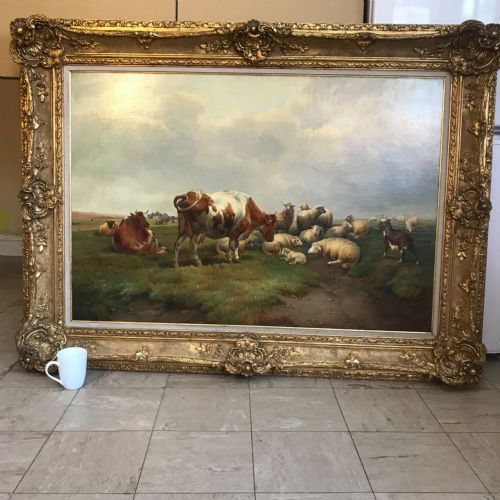
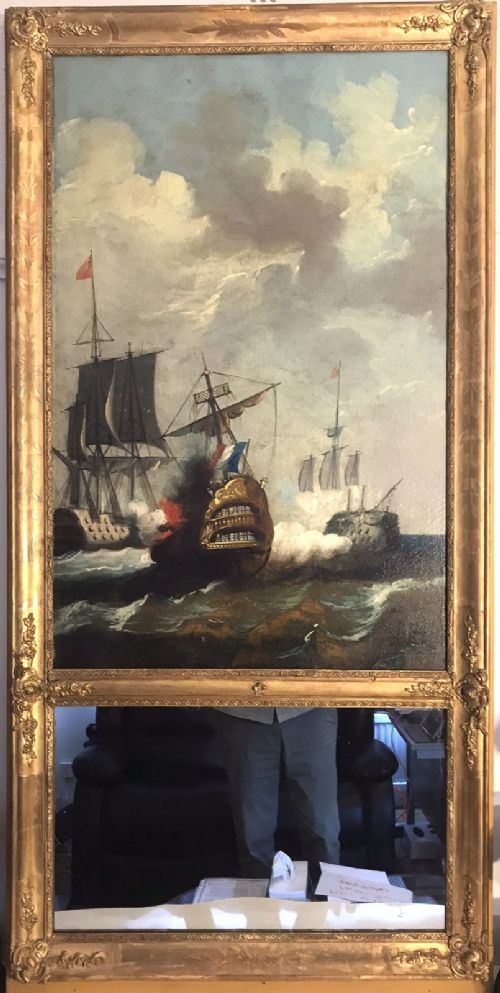
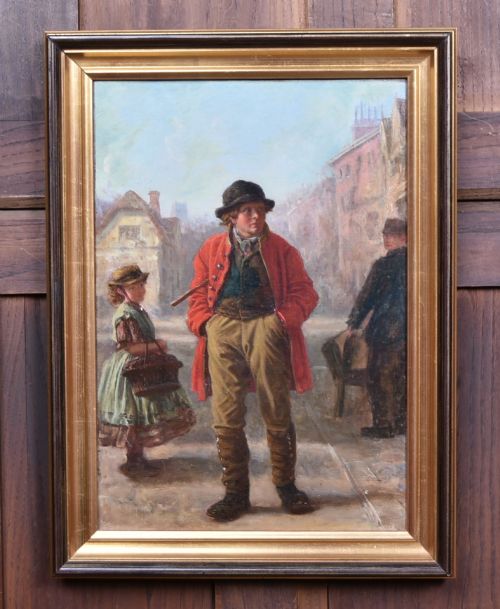
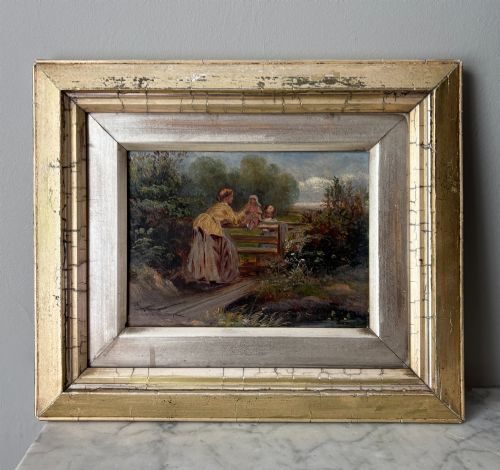
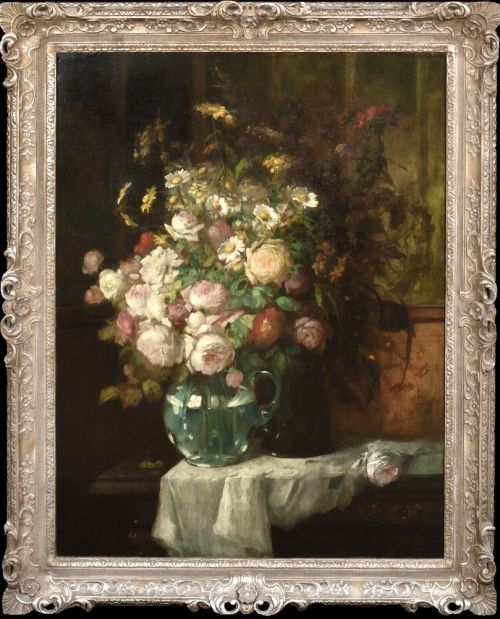
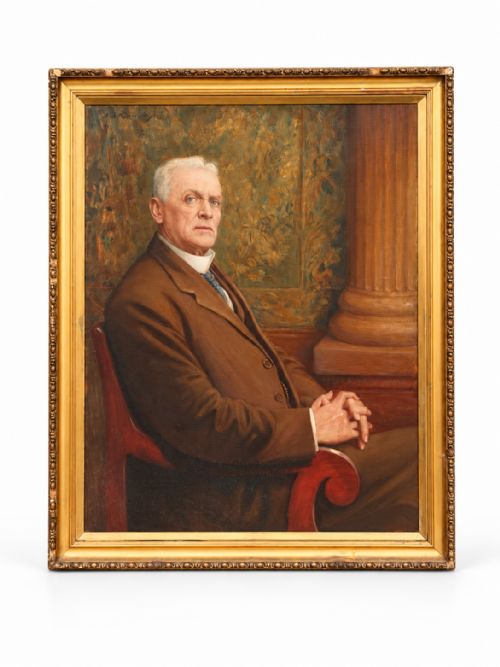
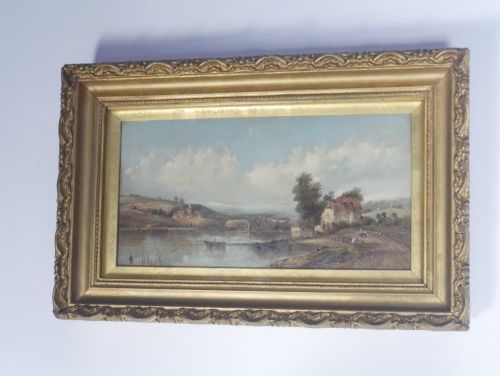
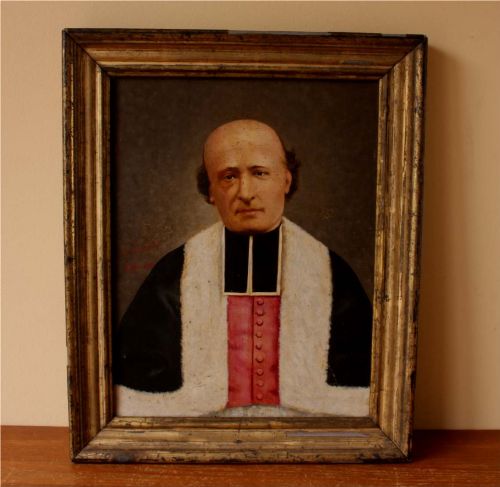
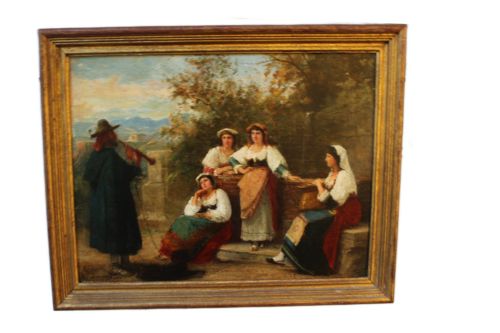
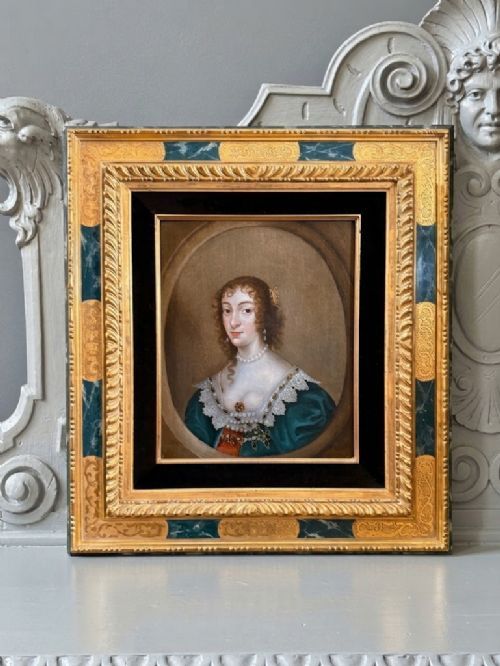
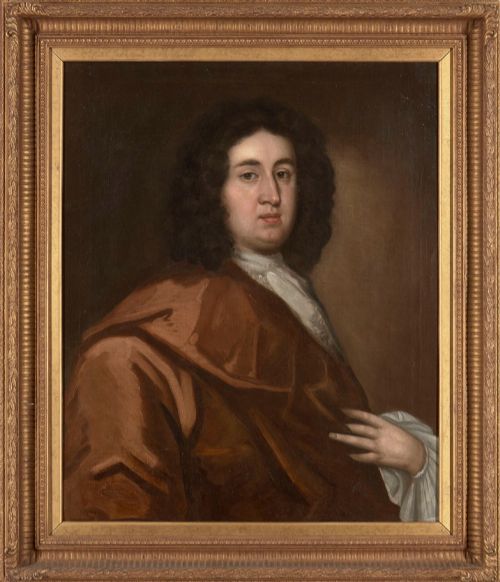
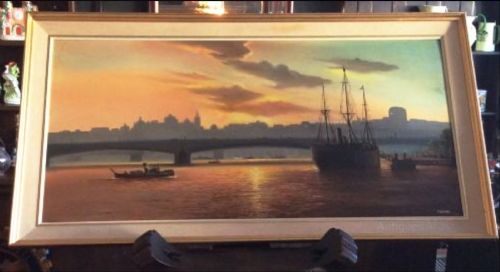
A buyer seeking framed oil artwork encounters paintings spanning from the seventeenth century through to the mid-twentieth century, encompassing both British and continental schools. The most frequent examples on this page are nineteenth-century portraits and landscapes, alongside floral still lifes and maritime scenes.
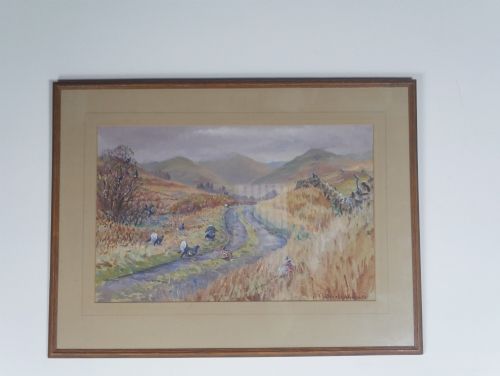
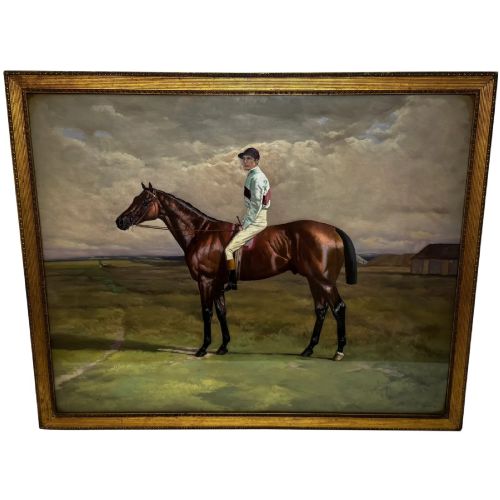
These pieces encompass works executed on canvas, wood panels, and board, retaining their original or period frames. Subjects range from classical mythology and equine studies to detailed social history and topographical views.
Materials and construction
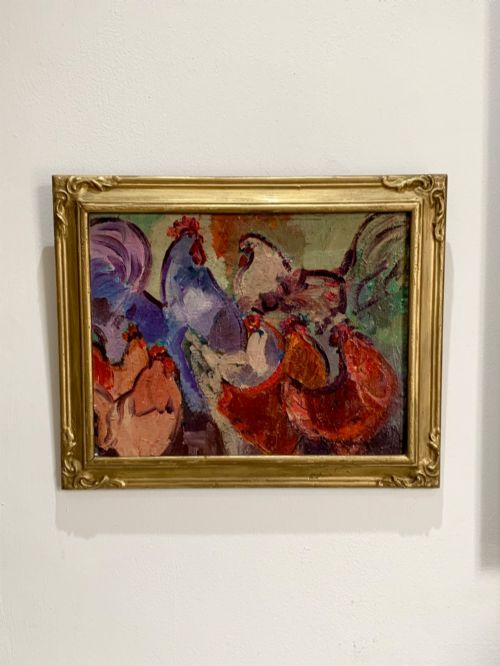
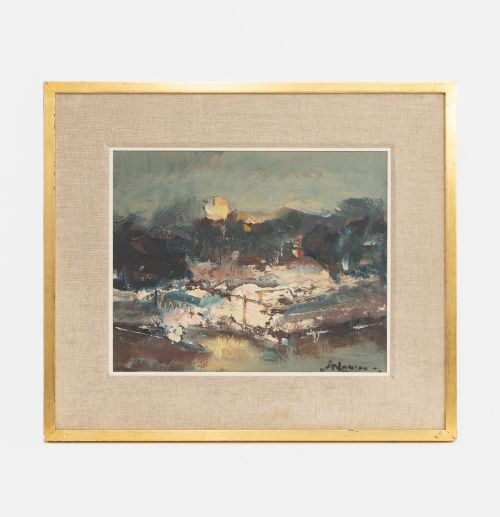
Painters applied oil paint formulated from ground pigments suspended in drying oils onto woven canvas stretched over wooden frames or directly onto prepared wooden boards. The handling of medium allows for rich impasto textures in later nineteenth and twentieth-century works as well as translucent glazing in earlier portraiture.
Surrounding surrounds often comprise carved wood finished with gold leaf, giltwood, or applied gesso moulded into decorative patterns that reflect the prevailing taste of the period.
Framed Oil Artwork Retail Price Guide 2026
Typical asking prices for framed oil artwork among the pieces listed under this phrase on Sellingantiques today, from the lower quarter to the upper quarter. They describe what is for sale here now, not the wider market.
Racing pigeons and garden leaves share canvas space with royalty and nobility across the centuries.
Aspects of quality
Quality rests upon the confidence of the brushwork and the anatomical or spatial accuracy achieved by the hand behind the canvas. Superior examples display subtle tonal modulation, convincing light sources, and expressive character in portrait subjects.
The integration between the painting and its housing matters significantly, as period frames matching the age and nationality of the artwork elevate the historical integrity of the piece.
Henry Barraud·Sir Joshua Reynolds·William Oliver·Eugène Verboeckhoven·Sir Peter Lely
The Framed Oil Artwork Glossary
- Oil on Canvas
- A technique where pigment mixed with oil medium is applied to a woven fabric support. This combination offers flexibility and allows artists to build rich layers of colour.
- Giltwood
- Wood that has been coated with a thin layer of gold leaf or powder. It provides a reflective, opulent border that complements traditional oil paintings.
- Impasto
- Paint applied thickly to a canvas, standing out from the surface so that the brush or palette knife marks remain visible. This technique adds tactile dimension to the visual composition.
- School
- A group of artists working in a similar style or region during a specific era, often under the influence of a master. It denotes artistic lineage rather than a formal educational institution.
Framed Oil Artwork: Frequently Asked Questions
How do I date an old oil painting?
Dating relies on stylistic clues within the subject matter, such as costume, hairstyle, and architectural details, combined with the material composition of the canvas and stretcher frames.
Examining the type of nails, canvas weave, and any inscriptions or signatures on the reverse provides further chronological markers.
What is the difference between canvas and panel?
Canvas consists of woven fabric stretched over a wooden frame, offering slight give under the brush and a textured surface. Panels utilise solid wood or board, providing a rigid support favoured for finer detail and earlier works.
Both materials require specific conservation approaches to prevent warping or cracking of the paint layer.
How should I hang and light oil paintings?
Oil paintings need stable indoor environments away from direct sunlight, excessive humidity, and rapid temperature fluctuations that cause the ground and paint layers to expand and contract. Picture lights or indirect ambient illumination highlight the depth of the pigments without generating damaging heat.
Secure fixings suited to the weight of both the canvas and the heavy timber frame are essential for safe wall mounting.
Are period frames important for these artworks?
Period frames provide historical context and structural protection to the edges of the canvas. Matching the age of the frame to the date of the painting enhances the visual harmony of the piece.
Original gilding and moulding demonstrate the craftsmanship contemporary with the creation of the artwork.