


17th Century Painting
When examining a 17th century painting, buyers encounter centuries-old portraiture and narrative works that anchor a room with historical gravity and accomplished brushwork.
17th Century Painting
A 17th century painting primarily comprises oil on canvas or wood panel works created across European schools, capturing subjects from nobility to landscapes and religious narratives.
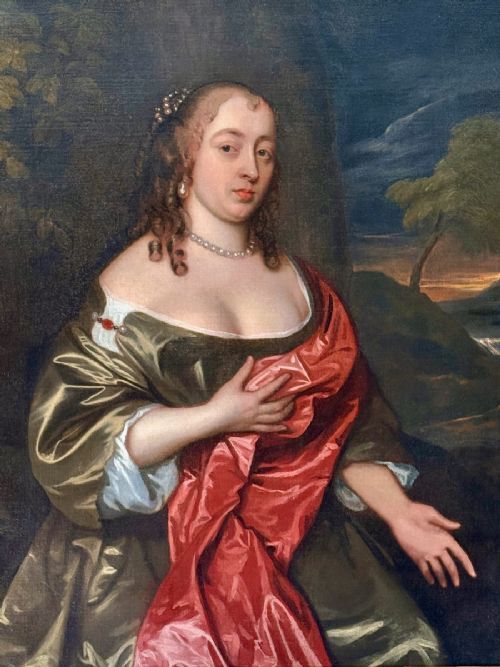
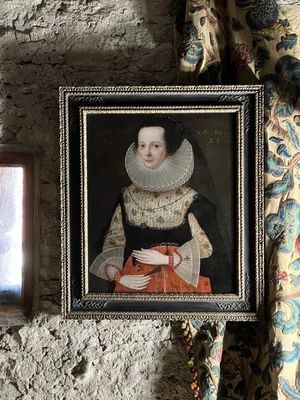
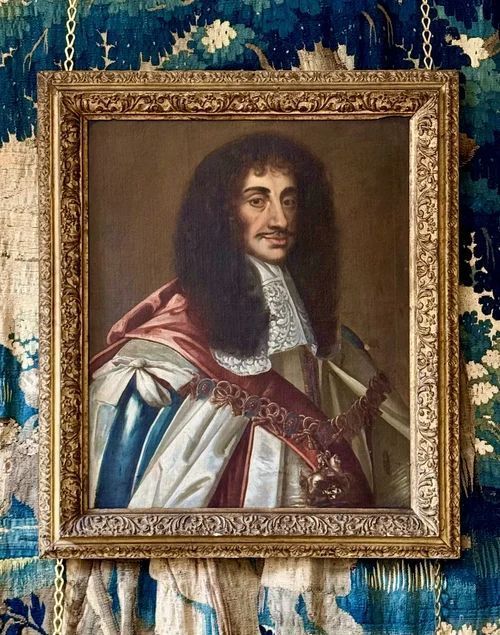
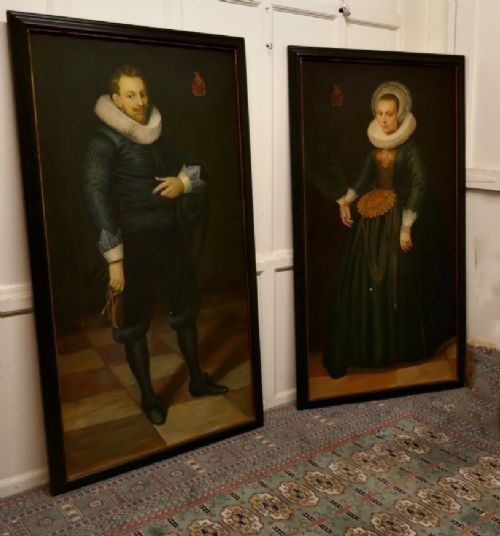
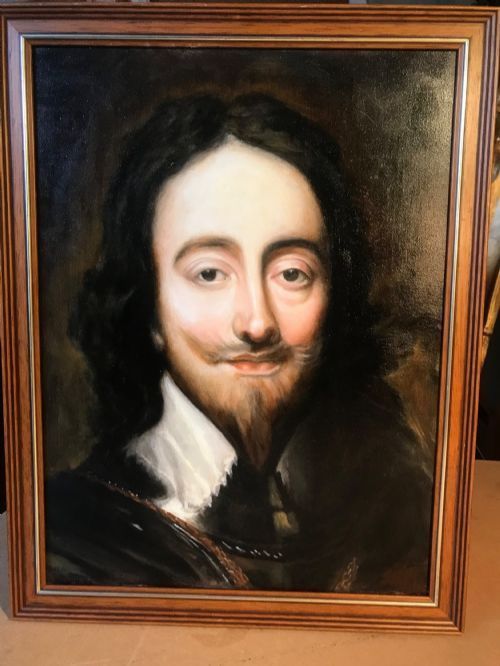
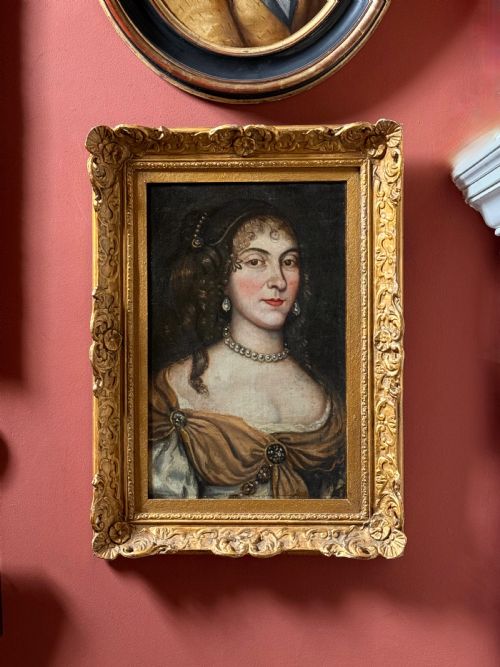
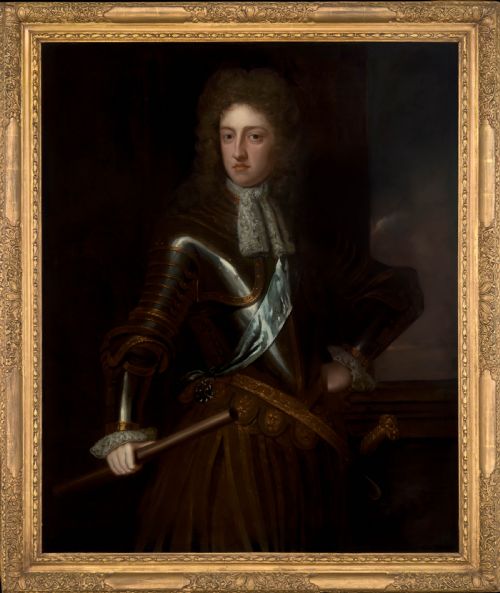
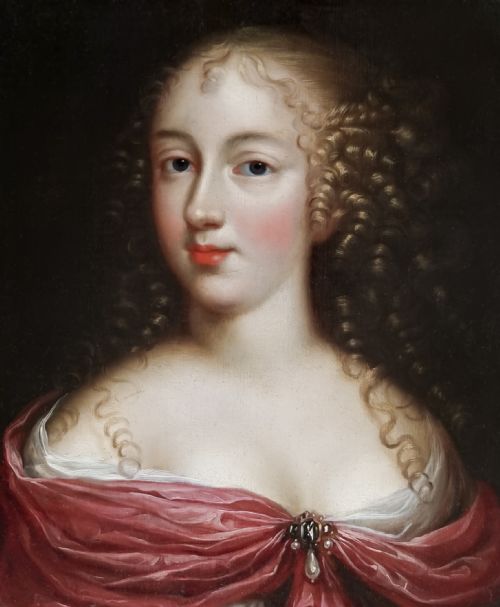
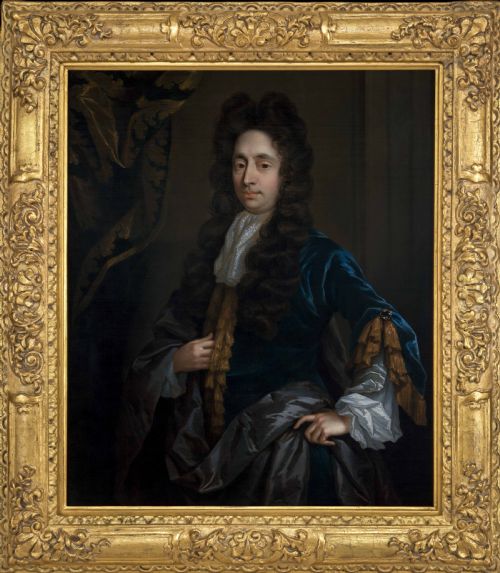
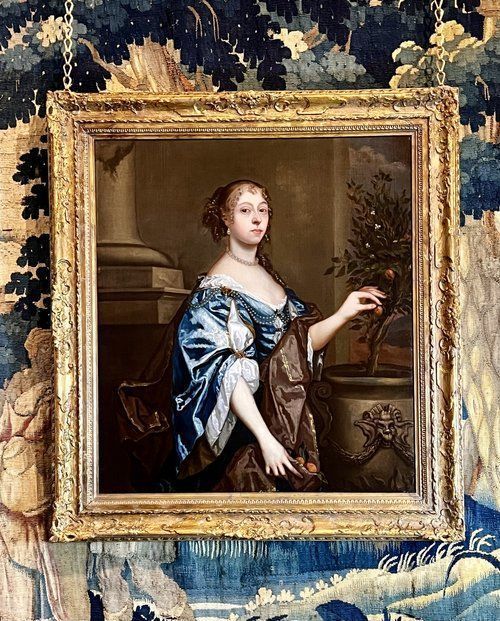
Most pieces met on this page are oil portraits depicting figures in elaborate historical costume, ruffs, or armour, reflecting the dominant portraiture commissions of the era.
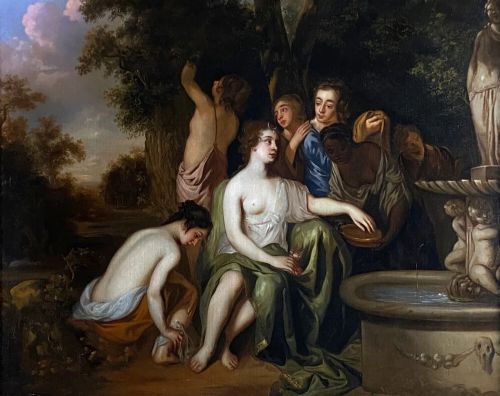
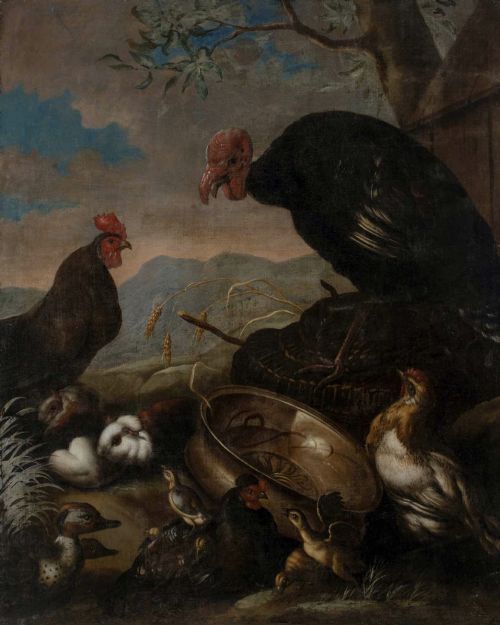
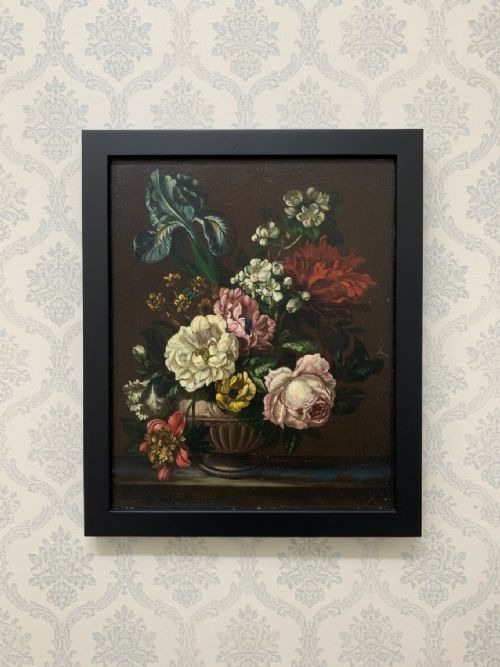
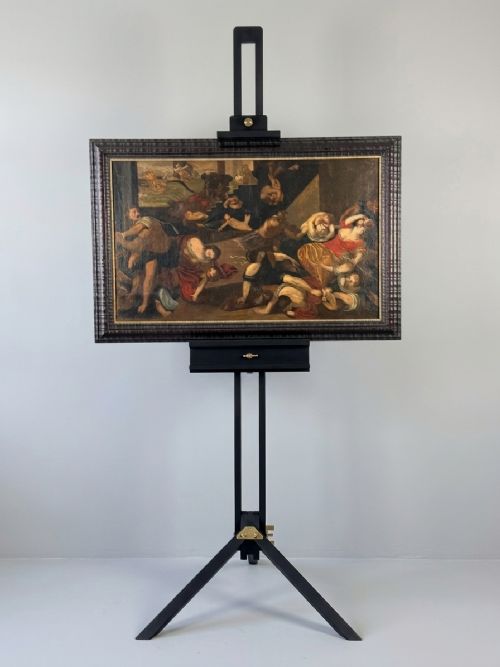
Alongside portraits, buyers will find maritime scenes, still lifes, and mythological compositions originating from English, Dutch, Flemish, and Italian workshops.
How They Were Made
Artists applied rich oil paint layers onto prepared canvas or sturdy wood panels, utilising natural pigments that developed deep patinas over centuries.
Substantial preparatory work involved sizing supports with animal glue and gesso before building up luminous glazes and opaque highlights.
17th Century Painting Retail Price Guide 2026
Typical asking prices for 17th century painting among the pieces listed under this phrase on Sellingantiques today, from the lower quarter to the upper quarter. They describe what is for sale here now, not the wider market.
Listings include works from English, Dutch, Flemish, French, German, Spanish, and Italian schools across canvas and wood panel.
What Varies in Quality
Quality rests upon the handling of anatomy, textiles, and light by the artist or workshop, distinguishing master output from provincial studio repetitions.
Condition and the extent of historical restoration significantly influence the integrity of the original surface paint layers and canvas stability.
Sir Peter Lely·Sir Godfrey Kneller·Sir Anthony van Dyck·John Hayls·John Michael Wright
The 17th Century Painting Glossary
- Oil on canvas
- A painting medium where pigments are suspended in a drying oil, applied to a stretched woven fabric support. This combination allowed artists to blend tones smoothly and achieve subtle transitions of light.
- Wood panel
- A rigid support constructed from timber boards used by artists before canvas became universal. Panels provide a stable, smooth surface that preserves fine details in early works.
- Baroque
- An artistic style prevalent during the period characterised by dramatic movement, deep shadow, and intense emotional expression. Painters used stark contrasts between light and dark to create theatrical depth.
- Pentimento
- An alteration in a painting evidenced by visible traces of previous brushstrokes beneath the final layer. This phenomenon occurs when underlying paint layers become more transparent over time.
- Old Master
- A term designating a skilled European artist working before roughly eighteen hundred. These painters established foundational techniques in composition and portraiture.
17th Century Painting: Frequently Asked Questions
How do I identify a seventeenth century portrait?
Examine the sitter's clothing, hairstyles, and ruffs or lace collars, which follow the strict fashions of the sixteen hundreds. Pigment analysis and canvas preparation also help verify the age of the materials.
Look for craquelure patterns appropriate to aged oil paint and check stretcher bars or panel construction for period markers.
Were these artworks meant for private homes?
Many portraits and domestic scenes were commissioned by nobility, merchants, and civic leaders to display status and lineage in grand townhouses and country estates.
Religious and mythological canvases often decorated chapels or specialised galleries before entering the broader art market.
How should I care for an old master oil painting?
Keep the canvas away from direct sunlight, high humidity, and rapid temperature fluctuations to prevent cracking of the oil paint and warping of the wooden support or stretcher.
Consult a professional conservator before attempting any cleaning, as vintage varnishes require specialised knowledge to preserve without damaging the underlying pigment.
What is the difference between studio work and a master's hand?
Master paintings feature confident, nuanced brushwork in focal areas like faces and hands, whereas studio copies often display more mechanical execution and rigid lines.
Workshop assistants frequently completed secondary drapery and backgrounds while the primary artist focused on key compositional elements.