
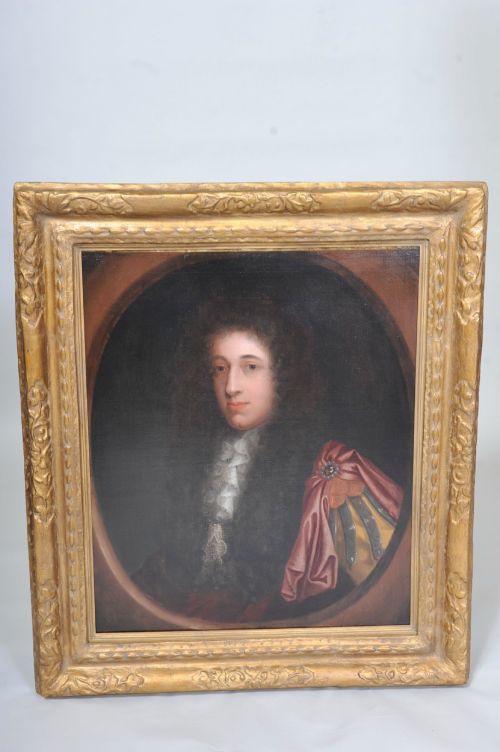
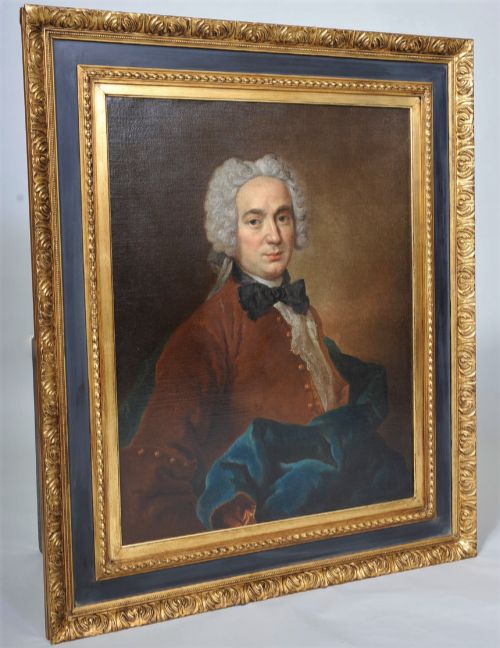
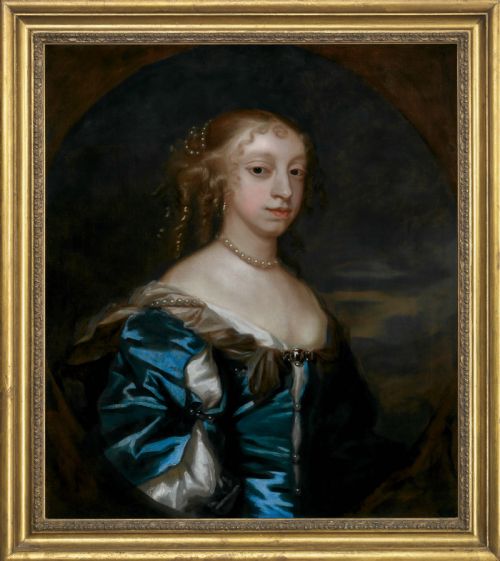
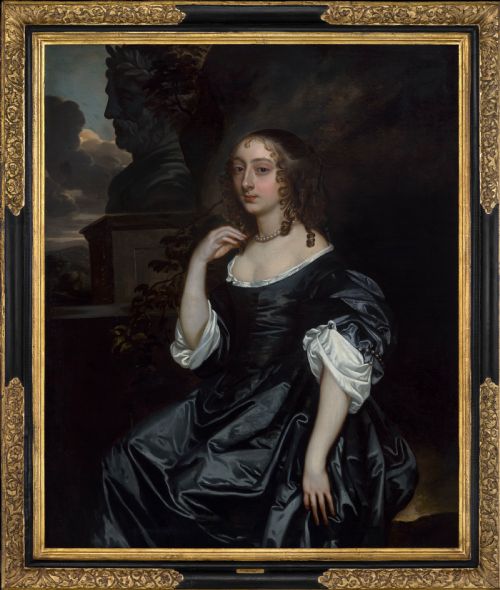
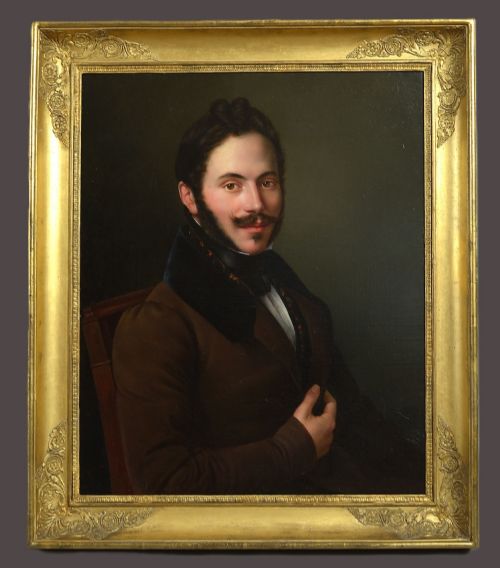
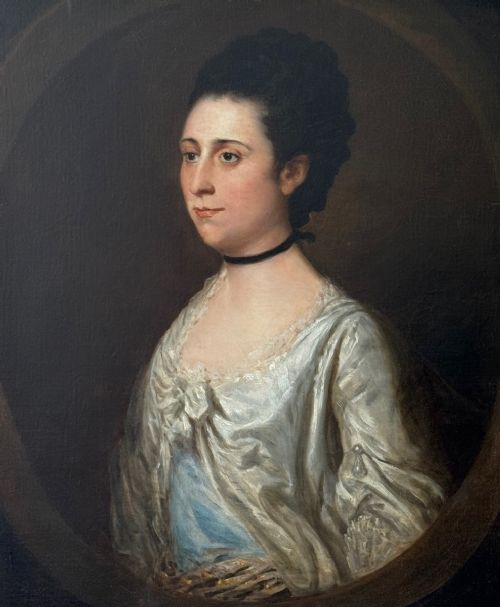
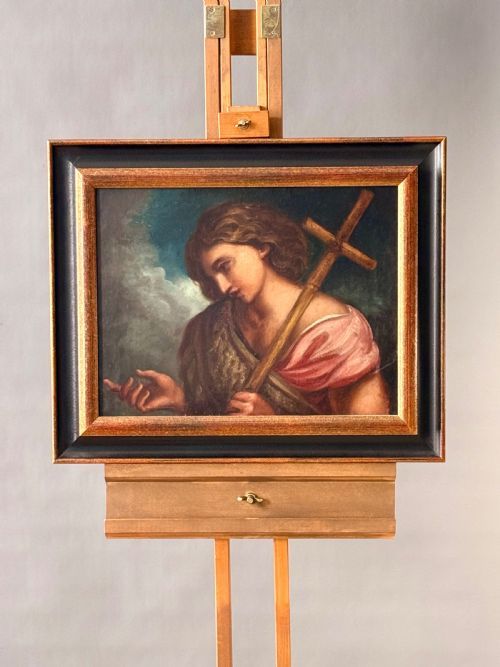
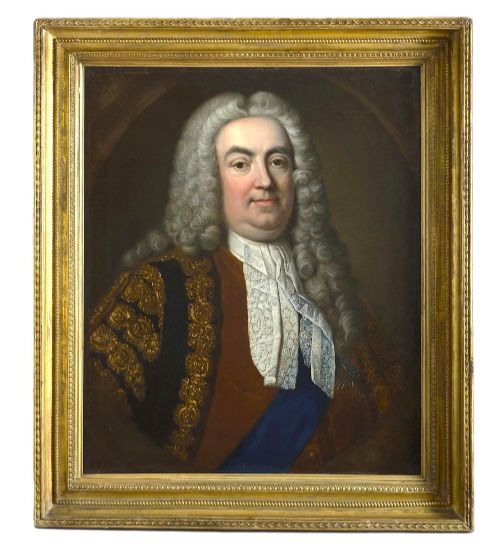
Classic Portrait Painting
When you search for a classic portrait painting, you encounter centuries of canvas work capturing likeness, status and character.
Classic Portrait Painting
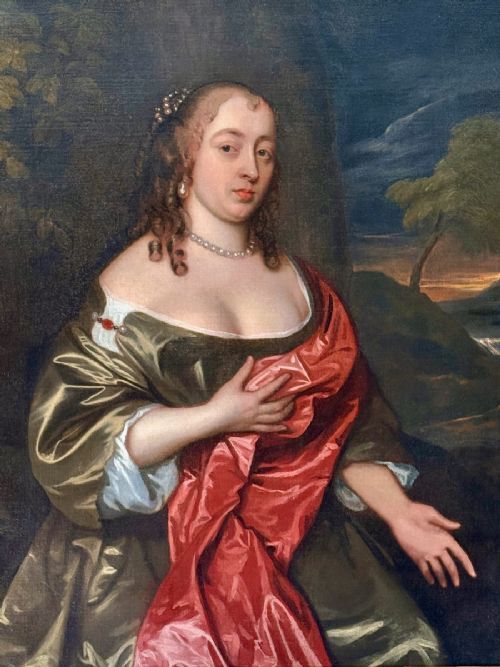
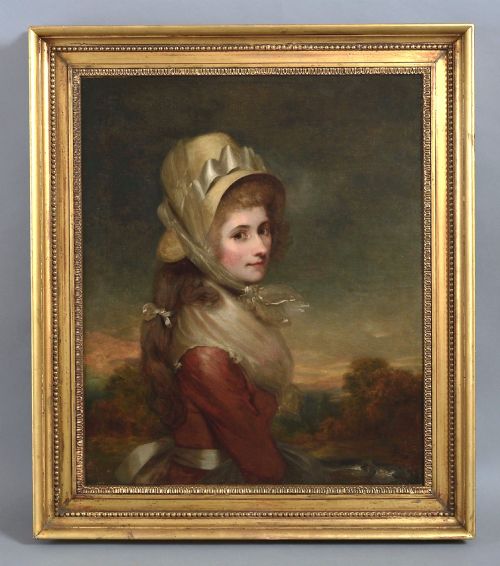
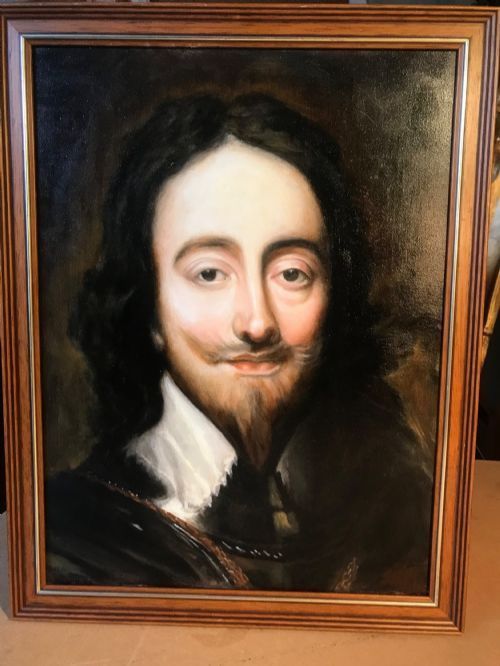
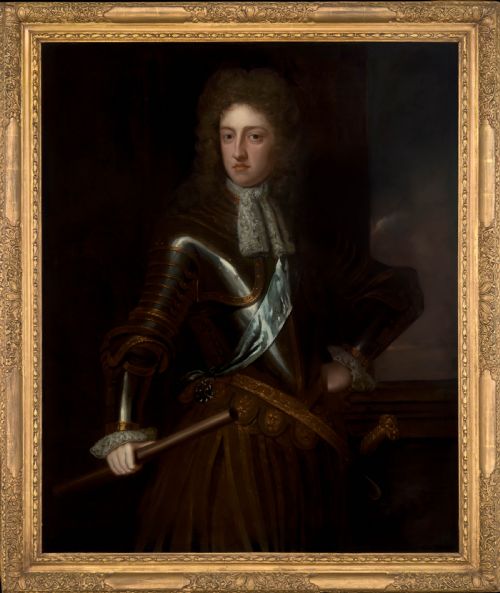
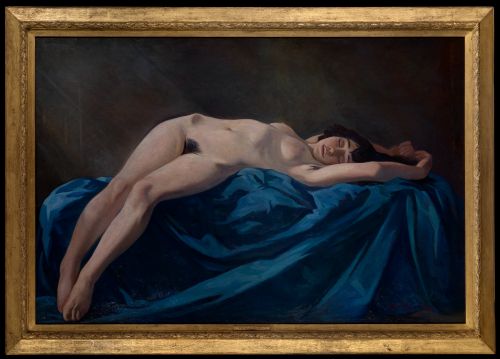
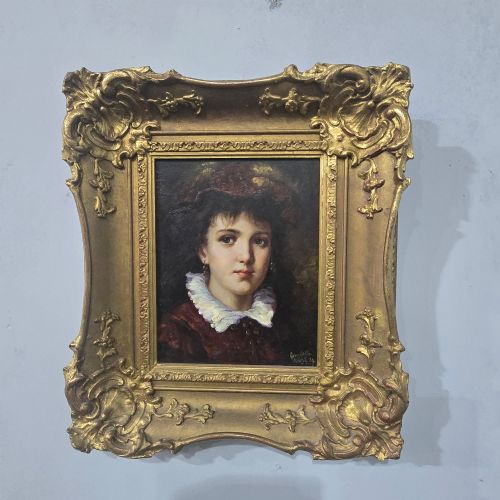
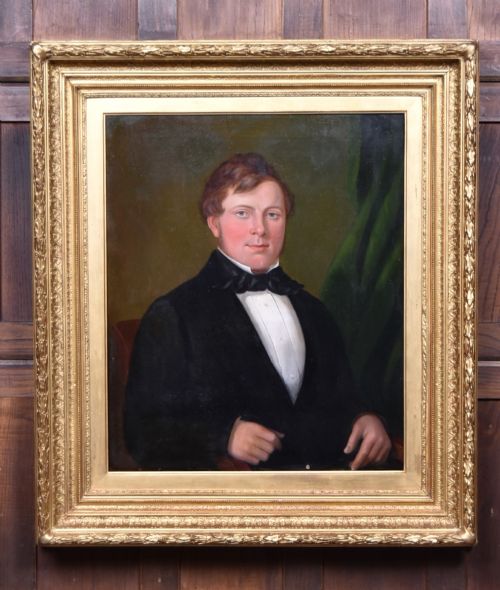
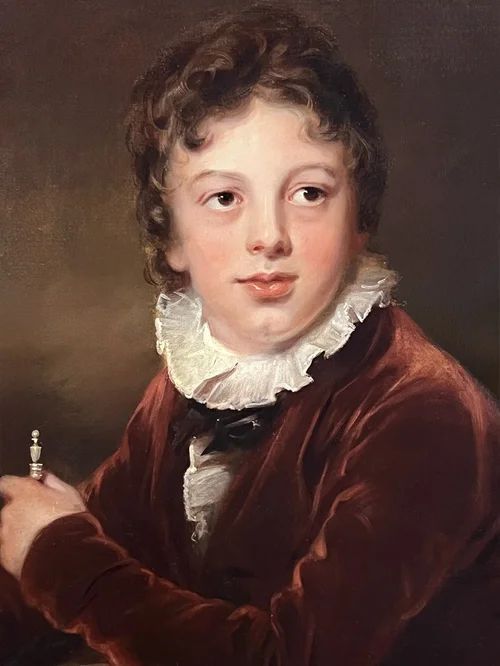
A classic portrait painting records the likeness of sitters ranging from aristocracy and nobility to artists and ordinary citizens. These works span the seventeenth, eighteenth and nineteenth centuries, alongside later twentieth-century examples.
The selections on this page encompass oils on canvas and board, as well as works executed in pastel and gouache. Portraiture styles run from Baroque and Dutch Golden Age traditions through Georgian, Regency and Victorian periods into mid-century realism.
Beyond formal oils, buyers encounter related formats such as framed prints and wall art reproducing original compositions. Subjects include single sitters in landscapes, historical figures and domestic scenes.
How They Were Made
Painters built their compositions using oil paint applied to stretched canvas, wooden panels or card supports. Pigments were layered to create depth in clothing, flesh tones and background landscapes.
Many historical works feature elaborate giltwood or gold leaf frames that complement the painting style. Paper-based works employ pastel and gouache media under glass protection.
Classic Portrait Painting Retail Price Guide 2026
Typical asking prices for classic portrait painting among the pieces listed under this phrase on Sellingantiques today, from the lower quarter to the upper quarter. They describe what is for sale here now, not the wider market.
Listings feature works spanning the 17th century through the 1960s, employing oil on canvas, wood, giltwood and gold leaf.
What Varies in Quality
The skill of the brushwork and the confidence of the draughtsmanship distinguish studio productions from lesser student copies. Handling of light, shadow and fabric textures reveals the competence of the artist.
Condition plays a part, with original canvases retaining their surface integrity differing from pieces requiring extensive relining or pigment stabilization. The prominence of the sitter and the documentation of attribution further influence the standing of a canvas.
Sir Martin Archer Shee·Anthony Van Dyck·Sir Godfrey Kneller·Sir Peter Lely·Edouard Pingret·Thomas Beach·Jean Baptiste Van Loo·Eric Robertson·Margaret Sarah Carpenter·John Russell·William Hogarth·Louis Charles Verwee·Winifred Rymer·William Oliver·Thomas Spinks·William Watt Milne·Nicolaes Maes·Bertram Priestman·Attilio Toro·William Henry Mander
The Classic Portrait Painting Glossary
- Oil on Canvas
- Pigments bound in a drying oil applied to a woven fabric support stretched across a wooden frame. This medium dominated European portraiture for centuries due to its blending capacity and durability.
- Giltwood
- Wood carved and coated with thin layers of gold leaf or metallic paint. Such frames provide decorative borders that define the visual boundary of historical paintings.
- Dutch Golden Age
- A period in seventeenth-century painting known for naturalistic depiction of light, texture and human character. Artists from this movement influenced portrait composition across Europe.
- Studio of
- A designation indicating a work produced by assistants or pupils working under the direct supervision of a master artist. These pieces often replicate successful compositions created by the principal painter.
- Pastel
- A medium consisting of powdered pigment combined with a binder and shaped into dry sticks. Applied to paper or card, it produces velvety colour textures requiring protective glazing.
Classic Portrait Painting: Frequently Asked Questions
How do I identify the period of a portrait?
Clothing fashions, hairstyles and framing styles offer primary clues to when a portrait was created. Comparing these elements with documented portraits from specific decades helps narrow down the date.
Inscriptions, signatures or labels on the reverse of the canvas often provide direct evidence of the sitter and artist. Frame construction and canvas weave further assist in confirming the historical era.
What is the difference between an original and a studio piece?
An original painting comes directly from the named artist's own hand. Studio works are produced by assistants or pupils following the master's composition and methods.
Studio pieces often display competent brushwork associated with the workshop's training. Attributions reflect the level of direct involvement by the primary artist.
How should I care for an oil portrait at home?
Keep oil paintings away from direct sunlight and fluctuating humidity levels to protect the canvas and paint layers. Stable environmental conditions prevent warping of the wooden stretcher frames and cracking of the paint.
Dust the surface gently with a soft, dry brush without applying pressure. Avoid using liquid cleaners or chemical solutions on the painted surface.
What do attribution terms like after mean?
Attribution terms describe the relationship between the artwork and a known master. The term after indicates that the painting is a later copy of a specific well-known composition.
Terms like attributed to suggest the work shows the hand of a specific artist but without absolute certainty. Studio of implies creation within the working environment of the named painter.