GIFTSNEW
205 ITEMS ADDED TODAY
Sort Order
Items Per Page
Browse Categories
Sort order
Relevant Links
Items per page
ID #SA1237749
FOR SALE
£8,650
Email Phone
Save
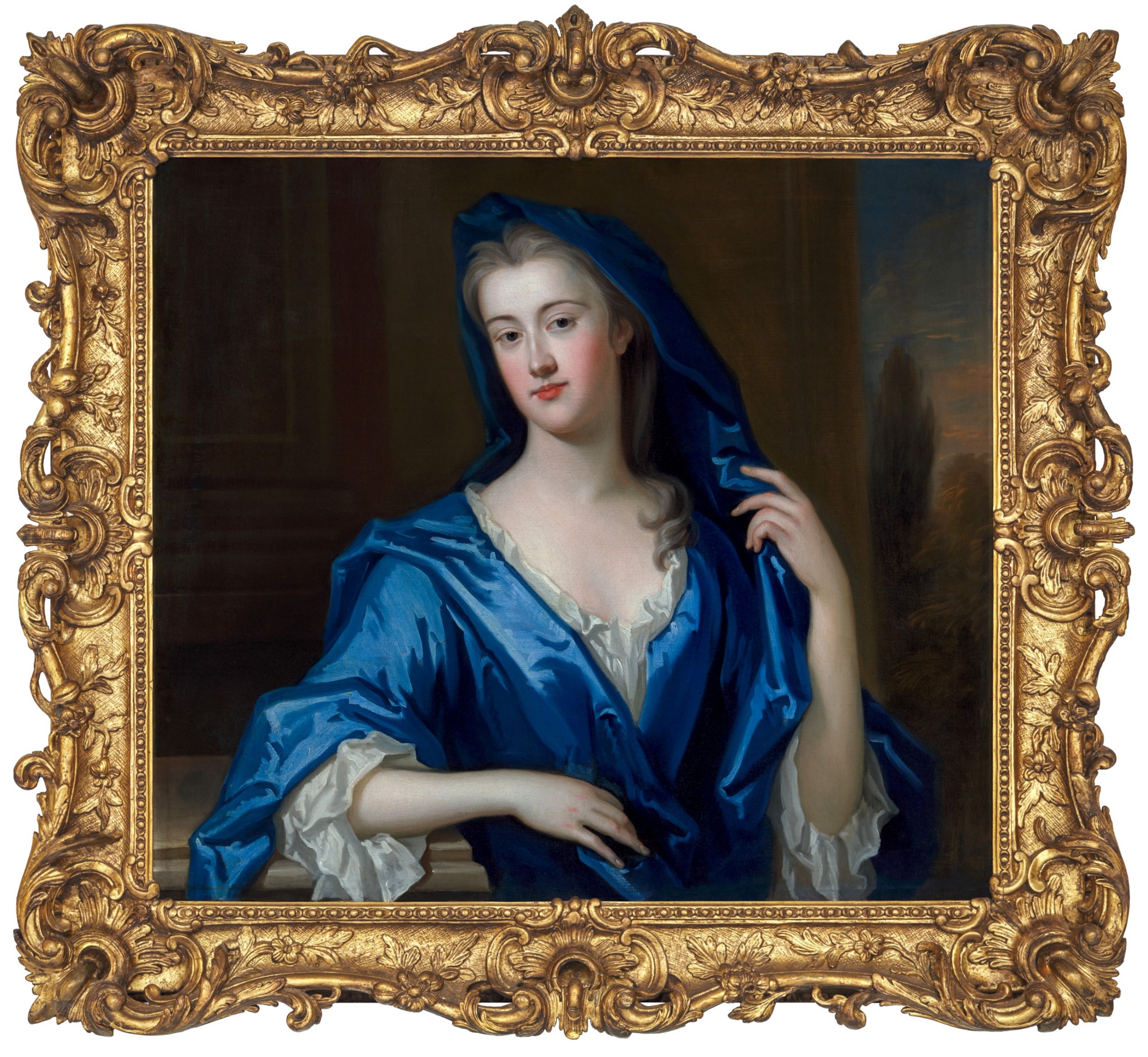
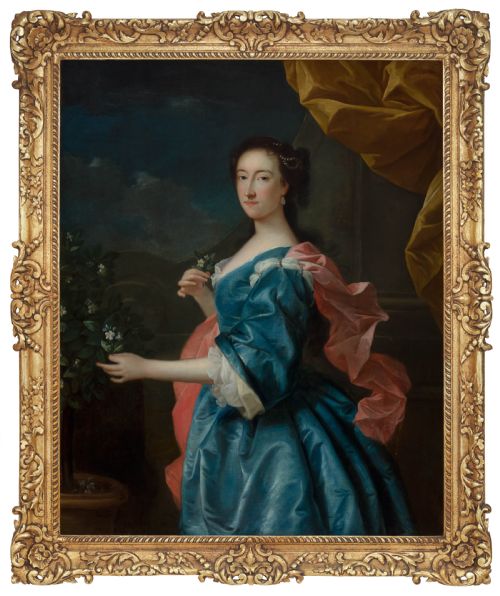
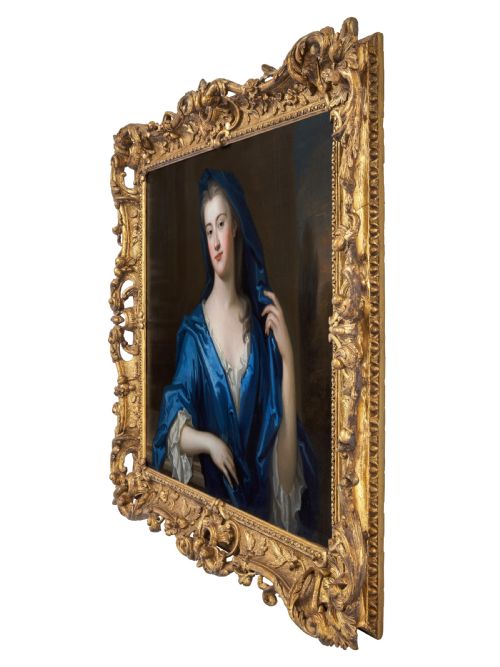
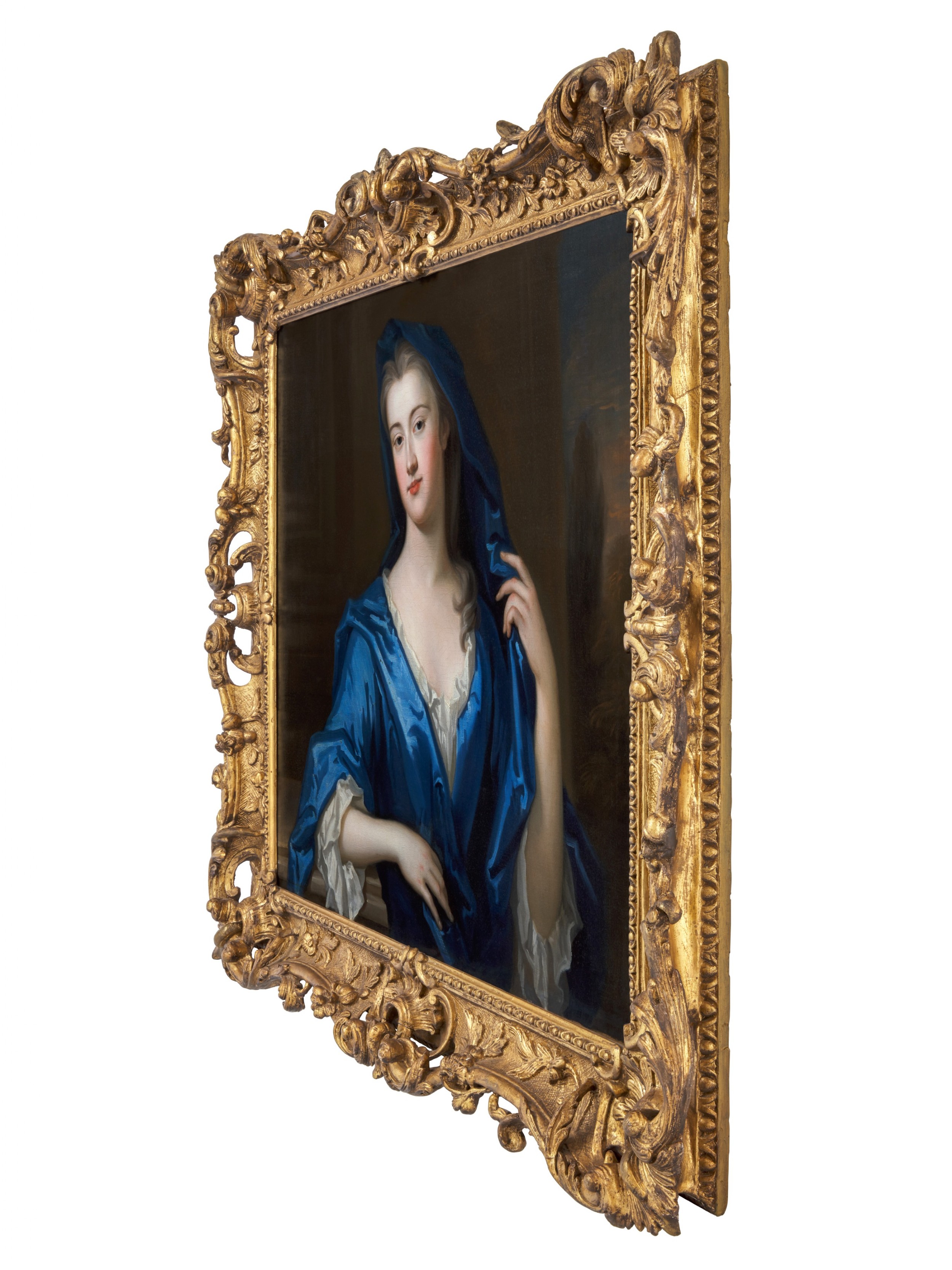
Portrait of Elizabeth Rooper, Later Lady Dryden, in a Blue Wrap, C.1725–30; Circle of Charles Jervas (C.1675–1739), Oil on Canvas Painting
For sale by Titan Fine Art
for sale €10,121     $10,986
£8,650
Titan Fine Art

Titan Fine Art

Sellingantiques Verified Since Jul 2016
Browse dealers 21 items
  • About Us
    Specialist in 17th & 18thc portraits. Highly curated selection, museum-level research & pro conservation. Exceptional art, expertly vetted.
Id #SA1237749
PDF SHARE
SAVE

Portrait of Elizabeth Rooper, Later Lady Dryden, in a Blue Wrap, C.1725–30; Circle of Charles Jervas (C.1675–1739), Oil on Canvas Painting

18th century
For Sale by Titan Fine Art
Description

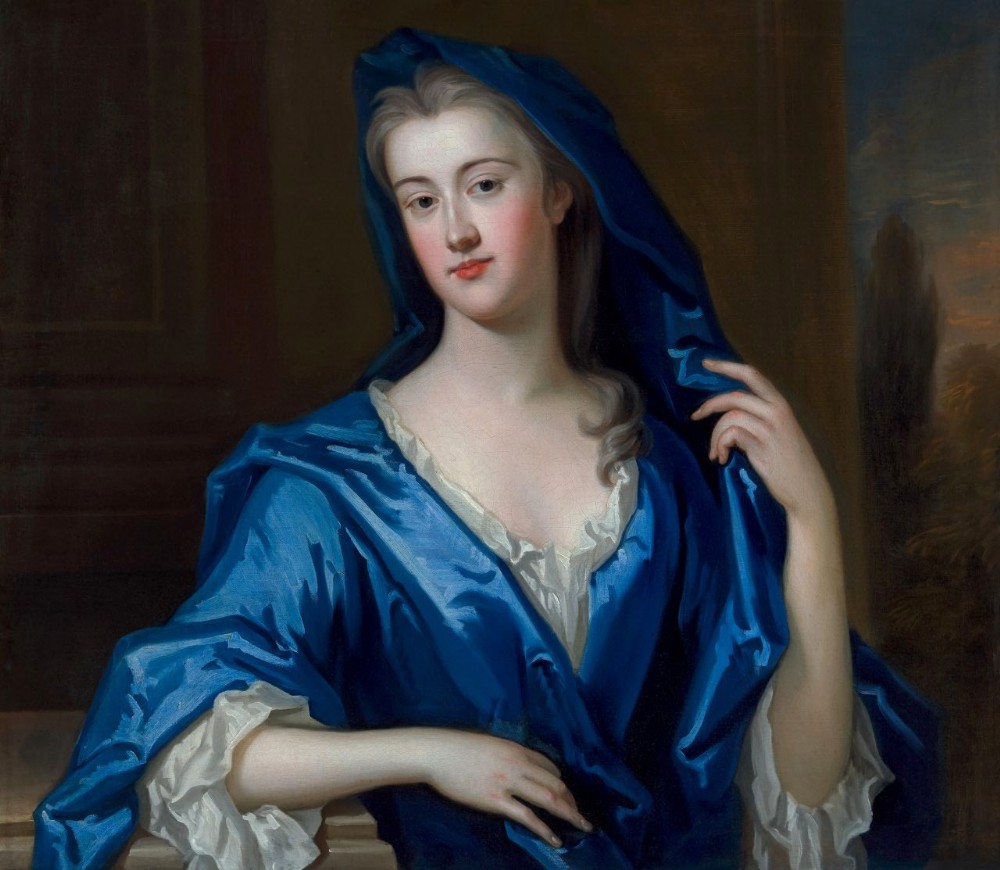
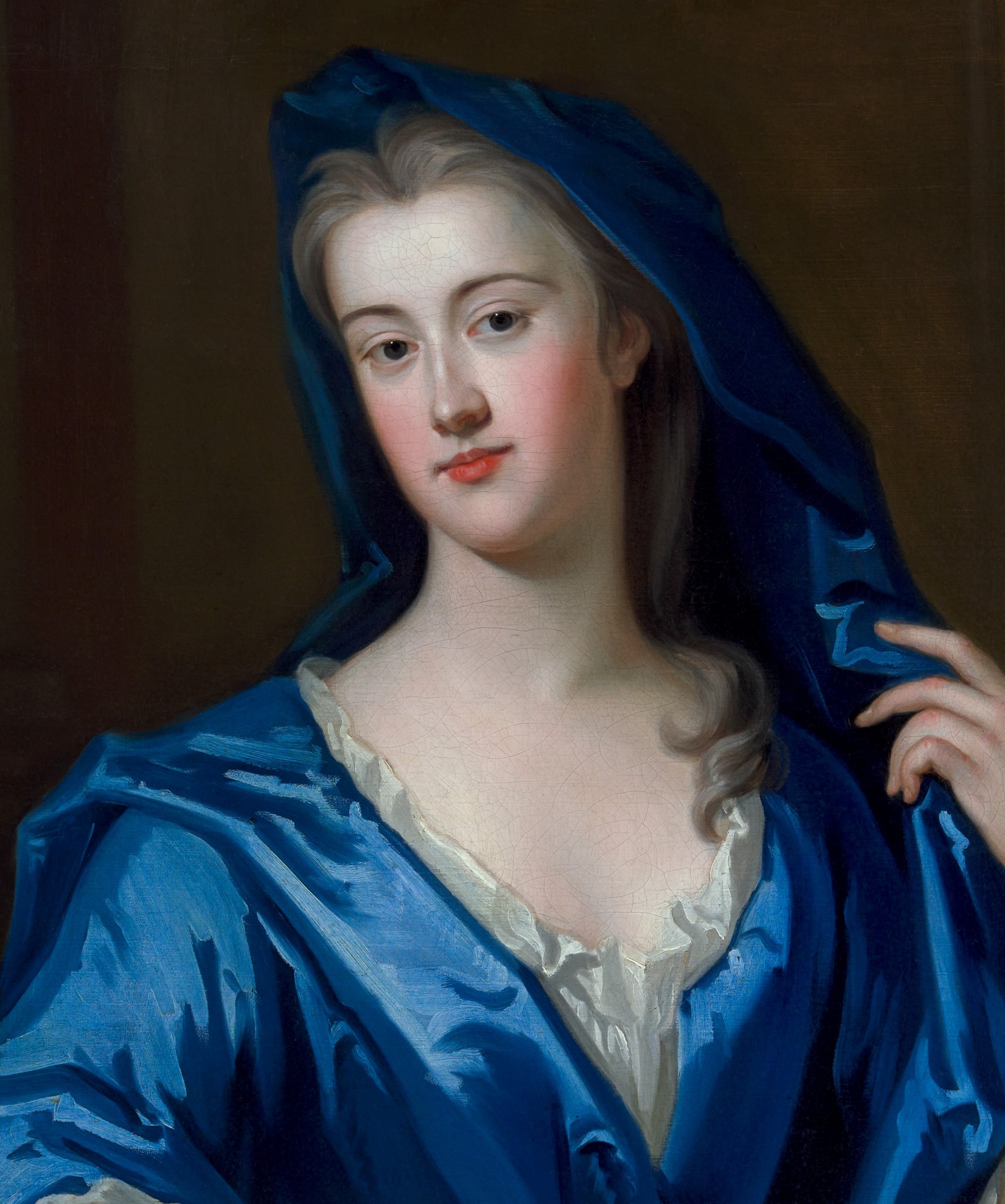
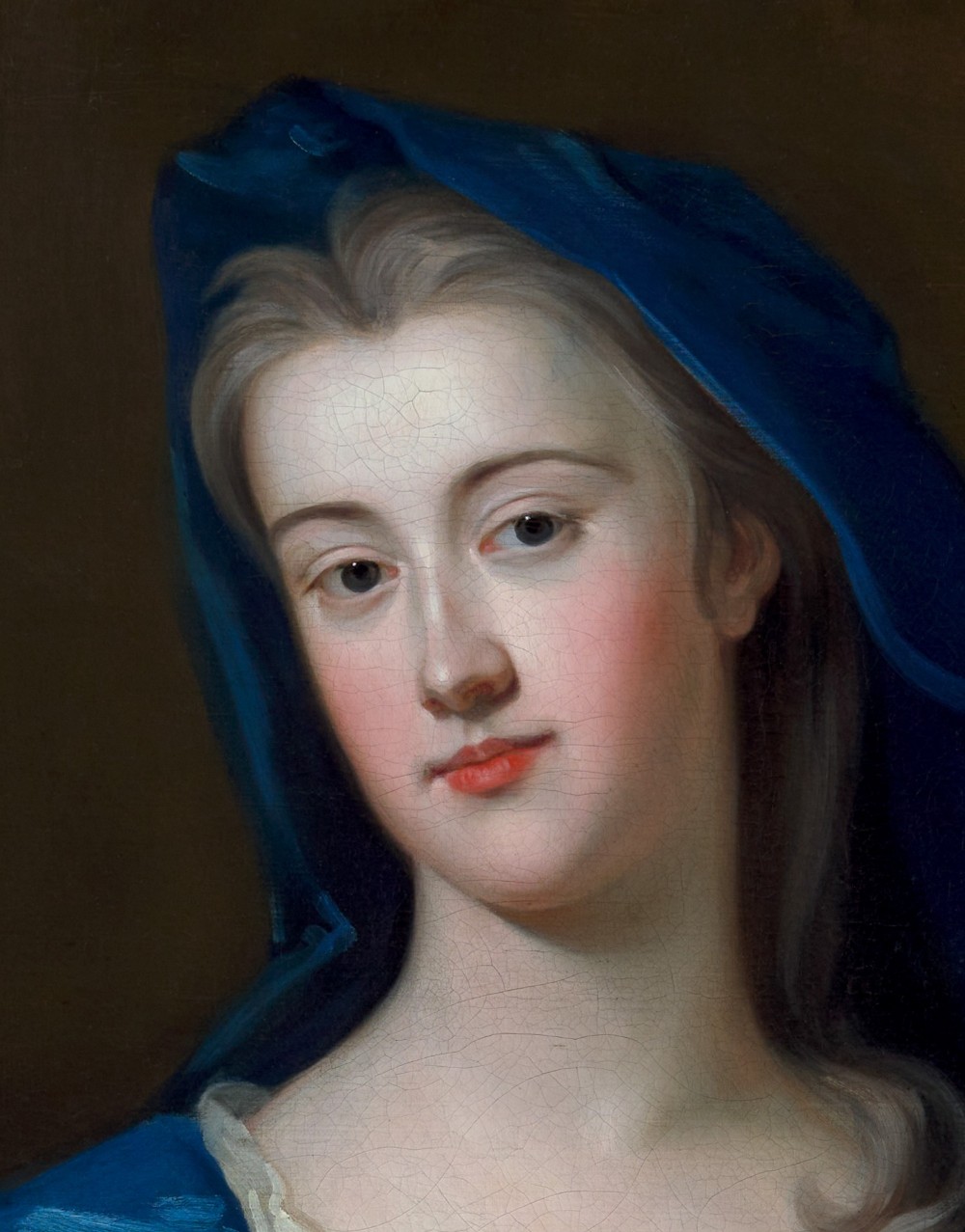
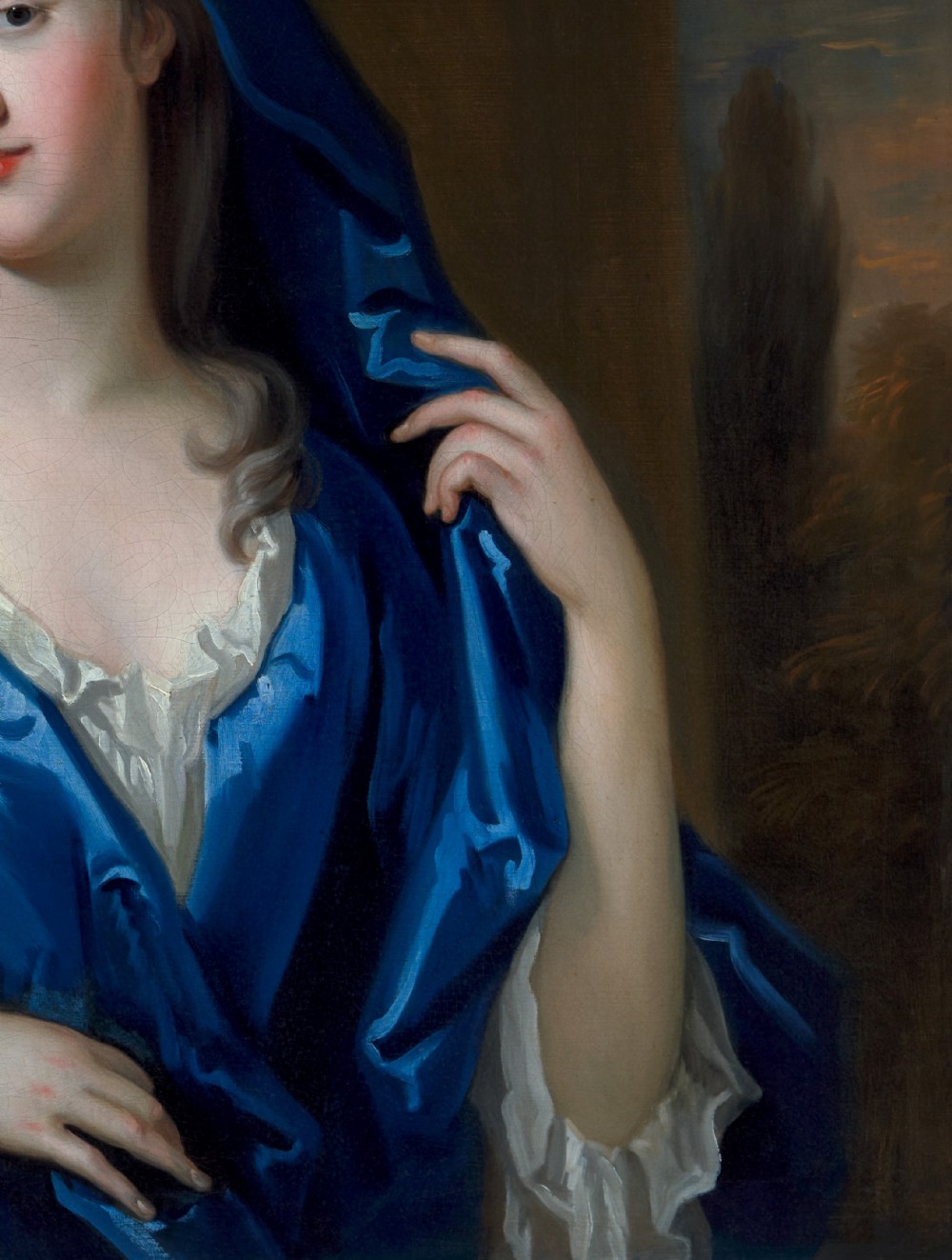
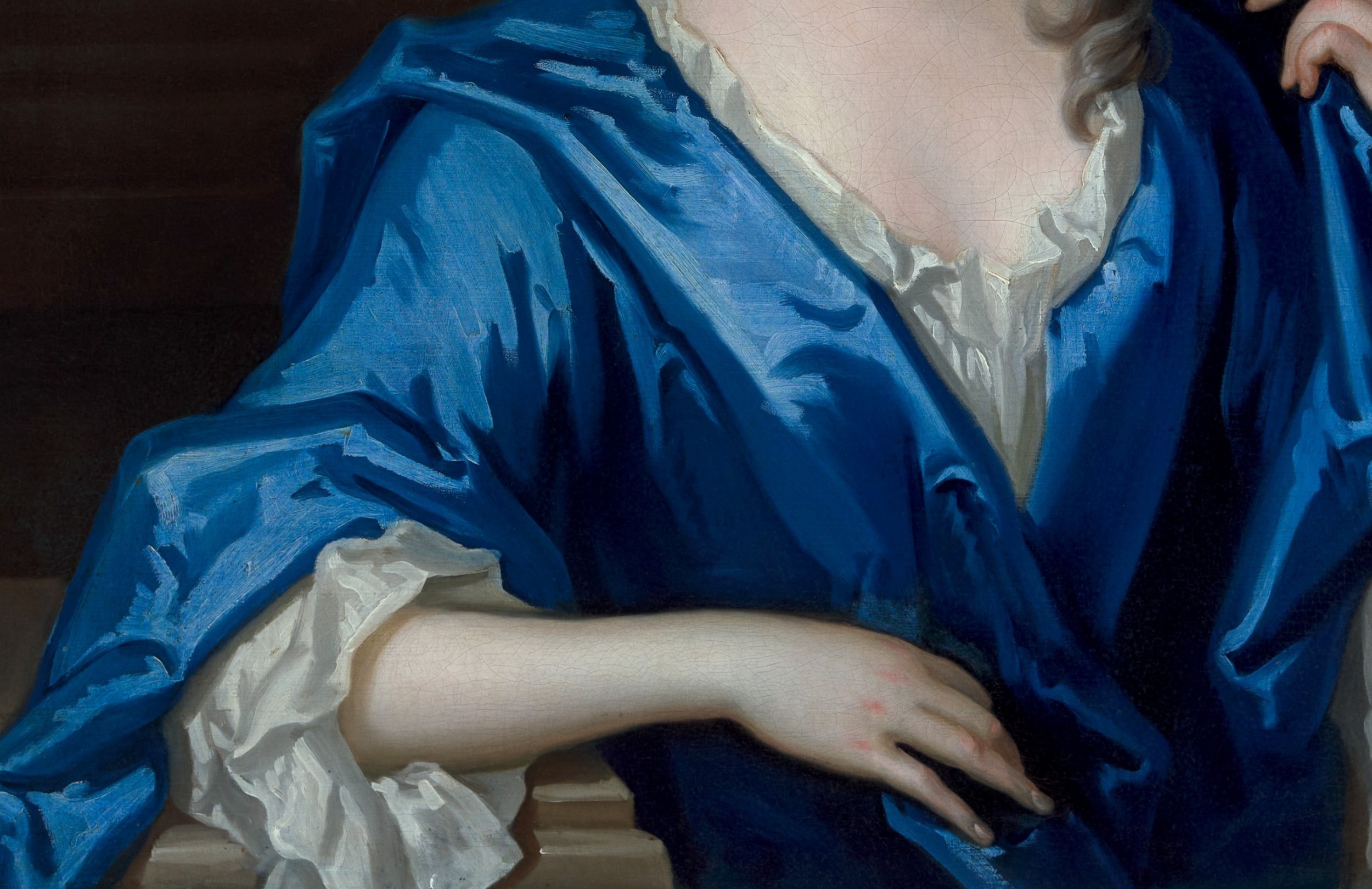
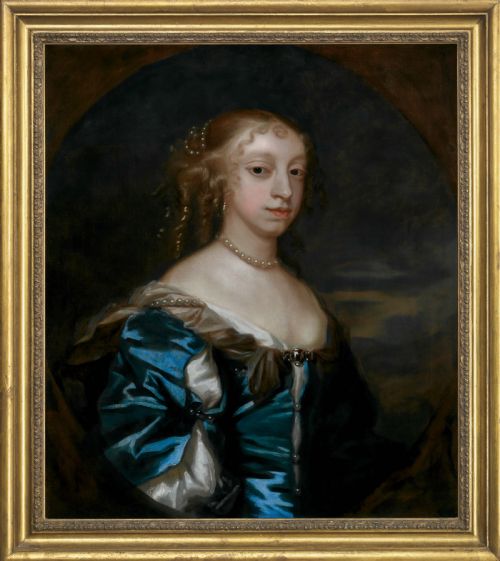
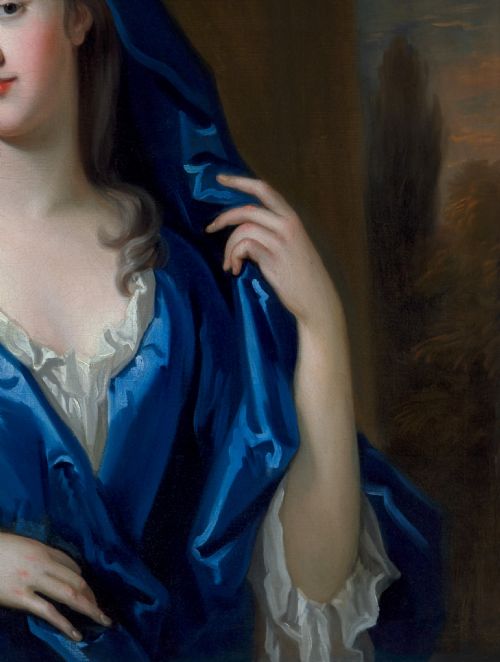
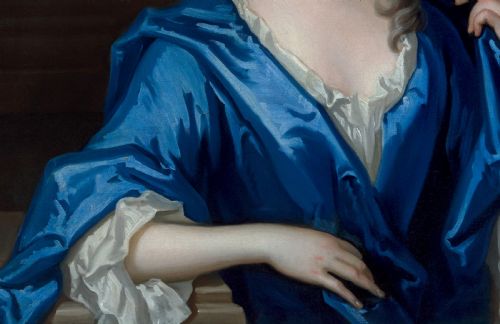
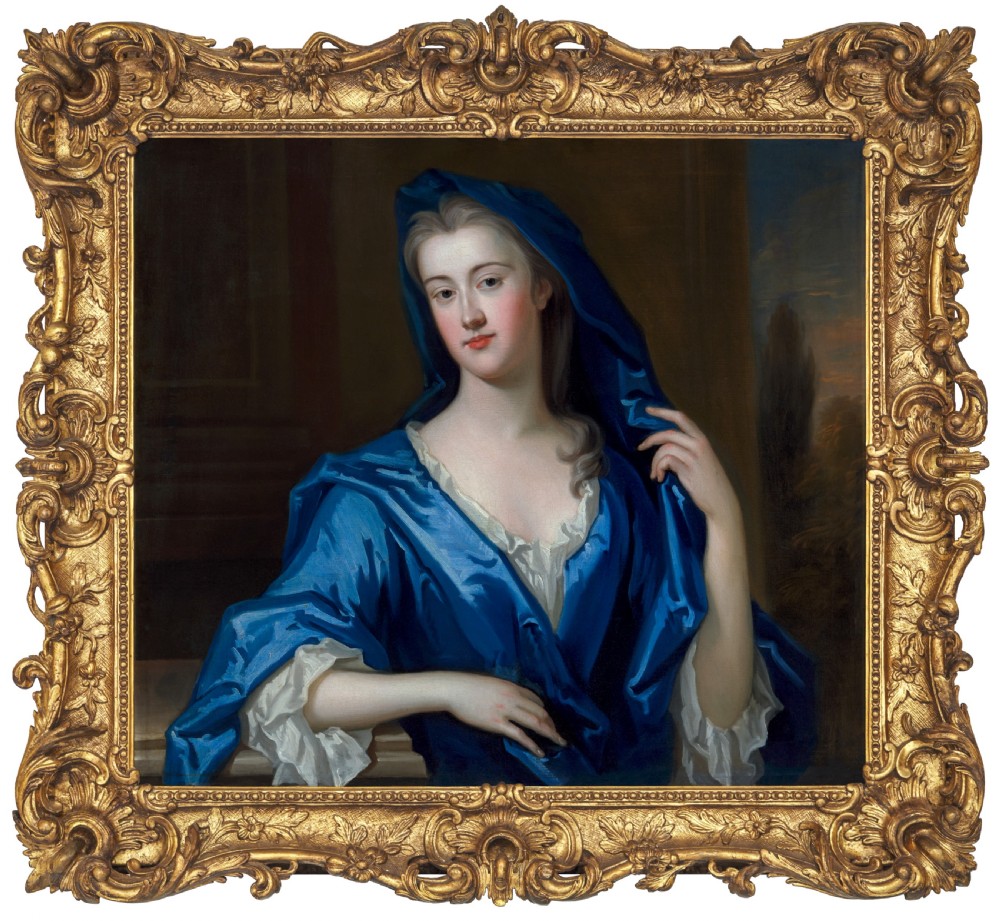
An exceptionally attractive early Georgian portrait combining brilliant colour, an unusually animated composition and a magnificent eighteenth-century carved and gilded frame. The young sitter emerges from a shadowed interior enveloped in a spectacular mantle of intense blue, one hand raised to gather the fabric beside her face. Crisp white linen, luminous flesh tones and a distant landscape provide striking contrasts. Preserved in excellent condition, the painting has considerable decorative presence while retaining the intimacy of a private portrait.
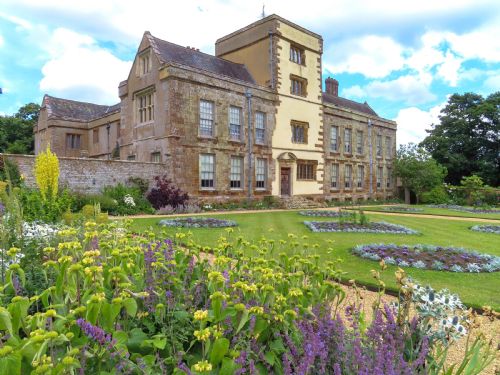
The sitter is said to be Elizabeth Rooper (d.1791), Lady Dryden, whose marriage in 1726 brought her to Canons Ashby, the ancient Northamptonshire seat of the Dryden family. The identification is particularly compelling chronologically: the costume and pictorial language suggest a date around 1725–30, precisely the period in which Elizabeth became Lady Dryden, while surviving records establish that she was portrayed on more than one occasion.
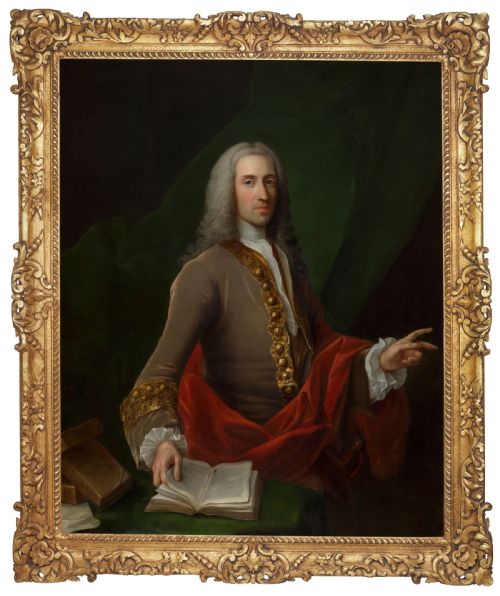
Elizabeth was the daughter of John Rooper of Berkhamsted Castle and Bloomsbury, Deputy Cofferer in the household of Queen Anne, and Philippa Allen of the Allen family of Bibsworth, Finchley. On 22 September 1726 she married Sir John Dryden, 7th Baronet, becoming his second wife. Bride and groom were in fact first cousins, their mothers belonging to the same Allen family.
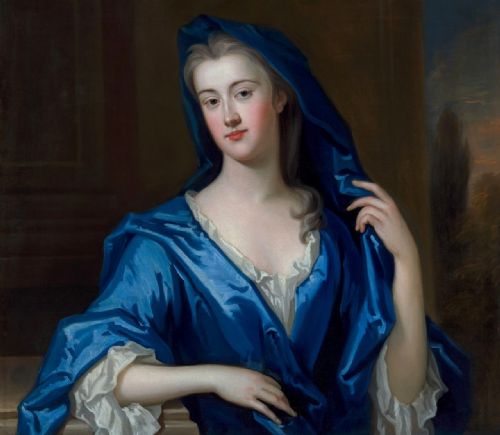
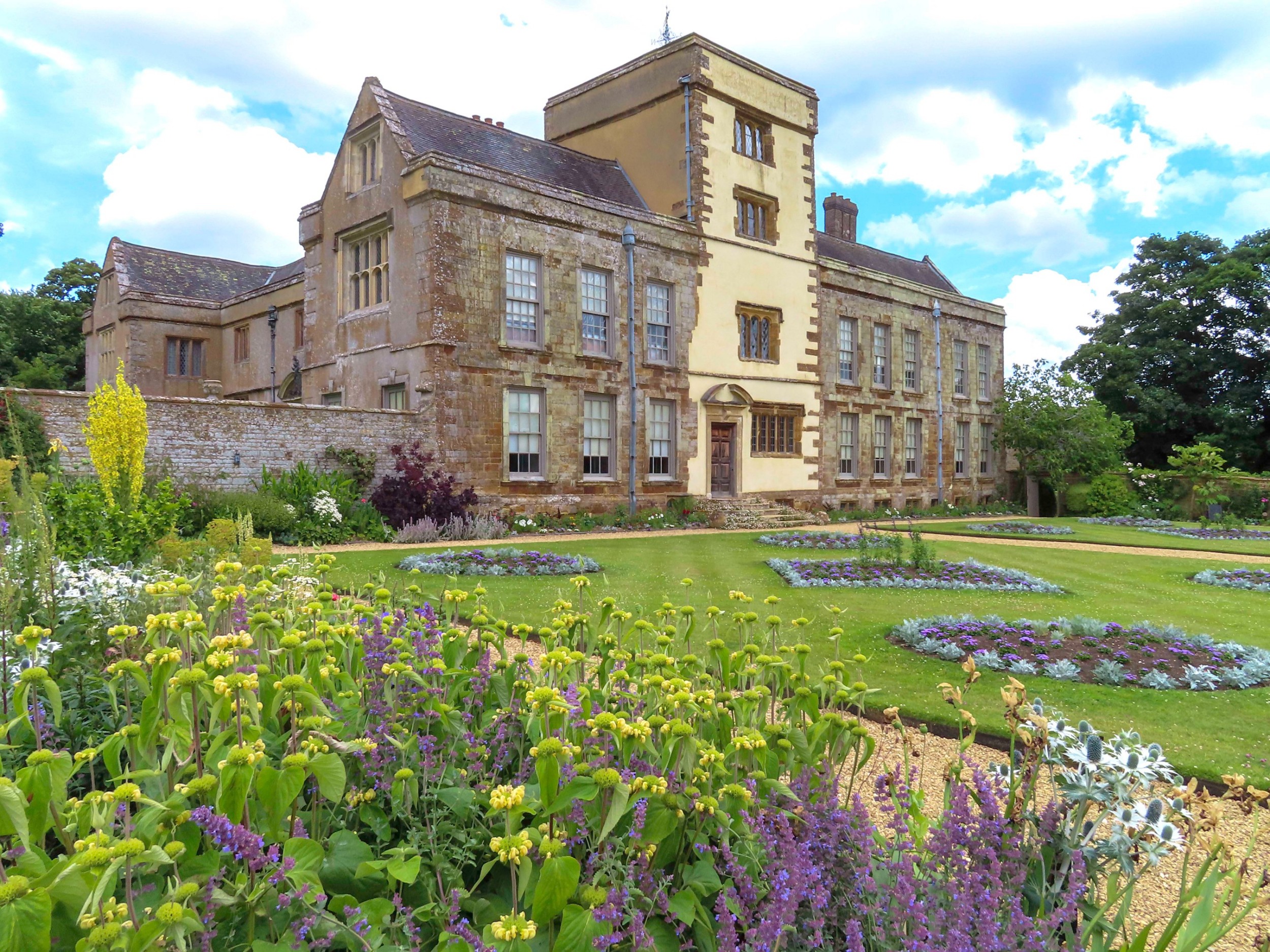
Elizabeth consequently entered one of England's old landed families. Canons Ashby was a remarkable Elizabethan house transformed for Georgian life, its interiors filled with ancestral portraits, tapestries, panelling and inherited possessions. The historic collection included portraits of Sir John, Elizabeth's father and two portraits of Lady Dryden herself, demonstrating the importance of portraiture to the family's expression of ancestry and identity.
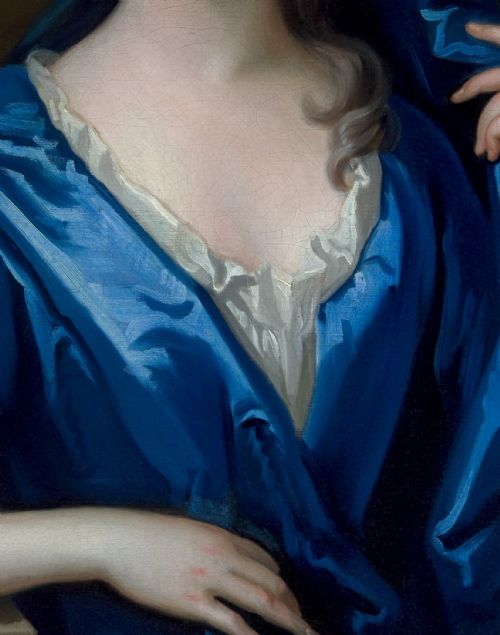
The marriage produced no children and Sir John and Elizabeth adopted a niece, Elizabeth Dryden, who eventually inherited Canons Ashby. Sir John died in 1770, but Lady Dryden survived him by more than twenty years, dying on 7 May 1791. Her long life stretched from the world of Queen Anne and George I through Walpole's England and into the reign of George III.
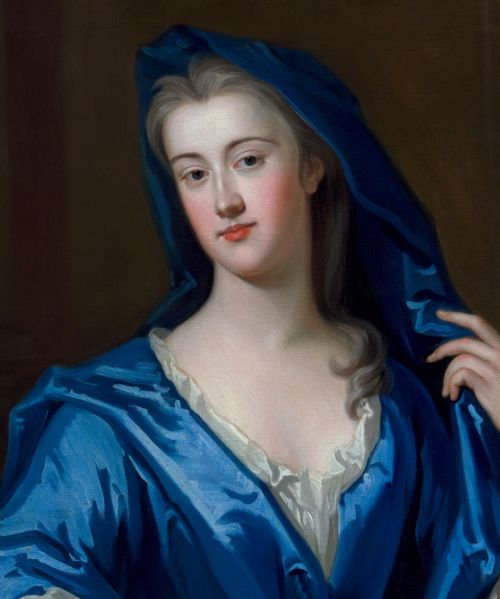
The portrait may plausibly have been commissioned around the time of Elizabeth's marriage. The flowing blue mantle and white chemise belong to the fashionable language of aristocratic portrait “undress”, intended to convey cultivated elegance rather than literal everyday clothing. The raised hand gathering the mantle gives the composition an appealing spontaneity unusual among the more formal conventions of early eighteenth-century portraiture.
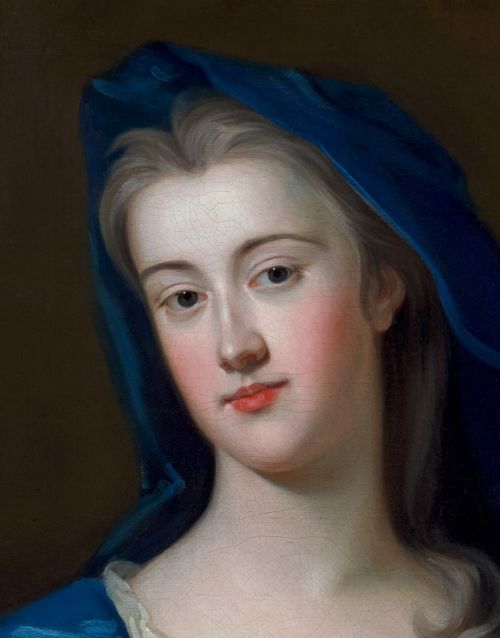
Stylistically the painting belongs within the Circle of Charles Jervas, one of the leading portraitists of early Georgian Britain. Trained under Sir Godfrey Kneller, Jervas succeeded Kneller as Principal Painter to George I in 1723 and retained the position under George II. His portraits of fashionable women are particularly admired for their graceful gestures, luminous flesh, rich drapery and elegant informality—all qualities reflected in the present work.
The superb carved and gilded frame greatly enhances the painting. Pierced scrolling foliage, shells and floral ornament create a strongly sculptural silhouette, while the warm gilding provides a dramatic counterpoint to the brilliant blue mantle.
An impressive and highly decorative English portrait whose excellent condition, vivid colouring, engaging composition and exceptional carved giltwood frame are complemented by a compelling proposed identification connecting it with Elizabeth Rooper, Lady Dryden, and the historic house of Canons Ashby.

Measurements: Height 98 cm, Width 105 cm framed (38.5 × 41.25 inches).

Physical Dimensions
Height
98cm (38.58")
Width
105cm (41.34")
Depth
8cm (3.15")
Declaration

Titan Fine Art has dated this Georgian Oil Portrait Painting to the 18th Century.

Reference Numbers
Sellingantiques Reference
SA1237749
Dealers Notes

Much more info about this item at: www.titanfineart.com

In a market saturated with available paintings, Titan Fine Art offers a distinct advantage: we sift through thousands of works to provide a specially curated selection. Each piece is meticulously chosen based on technical merit, provenance, and decorative appeal, ensuring our clients view only the finest examples of British and European art.

With over 20 years of expertise and 1,000+ works placed with collectors and institutions, we are one of the most prolific specialists in 17th and 18th-century portraiture. We combine a scholarly approach with museum-level rigor to replace the uncertainty of the open market with absolute confidence.

Why Buy From Titan Fine Art?

• Expertly Curated Selection

We act as your expert eye, selecting only high-quality works that offer genuine historical and artistic value.

• Museum-Level Research

Each portrait is supported by extensive academic research, often exceeding 40 hours, to establish attribution, sitter identity, and historical context.

• Professional Conservation

All paintings are carefully cleaned and stabilised by professional conservators, and are presented ready to hang.

• Transparent Pricing

No buyer’s premium or hidden fees—unlike auction houses, where additional costs can add 25–35%.

• Export Pricing Advantage

Reduced pricing is available for works exported outside the UK.

• Specialist Global Shipping

We manage the entire process, including custom crating, export documentation, and fully tracked delivery worldwide.

• Buy with Confidence

A 7-day return policy and the option to pay in GBP, USD, or EUR for convenience and transparency.

• Original Period Frames

Many works retain their original carved and gilded frames, which are works of art in their own right and enhance both historical authenticity and decorative impact.

• Personal Advisory Service

We work directly with collectors and interior designers, offering guidance on selection, scale, and placement—including bespoke room mock-ups on request.

Subscribe to our monthly 'new item alert' to be the first to hear about new works

Description
An exceptionally attractive early Georgian portrait combining brilliant colour, an unusually animated composition and a magnificent eighteenth-century carved and gilded frame.
“
The young sitter emerges from a shadowed interior enveloped in a spectacular mantle of intense blue, one hand raised to gather the fabric beside her face.
Titan Fine Art

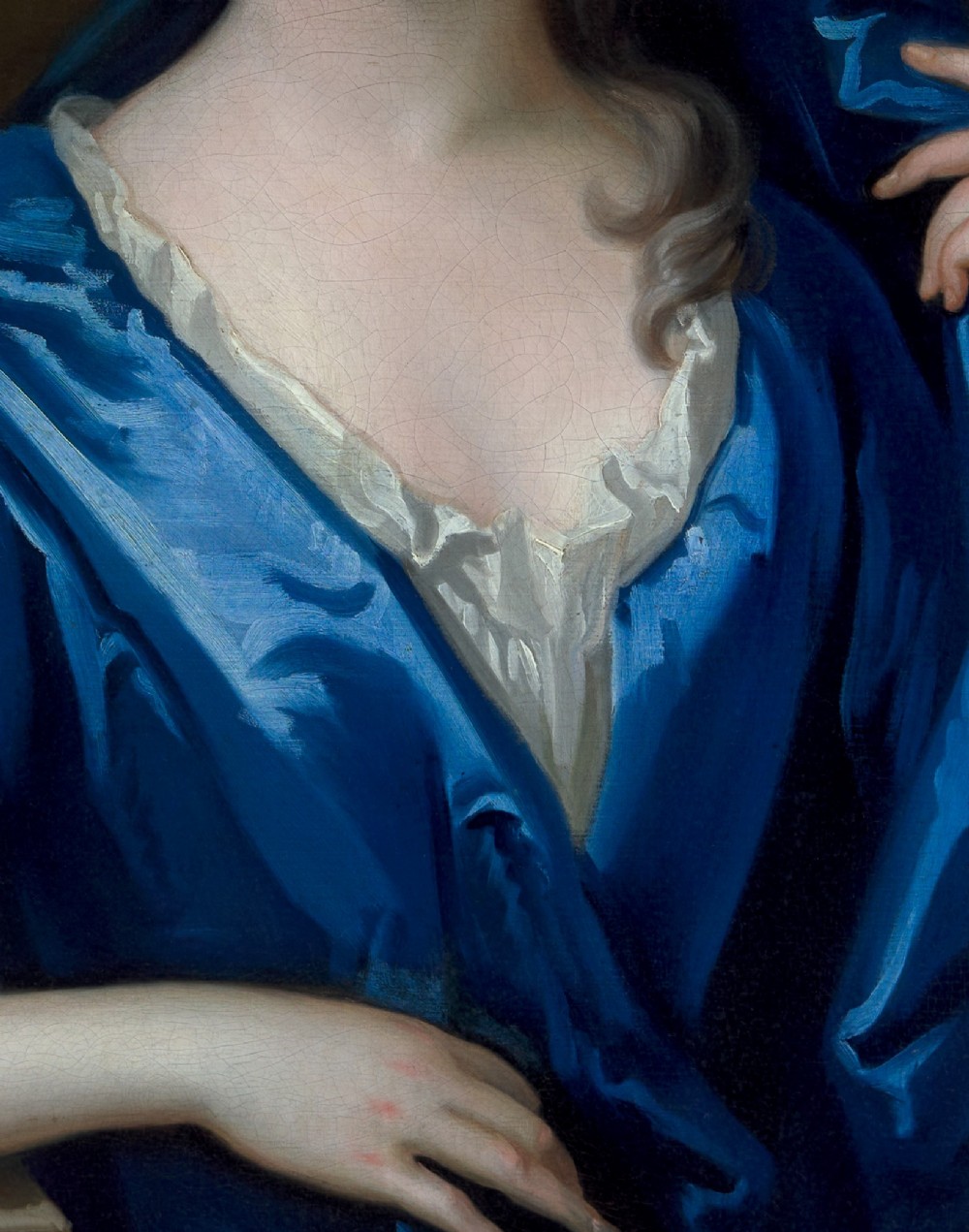
Crisp white linen, luminous flesh tones and a distant landscape provide striking contrasts. Preserved in excellent condition, the painting has considerable decorative presence while retaining the intimacy of a private portrait.

fig 1. An eighteenth-century oil portrait of a lady draped in a blue mantle, set within an intricate carved giltwood frame.
fig 1. Portrait of Elizabeth Rooper, Later Lady Dryden, in a Blue Wrap, C.1725–30; Circle of Charles Jervas (C.1675–1739), Oil on Canvas Painting

The sitter is said to be Elizabeth Rooper (d.1791), Lady Dryden, whose marriage in 1726 brought her to Canons Ashby, the ancient Northamptonshire seat of the Dryden family. The identification is particularly compelling chronologically: the costume and pictorial language suggest a date around 1725–30, precisely the period in which Elizabeth became Lady Dryden, while surviving records establish that she was portrayed on more than one occasion.

fig 2. An eighteenth-century oil portrait of a lady draped in a blue mantle, set within an intricate carved giltwood frame.
fig 2. Portrait of Elizabeth Rooper, Later Lady Dryden, in a Blue Wrap, C.1725–30; Circle of Charles Jervas (C.1675–1739), Oil on Canvas Painting

Elizabeth was the daughter of John Rooper of Berkhamsted Castle and Bloomsbury, Deputy Cofferer in the household of Queen Anne, and Philippa Allen of the Allen family of Bibsworth, Finchley. On 22 September 1726 she married Sir John Dryden, 7th Baronet, becoming his second wife. Bride and groom were in fact first cousins, their mothers belonging to the same Allen family.

fig 3. An eighteenth-century oil portrait of a lady draped in a blue mantle, set within an intricate carved giltwood frame.
fig 3. Portrait of Elizabeth Rooper, Later Lady Dryden, in a Blue Wrap, C.1725–30; Circle of Charles Jervas (C.1675–1739), Oil on Canvas Painting

Elizabeth consequently entered one of England's old landed families. Canons Ashby was a remarkable Elizabethan house transformed for Georgian life, its interiors filled with ancestral portraits, tapestries, panelling and inherited possessions. The historic collection included portraits of Sir John, Elizabeth's father and two portraits of Lady Dryden herself, demonstrating the importance of portraiture to the family's expression of ancestry and identity.

fig 4. An eighteenth-century oil portrait of a lady draped in a blue mantle, set within an intricate carved giltwood frame.
fig 4. Portrait of Elizabeth Rooper, Later Lady Dryden, in a Blue Wrap, C.1725–30; Circle of Charles Jervas (C.1675–1739), Oil on Canvas Painting

The marriage produced no children and Sir John and Elizabeth adopted a niece, Elizabeth Dryden, who eventually inherited Canons Ashby. Sir John died in 1770, but Lady Dryden survived him by more than twenty years, dying on 7 May 1791. Her long life stretched from the world of Queen Anne and George I through Walpole's England and into the reign of George III.

fig 5. An eighteenth-century oil portrait of a lady draped in a blue mantle, set within an intricate carved giltwood frame.
fig 5. Portrait of Elizabeth Rooper, Later Lady Dryden, in a Blue Wrap, C.1725–30; Circle of Charles Jervas (C.1675–1739), Oil on Canvas Painting

The portrait may plausibly have been commissioned around the time of Elizabeth's marriage. The flowing blue mantle and white chemise belong to the fashionable language of aristocratic portrait “undress”, intended to convey cultivated elegance rather than literal everyday clothing. The raised hand gathering the mantle gives the composition an appealing spontaneity unusual among the more formal conventions of early eighteenth-century portraiture.

fig 6. An eighteenth-century oil portrait of a lady draped in a blue mantle, set within an intricate carved giltwood frame.
fig 6. Portrait of Elizabeth Rooper, Later Lady Dryden, in a Blue Wrap, C.1725–30; Circle of Charles Jervas (C.1675–1739), Oil on Canvas Painting

Stylistically the painting belongs within the Circle of Charles Jervas, one of the leading portraitists of early Georgian Britain. Trained under Sir Godfrey Kneller, Jervas succeeded Kneller as Principal Painter to George I in 1723 and retained the position under George II. His portraits of fashionable women are particularly admired for their graceful gestures, luminous flesh, rich drapery and elegant informality—all qualities reflected in the present work.

fig 7. An eighteenth-century oil portrait of a lady draped in a blue mantle, set within an intricate carved giltwood frame.
fig 7. Portrait of Elizabeth Rooper, Later Lady Dryden, in a Blue Wrap, C.1725–30; Circle of Charles Jervas (C.1675–1739), Oil on Canvas Painting

The superb carved and gilded frame greatly enhances the painting. Pierced scrolling foliage, shells and floral ornament create a strongly sculptural silhouette, while the warm gilding provides a dramatic counterpoint to the brilliant blue mantle.

fig 8. An eighteenth-century oil portrait of a lady draped in a blue mantle, set within an intricate carved giltwood frame.
fig 8. Portrait of Elizabeth Rooper, Later Lady Dryden, in a Blue Wrap, C.1725–30; Circle of Charles Jervas (C.1675–1739), Oil on Canvas Painting

An impressive and highly decorative English portrait whose excellent condition, vivid colouring, engaging composition and exceptional carved giltwood frame are complemented by a compelling proposed identification connecting it with Elizabeth Rooper, Lady Dryden, and the historic house of Canons Ashby.

Measurements: Height 98 cm, Width 105 cm framed (38.5 × 41.25 inches).

Height
98cm (38.58")
Width
105cm (41.34")
Depth
8cm (3.15")
Date of Manufacture

Titan Fine Art has dated this Georgian Oil Portrait Painting to the 18th Century.

Reference Numbers
Sellingantiques Ref
SA1237749
Titan Fine Art
Titan Fine Art
Sellingantiques verified Since Jul 2016

Specialist in 17th & 18thc portraits. Highly curated selection, museum-level research & pro conservation. Exceptional art, expertly vetted.

Dealer Profile

You can view the stock and full dealer information on the Titan Fine Art Profile Page
PDF SHARE
SAVE
An eighteenth-century oil portrait of a lady draped in a blue mantle, set within an intricate carved giltwood frame.
1 / 9
Archive I An eighteenth-century oil portrait of a lady draped in a blue mantle, set within an intricate carved giltwood frame.

Portrait of Elizabeth Rooper, Later Lady Dryden, in a Blue Wrap, C.1725–30; Circle of Charles Jervas (C.1675–1739), Oil on Canvas Painting
Archive II An eighteenth-century oil portrait of a lady draped in a blue mantle, set within an intricate carved giltwood frame. View II
Archive III An eighteenth-century oil portrait of a lady draped in a blue mantle, set within an intricate carved giltwood frame. View III
Archive IV An eighteenth-century oil portrait of a lady draped in a blue mantle, set within an intricate carved giltwood frame. View IV
Archive V An eighteenth-century oil portrait of a lady draped in a blue mantle, set within an intricate carved giltwood frame. View V
Archive VI An eighteenth-century oil portrait of a lady draped in a blue mantle, set within an intricate carved giltwood frame. View VI
Archive VII An eighteenth-century oil portrait of a lady draped in a blue mantle, set within an intricate carved giltwood frame. View VII
Archive VIII An eighteenth-century oil portrait of a lady draped in a blue mantle, set within an intricate carved giltwood frame. View VIII
Archive IX An eighteenth-century oil portrait of a lady draped in a blue mantle, set within an intricate carved giltwood frame. View IX
FURTHER BROWSING

Visitors also looked at these ⇣

Enlarged Archival View
Telephone 07875 412 111
Location
London
United Kingdom
Dealer Profile Page sellingantiques.co.uk/titan
Verified Since Jul 2016
Items For Sale 21
Items Sold 402
Titan Fine Art
Titan Fine Art
Verified Since Jul 2016
View Dealer Info
Location: London, United Kingdom
Verified
Jul 2016
For Sale
21
Sold
402
An eighteenth-century oil portrait of a lady draped in a blue mantle, set within an intricate carved giltwood frame.
Portrait of Elizabeth Rooper, later Lady Dryden, in a Blue Wrap, c.1725–30; Circle of Charles Jervas (c.1675–1739), Oil on canvas Painting
Ref: SA1237749
An eighteenth-century oil portrait of a lady draped in a blue mantle, set within an intricate carved giltwood frame.
Detail View 1
Detail View 2
Detail View 3
Detail View 4
Detail View 5
Detail View 6
Detail View 7
Detail View 8
Archival Detail
Every single antique dealer on our platform is individually approved by our internal team. We verify their professional trade history, ethical standards, and photographic quality to ensure a secure, high-standard buying environment. Upon joining, every dealer agrees to a strict 9-point code of conduct. While issues can occasionally arise, our dealers typically resolve them swiftly and directly with the buyer. In fact, since our founding in 2002, Sellingantiques has only had to step in to help resolve an issue on roughly five occasions—a true testament to the quality of our dealers and their dedication to your happiness.
Our dealers are highly experienced in packing and shipping fragile, high-value antiques. Because you are in direct contact with the dealer, you will be able to easily go through all available shipping and insurance options together to ensure your item arrives safely.
Antiques are the ultimate green purchase. By choosing historical pieces over newly manufactured goods, you completely eliminate the carbon footprint of modern mass production while preserving exceptional, timeless craftsmanship.
Written by Sellingantiques from the dealer’s photographs and listing
  • ObjectOil Painting
  • Period18th century
  • StyleEarly Georgian
  • MaterialOil, Canvas, Giltwood
  • ColourBlue, Gold
  • MotifsBlue satin drapery, Carved acanthus leaf frame, Baroque posture
  • SizeH 98 cm (39 in) x W 105 cm (41 in) x D 8 cm (3 in)

This early Georgian oil painting on canvas depicts Elizabeth Rooper, later Lady Dryden, in an 18th-century portrait attributed to the circle of Charles Jervas, measuring 98 cm high, 105 cm wide, and 8 cm deep. The work is set in an ornate, heavy giltwood frame decorated with carved acanthus leaf motifs, high-relief scrolls, and corner cartouches. The canvas portrays a young woman wearing an intense blue satin drapery mantle and a crisp white linen chemise, positioned within a shadowed interior with a landscape visible in the background. Suitable for country house interiors, this historic artwork is designed to be hung above a mantelpiece in a drawing room, library, or traditional living space to add character and narrative depth to domestic walls. The combination of the vibrant blue fabric, gold leaf frame, and luminous flesh tones provides a striking visual focal point while maintaining the intimacy of a private family commission from the 1720s.

Early Georgian portraiture, popular in Britain during the early eighteenth century, features formal compositions, draped satin garments, and rich colour palettes influenced by continental Baroque aesthetics.

Artists utilised hand-ground oil pigments applied to hand-loomed linen canvas, which were frequently housed in carved timber mouldings finished with water gilding.

Authentic period works exhibit natural craquelure patterns across the paint surface, historical stretcher bar impressions on the canvas, and traditional hand-carved giltwood frame construction.

Position the portrait as a focal point above a mantelpiece or console table, combining classical period artwork with modern minimalist furnishings to establish visual contrast.

Preserve oil paintings by keeping them away from direct sunlight and heat sources, maintaining stable humidity levels between 45% and 55%, and engaging professional conservators for cleaning.
items
Add keywords to the filter
Price
£100
£250000
Era
Period
Style
Material
Origin
Stock Location
Recently Added
Online Payments
Categories