

Early Georgian Artwork
Early georgian artwork brings together centuries-old portraits, landscapes, and silhouettes executed in oil, watercolour, and ink that define early visual culture.
Early Georgian Artwork
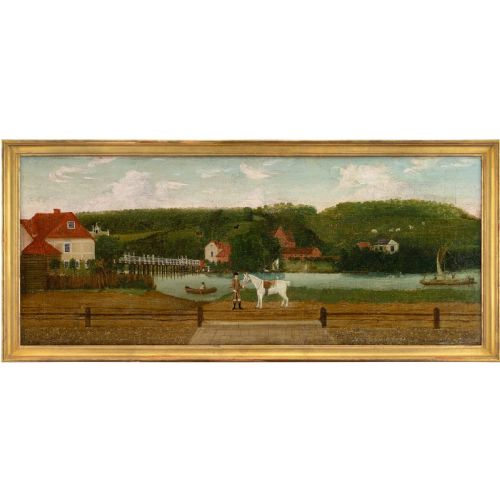
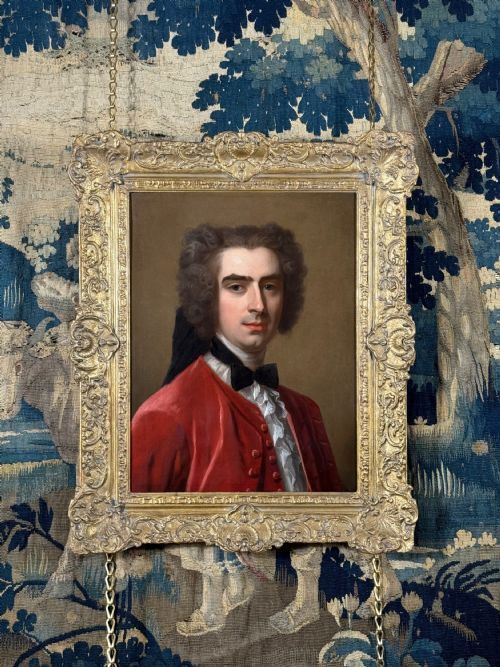
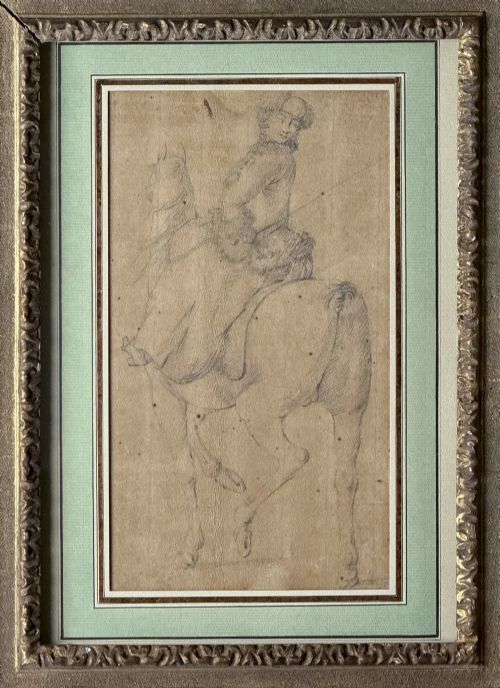
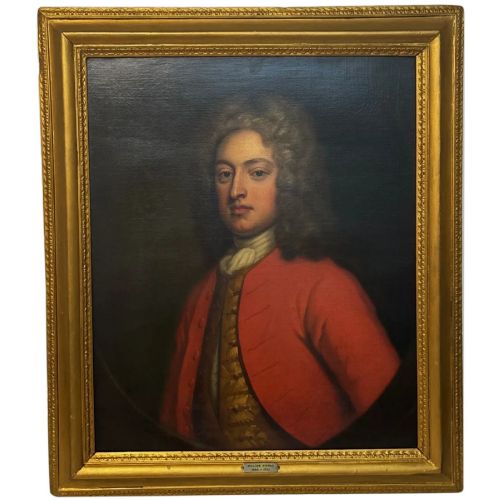
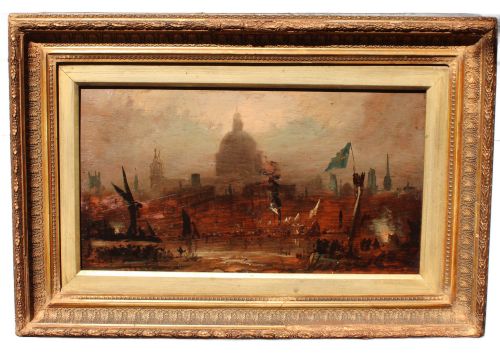
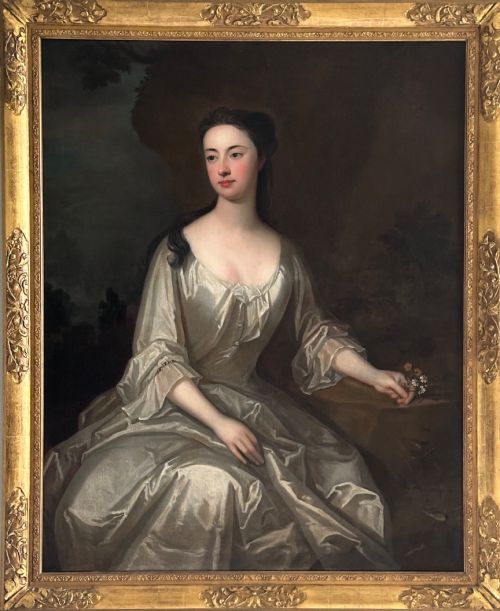
Early georgian artwork encompasses oil paintings, framed wall art, portrait miniatures, and works on paper created during the eighteenth century and neighbouring periods. Buyers seeking early georgian artwork encounter diverse forms including oil portraits of gentlemen and ladies, equestrian studies, and coastal landscapes.
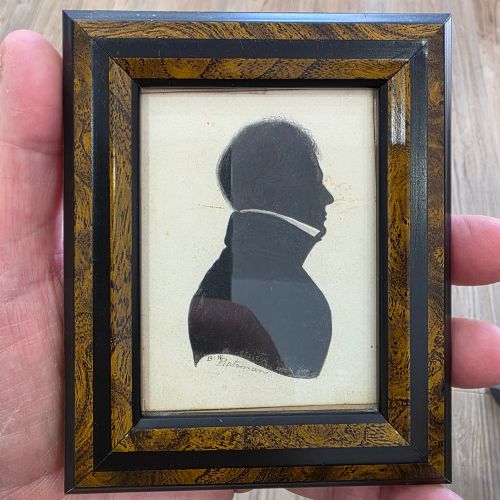
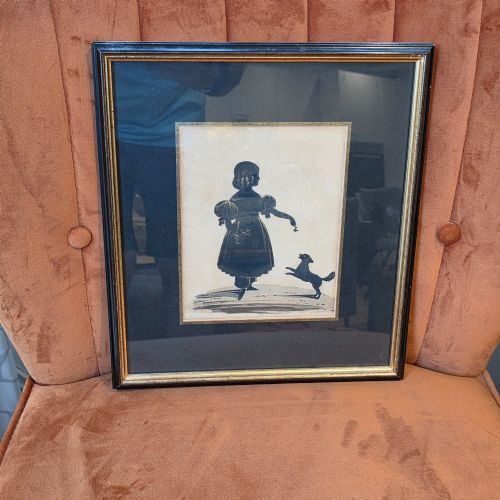
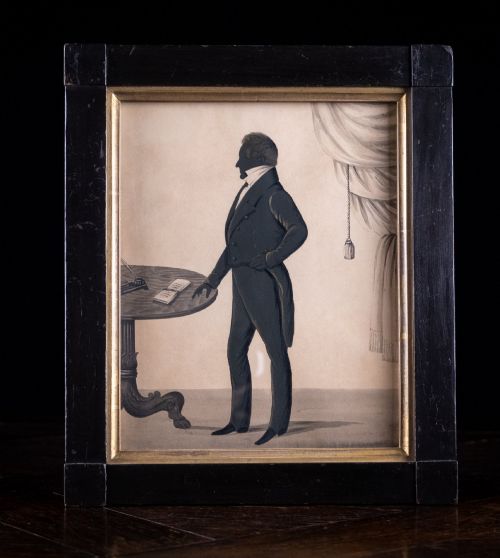
The selections span northern european and english schools, showing subjects from formal estate portraits to tavern interiors and farmyard scenes. Portrait miniatures and silhouettes on paper, alongside reverse glass mezzotints, form a distinct subset of these historical visual objects.
How they were made
Makers utilised oil paint applied to canvas, often supported by wooden stretchers or later laid onto board, alongside watercolours and ink on paper. Silhouettes combined cut paper with meticulous watercolour detailing, while framing frequently involved giltwood and maple.
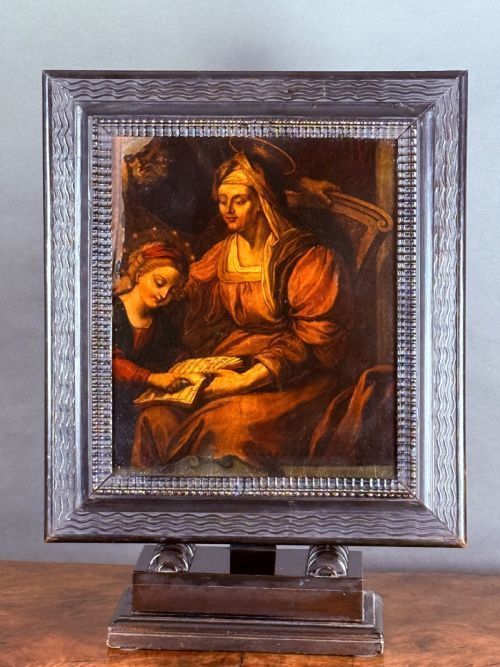
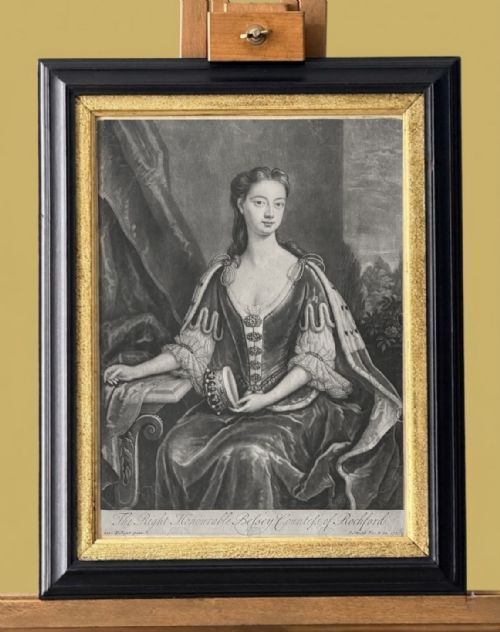
Printmakers employed copper plates for mezzotints, sometimes transferring images through reverse glass techniques that imparted a characteristic glossy depth. Draughtsmen recorded landscapes and figure studies using pencil and ink directly onto prepared paper sheets.
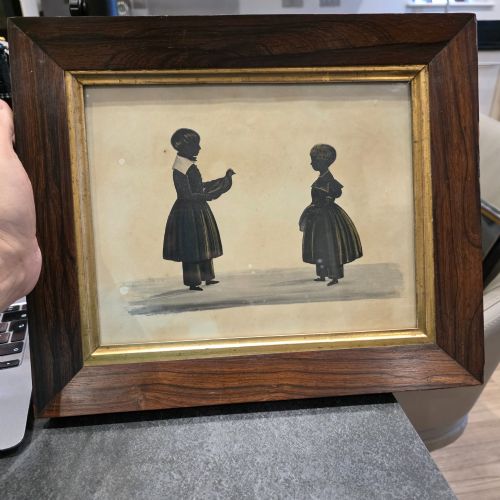
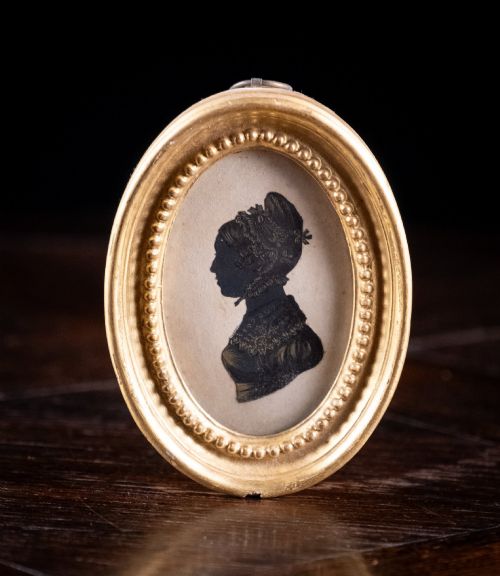
One determined nine-year-old named E. Sutton stepped before a silhouette artist in 1816 to have their profile preserved forever in paper and gold.
What varies in quality
Preservation of the original surface, whether unlined canvas or untouched giltwood frames, governs the integrity of each piece. The clarity of ink work in silhouettes and the crispness of plate impressions in mezzotints further separate superior examples from standard survivals.
Jean-Baptiste Van Loo·Charles Jervas·Adriana Verelst·Michael Dahl·James Maubert·William James Hubard·John Smith·Charles D'Agar
The Early Georgian Artwork Glossary
- Mezzotint
- A printmaking process where the copper plate is roughened to achieve dark tones and smoothed for lighter areas. This technique allows for rich gradations of shadow and light.
- Silhouette
- A profile portrait cut from black paper or painted onto card, popular for capturing likenesses swiftly. Many examples feature delicate highlights added in gold or watercolour.
- Giltwood
- Wood carved and coated with gold leaf or metal powder to create a reflective golden surface. It frequently frames oil paintings and mirrors from the period.
- Reverse glass painting
- An artwork created by painting or applying prints directly onto the back of a glass pane, viewed from the front. The glass protects the pigment and yields a luminous finish.
Early Georgian Artwork: Frequently Asked Questions
What subjects appear in early georgian artwork?
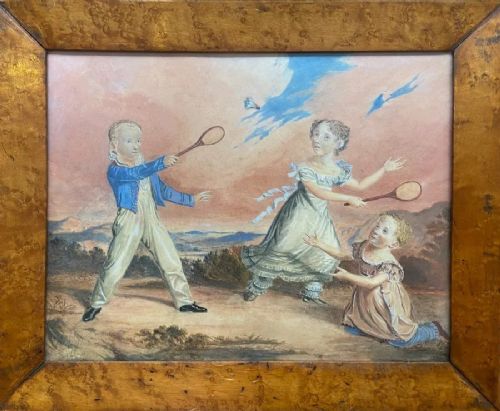
The visual records show a strong emphasis on portraiture depicting named gentlemen, ladies, and children, often posed near country estates or within domestic interiors. Alongside human subjects, artists documented horses, naval engagements, farmyards, and coastal landscapes.
Religious scenes and mythological themes also surface, translated through printmaking methods like reverse glass mezzotints. These varied subjects reflect the social standing and visual tastes of patrons during the period.
How do I identify a period frame?
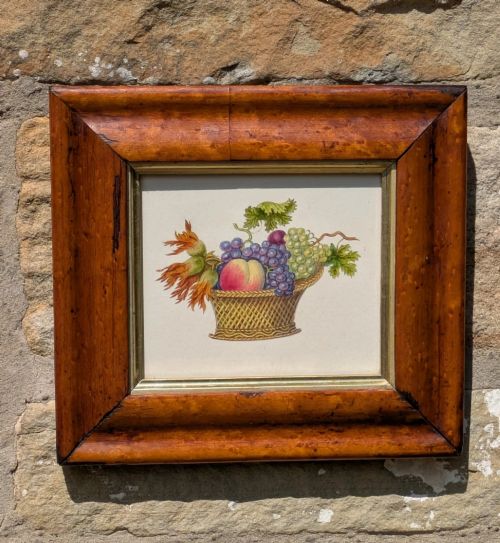
Period frames surrounding these artworks often utilise carved wood finished with gilt leaf or constructed from figured maple timber. Construction methods such as pegged corners and hand-cut mouldings help differentiate eighteenth and early nineteenth-century housings from later replacements.
Many frames preserve early paper labels, tax stamps, or inscriptions on the reverse that connect the piece to historical framers or previous collections.
Where should I hang oil portraits?
Oil paintings on canvas require stable indoor environments away from direct sunlight and excessive humidity to protect the paint layer and wooden stretchers. Positioning them on interior walls helps maintain consistent temperatures and prevents warping of the support.
Securing heavy giltwood frames with appropriate wall fixings ensures safe display without placing stress on the historic joinery of the frame itself.