
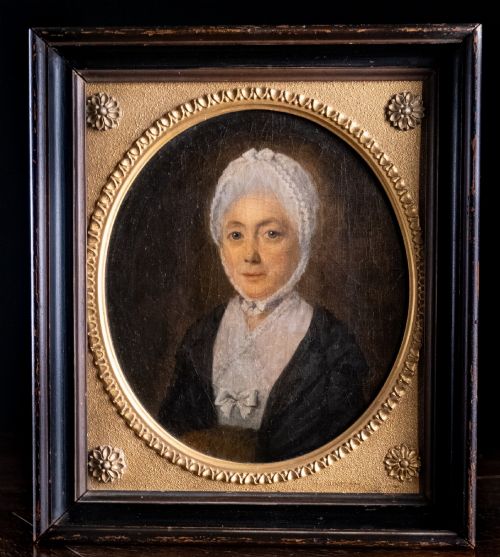
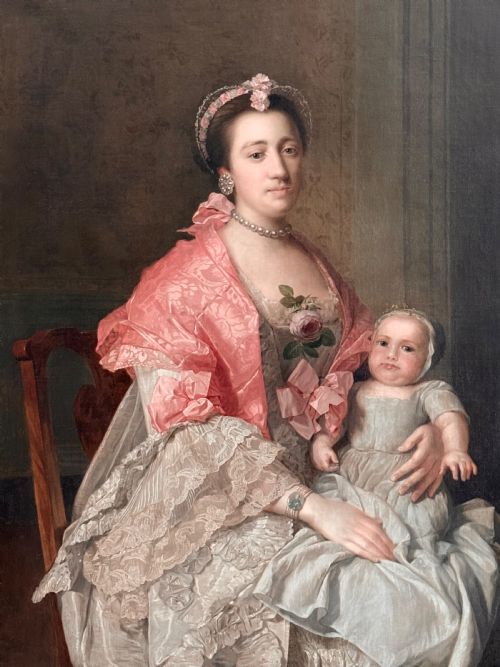
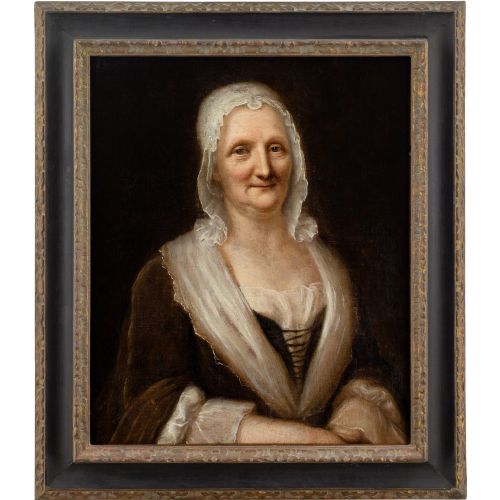
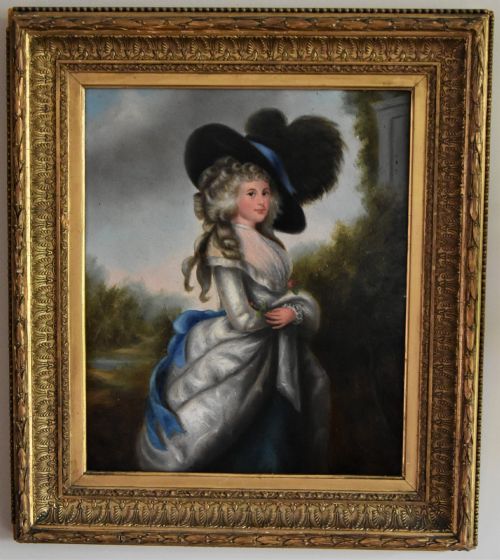
18th Century Lady Portrait
When you search for an 18th century lady portrait, you enter a gallery of aristocratic faces, silk gowns, and heritage oils captured by Georgian and continental hands.
18th Century Lady Portrait
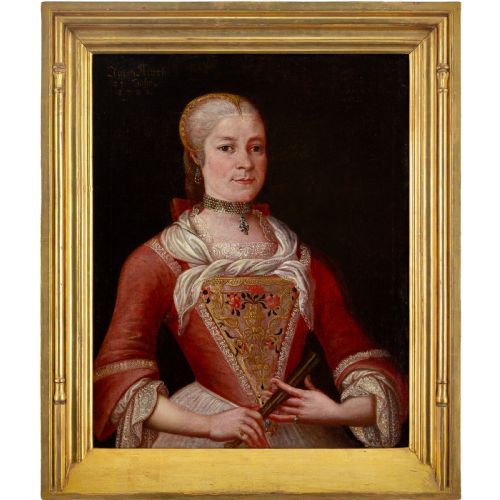
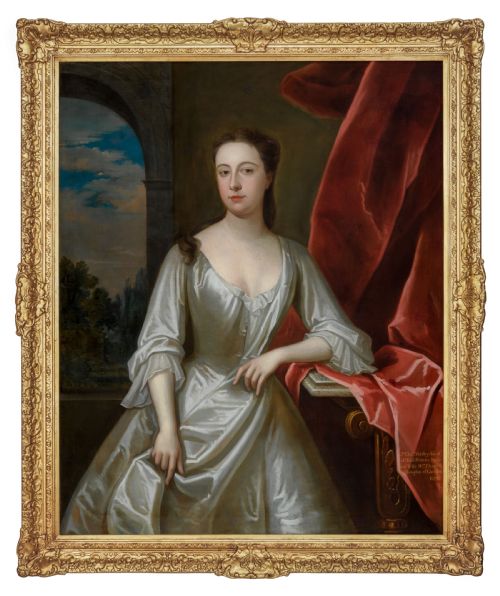
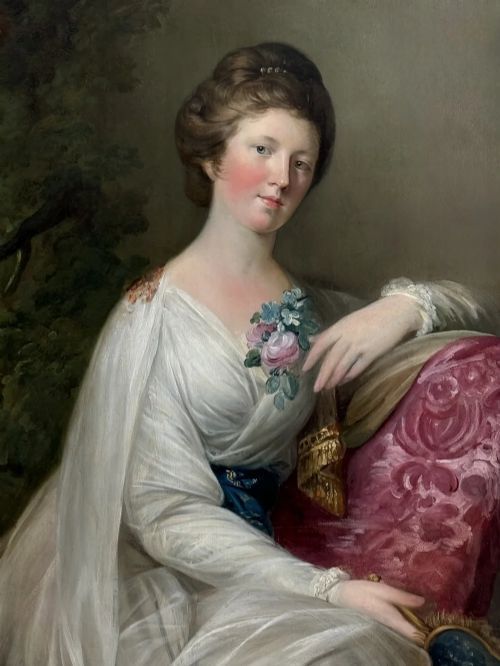
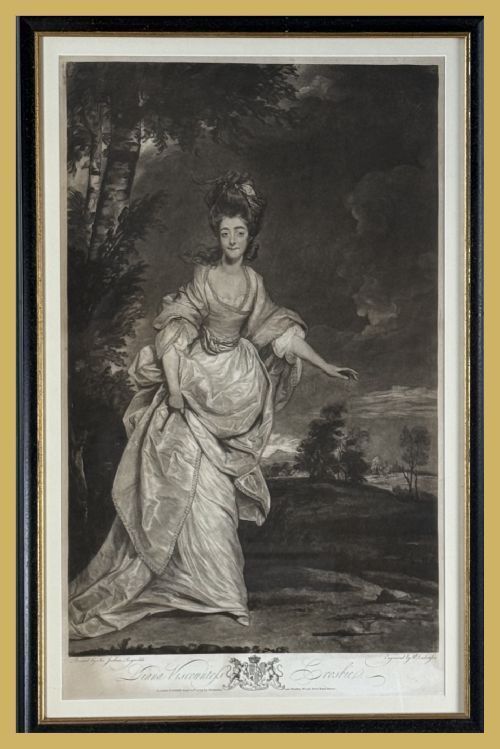
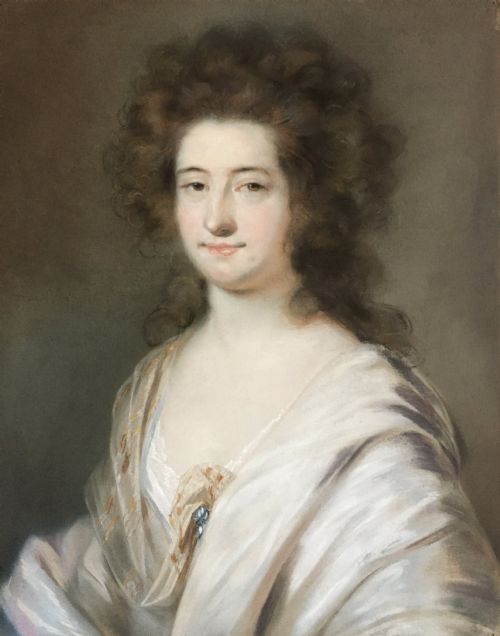
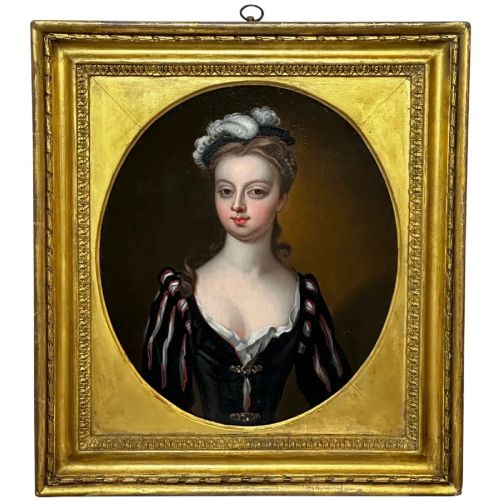
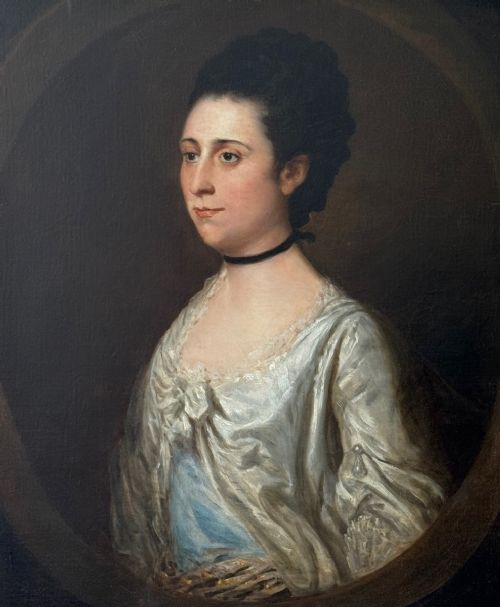
An 18th century lady portrait captures elite and fashionable women in oil on canvas, pastel, or miniature, reflecting the aesthetic ideals of the Georgian era. Buyers encounter works ranging from large British school oils to delicate French pastels and intimate miniature paintings framed in wood or gilt.
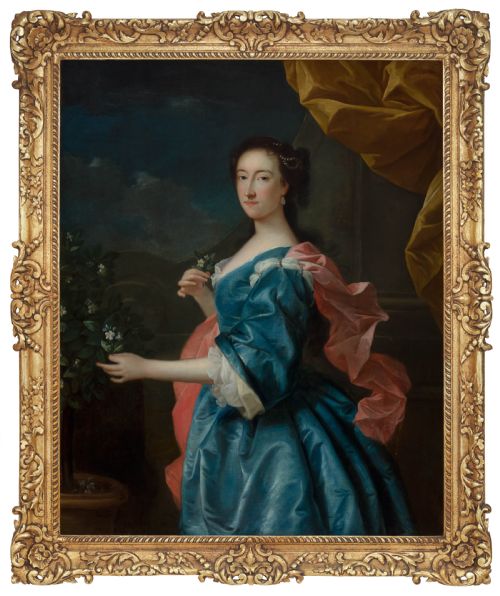
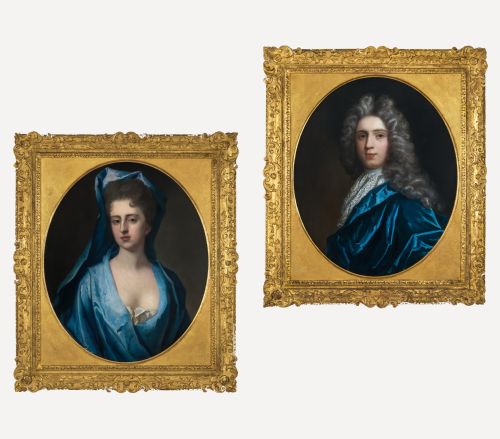
The subjects appear in elaborate garments such as woven silk dresses, lace collars, and classical veils, sometimes accompanied by children, spaniels, or botanical elements. Most examples hail from English, French, or Bavarian traditions, produced by named masters or continental schools.
These historical artworks serve as focal points for period interiors, offering a direct window into 18th-century portraiture conventions. Collectors select them for their costume details, atmospheric lighting, and the individual character preserved by the artist.
How They Were Made
Painters applied oil pigments onto stretched canvas or wooden board, building rich tones for silk drapery and flesh before varnishing the surface. Pastel artists worked dry pigments onto prepared paper or card, capturing soft facial contours and powdered hair.
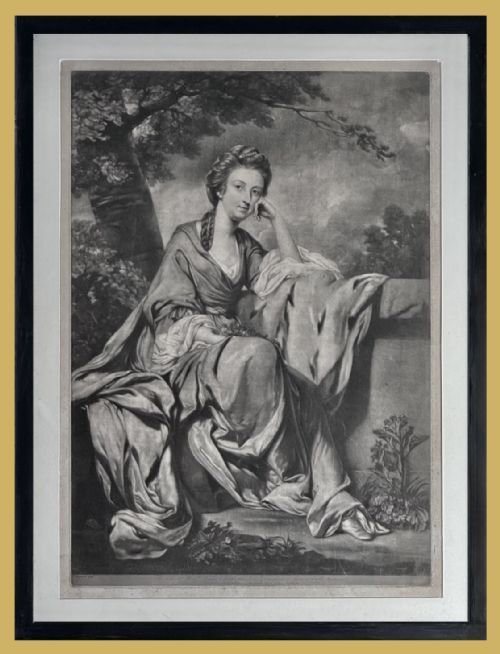
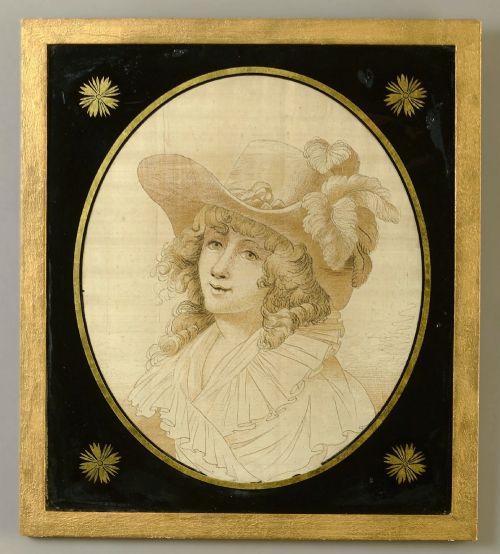
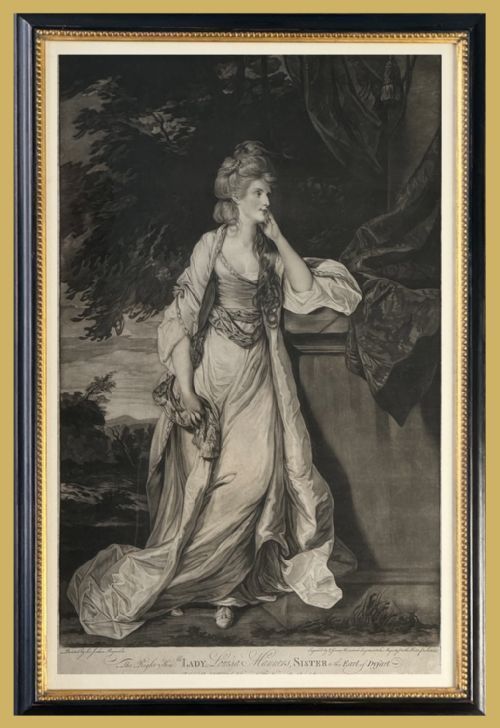
Miniature portraits utilised fine watercolours or oils on ivory, housed within protective glass and ebonised or Florentine frames. Printmakers reproduced renowned compositions through mezzotint engraving onto paper, allowing widespread distribution of aristocratic likenesses.
18th Century Lady Portrait Retail Price Guide 2026
Typical asking prices for 18th century lady portrait among the pieces listed under this phrase on Sellingantiques today, from the lower quarter to the upper quarter. They describe what is for sale here now, not the wider market.
Several ladies gaze past the viewer while clutching a discreet orange blossom or accompanied by a loyal spaniel.
What Varies in Quality
The rendering of textiles and facial anatomy dictates the standing of a canvas, where superior hands captured the subtle sheen of satin and the lifelike depth of eyes. Softer, more expressive brushwork distinguishes works by leading studio masters from stiffer provincial student pieces.
The survival of original supporting elements, such as period giltwood frames and untouched canvas grounds, elevates a piece's historical integrity. Depth of pigment preservation in pastels and the crispness of ink impression in mezzotints also mark the division between standard records and exceptional survivals.
Sir Godfrey Kneller·Sir Joshua Reynolds·George Willison·Jeremiah Davison·Michael Dahl·Thomas Murray·Valentine Green·Edward Fisher·W Dickinson·Watson·John Russell·John Vanderbank·Thomas Beach·Sir Allan Ramsay·Henry Pickering·Adriana Verelst·Joseph Highmore·William Naish·Nicolas Freese·James Maubert·Nicolas Fouché·Henrietta De Beaulieu Dering Johnston·Johann Hirschmann·John Verelst·Arthur Devis
The 18th Century Lady Portrait Glossary
- Mezzotint
- A printmaking process where the copper plate is roughened to achieve rich tonal gradations. This technique allowed printmakers to replicate oil portraits with remarkable shadow depth.
- Pastel
- A dry medium composed of powdered pigment and a binder, worked onto paper or card. Artists utilised it for its velvety texture and immediate colour blending.
- Giltwood
- Wood carved and coated with a thin layer of gold leaf or metallic paint. It frequently forms the ornate outer border of period frames.
- Miniature
- A small-scale portrait painted with meticulous detail on ivory, vellum, or card. These portable likenesses were often worn or kept in private domestic spaces.
- Attributed to
- A term applied when a work displays the distinct stylistic hallmarks of a specific master without definitive documentation of their hand. It guides collectors toward probable authorship.
18th Century Lady Portrait: Frequently Asked Questions
What is an 18th century lady portrait?
These artworks are historical paintings, pastels, or prints depicting elite women from the Georgian period in formal or informal settings.
They record the changing fashions, hairstyles, and social standing of women during the 1700s.
How were these portraits displayed originally?
Wealthy patrons hung large oil canvases in country house dining rooms, libraries, and grand staircases to display lineage and status.
Smaller miniatures and pastels remained in private chambers or were carried as personal tokens.
How do I care for an antique oil painting?
Keep paintings away from direct sunlight, extreme temperature fluctuations, and damp environments to protect the canvas and paint layers.
Dust the surface gently with a soft, dry brush and avoid using chemical cleaners on the aged varnish.
How can I tell a pastel from an oil painting?
Pastels have a matte, chalky surface texture that requires glass protection, whereas oil paintings present a glossy or satin sheen on canvas.
Pastel strokes reveal blended powder pigments, while oils show visible brush ridges and layered impasto.