


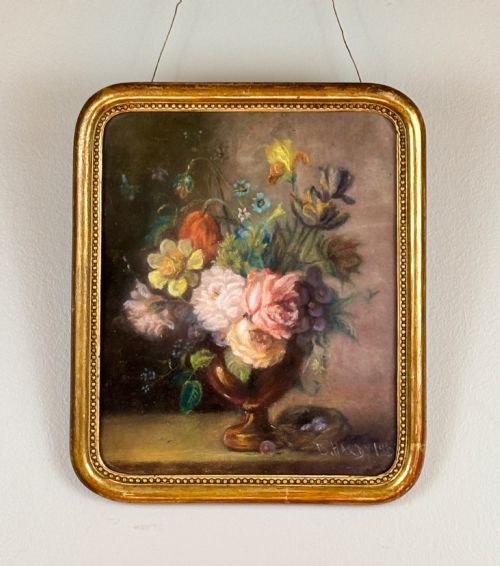
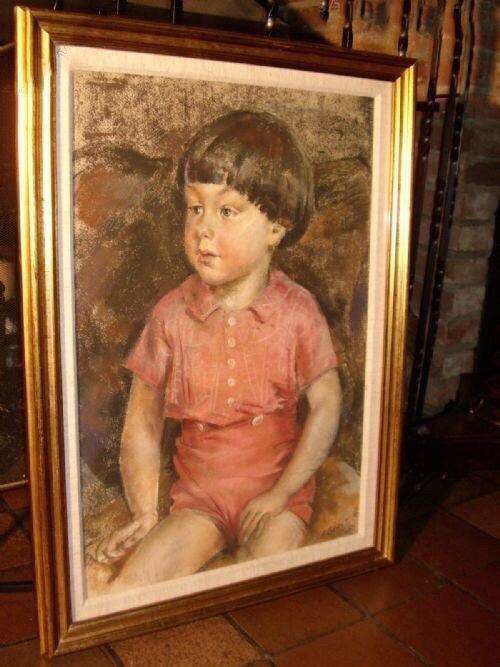
Antique Pastel Drawing
An antique pastel drawing brings intimate character to a room through velvety pigment and delicate draughtsmanship.

What an antique pastel drawing is
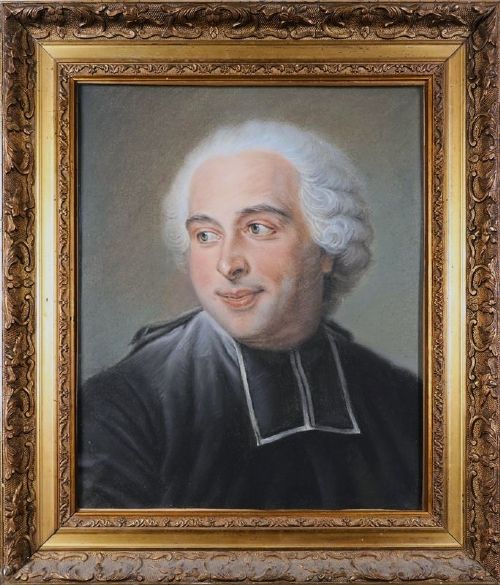
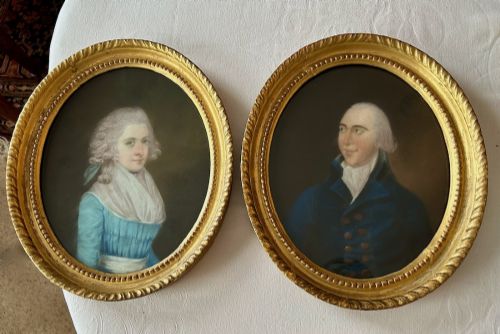
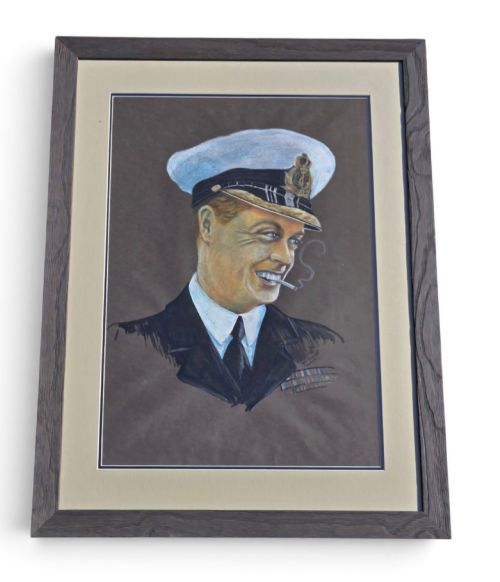
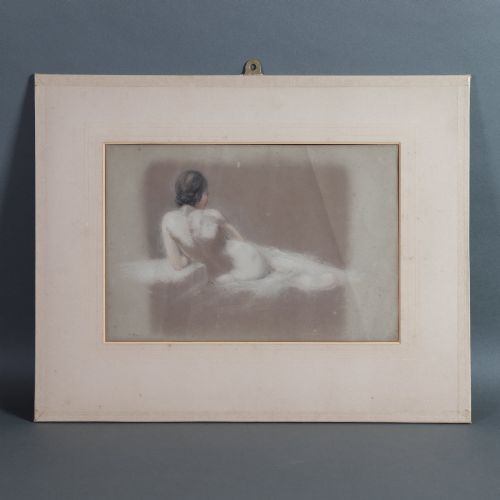
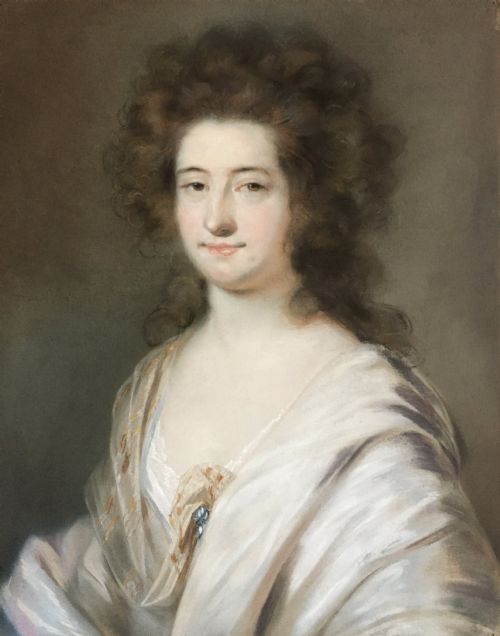
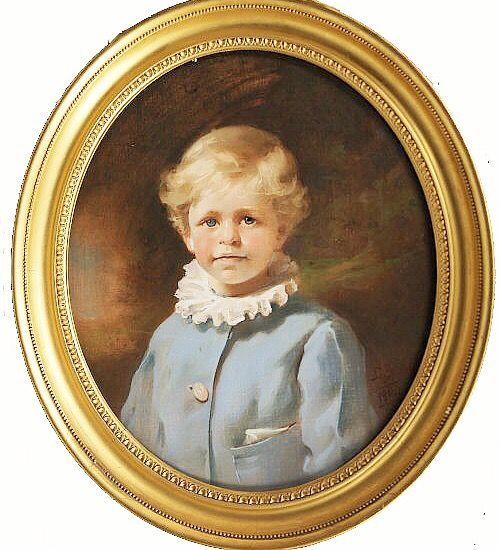
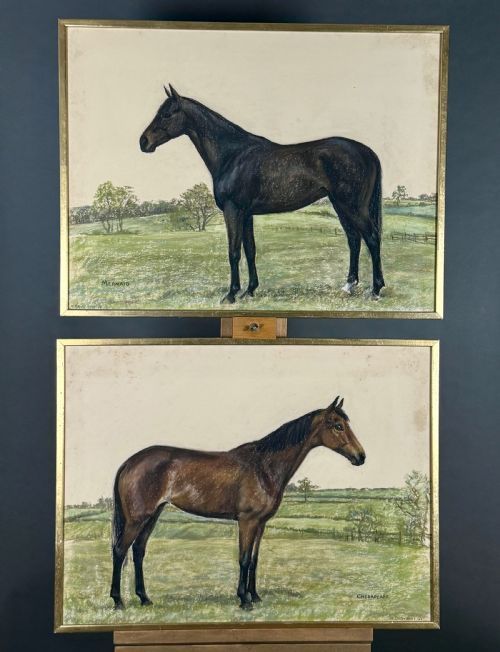
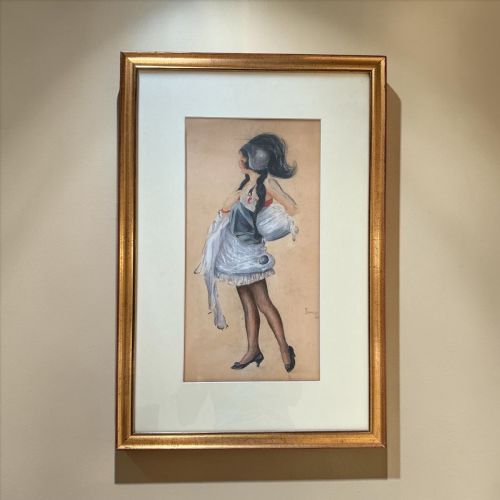
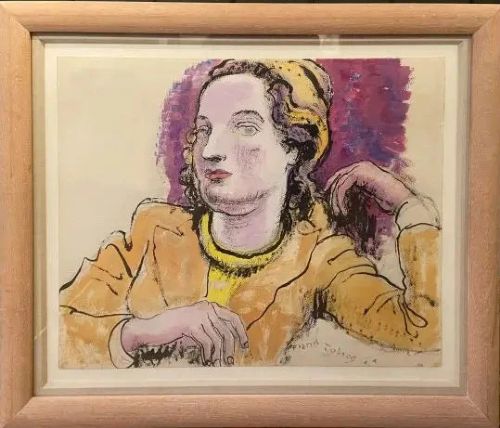
When you search for an antique pastel drawing, you encounter works created across the eighteenth, nineteenth, and early twentieth centuries. Portraits dominate the selection, capturing subjects from young girls and gentlemen to historical figures and ladies in silk dresses.
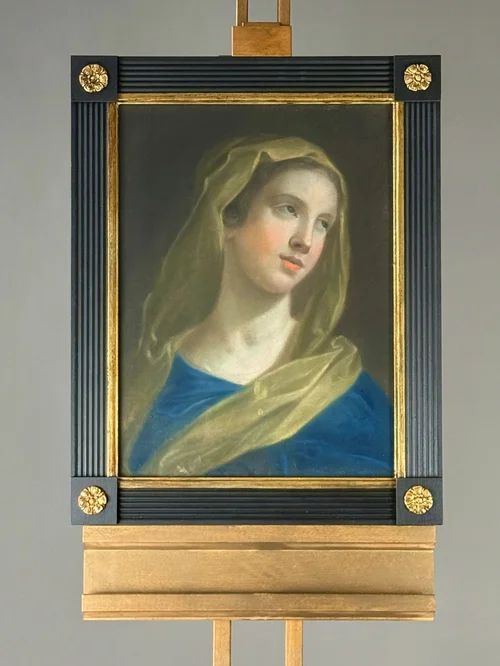
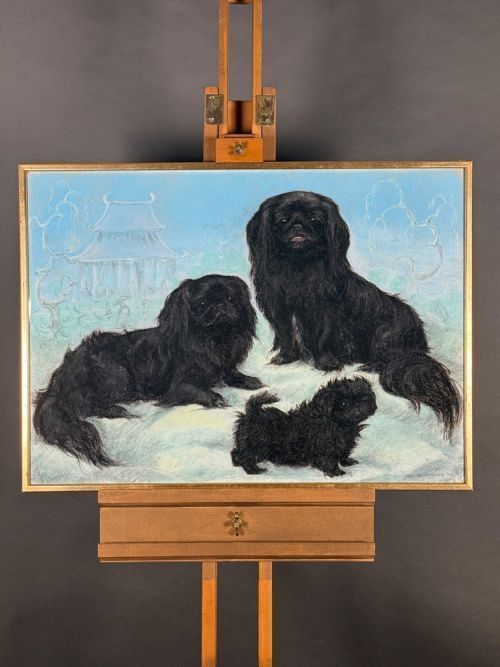
Beyond portraiture, the available pieces include landscapes, animal studies, and coastal scenes. These works frequently arrive framed under glass, often preserved in period surrounds such as giltwood or ebonised wood.
Victorian examples and nineteenth-century English and French school pieces form the core of what you will meet here. Miniature paintings and wall art span both oval and rectangular formats.
How these works were made
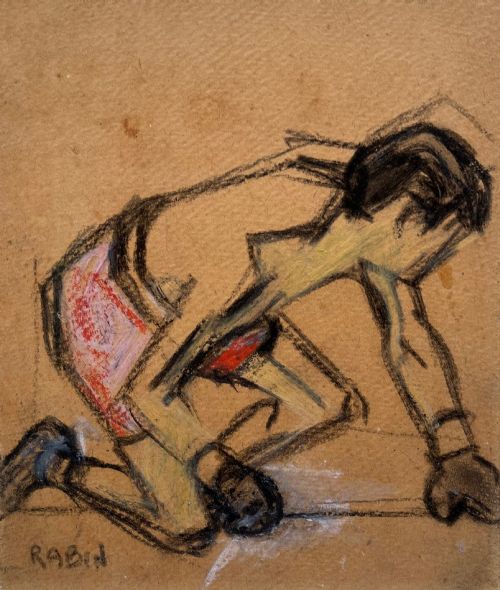
Artists built these images using pastel applied to paper, sometimes combining the medium with watercolour, chalk, or pencil. The friable nature of dry pigment required careful handling during execution.
Framing played a crucial role in survival, utilising glass to protect the delicate surface from disturbance. Mouldings of gilded wood, giltwood, and ebonised wood completed the assembly.
Retail Price Guide 2026
Typical UK retail prices for pastel drawing, calculated from the Sellingantiques database of over a million retail prices indexed since 2003. This retail price guide relies exclusively on Sellingantiques data; no external sources or auction records are used, so the figures do not describe the wider market.
Pastel portraits capture everything from austere judges to lions, polar bears, and coaching horses.
What separates the best from the rest
Quality rests upon the sureness of the draughtsmanship and the preservation of the pigment layer. Works retaining their original vibrancy without excessive dusting show superior initial handling.
The sophistication of the framing and the distinction of the sitter or subject elevate certain examples above standard decorative pieces.
Maurice Quentin de la Tour·Arthur Pond·Paul Koehler·John MaCallan Swan·Edward Handley-Read·Charles Edward Marshall
The Antique Pastel Drawing Glossary
- Pastel on paper
- A dry medium consisting of powdered pigment, filler, and binder applied directly to a paper support. This combination creates a distinctive velvety texture.
- Giltwood
- Timber carved and coated with a thin layer of gold leaf or gold paint. It frequently houses period frames.
- Ebonised wood
- Timber treated to imitate ebony, producing a dark, uniform finish. This treatment was common for nineteenth-century picture frames.
- Miniature painting
- A portrait or scene executed on a very small scale. These compact works often appear in oval formats.
Frequently Asked Questions
How should I hang an antique pastel drawing?
Keep pastel works away from direct sunlight to prevent fading of the delicate pigments. Stable indoor humidity protects both the paper support and the framing materials.
Ensure the piece hangs securely under its original or protective glass without the glazing touching the pigment surface.
Why are pastels often framed under glass?
Pastel pigment sits loosely on the paper surface and lacks the binding oils found in paint. Glass prevents accidental touching and airborne dust from disturbing the fine powder.
This barrier remains essential for the long-term survival of works from the eighteenth and nineteenth centuries.
How do I identify a Victorian pastel?
Victorian pieces frequently feature subjects in period attire, such as ladies in silk dresses or gentlemen with formal cravats. The framing often utilises ebonised wood or heavy gilt moulding.
Examining the paper stock and any inscription on the reverse helps confirm the nineteenth-century timeline.
Can I remove the frame from a pastel?
Opening the frame risks releasing loose pigment or damaging the fragile paper beneath the glass. Professional conservators should handle any reframing or restoration work.
Keeping the historical housing intact preserves the integrity of the piece.