
Antique French Wall Art
Selecting antique french wall art brings centuries of painterly tradition, carved woodwork, and decorative metalwork directly into domestic spaces.
Antique French Wall Art
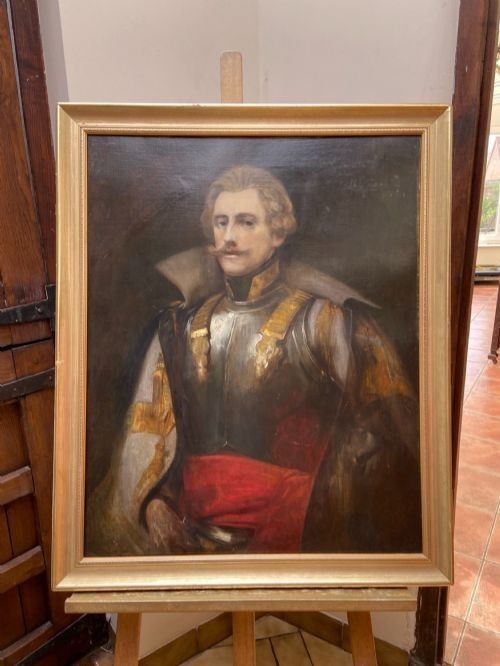
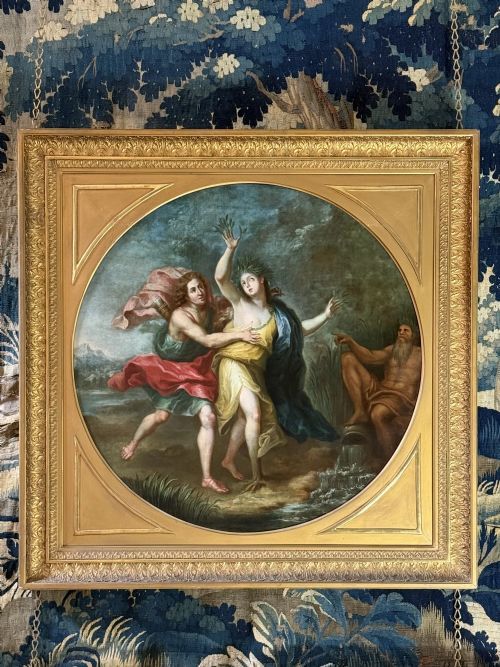
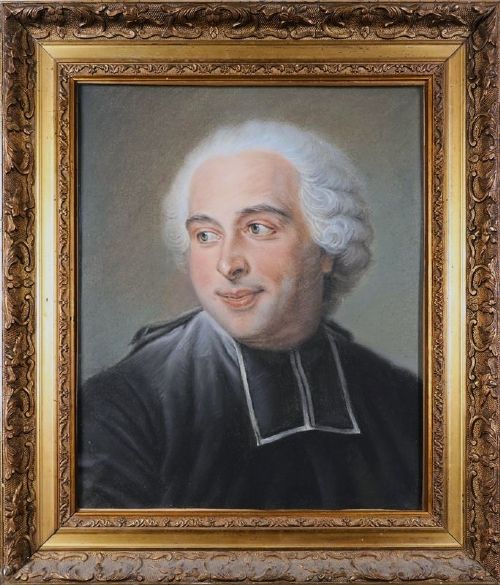
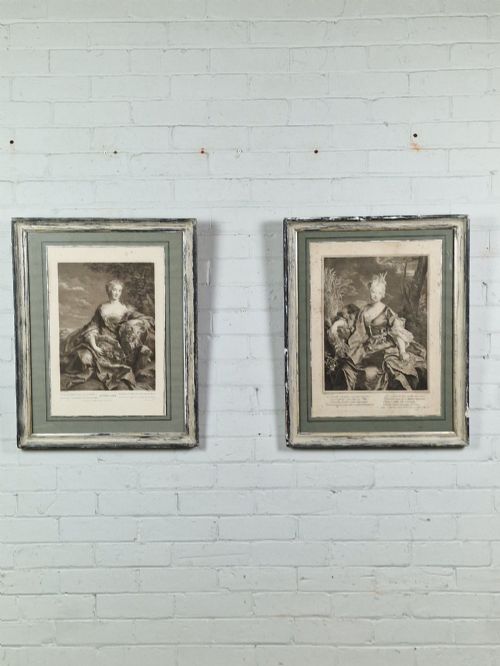
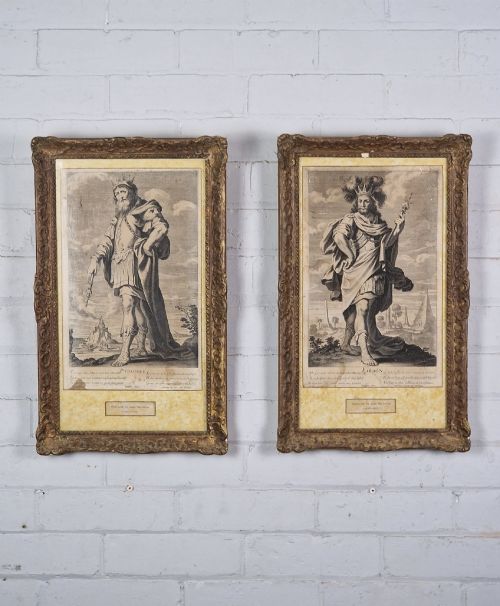
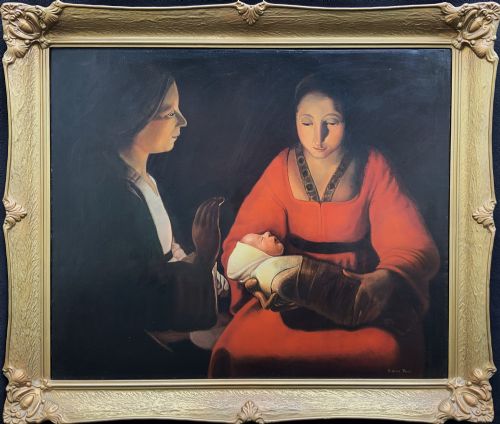
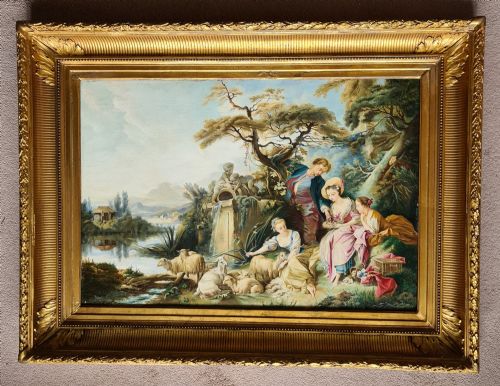
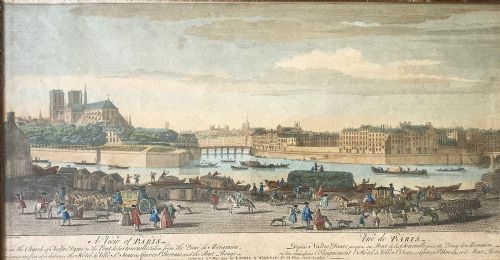
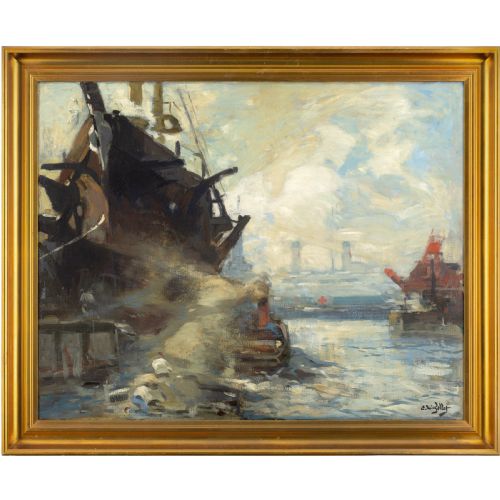
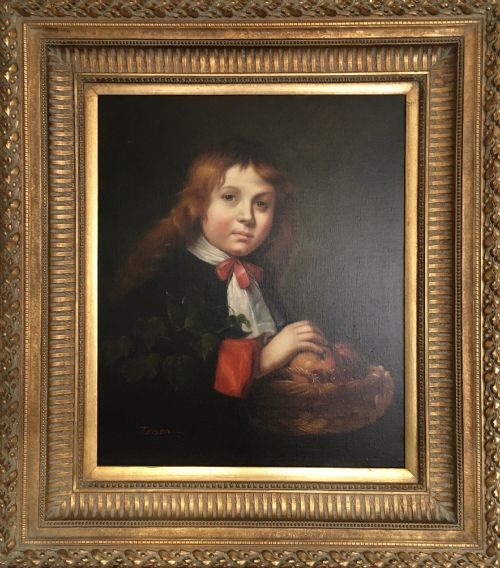
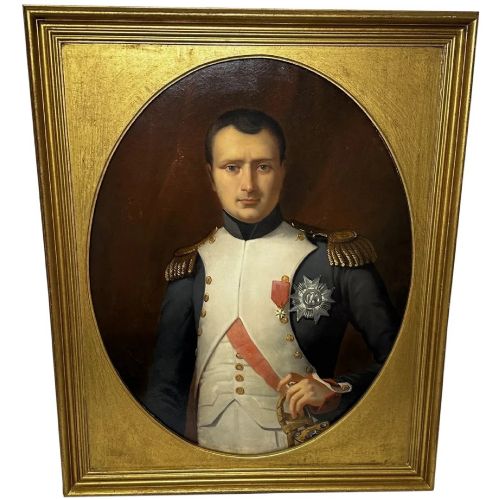
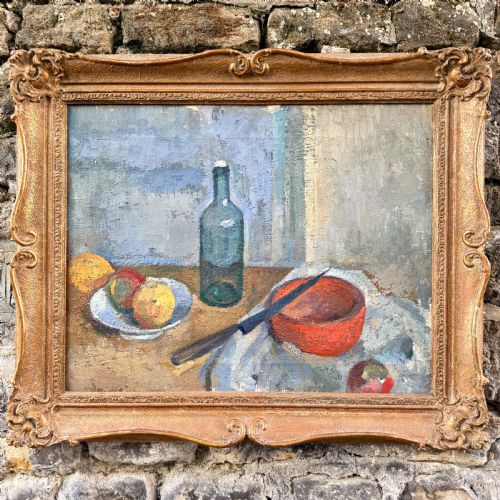
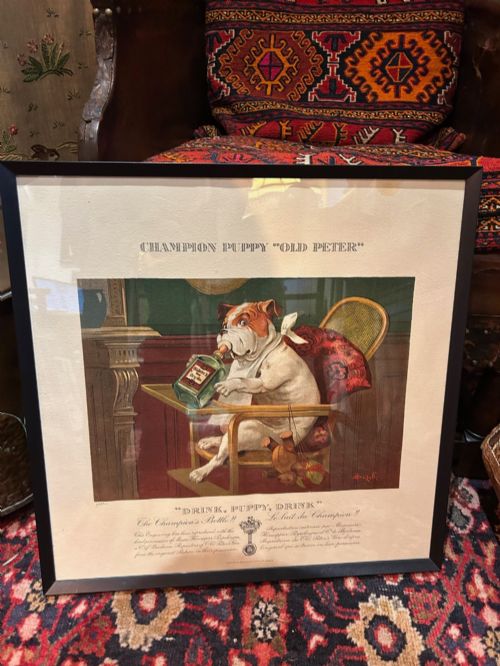
Antique french wall art encompasses a diverse range of objects designed for display on domestic and architectural surfaces, stretching from the seventeenth century through the mid-twentieth century. Buyers encounter oil paintings on canvas, pastel portraits, hand-coloured engravings, decorative wall clocks, and carved wooden architectural panels.
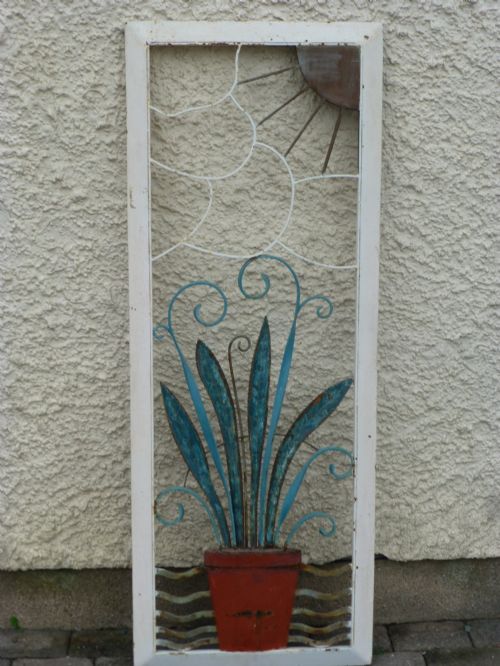
Pieces originate from various hands, including named classical painters, regional French schools, and specialised workshops producing architectural salvage or wrought iron scroll panels. This mix allows collectors to source everything from large devotional canvases to intimate pastel drawings framed in carved wood.
How They Were Made
Makers utilised traditional mediums such as oil paint on stretched canvas, fine paper for engravings and hand-coloured prints, and pastel pigments for portraiture. Canvases frequently employ heavy wooden stretchers, whilst works on paper rely on copperplate engraving and manual watercolour application.
Carved wooden elements, gilt wood frames, and over-door panels demonstrate hand-chryselle work, deep relief carving, and the application of gold leaf. Bronze and ormolu clock cases involve metal casting and mercury gilding techniques characteristic of historical Parisian foundries.
Antique French Wall Art Retail Price Guide 2026
Typical asking prices for french wall art among the pieces listed under this phrase on Sellingantiques today, from the lower quarter to the upper quarter. They describe what is for sale here now, not the wider market.
Listings span multiple centuries, incorporating 18th-century classical portraits, 19th-century oil paintings, and early 20th-century architectural ironwork.
What Varies In Quality
The refinement of brushwork and the precision of the draughtsmanship dictate the visual success of painted portraits and landscape oils. Finer canvases exhibit subtle tonal gradations and confident handling, whereas decorative copies or oleographs show mechanical printing textures or heavier, less nuanced pigment layers.
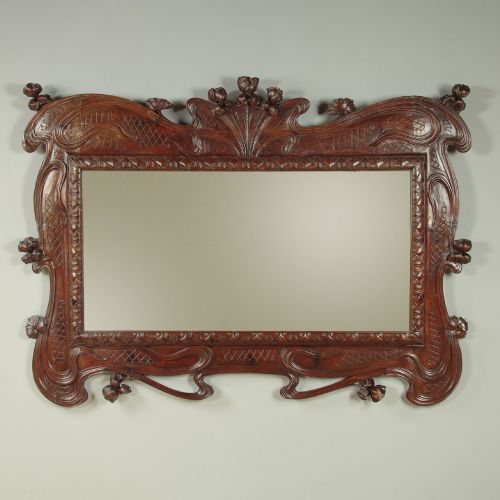
The integrity of the frame and the preservation of original gilding significantly influence the desirability of mirrors, carved panels, and oil paintings. Hand-carved wooden details displaying crisp undercut relief contrast with worn or later-repaired mouldings.
Charles Antoine Coypel·Eugène Louis Gillot·Francois Boucher·Jean Mariette·Japy Freres·Vincenti·Samuel Marti·Maison Bagues
The Antique French Wall Art Glossary
- Ormolu
- A technique of applying finely ground, high-carat gold to a bronze object, creating a rich golden finish used extensively on clock cases and decorative mounts. This finish requires careful maintenance to preserve its original lustre over centuries.
- Cartel clock
- A wall-mounted clock housed in an ornate, decorative case made from gilt bronze, ormolu, or carved wood. These timepieces were popular in French interiors during the seventeenth and eighteenth centuries.
- Engraving
- A printmaking process where an artist cuts an image into a metal plate using a sharp tool called a burin. Ink is then pressed into the grooves and transferred under pressure to paper.
- Oleograph
- A mechanical chromolithographic reproduction textured to simulate the appearance of an oil painting on canvas. These are often encountered on later decorative works mimicking earlier portraiture.
- Gilt wood
- Timber that has been coated with a thin layer of gold leaf or gold powder over a prepared gesso base. It is commonly found on antique picture frames and architectural wall panels.
Antique French Wall Art: Frequently Asked Questions
How do I hang a heavy bronze cartel clock safely?
Heavy bronze and ormolu timepieces require secure anchoring directly into structural wall studs or masonry using appropriate fixings rated for substantial weight. The hanging bracket must support the entire dynamic load of the cast metal case.
Consulting a professional horologist or installer ensures the movement remains level and undamaged during mounting, preventing subsequent mechanical failure.
Are 18th-century engravings usually hand-coloured?
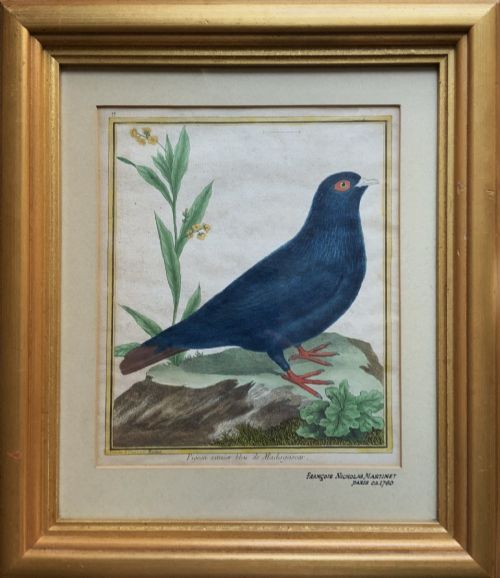
Many period engravings featured subsequent watercolour additions applied by hand to enhance botanical, topographical, or zoological subjects. This meticulous detailing adds significant visual character to works by historical printmakers.
Examination under magnification helps distinguish original period pigments from later twentieth-century enhancements.
How should I care for antique oil paintings?
Canvas paintings benefit from stable indoor environments away from direct sunlight, extreme temperature fluctuations, and high humidity. Gentle dusting with a soft, dry brush keeps the surface clear of particulate buildup.
Professional conservation cleaning should be left to specialists to avoid damaging fragile layers of historic varnish and pigment.
What is the difference between an oil painting and an oleograph?
Genuine oil paintings display visible brush texture, layered pigment application, and the natural weave of an artist canvas under close inspection. These unique works reflect the direct hand of the painter.
Oleographs utilise mechanical printing processes on textured surfaces to imitate brushstrokes, lacking the depth and individuality of original canvas art.