


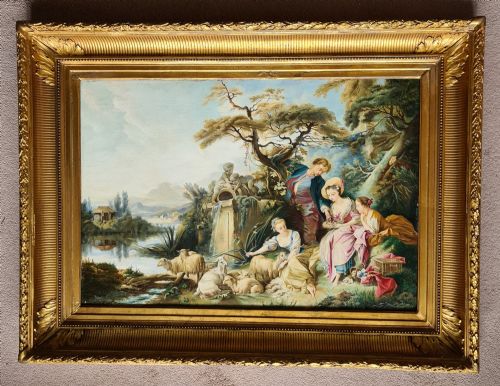

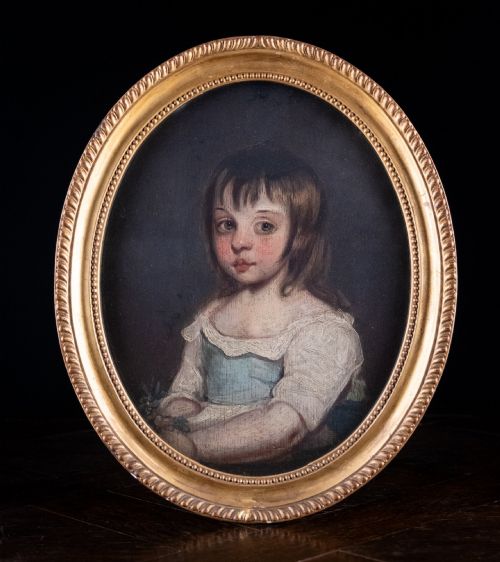

Gilded Frame Oil Canvas
A gilded frame oil canvas brings together centuries of fine portraiture, landscape, and still life within gleaming wooden borders.
Gilded Frame Oil Canvas
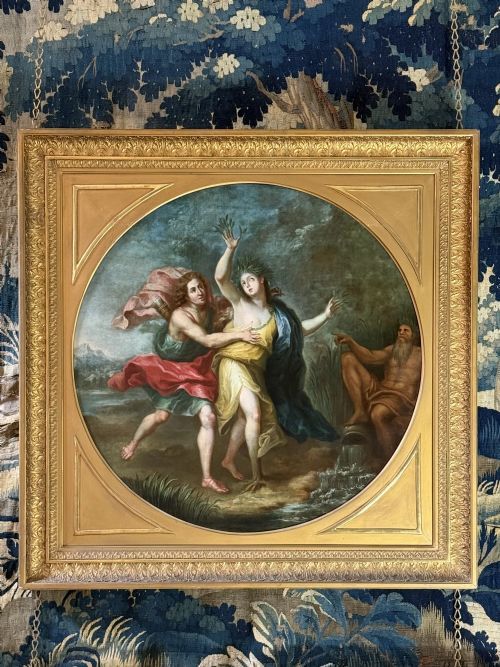
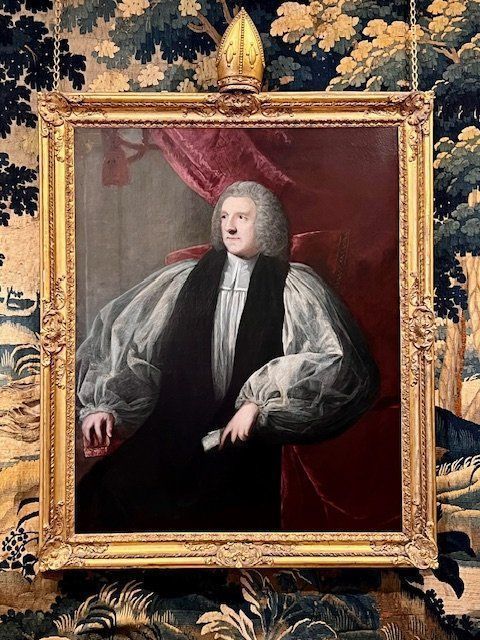
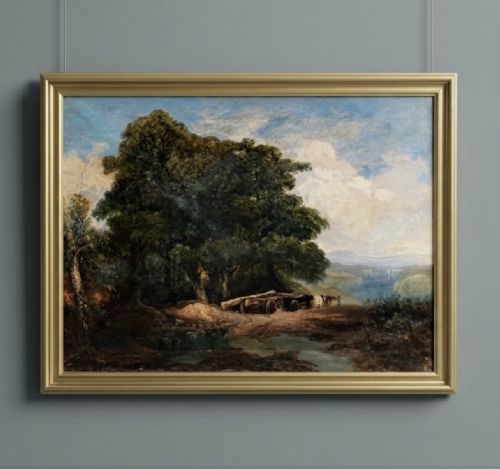
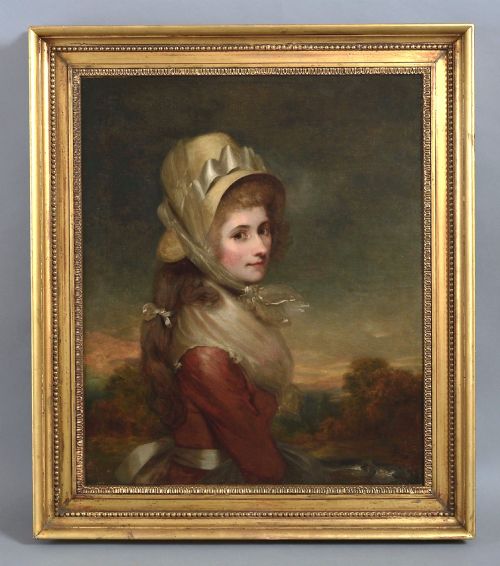
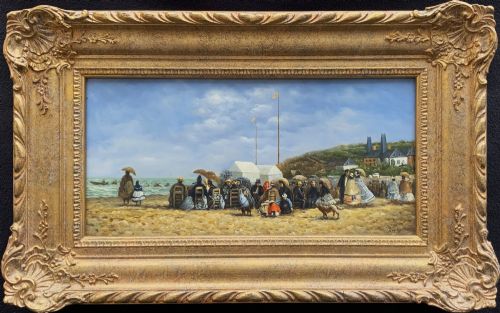
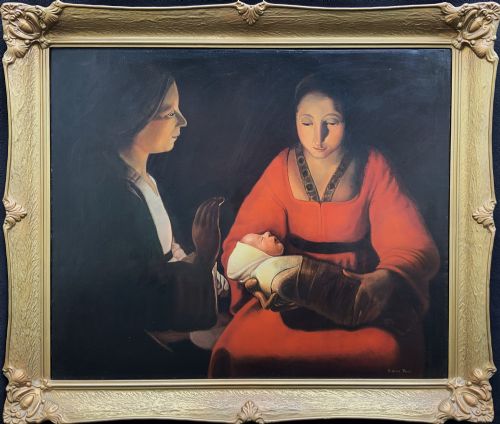
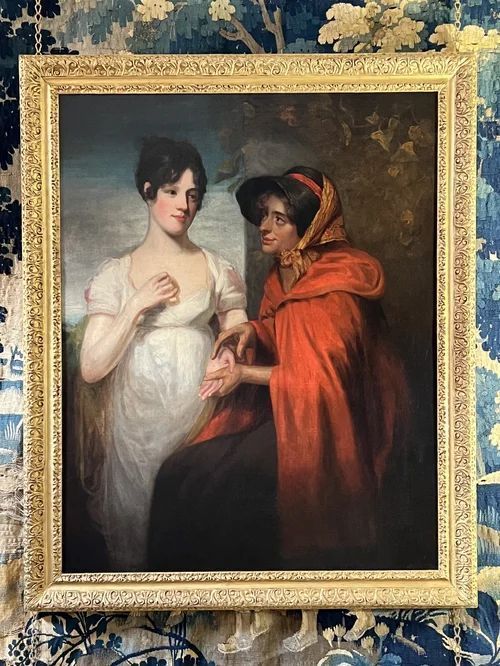
A buyer examining a gilded frame oil canvas encounters painted works executed across the seventeenth, eighteenth, nineteenth, and twentieth centuries. These pieces encompass diverse subjects ranging from classical mythology and grand aristocratic portraits to pastoral landscapes and floral still lifes.
The selections frequently present traditional oil paint applied to stretched canvas supports. Many items reflect distinct historical movements such as the Dutch Golden Age, French Rococo, Victorian academic painting, and the Barbizon School.
Surviving examples bridge multiple stylistic traditions, including works created directly by notable historic artists, studio productions, and later interpretations after masters such as Anthony Van Dyck and Francois Boucher.
Materials and Construction
The creation of these works relies upon traditional oil paint suspended in drying oils, layered onto woven canvas stretched across timber frames. This combination allows for subtle tonal gradations and rich impasto textures.
Surrounding enclosures utilise timber substrates shaped into mouldings, coated with gesso as a smooth preparation layer for gilding. Artisans then apply gold leaf or liquid gold finishes to achieve the characteristic metallic sheen.
Gilded Frame Oil Canvas Retail Price Guide 2026
Typical asking prices for gilded frame oil canvas among the pieces listed under this phrase on Sellingantiques today, from the lower quarter to the upper quarter. They describe what is for sale here now, not the wider market.
Several portraits preserve the likenesses of historical figures caught mid-expression while holding seasonal fruits like oranges.
Evaluating Quality and Execution
The standard of a painted work depends upon the anatomical precision, handling of light, and depth achieved within the brushwork. Master painters demonstrate nuanced control over fabric textures, skin tones, and atmospheric perspective.
The character of the enclosing border contributes significantly to the overall integrity of the piece. Hand-carved wooden mouldings and detailed gesso ornamentation exhibit superior craftsmanship compared to simpler, later adaptations.
Charles Antoine Coypel·Sir Joshua Reynolds·Richard Sebastian Bond·Sir Peter Lely·John Opie·Michael Dahl·Sir Godfrey Kneller·Constantyn Netscher·Pieter Borsseler·Alfred Fontville de Breanski Jr·Stephen Samuel Lewin·Vittorio Reggianini·Pat Nasmyth·John Theodore Heins·John Closterman
The Gilded Frame Oil Canvas Glossary
- Giltwood
- Wood that has been coated with gold leaf or a gold-coloured finish. This material provides the brilliant metallic border typical of antique picture frames.
- Gesso
- A plaster mixture applied to a wooden frame as a base for gilding. It creates a smooth surface capable of holding intricate carved detail.
- Oil on Canvas
- Pigment mixed with drying oil applied to a woven fabric support. This medium forms the primary picture surface for the majority of these historic artworks.
- Old Master
- A European artist of high skill working before the nineteenth century. These painters established the foundational compositions and portrait traditions seen in many surviving canvases.
- Barbizon School
- A nineteenth-century French art movement focused on direct observation of nature. Painters associated with this group produced naturalistic landscapes emphasising mood and light.
Gilded Frame Oil Canvas: Frequently Asked Questions
How do I care for an oil painting on canvas?
Keep the canvas away from direct sunlight and steady humidity levels to prevent the paint layer from cracking. Dust the surface gently with a soft, dry brush without applying moisture.
Inspect the back of the stretcher periodically to ensure the fabric remains properly tensioned. Avoid using chemical cleaning agents on either the painted surface or the metallic border.
Are these frames original to the paintings?
Many works retain their period surrounds, which were often selected to complement the tonal palette of the artwork. Hand-carved giltwood frames frequently share the approximate age of the canvas they enclose.
Certain pieces may feature replacement surrounds from later periods that match the historic style of the primary work. Examining the corner joints and gesso layers helps determine the history of the border.
How can I identify the age of a canvas?
Dating relies upon stylistic markers within the clothing, hair, and composition of the subject. Examining the preparation layers on the reverse of the woven support also offers clues regarding its period.
Signatures, inscriptions, and historical documentation provide further context for the creation date. Comparing the technique to known works by specific schools refines the timeline.
What subjects are most common in these works?
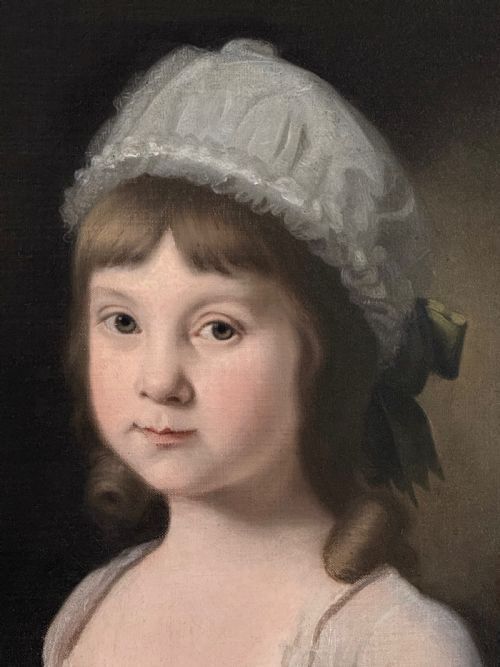
Portraiture forms a significant portion of the available inventory, depicting aristocrats, gentlemen, and ladies from past centuries. These range from formal commissioned likenesses to intimate studies.
Landscapes and pastoral scenes reflecting romantic or academic traditions also appear frequently. Floral still lifes provide another recurring theme across various nineteenth and twentieth-century examples.