


Victorian Fine Art Painting
A victorian fine art painting brings nineteenth-century portraiture, landscape, and genre scenes into a room through original oil and watercolour works.
Victorian Fine Art Painting
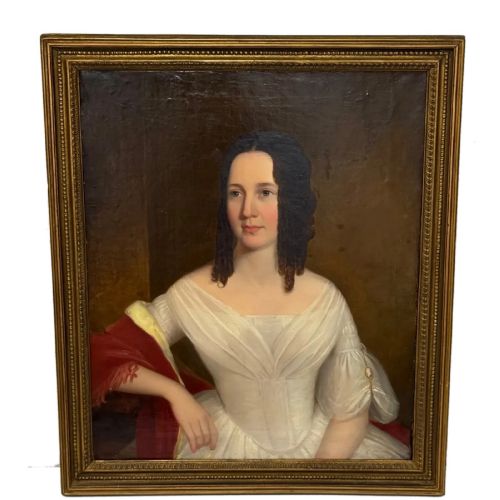
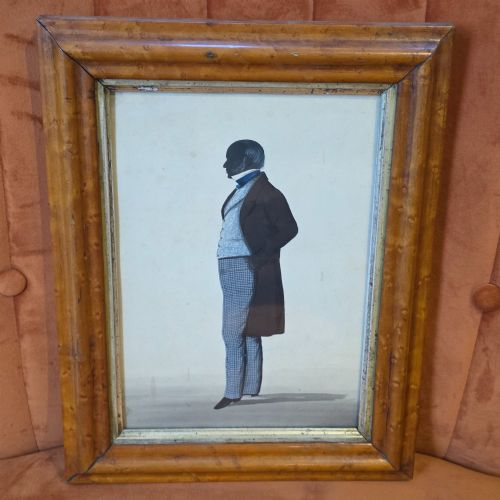
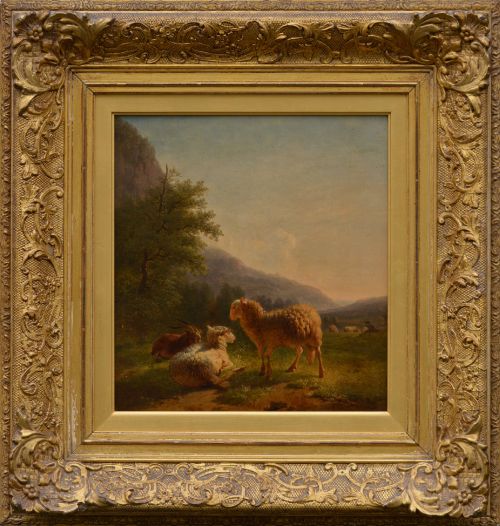
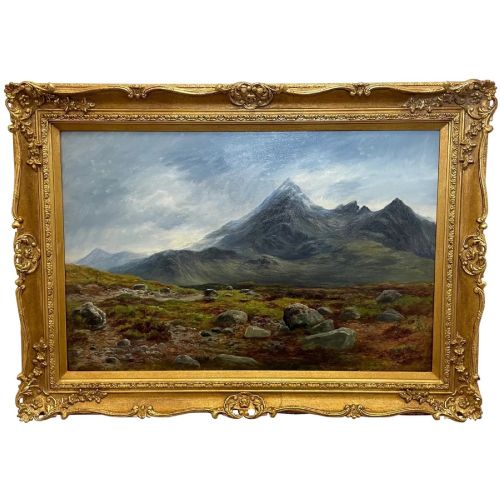
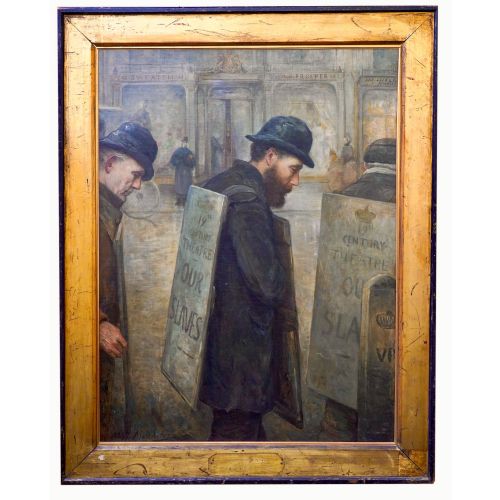
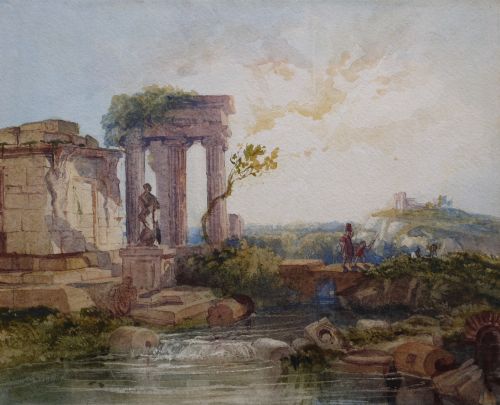
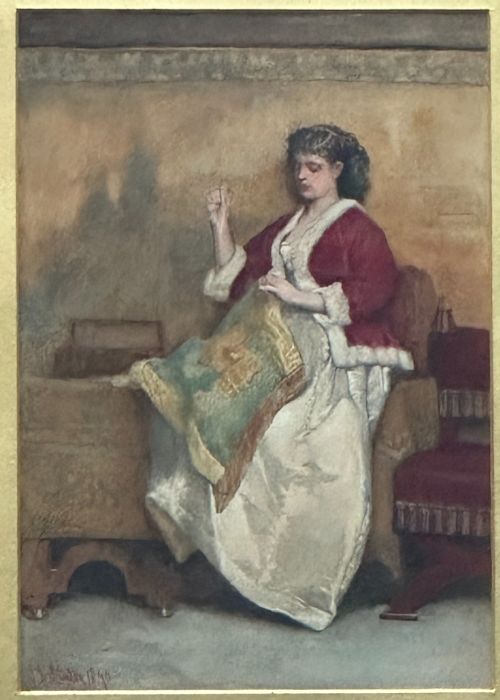
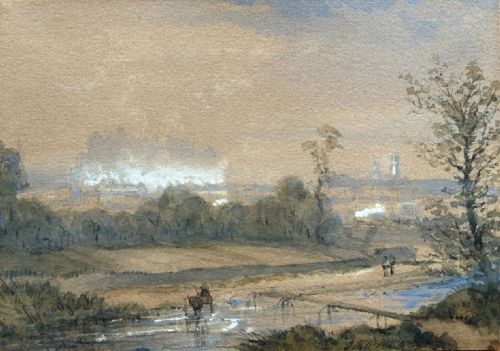
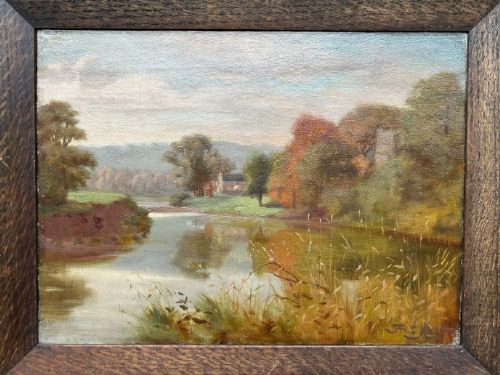
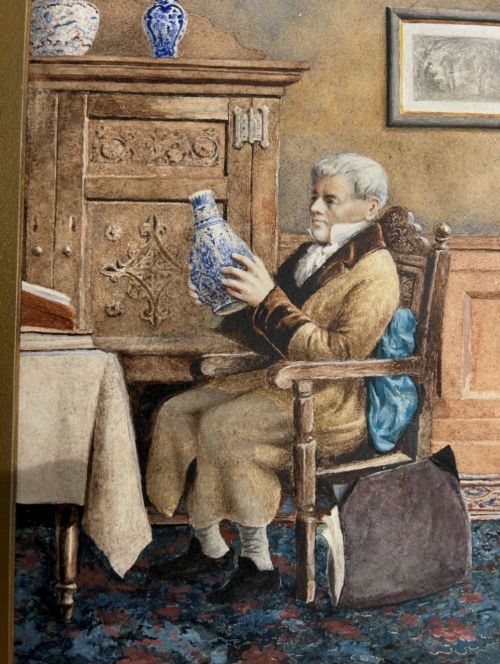
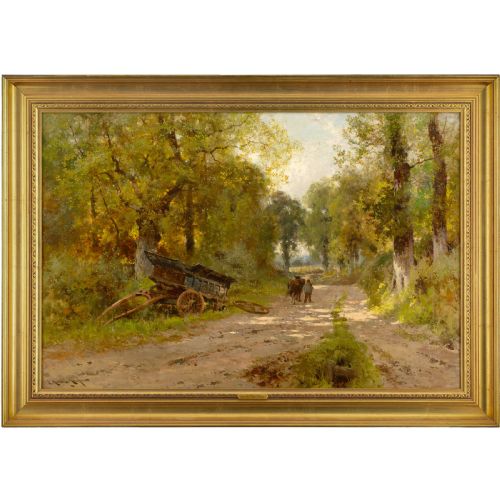
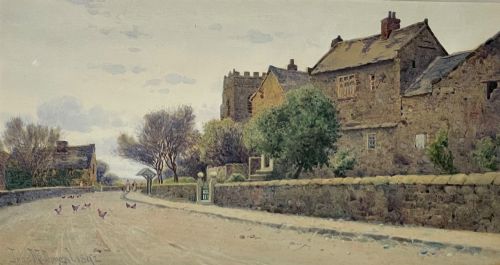
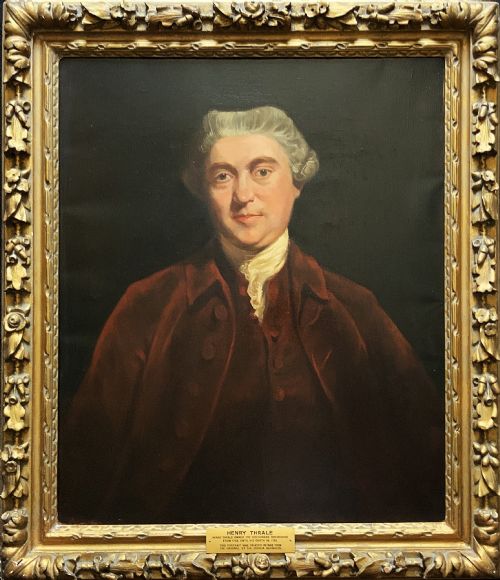
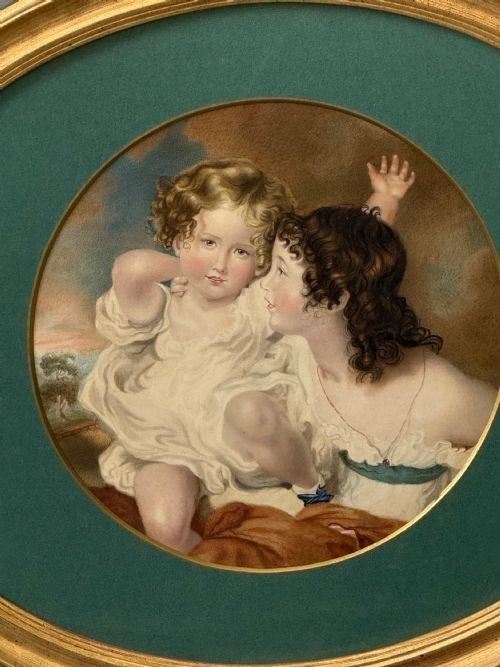
When searching for a victorian fine art painting, a buyer looks at nineteenth-century works spanning portraiture, landscape, and genre scenes. These pieces capture the subjects of the period across oils on canvas, oils on board, and watercolours on paper.
The most common examples on this page are oil paintings on canvas and framed watercolours originating from British and European schools. They range from intimate domestic interiors and animal studies to expansive coastal and rural views.
Materials and technique
The physical build relies on oil paint applied to stretched canvas or wooden panels, alongside watercolours worked on paper. These pigments are paired with timber frames, often finished in gilt wood or glass protection.
Techniques span detailed academic brushwork and impressionistic touches within styles such as realism, romanticism, and pre-raphaelitism.
Victorian Fine Art Painting Retail Price Guide 2026
Typical asking prices for victorian fine art painting among the pieces listed under this phrase on Sellingantiques today, from the lower quarter to the upper quarter. They describe what is for sale here now, not the wider market.
Listings feature works from the 1850s, 1860s, 1870s, 1880s, 1890s, and 1900s using oil paint, canvas, watercolour, and gilt wood.
Distinctions in quality
Quality rests upon the confidence of the brushwork and the anatomical or perspective accuracy shown in the composition. Works by named academic painters or exhibited artists display greater control over light, tone, and character than anonymous decorative pieces.
The preservation of the original canvas, pigment stability, and the harmony of the period frame contribute to the standing of an individual work.
Eugène Verboeckhoven·William Beattie-Brown·Felix Stone Moscheles·Richard Principal Leitch·Sir James Dromgole Linton·John R Prentice·John Maler Collier·Dumini Leopoldo·Frederick Marriott·John Horace Hooper·John McDougal·Albert Clark·W R Waters·G J S Bary·W D Almond·Alfred Pollentine·Howard Helmick·Edward Ladell·Adelaïde Salles-Wagner·Max Kaltenmoser·Louis Charles Verwee·James Hamilton·William Blake Richmond·Stephen Pearce
The Victorian Fine Art Painting Glossary
- Oil on Canvas
- A painting medium where pigments bound in drying oil are applied to a woven fabric support stretched across a wooden frame.
- Watercolour Painting
- Works created using water-soluble pigments on paper, typically displayed behind glass within a framed mount.
- Genre Painting
- Depictions of everyday life, domestic interiors, or social scenes rather than formal portraits or grand historical narratives.
- Pre-Raphaelite
- A nineteenth-century artistic style characterised by vibrant colours, detailed attention to nature, and literary or romantic themes.
- Gilt Wood
- Carved timber finished with a thin layer of gold leaf or metallic gilding, commonly used for period picture frames.
Victorian Fine Art Painting: Frequently Asked Questions
How do I care for an antique oil painting?
Keep paintings away from direct sunlight, high humidity, and rapid temperature changes to protect the canvas and paint layers.
Dust the surface gently with a dry, soft brush and avoid using chemical cleaners or water on the paint.
Are these paintings supplied in original frames?
Many works retain period wooden or gilt frames that match the nineteenth-century date of the artwork.
Some pieces have later replacement framing selected to suit the aesthetic of the composition.
What is the difference between oil and watercolour works?
Oil paintings use heavy pigments on canvas or board, offering rich textures and deep colour layering.
Watercolours utilise fine pigments on paper under glass, resulting in a lighter and more translucent finish.
How do I identify the subject of a portrait?
Portraits often include inscriptions, signature stamps, or labels on the reverse of the canvas or frame detailing the sitter.
Biographical records and exhibition catalogues can sometimes match the artist and date to a specific historical person.