



Traditional Oil on Canvas
Traditional oil on canvas works bring centuries of pigment and texture into a room, offering a direct link to historic portraiture and landscape traditions.
Traditional Oil on Canvas
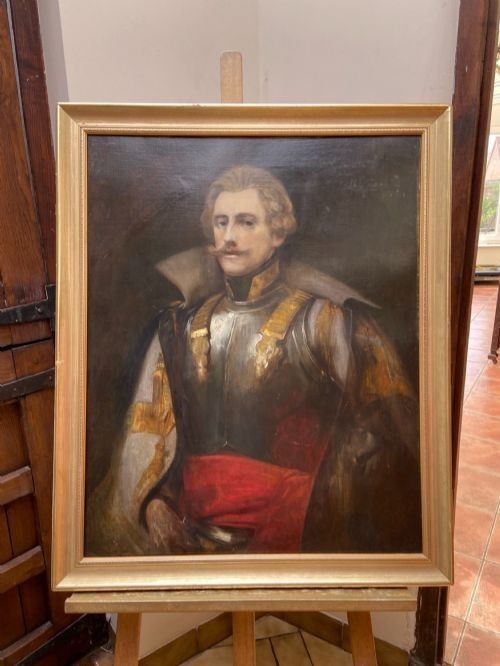
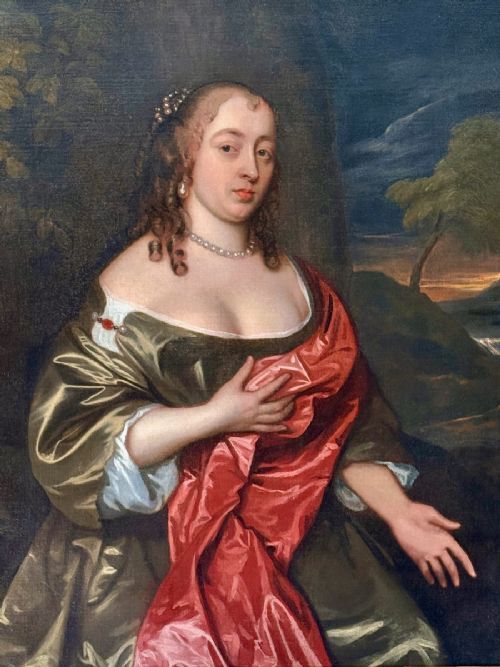
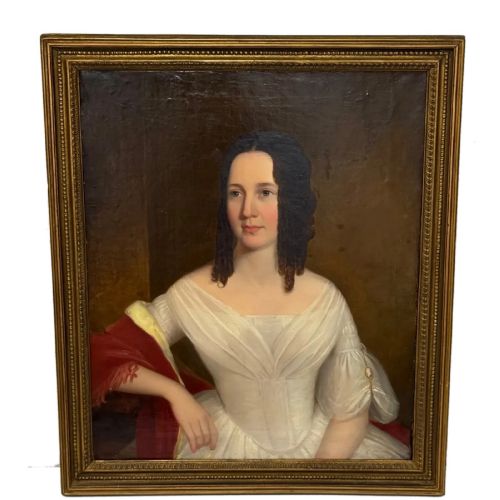
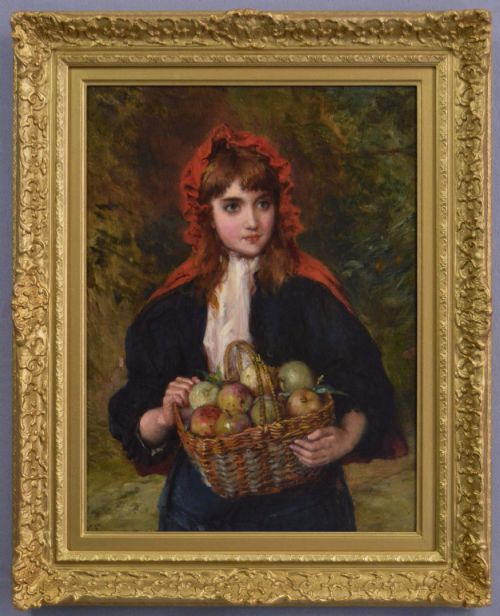
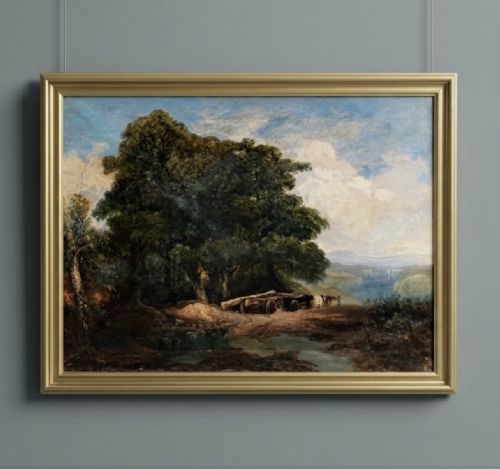
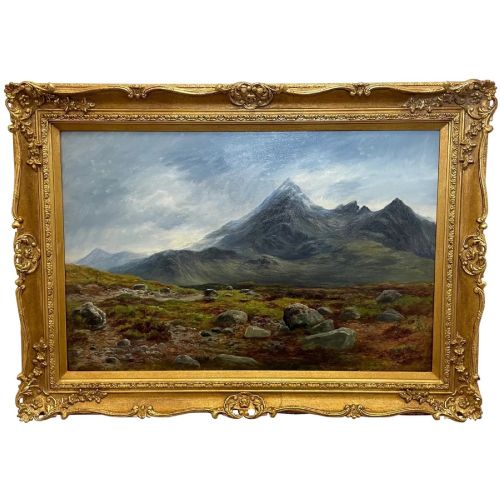
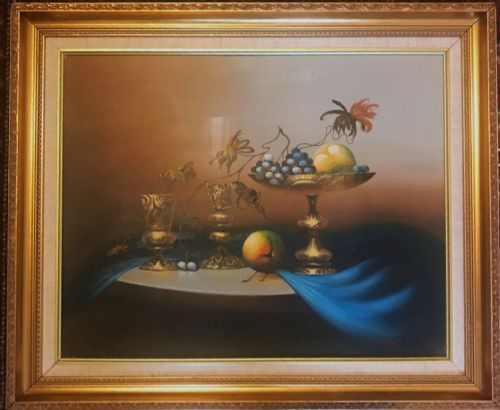
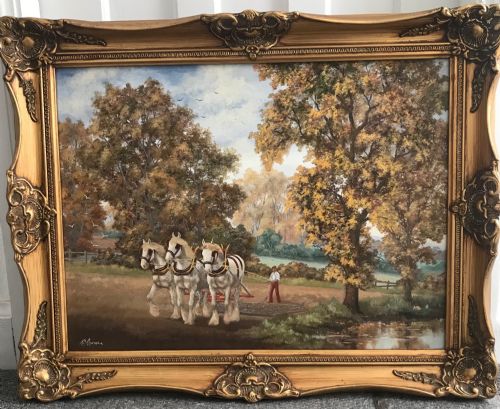
Traditional oil on canvas paintings encompass centuries of portraiture, landscapes, still lifes and marine scenes spanning from the Georgian and Regency eras through the Victorian period and into the twentieth century. These works frequently capture human figures, livestock, floral arrangements and pastoral views executed by British, European and regional schools.
The pieces most frequently encountered in this category range from nineteenth-century landscapes and portraits to early twentieth-century still lifes and animal studies. Many originate from recognised artistic movements such as the Dutch Golden Age style, Classical Realism and the nineteenth-century French school.
Works appear in various formats, from intimate cabinet paintings to monumental canvases housed in their original surrounds. Collectors encounter both signed original compositions and period copies after masters such as Leonardo da Vinci, Francisco Goya and Sir Joshua Reynolds.
How they were made
Pigments ground in drying oils are applied to stretched woven fabric, typically linen or cotton, allowing artists to build rich layers of colour and translucent glazes. This combination provides flexibility and durability, permitting subtle blending and varied impasto textures across the surface of the painting.
Finished canvases are secured within timber stretchers and housed in protective surrounds, often constructed from wood and embellished with gilt, gesso or carved ornamentation. The framing materials complement the period of the painting, ranging from simple wooden mouldings to elaborate giltwood frames.
Traditional Oil on Canvas Retail Price Guide 2026
Typical asking prices for traditional oil on canvas among the pieces listed under this phrase on Sellingantiques today, from the lower quarter to the upper quarter. They describe what is for sale here now, not the wider market.
The selection includes classical portraits, romantic landscapes, marine scenes, and floral still lifes representing Dutch, French, and British schools.
What varies in quality
The distinction between standard works and superior examples lies in the precision of the draughtsmanship, the handling of light and shadow, and the psychological depth or atmospheric resonance achieved by the painter. Masterful brushwork breathes life into a subject, whether rendering the intricate folds of a silk dress, the texture of foliage or the expression in a portrait sitter's eyes.
Conservation history and the integrity of the original paint surface influence the standing of a piece. Works retaining their untouched pigment layers, stable canvas tension and period-appropriate framing hold greater aesthetic cohesion than those marred by heavy overpainting or structural distortion.
William Beattie-Brown·Richard Sebastian Bond·George Graham·John Horace Hooper·William H Myers·William Oliver·Hendrik Willem Schweickhardt·George Willison
The Traditional Oil on Canvas Glossary
- Canvas
- A heavy woven fabric used as a support surface for painting. Woven from flax or hemp in earlier centuries, it provides the foundational texture visible beneath oil pigment.
- Gesso
- A traditional primer mixture consisting of a binder mixed with chalk, gypsum or pigment. Applied to wooden frames or panels, it creates a smooth surface for gilding and ornamentation.
- Impasto
- Paint applied thickly to a canvas, standing in relief and retaining the marks of the brush or palette knife. This technique adds tactile dimension and captures light across the painted surface.
- Stretcher
- The internal wooden framework upon which a canvas is mounted and tensioned. Period stretchers help date an artwork through their construction methods and wood type.
- Glaze
- A thin, transparent or semi-transparent layer of oil paint laid over a lighter underpainting. This technique modifies the chroma and depth of colour in traditional works.
Traditional Oil on Canvas: Frequently Asked Questions
Where should I hang an oil painting?
Select an interior wall away from direct sunlight, radiators and dampness to protect the canvas and wooden frame from environmental stress.
Stable room temperatures and moderate humidity prevent the paint layer from cracking and keep the wooden stretcher from warping over time.
How do I date a Victorian landscape?
Examine the style of the brushwork, the pigments utilised, and the construction of the canvas backing and stretcher frame for period clues.
Signatures, inscriptions on the reverse, and the framing style often provide additional contextual evidence regarding the year of creation.
What is a portrait after a master?
A portrait after a master is a painted copy executed by an artist studying the composition of a renowned historic work.
These pieces allowed painters to hone their technique while making celebrated imagery accessible to collectors before the advent of modern photography.