


Gilded Wood Framed Art
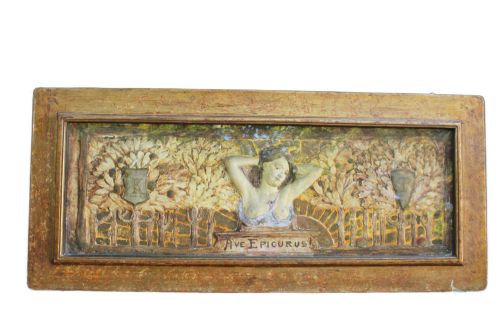
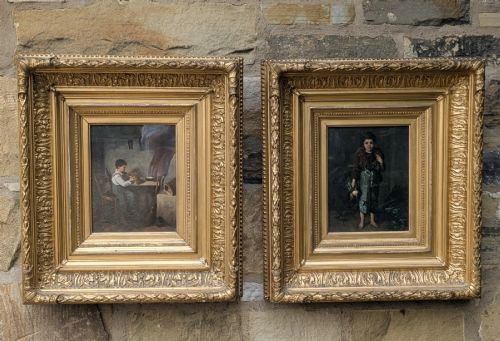
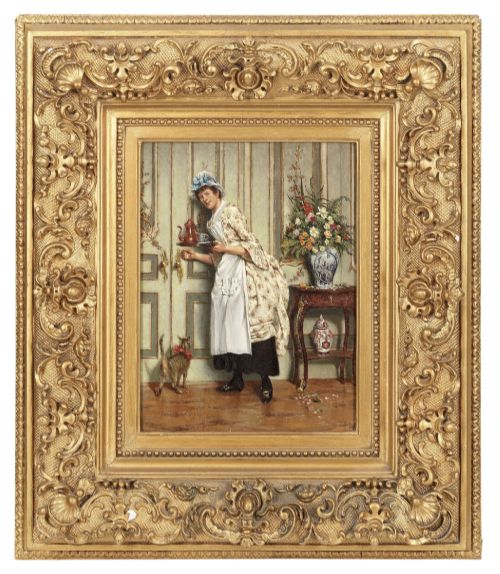
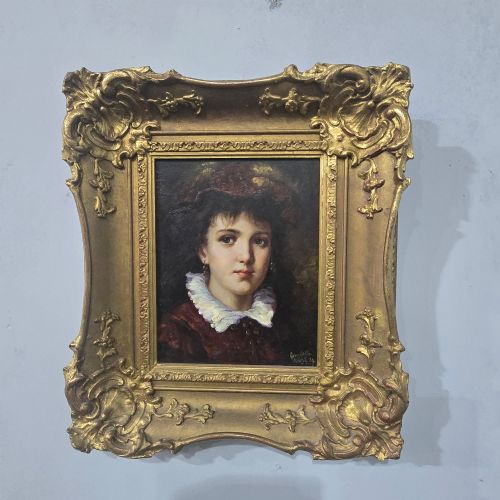
These gilded wood framed art pieces span centuries of portraiture and landscape, bringing rich gilt surrounds and historic oil paintings into contemporary rooms.
Gilded Wood Framed Art
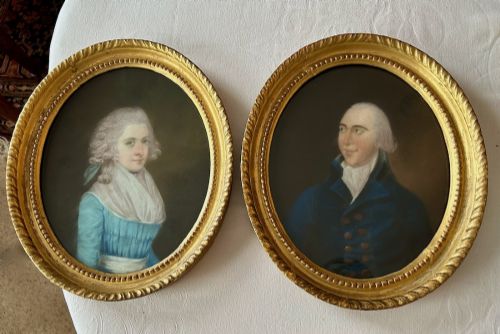
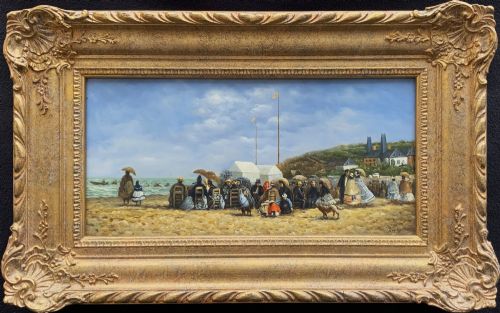
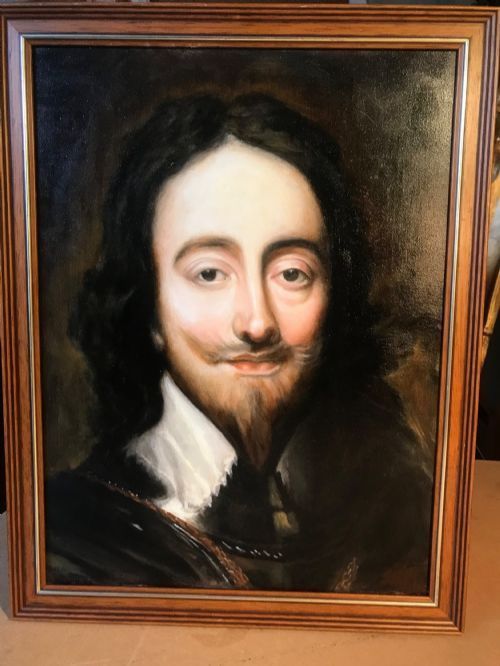
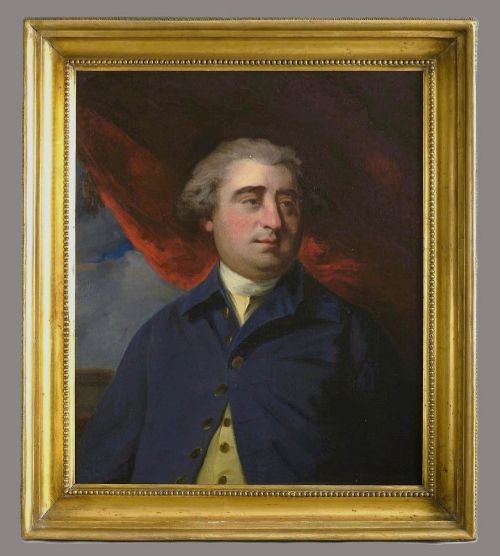
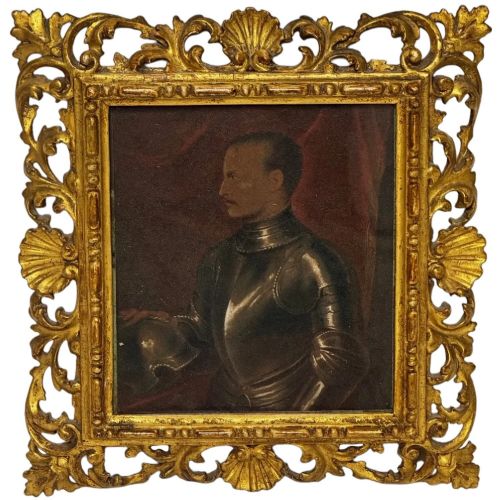
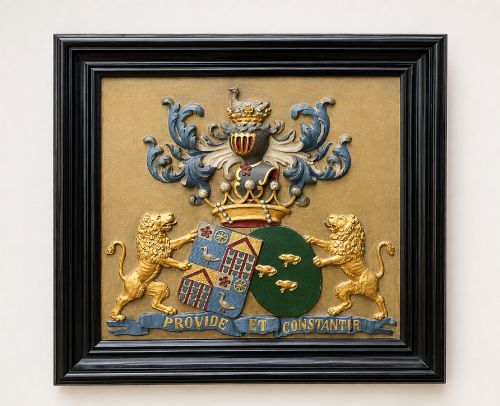
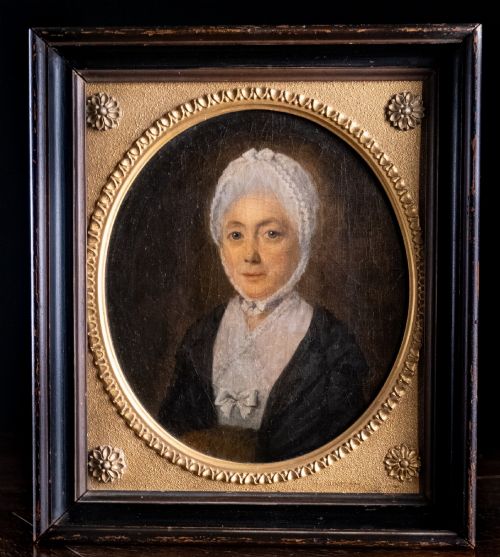
When you search for gilded wood framed art, you encounter oil paintings, pastels, and mirrors set within ornate surrounds originating from the seventeenth century onwards. The pieces include seventeenth-century English and Dutch school portraits, eighteenth-century aristocratic likenesses, and nineteenth-century genre scenes.
The selection on this page relies heavily on Victorian and Georgian framing, alongside Regency works and occasional twentieth-century interpretations. Portraits dominate the selection, showing subjects ranging from noblewomen to young boys and literary figures.
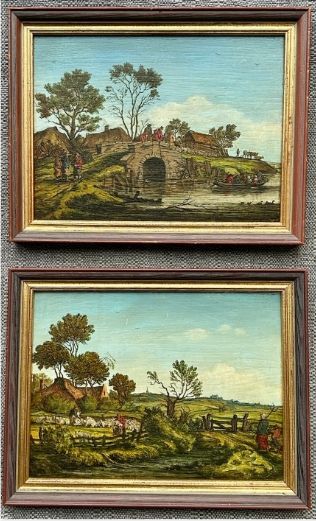
Many items pair the canvas or panel directly with period gilt frames, while others represent later pairings of historic imagery with nineteenth-century deep gilt surrounds. Buyers find everything from Dutch landscape panels to classical religious oleographs under glass.
Materials and construction methods
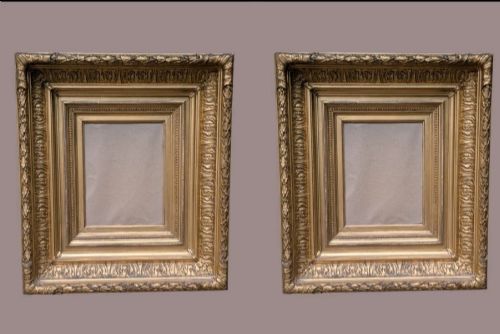
The primary structural material is wood, shaped into elaborate frames and paired with panels or stretched canvas for the artwork itself. Gesso forms the raised decorative details on the frames, building up relief patterns beneath the surface finish.
Makers applied gold leaf and gilt finishes over the prepared gesso and wood mouldings to achieve the characteristic metallic brilliance. Artists worked in oil and pastel on canvas, wood panels, or paper, often sealing the finished pictorial surface beneath glass.
Gilded Wood Framed Art Retail Price Guide 2026
Typical asking prices for gilded wood framed art among the pieces listed under this phrase on Sellingantiques today, from the lower quarter to the upper quarter. They describe what is for sale here now, not the wider market.
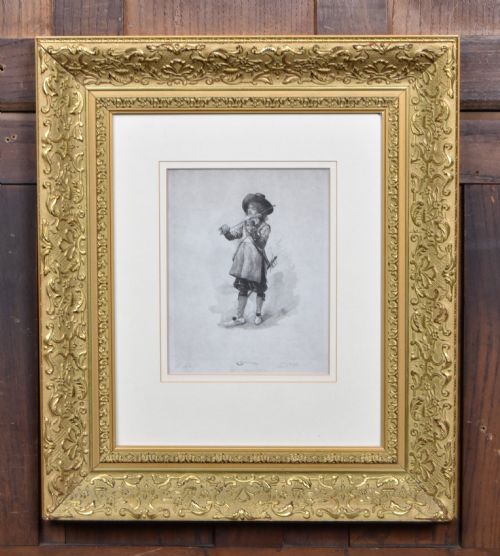
Cats, kittens at play, and seventeenth-century musketeers share the wall space alongside statesmen and nobility.
Assessing craftsmanship and condition
Quality separates through the depth of carving and the integrity of the original gilt surface on the frame. Superior frames display crisp gesso mouldings and well-preserved leaf application rather than heavy modern repaint.
On the pictorial side, the skill of the brushwork and the stability of the support material dictate the standing of the piece. Works attributed to named artists or established studios hold greater weight than anonymous decorative copies.
Joseph Clover RA·Emily Eyres·Stephen Samuel Lewin·Sir Joshua Reynolds·Samuel Dixon·Johannes Lingelbach·Thomas Beach·Toussaint Gelton·Thomas Spinks·Hans Holbein·Sir Anthony Van Dyck·Allan Ramsay·Alfred Arthur Brunel de Neuville·David Teniers·Raphael
The Gilded Wood Framed Art Glossary
- Gesso
- A plaster mixture applied to wood frames as a base for gilding. It allows craftsmen to carve intricate relief ornamentation before applying gold leaf.
- Chiaroscuro
- A technique employing strong contrasts between light and dark to give subjects volume. This method appears frequently in seventeenth-century Dutch and Flemish oil paintings.
- Oleograph
- A mechanical colour print textured to imitate an oil painting. These prints often appear under glass within nineteenth-century gilt frames.
- Panel
- A flat wooden board used as a painting support instead of canvas. Painters frequently utilised oak or mahogany panels for portraits during earlier centuries.
Gilded Wood Framed Art: Frequently Asked Questions
What periods do these pieces cover?
The inventory spans from the seventeenth century through the eighteenth and nineteenth centuries into the early twentieth century. Pieces reflect distinct historical eras including the Georgian, Regency, and Victorian periods.
Each era brings specific framing styles and painting techniques, ranging from seventeenth-century Dutch portraiture to nineteenth-century romantic landscapes.
How do I hang a heavy gilt frame?
Heavy wood and gesso frames require secure wall anchors fixed directly into masonry or wooden studs. Professional picture hanging hooks rated for the specific weight of the frame ensure structural safety.
Given the substantial weight of deep nineteenth-century gilt frames combined with oil on canvas, avoid relying solely on standard plaster wall plugs.
Are the frames original to the paintings?
Some pieces retain their original period frames, while others were paired with antique frames at a later date. Dealers often match historic canvases with contemporary or slightly later gilt surrounds that complement the aesthetic of the artwork.
Examining the rabbet and the fit of the canvas helps determine if the pairing is contemporaneous with the creation of the artwork.
How should I clean gilded wood frames?
Dust gilt frames gently using a very soft, dry brush to remove surface particles without disturbing the delicate gold leaf. Avoid liquid cleaners, polishes, or damp cloths, as moisture damages the underlying gesso and gilt layers.
Professional conservators should handle any structural losses or flaking on antique frames to preserve the historic surface.