


Antique Framed Picture
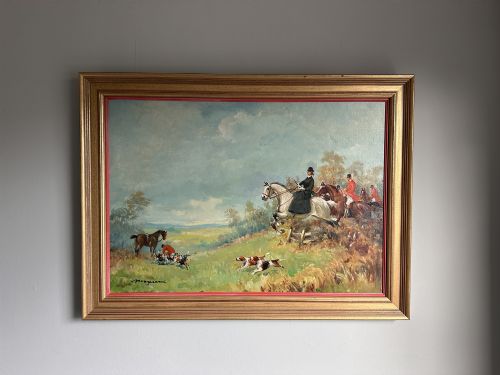
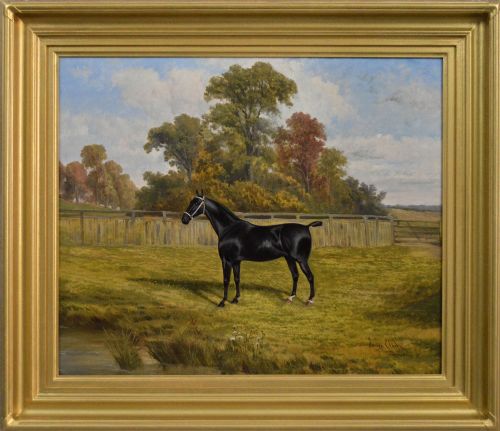
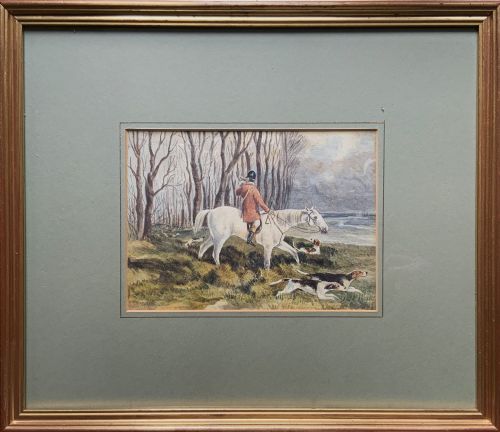
An antique framed picture brings historical depth to a wall, encompassing everything from delicate watercolours to grand oils.
Antique Framed Picture
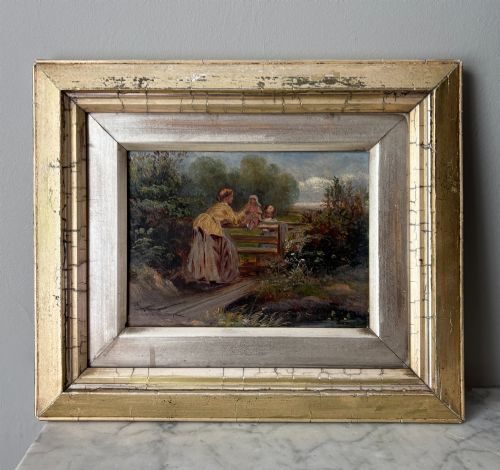
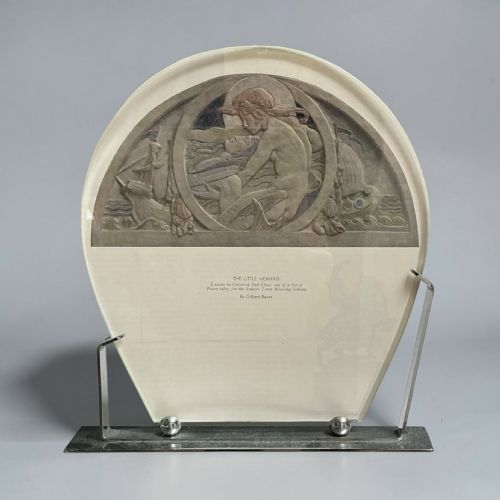
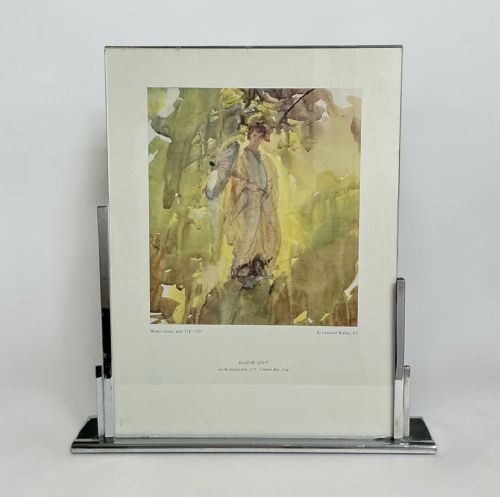
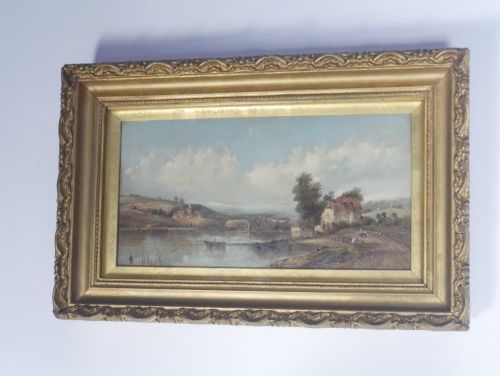
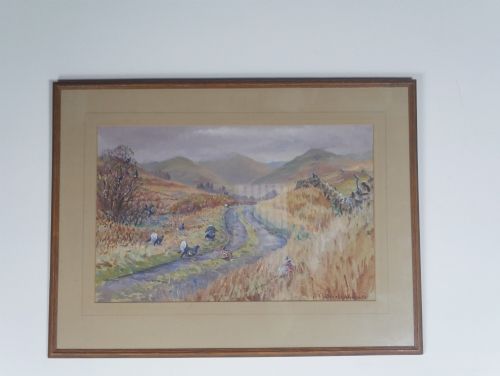
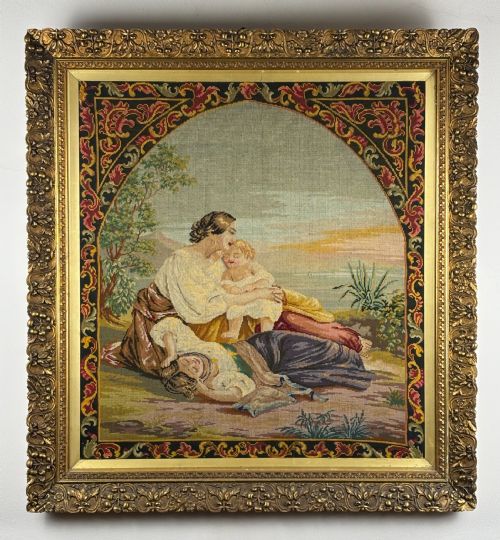
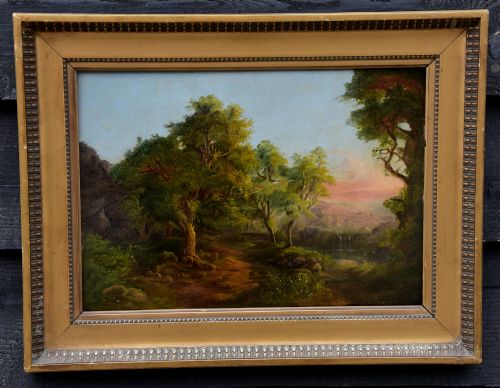
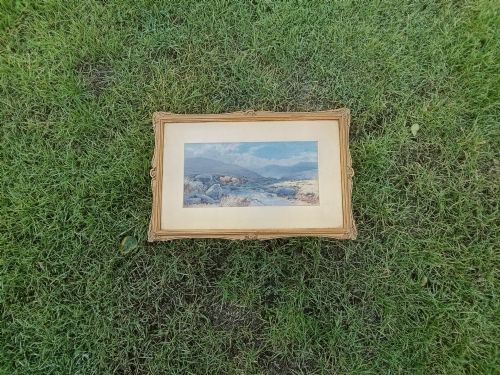
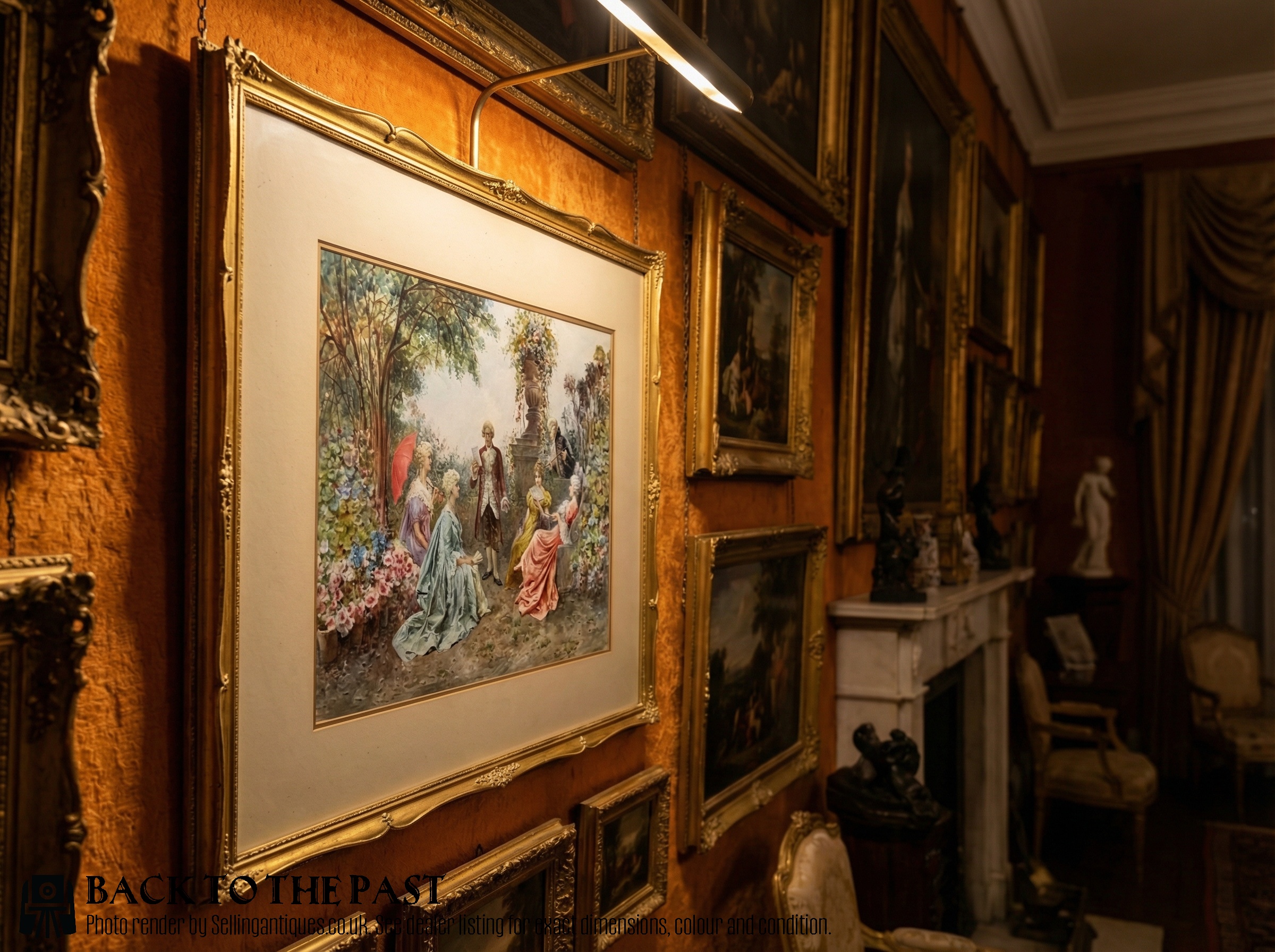
An antique framed picture covers a broad spectrum of visual art, including oil paintings, watercolours, needlework samplers, silhouettes, and engravings. Buyers browsing this selection encounter pieces originating from the seventeenth century through to the mid-twentieth century.
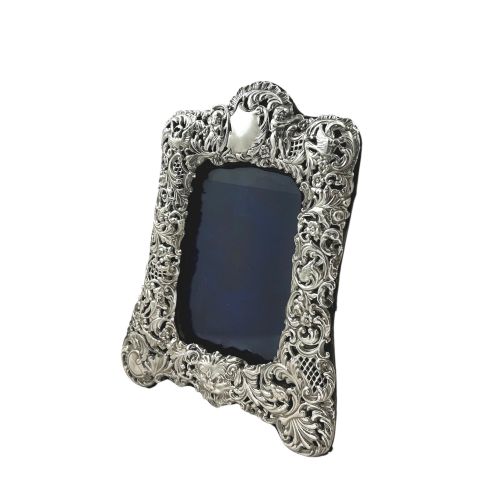
Portraits and landscapes dominate the available forms, reflecting the enduring popularity of domestic portraiture and scenic views across the Georgian, Victorian, and Edwardian eras. These works often survive within their original surrounds, which range from carved timber mouldings to ornate metal enclosures.
Materials and construction
Makers utilised canvas, wood panels, paper, and glass as the primary surfaces for paint, ink, and needlework. Canvases received oil applications, whilst paper supported watercolours, gouache, and delicate cut silhouettes.
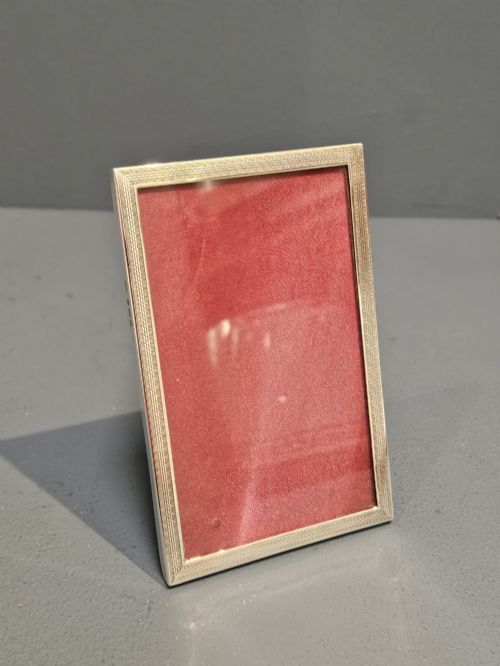
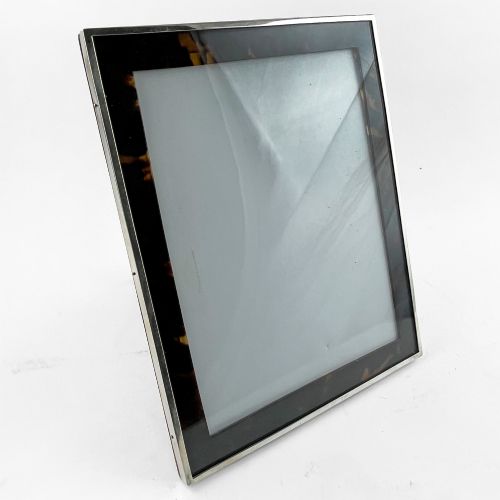
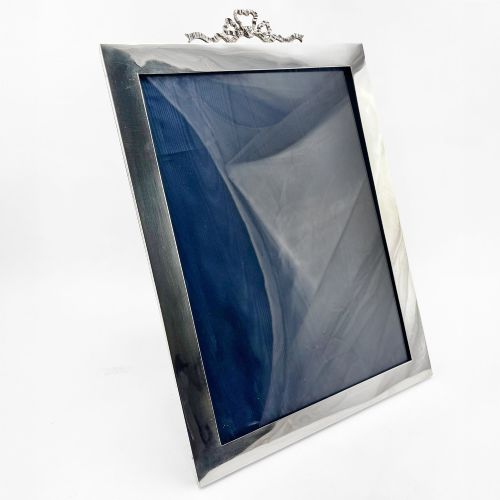
Surrounds relied heavily on wood, often enhanced with giltwood, gold leaf, or bronze elements to house and protect the artwork. Reverse glass techniques and marquetry panels also appear, demonstrating varied framing and decorative methods.
Antique Framed Picture Retail Price Guide 2026
Typical asking prices for framed picture among the pieces listed under this phrase on Sellingantiques today, from the lower quarter to the upper quarter. They describe what is for sale here now, not the wider market.
Listings span multiple centuries, capturing seventeenth-century portraits alongside twentieth-century maritime watercolours and modern life drawings.
Assessing the execution
The standard of an antique framed picture rests upon the skill of the draughtsman or painter, alongside the integrity of the surviving medium. Masterful brushwork, precise facial proportions, and clear provenance elevate a piece significantly above standard decorative output.
The relationship between the art and its housing matters greatly, as period-correct frames that complement the visual weight of the central image indicate higher overall preservation and aesthetic consideration.
George Sydney Shepherd·Sir Godfrey Kneller·William James Hubard·George Fotherly Hargitt·Rosenthal Jacob And Co·Sir Maurice Quentin de la Tour·Sir Martin Archer Shee·William Henry Earp·William H Myers·Sir Anthony van Dyck·Sebastiaan Vrancx·Sir Peter Lely·Henry Stacy Marks·John Hassall·Sir William Nicholson
The Antique Framed Picture Glossary
- Giltwood
- Wood that has been coated with a thin layer of gold leaf or gold paint. This finish was widely applied to frames to create a reflective, opulent appearance.
- Gouache
- An opaque water-based paint that includes a white pigment to create a heavier, denser finish than traditional watercolour. It allows for vibrant colour blocking and fine detail.
- Marquetry
- The art of applying pieces of veneer to a structure to form decorative patterns and pictorial designs. It appears on specialised panels and surrounds.
- Sampler
- A piece of needlework produced by a beginner or experienced embroiderer to demonstrate skill in various stitches. Early examples often incorporate alphabets, motifs, and genealogical records.
- Trumeau
- A decorative wall mirror featuring an oil painting or panel set into the upper portion of the frame. This French interior style gained popularity in domestic settings during the eighteenth and nineteenth centuries.
Antique Framed Picture: Frequently Asked Questions
How do I date an antique picture frame?
Dating relies upon examining the construction techniques of the wood, the joinery at the corners, and the type of gilding or finish applied. Stylistic shifts between Georgian simplicity and Victorian exuberance provide clear chronological markers.
Backboards, fixings, and old labels also offer vital clues. Original backing papers and rusted iron nails frequently corroborate the era of the artwork contained within.
Are watercolours prone to fading?
Watercolours utilise pigments on paper that remain sensitive to prolonged direct sunlight. Historical pieces often exhibit varying degrees of tonal softening depending on their past placement.
Protecting these works requires positioning them away from bright windows and utilising specialised UV-filtering glass during framing. This preserves the delicate hues intended by the artist.
What is a silhouette picture?
A silhouette is a profile portrait filled in with a solid dark colour, usually black, against a pale background. Before the invention of photography, these profile likenesses offered an accessible form of personal documentation.
Artists cut them from paper or painted them directly onto card, glass, or plaster. Signed examples and those featuring detailed watercolour embellishments remain highly collectible.
How should I hang heavy oil paintings?
Heavy oil paintings on canvas require robust wall anchors and picture wire rated well above the weight of the piece. Securing the fixings directly into wall studs ensures long-term stability.
Additionally, maintaining a stable indoor environment away from excessive moisture prevents the canvas from sagging and protects the wooden stretcher frames from warping over time.