



Mahogany Framed Portrait
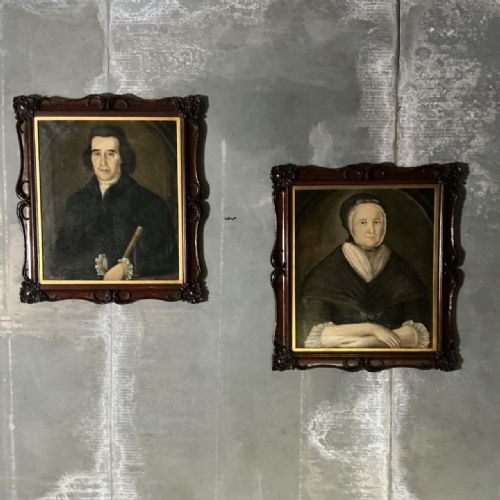
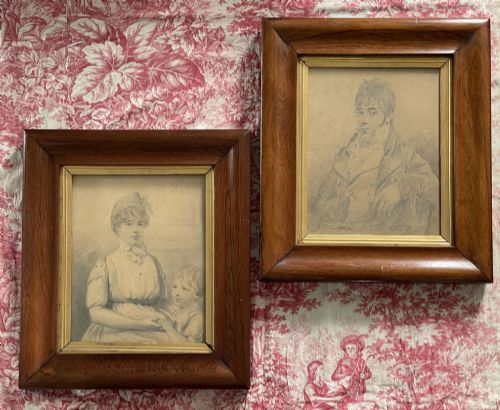
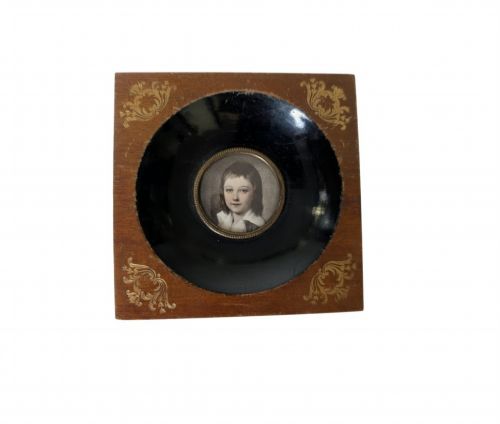
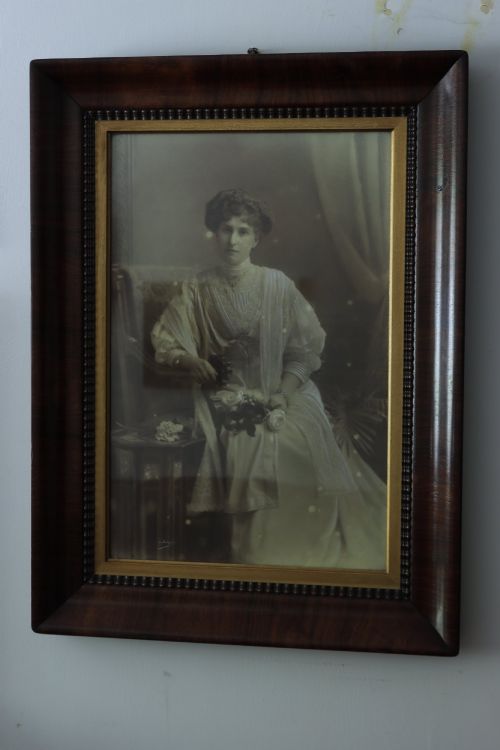
These mahogany framed portrait pieces bring authentic historic likenesses into a room, offering a tangible connection to past centuries through detailed works.
What these mahogany framed portrait works are
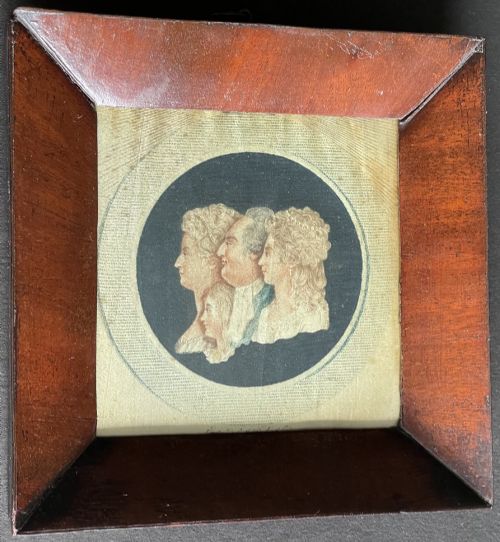
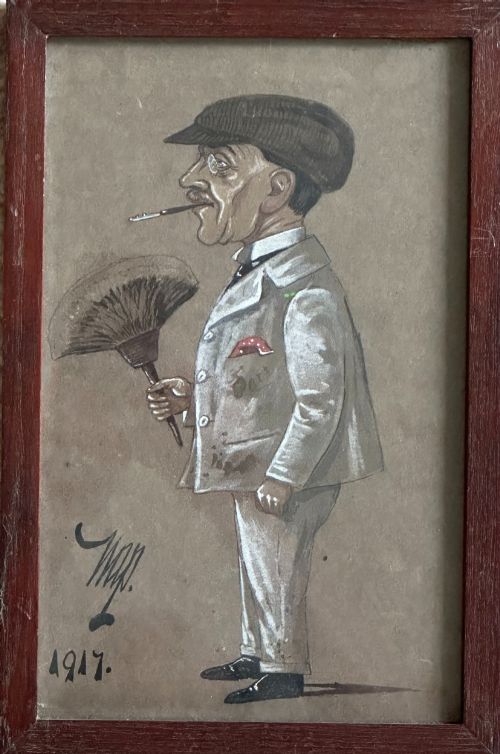
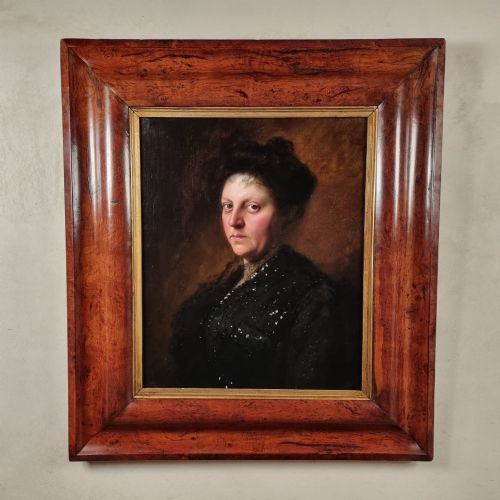
When you search for mahogany framed portrait pieces, you encounter a curated selection of historic likenesses spanning the seventeenth through the nineteenth centuries. The objects range from oil paintings on board to delicate graphite drawings and prints on silk, reflecting diverse artistic mediums of their respective eras.
You are most likely to meet Regency and Victorian examples on this page, alongside earlier seventeenth and eighteenth-century representations. The subjects include notable figures such as Louis XVI and family, Ernst Casimir, Count of Nassau-Dietz, and military officers like William Ousey Lindley.
Each piece pairs a historic artwork with a sturdy timber surround, creating a complete decorative object ready for display. The variety extends across framed prints, oil paintings, watercolours, and early photography encased behind glass.
How they were made
Makers utilised dense tropical timber to construct the structural surrounds, housing fragile works on paper, silk, and wood panels. The framing often incorporates glass to protect delicate mediums like graphite and water colour from atmospheric damage.
Surrounds frequently feature applied gold leaf or gilt details to highlight the timber moulding and draw the eye inward toward the subject. Pigments range from oil paints and watercolours to graphite and photographic emulsions applied by hand or early mechanical processes.
Retail Price Guide 2026
Typical UK retail prices for mahogany framed portrait, calculated from the Sellingantiques database of over a million retail prices indexed since 2003. This retail price guide relies exclusively on Sellingantiques data; no external sources or auction records are used, so the figures do not describe the wider market.
Listings feature works spanning the 17th, 18th, and 19th centuries, utilising mahogany, glass, paper, gold leaf, wood, silk, graphite, and gilt.
What varies in quality
The sophistication of the underlying artwork dictates the primary tier of each piece, distinguishing finely executed oil paintings and detailed graphite drawings from standard prints. The precision of the portraiture and the skill of the artist, whether after a known master or capturing a sitter directly, define the artistic merit.
The joinery, timber selection, and original gilding condition of the wooden surround influence the overall integrity. Pieces retaining their original glass and unblemished framing components command greater historical cohesion.
The Mahogany Framed Portrait Glossary
- Mahogany
- A durable, reddish-brown tropical hardwood used extensively for furniture and picture frames during the eighteenth and nineteenth centuries. It provides a stable and heavy structure for enclosing delicate artworks.
- Gilt
- A thin layer of gold applied to wood surfaces to create a decorative metallic finish. This technique adds brightness and contrast around the edge of the framed artwork.
- Graphite
- A form of carbon used as a drawing medium to produce fine, monochromatic lines and shading on paper. It allows for intricate detail in portraiture.
- Oil on Board
- A painting technique where oil pigments are applied to a rigid wooden or composition panel rather than canvas. This method provides a firm support layer for historic portrait subjects.
Frequently Asked Questions
What periods do these portraits cover?
The selection spans from the seventeenth century through the nineteenth century. Pieces encompass specific periods such as the Regency and Victorian eras.
Earlier examples date back to the seventeen-hundreds and sixteen-thirties, reflecting changing artistic styles over time.
What materials make up the frames?
The surrounds consist primarily of timber, specifically mahogany. Many include protective glass layers over the artwork.
Additional decorative elements often feature gold leaf or gilt accents applied to the wooden mouldings.
What mediums are used for the artwork?
Artworks include oil paintings on board, watercolours, and graphite drawings. Other examples feature prints on silk and early photography.
Each medium employs distinct techniques characteristic of its respective period of production.
How should I display these framed portraits?
Hang them on interior walls away from direct sunlight to protect fragile paper, silk, and pigments. Ensure the wall fixings can support the weight of the timber surrounds.
Pairing pieces from similar eras can create a cohesive historical display in a room.