

Military Officer Portrait
A military officer portrait captures the likeness, rank and uniform of service personnel across centuries of European and imperial history.
Military Officer Portrait
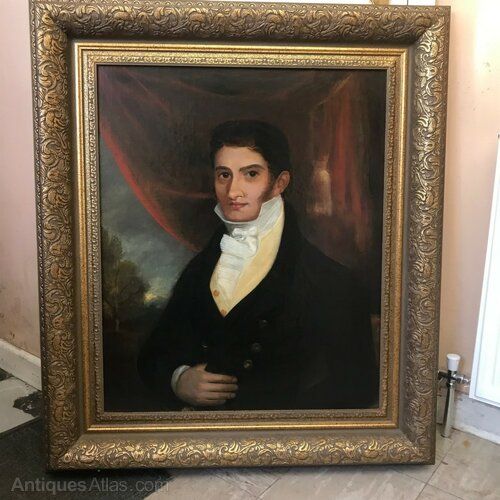
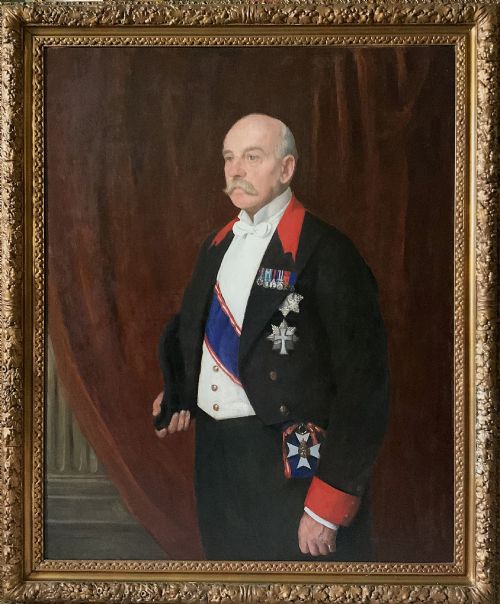
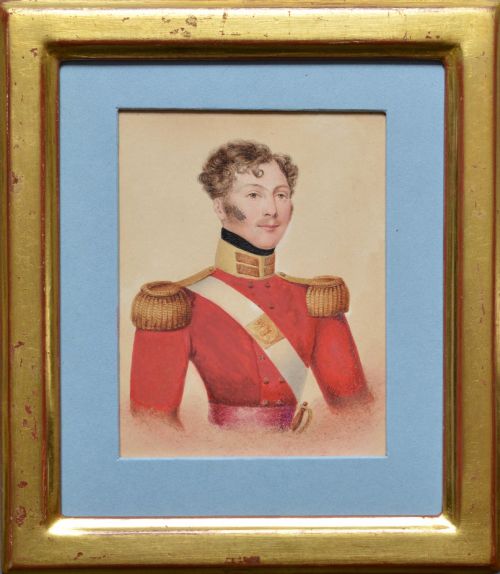
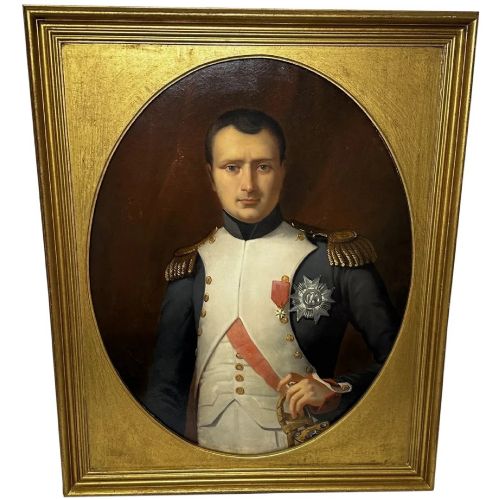
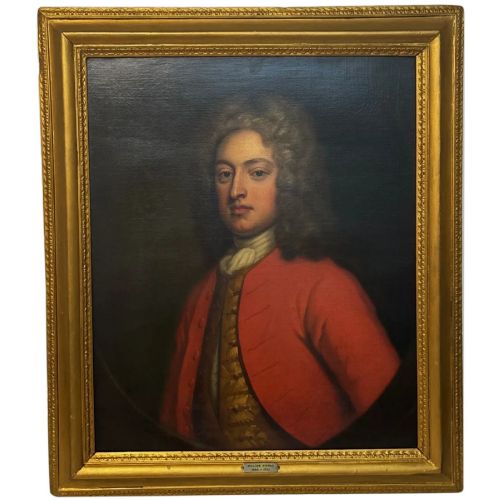
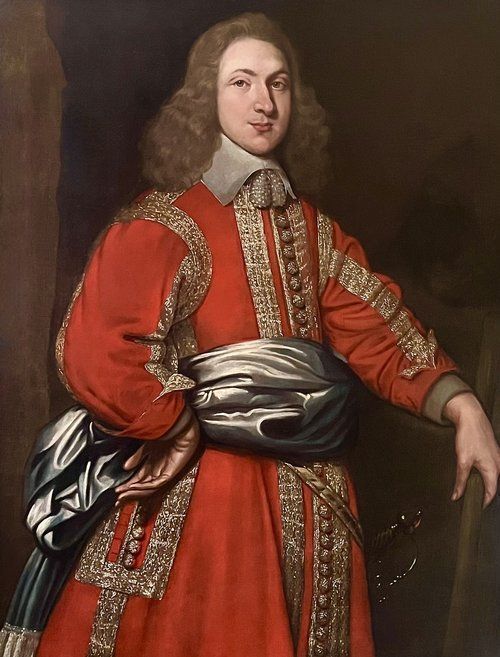
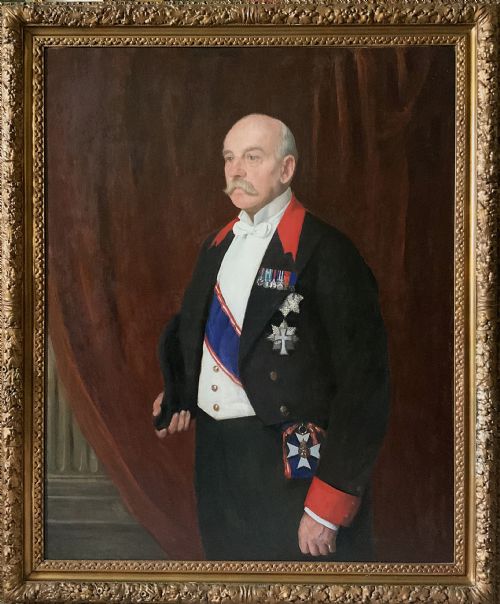
A military officer portrait records commanders, captains, and generals from the seventeenth century through to the mid-twentieth century. The selection ranges from monumental oil paintings on canvas to intimate watercolour sketches and delicate miniature works on agate panels or paper.
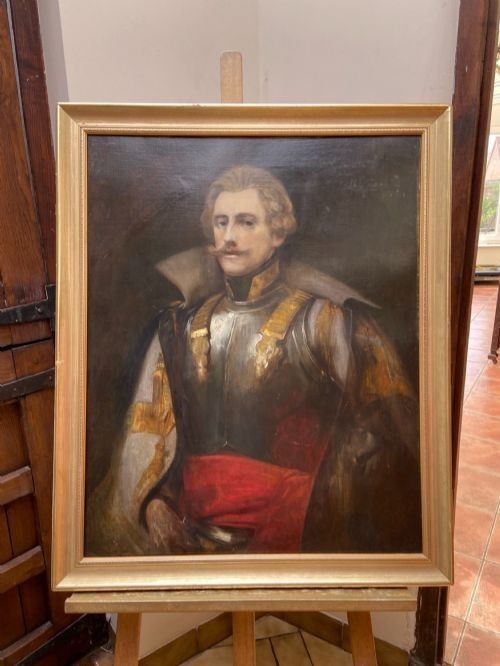
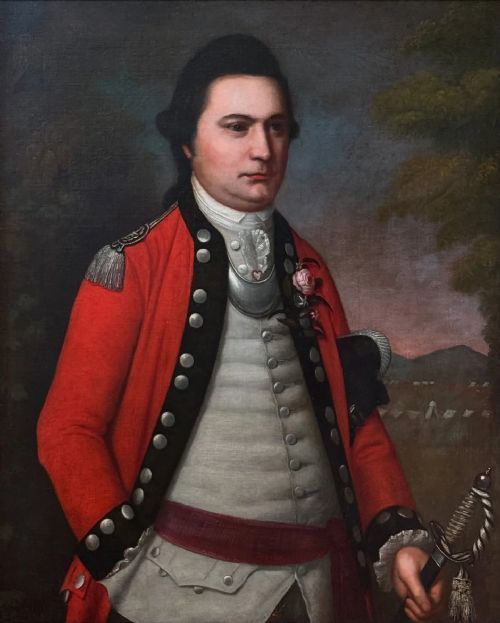
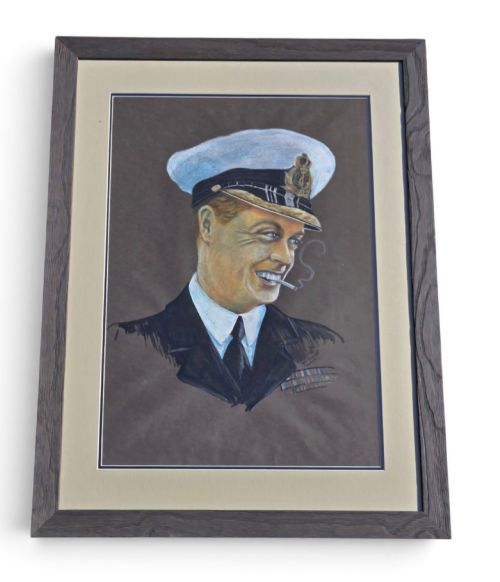
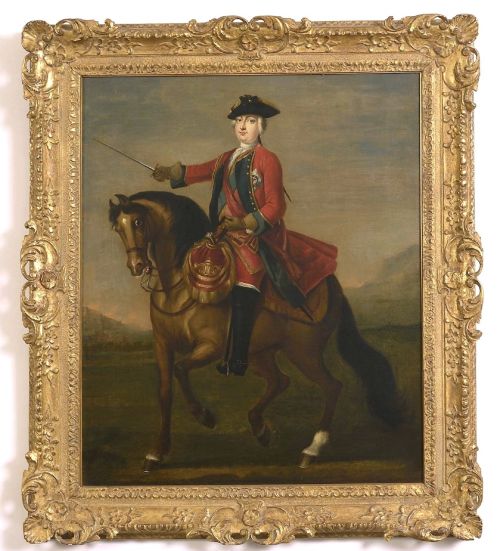
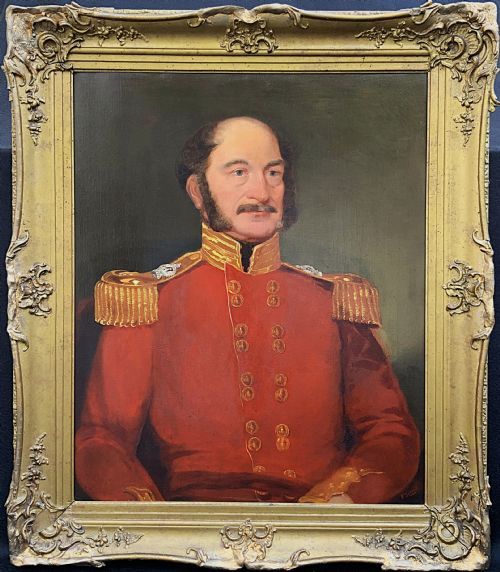
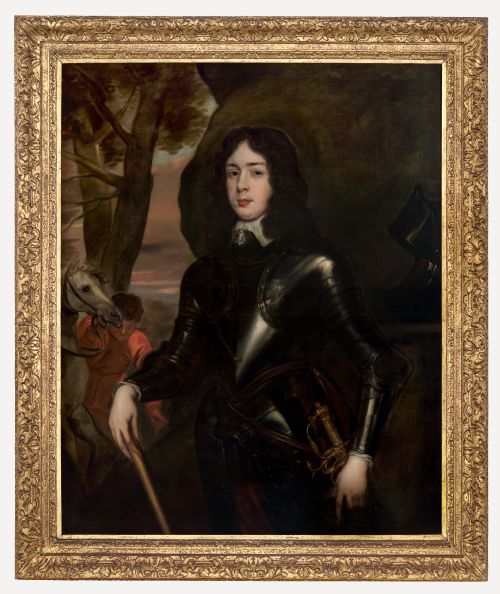
Most pieces on this page originate from the eighteenth and nineteenth centuries, depicting British, French, and Anglo-Indian subjects in uniforms such as red coats, naval attire, and full armour. These representations span active campaigns, formal commissions, and posthumous records of service.
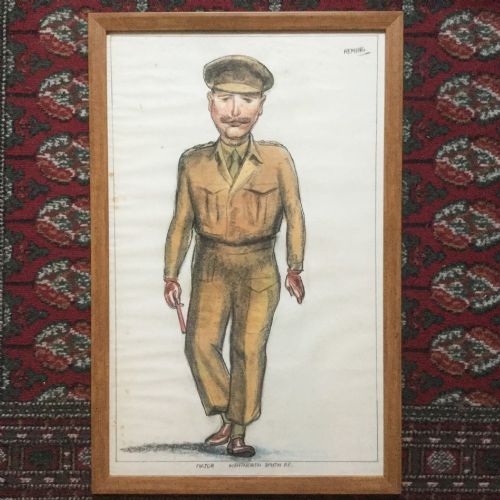
Subjects appear individually or alongside horses, battle scenes, and architectural backdrops that denote their regiment or theatre of operation. Collectors encounter everything from large gallery statements to small wartime pastel drawings executed on active service.
Materials and execution
Oil on canvas remains the dominant medium for formal commissions, utilising layered pigments to render the rich textures of wool tunics, gold epaulettes, and polished steel breastplates. Wood panels and tin supports occasionally serve as firm grounds for earlier or provincial works.
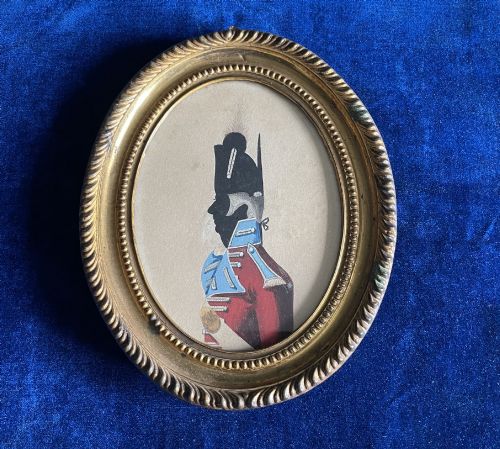
Watercolour, gouache, and pastel are utilised for portable likenesses and wartime sketches, often preserved under glass within original giltwood, mahogany, or carved frames. Miniature formats frequently incorporate specialised surfaces like agate, paired with gold bezels.
Draftsmanship relies upon academic training, visible in the handling of facial bone structure, military insignia, and fabric folds by both named masters and anonymous provincial schools.
Military Officer Portrait Retail Price Guide 2026
Typical asking prices for military officer portrait among the pieces listed under this phrase on Sellingantiques today, from the lower quarter to the upper quarter. They describe what is for sale here now, not the wider market.
The listings span works executed in oil paint, watercolour, pastel, and gouache, stretching from the 17th century to the mid-20th century.
Distinctions in execution and condition
The integrity of the original surface and framing contributes significantly to the standing of a piece. Retained original frames, particularly period giltwood or specialised campaign mountings, elevate the historical cohesion of the artwork.
Condition involves the stability of the paint layer, freedom from aggressive past restoration, and the preservation of paper or canvas without excessive Craquelure, foxing, or unrecorded tears.
Stickland Lowry·John Wootton·Thomas Hudson·Sir Anthony van Dyck·John Simmons·Sir Thomas Lawrence·William Carter·Sir Martin Archer-Shee
The Military Officer Portrait Glossary
- Epaulette
- An ornamental shoulder piece worn on military uniforms to denote rank. They frequently appear in gold or silver bullion thread on eighteenth and nineteenth-century coats.
- Cuirassier
- A member of a mounted cavalry regiment equipped with a metal breastplate and backplate. Portraits of these officers often highlight polished steel armour.
- Miniature portrait
- A small-scale painting executed with fine detail on ivory, vellum, card, or stone. These were frequently housed in lockets or pocket-sized folding cases.
- Giltwood
- Wood that has been coated with a thin layer of gold leaf or powder. It is commonly found on the ornate frames enclosing formal oil paintings.
- Provenance
- The documented history of ownership of an artwork. It traces the piece from its original commission through collections and sales.
Military Officer Portrait: Frequently Asked Questions
How are military ranks identified in portraits?
Ranks are typically determined by examining the uniform details, such as the placement and quantity of lace, gorgets, sash colours, and shoulder epaulettes. Specific regimental badges or medals further clarify the sitter's exact position.
Historical records, campaign service lists, and regimental archives often corroborate the insignia displayed on the uniform, linking the sitter to a specific regiment and era.
What periods do these portraits cover?
The available works span from the mid-seventeenth century through the Georgian, Regency, and Victorian eras, extending into twentieth-century conflicts up to the 1950s. Earlier examples frequently show officers in armour or foundational red coats, while later pieces reflect modern service dress.
Each period introduces distinct stylistic conventions, ranging from Baroque and Anglo-Dutch formality to nineteenth-century realism and wartime pastel sketches.
How should these artworks be displayed?
Paintings on canvas and framed works require placement away from direct sunlight and excessive humidity to prevent pigment fading and canvas degradation. Stable indoor environments preserve both the original paint layers and antique frames.
Wall placement should account for the weight of larger oils, utilising secure fixings appropriate for monumental canvases and heavy giltwood frames.
What is the difference between oil paintings and miniatures?
Oil paintings are executed on canvas or wood panels in larger formats meant for prominent display in reception rooms or galleries. Miniatures are intimate, small-scale works painted on specialised surfaces like paper, card, or agate for personal portability.
While oils capture broad regimental context and background landscapes, miniatures focus tightly on facial likeness and precise uniform detailing within a confined perimeter.