


Victorian Oil Portrait
A victorian oil portrait captures character and period through layered pigments and textured canvas.
Victorian Oil Portrait
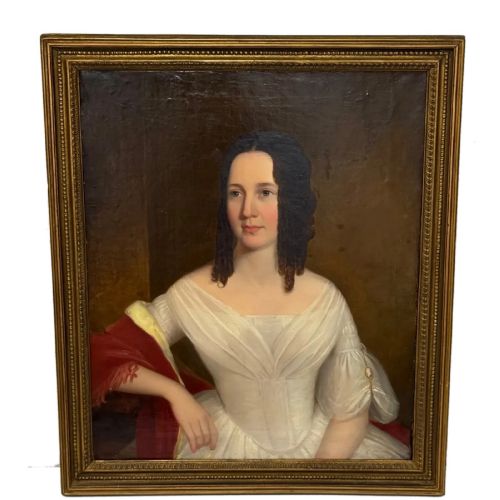
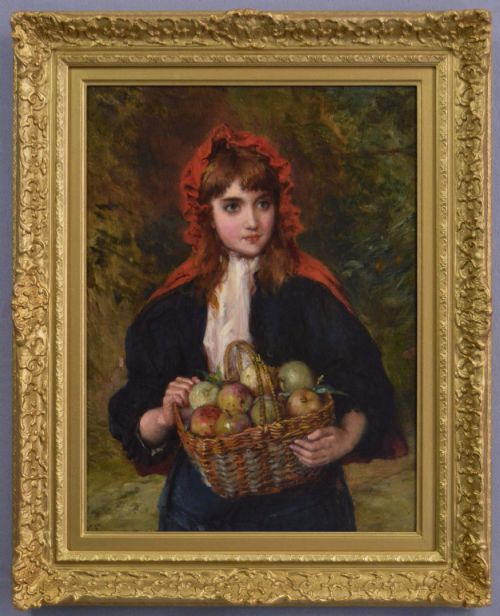
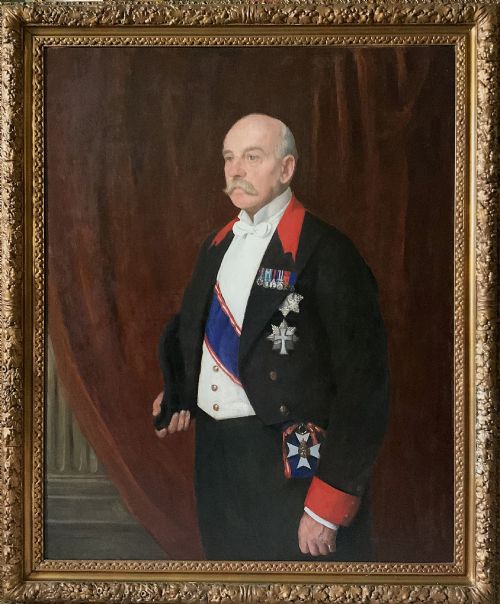
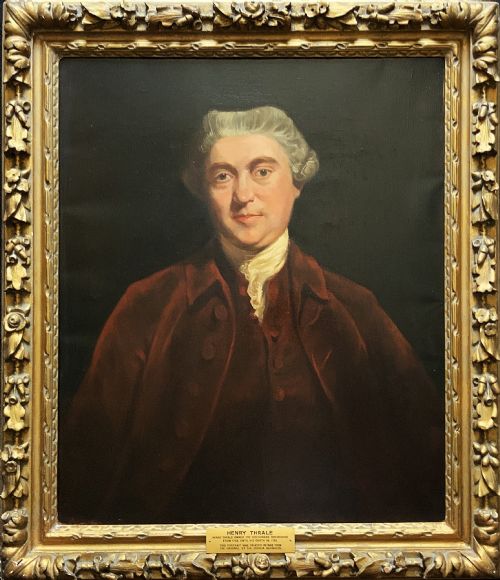
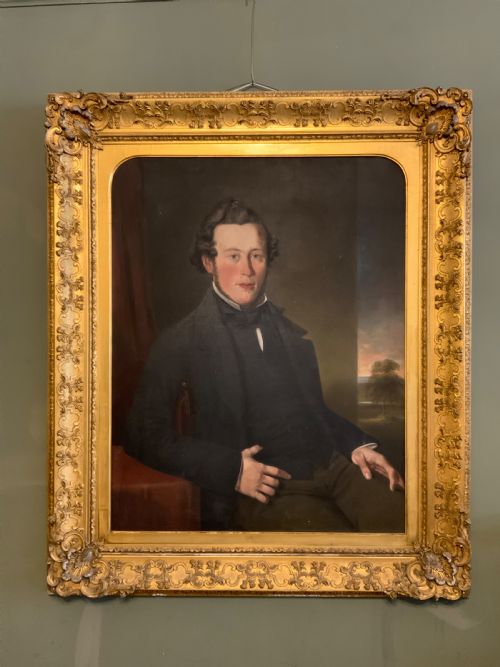
When searching for a victorian oil portrait, buyers encounter formal likenesses of gentlemen, ladies, and children rendered during the nineteenth century. These works document the appearance, dress, and societal standing of past subjects through the medium of oil paint.
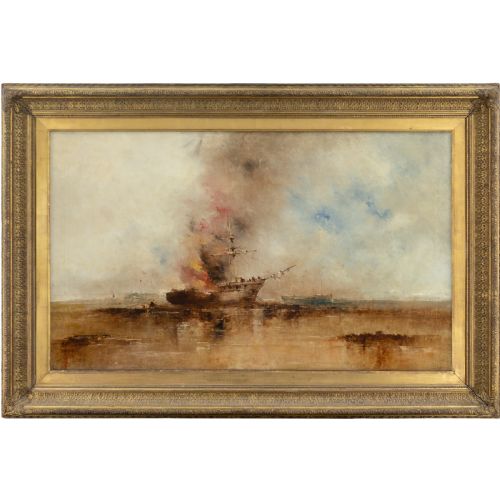
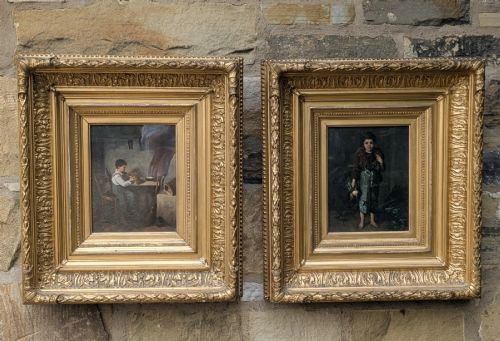
The selections on this page span British, French, and Italian schools, encompassing both academic realism and more direct, naïve depictions. Works range from intimate bust-length studies to monumental framed canvases displaying notable sitters.
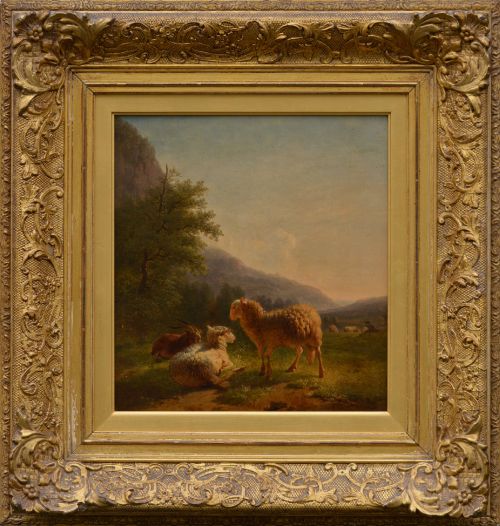
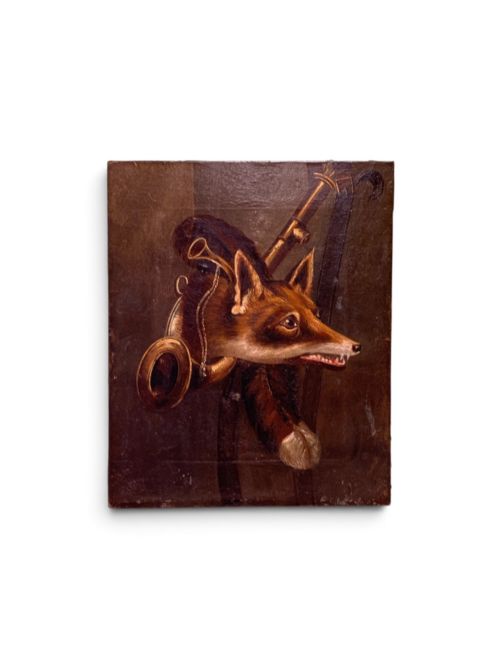
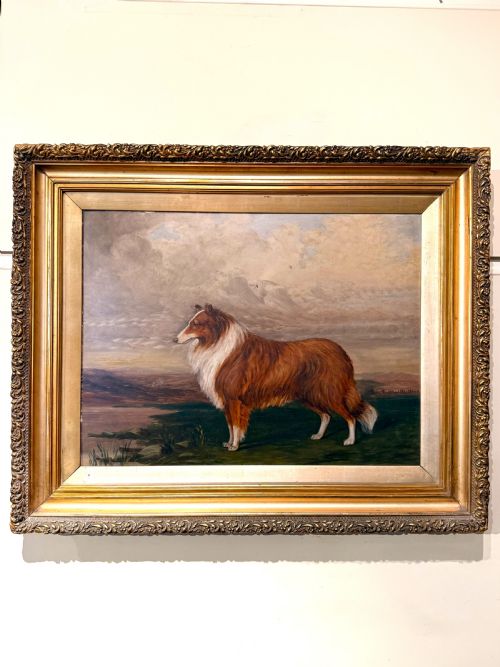
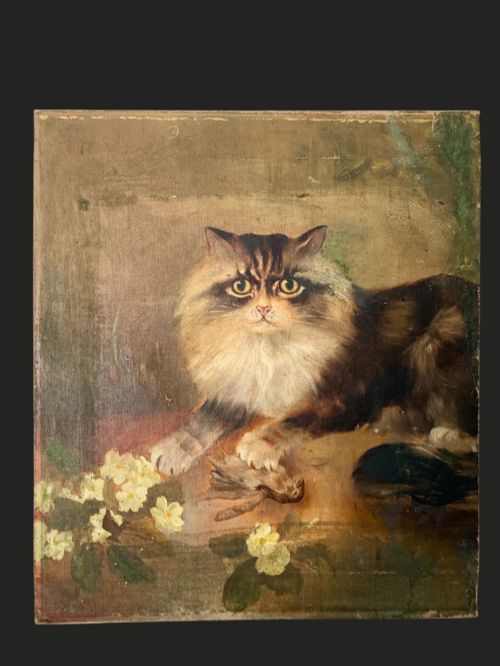
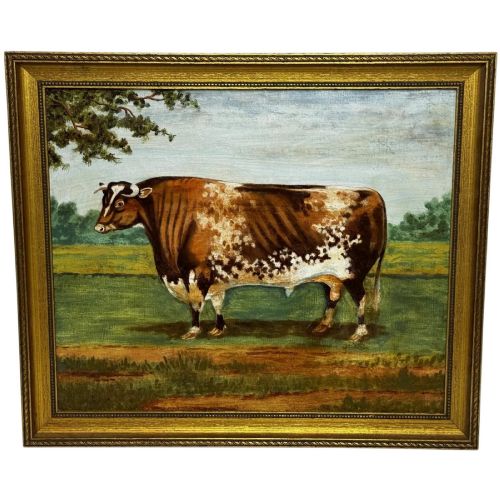
Beyond human subjects, the category extends to animal studies, including prized livestock, sporting dogs, and racehorses recorded with the same seriousness as human sitters. These pieces reflect nineteenth-century interests in commerce, sport, and domestic life.
How They Were Made
Artists built these works using oil paint applied to stretched canvas, wooden panels, or occasionally board. Grounds were prepared to receive pigments, allowing painters to layer opaque body colour and translucent glazes for depth.
Many surviving examples retain their original surrounds constructed from wood, gesso, and gold leaf. These giltwood frames were often heavily ornamented to complement the domestic interiors of the period.
Victorian Oil Portrait Retail Price Guide 2026
Typical asking prices for victorian oil portrait among the pieces listed under this phrase on Sellingantiques today, from the lower quarter to the upper quarter. They describe what is for sale here now, not the wider market.
Subjects documented on this page range from human sitters in formal dress to prize shorthorn bulls, racehorses, and family pets.
What Varies in Quality
The ability of the artist to capture anatomical structure, light, and psychological depth separates accomplished academic works from simpler naïve productions. Skilled brushwork defines the texture of fabrics, hair, and skin tones with precision.
Condition and originality heavily influence a work, particularly the state of the canvas, the stability of the paint layer, and the preservation of the original gilt frame. Unrestored surfaces retain the intended vibrancy of the nineteenth-century palette.
William Oliver·Eugène Verboeckhoven·Valentine T. Garland·John Maler Collier·William McAlpine·Sir Joshua Reynolds·Vittorio Reggianini·Samuel De Wilde·Albert Clark·W. R. Waters·G. J. S. Bary·W. D. Almond·Martin Theodore Ward·Howard Helmick·Margaret Sarah Carpenter·Adelaïde Salles-Wagner·Max Kaltenmoser·W. Fletcher·John Hunter Thompson·Walter Emsley·AMJ Dodsley·A Barclay
The Victorian Oil Portrait Glossary
- Canvas
- A heavy woven fabric stretched across a wooden frame to serve as a support for oil painting. It provides a flexible yet durable surface that responds well to traditional layering techniques.
- Giltwood
- Wood carved and coated with gold leaf or metallic powder to create a lustrous decorative finish. It is commonly found on nineteenth-century picture frames.
- Gesso
- A plaster-like mixture applied to wood panels or canvases to prepare a smooth surface for painting or gilding. It provides a stable foundation for oil pigments.
- Naïve school
- Art produced by painters with little or no formal academic training, often characterised by flat perspective and direct charm. These works offer an unpretentious record of nineteenth-century life.
- Academic
- Art created under the influence of European academies, following strict rules of composition, drawing, and finish. These portraits display formal mastery and anatomical accuracy.
Victorian Oil Portrait: Frequently Asked Questions
What is a victorian oil portrait?
A victorian oil portrait is a painting executed in oil on canvas or panel during the nineteenth century, depicting individuals, families, or animals. These works served as permanent records of appearance and status before the widespread adoption of photography.
Artists utilised layered pigments to achieve realistic skin tones, fabric textures, and lighting effects. Surviving pieces frequently retain period frames made of gesso and gold leaf.
How were these portraits displayed?
In the nineteenth century, portraits of ancestors and prominent figures hung prominently in the reception rooms, libraries, and halls of substantial homes. Elaborate giltwood frames were chosen to project status and catch the light of gas lamps or daylight.
Today, collectors display them in similar domestic settings, often pairing traditional works with contemporary interiors to create visual contrast. Proper placement avoids direct sunlight to protect the oil pigments.
How do I identify the period?
Dating relies on the sitter's clothing, hairstyle, and facial hair, alongside stylistic clues in the brushwork and the construction of the stretcher or frame. Canvas stamps, artist signatures, and inscriptions on the reverse also provide chronological anchors.
Earlier nineteenth-century works often show Regency influences in dress, while later Victorian pieces reflect the heavier fabrics and distinct tailoring of the 1870s and 1880s.
Are all portraits painted from life?
While many sitters sat for their likenesses in artists' studios over several sessions, some portraits were painted posthumously from photographs or earlier sketches. Commissioned works recorded family lineages, while academic studies often used professional models in costume.
Naïve works and animal paintings, such as sporting dogs and livestock, frequently captured local subjects familiar to the artist rather than formal sitters.