
19th Century Gentleman Oil
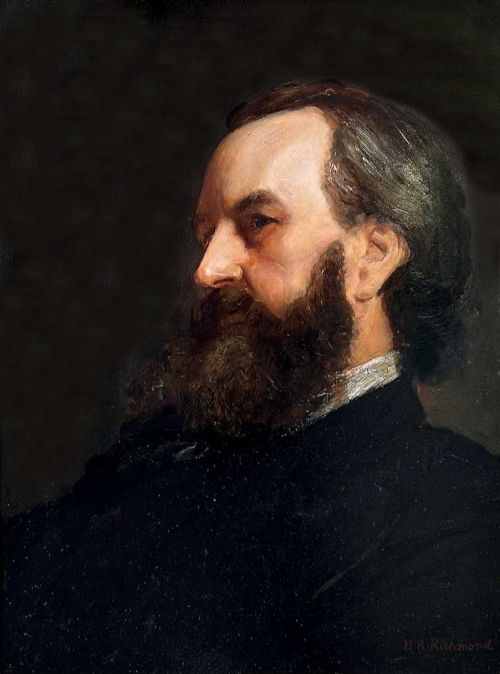
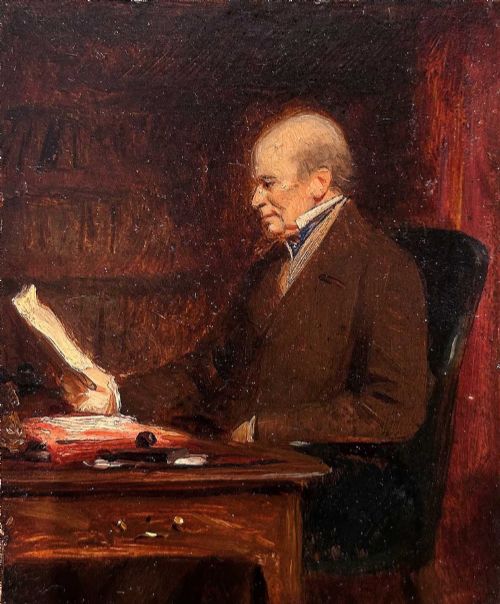
These 19th century gentleman oil paintings capture likenesses from the Regency to the Victorian era, offering collectors tangible links to historical figures and sitters.
19th Century Gentleman Oil
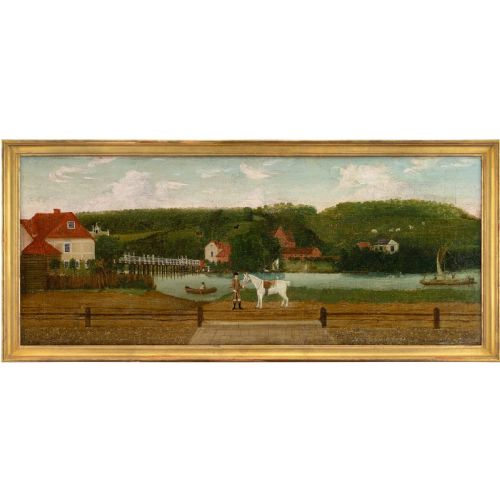
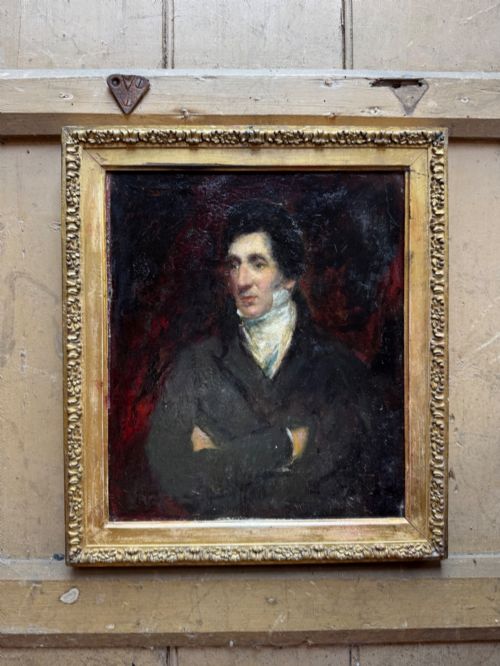
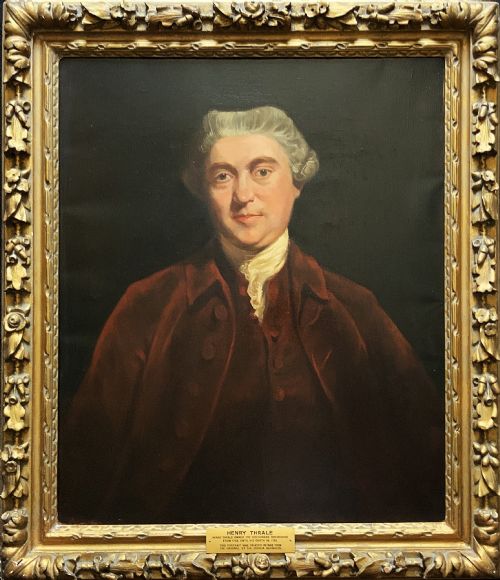
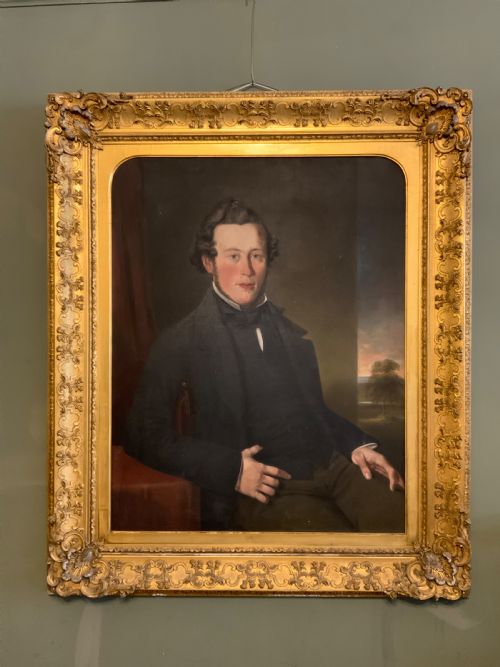
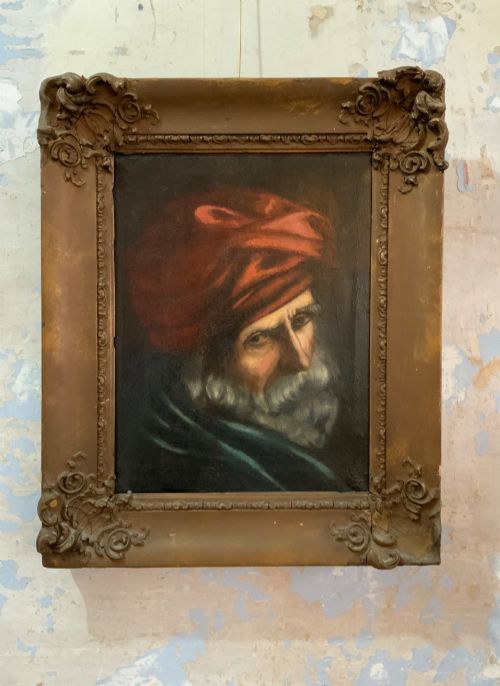
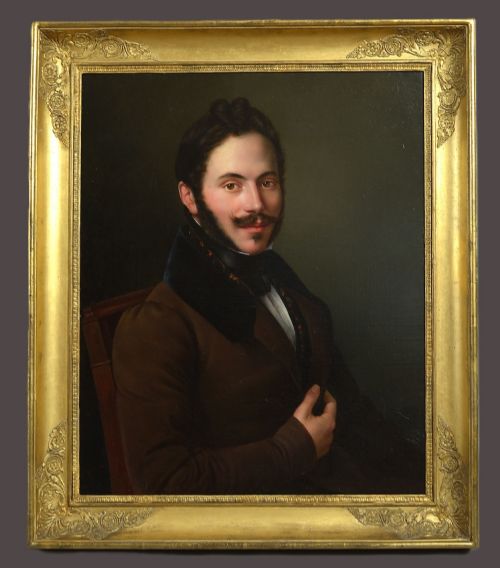
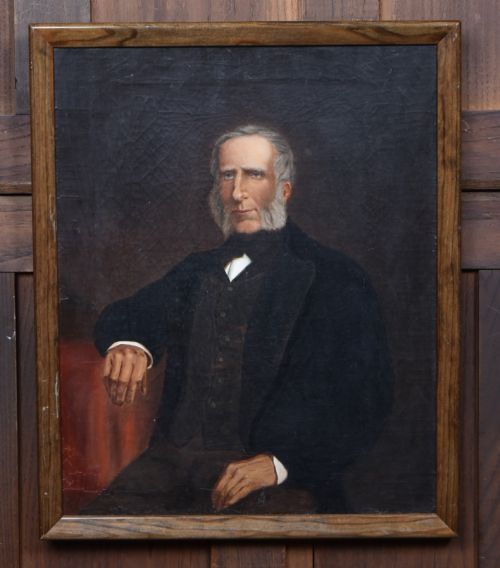
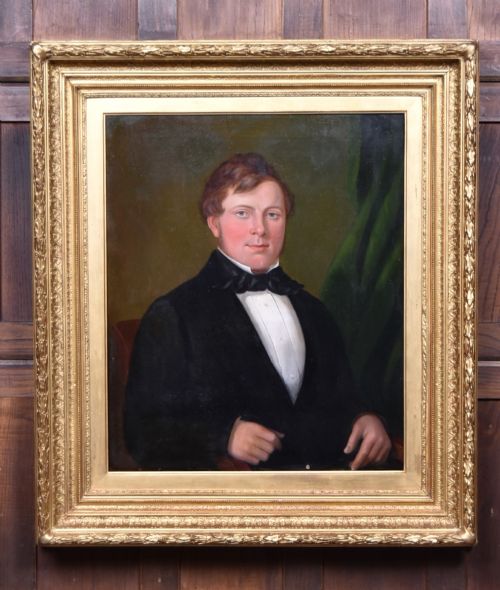
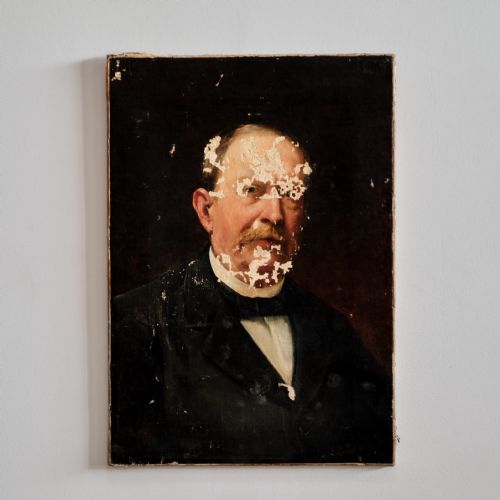
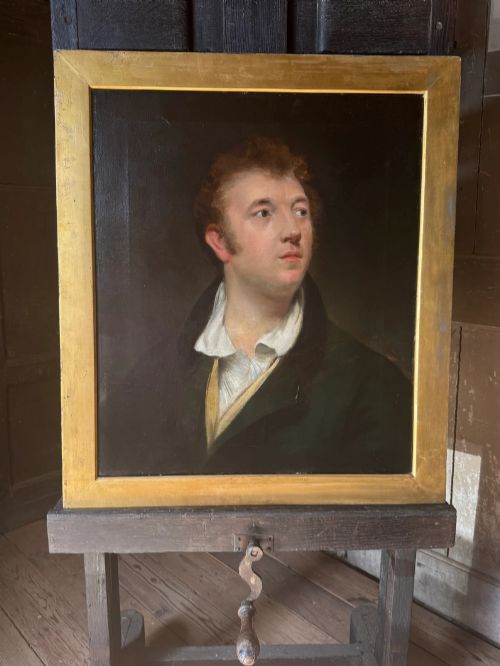
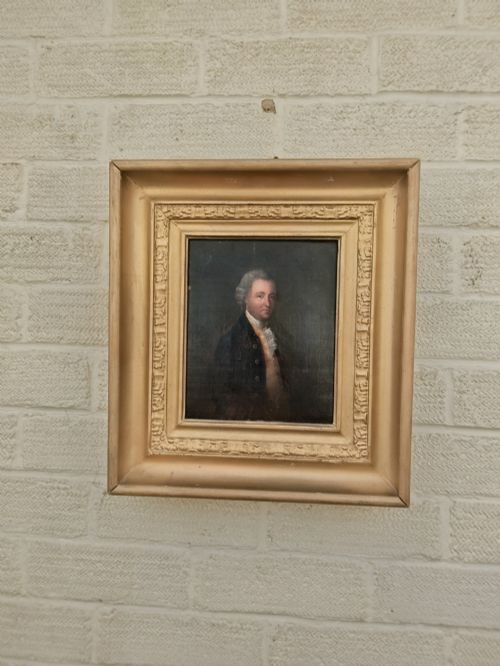
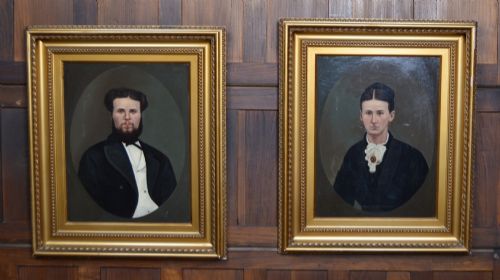
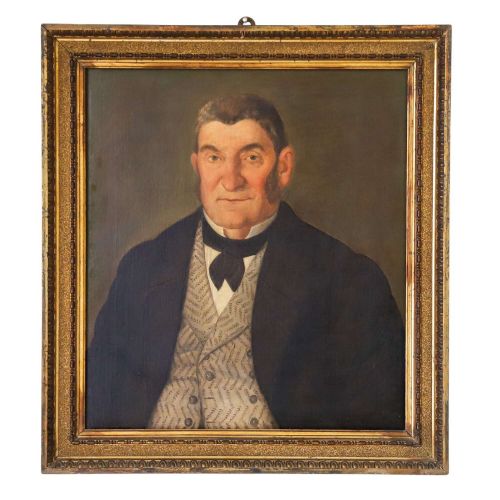
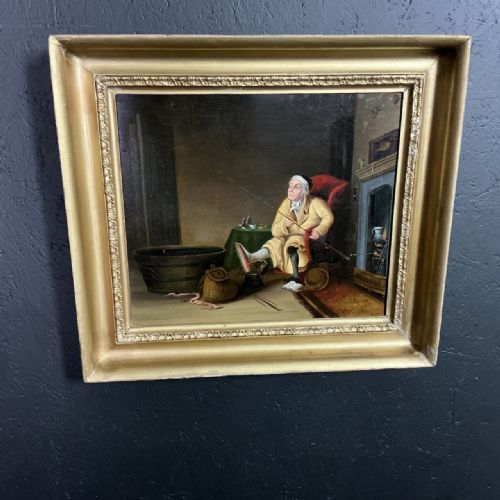
A 19th century gentleman oil typically portrays a seated or standing male figure, ranging from British and European school works to specific depictions of military officers, noblemen, and professionals. These artworks document the clothing, posture, and social standing of the period through formal portraiture and genre scenes.
The selections span distinct periods including the Regency, Georgian, and Victorian eras, often presented in formats varying from standard canvas portraits to miniature paintings on copper or panel. Many surviving examples originate from named regional schools or identified artists working across Britain and continental Europe.
Materials and construction methods
Painters of the period applied oil paint primarily onto stretched canvas, though certain works utilise wood panels, board, or copper sheets for smaller portrait studies. Canvases are frequently supported by period wooden stretchers and housed in heavy surrounds.
Surviving frames are constructed from wood and embellished with gesso and gold leaf to form ornate giltwood settings. These frames often complement the paintings through period moulding techniques specific to the 19th century.
Subjects range from military officers and noblemen to ordinary gentlemen accompanied by horses, sporting guns, or cigars.
Markers of artistic quality
The integrity of the original support and the preservation of the pigment layers differentiate better-kept works from distressed or heavily restored canvases. The craftsmanship of the accompanying gilt gesso frame also contributes to the overall historical integrity of the piece.
Edouard Pingret·James Howe·William Blake Richmond·Stephen Pearce·Benjamin Eugene Fichel·John Watkins Chapman·Frederick Goodall·Lance Calkin·Alfred John Bouchette·Bennett Hubbard
The 19th Century Gentleman Oil Glossary
- Oil on Canvas
- Pigment mixed with drying oil applied to a woven fabric support. This method allowed artists to build rich layers of colour and texture.
- Giltwood
- Wood carved and coated with gold leaf or gold paint. This material forms the decorative outer boundary typical of period picture frames.
- Gesso
- A plaster mixture applied to wood frames as a base for moulding and gilding. It provides a smooth surface for detailed ornamental relief work.
- Regency
- The period in British history from 1811 to 1820, or a broader aesthetic style associated with the early 19th century. Portraiture from this phase often exhibits distinct neoclassical tailoring and muted palettes.
- School
- A group of artists working in a similar style or region during a specific period. These designations help attribute unsigned works to geographical traditions.
19th Century Gentleman Oil: Frequently Asked Questions
How do I identify the sitter in a portrait?
Many portraits bear inscriptions on the reverse of the canvas or on the frame detailing the name of the subject or the artist. Archival records and family crests sometimes provide additional provenance.
Unidentified sitters are frequently catalogued by their attire, profession, or the regional school of the artist who painted them.
Are these paintings supplied in original frames?
A significant number of works retain their period giltwood or gesso frames, which match the era of the canvas. These surrounds often show age-related wear consistent with their history.
Some pieces have been reframed or restored over the decades to protect the underlying artwork.
What distinguishes Regency portraits from Victorian ones?
Regency era paintings typically feature subjects in high-collared coats, cravats, and simpler neoclassical settings reflecting early 19th-century fashions. Victorian works often display heavier formal attire, darker backgrounds, and more elaborate interior props.
Brushwork and framing styles also shift as artistic academies evolved through the decades.
How should I care for an antique oil painting?
Display the canvas away from direct sunlight and extreme temperature fluctuations to prevent the oil paint and canvas from cracking. Dust the surface and the surrounding frame gently with a soft, dry brush.
Avoid using liquid cleaners on the paint layer and consult a professional conservator for any structural repairs.