
Canvas Painting
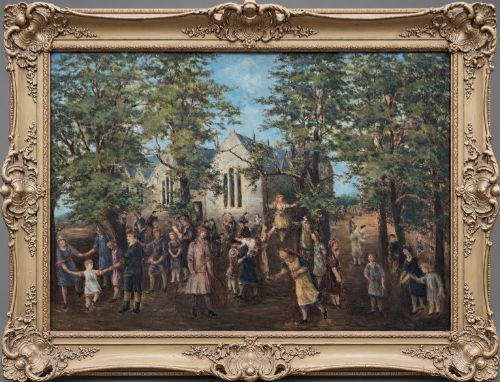
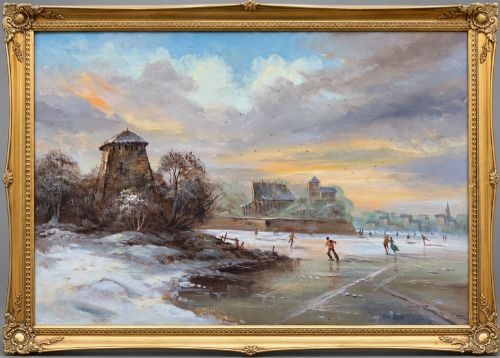
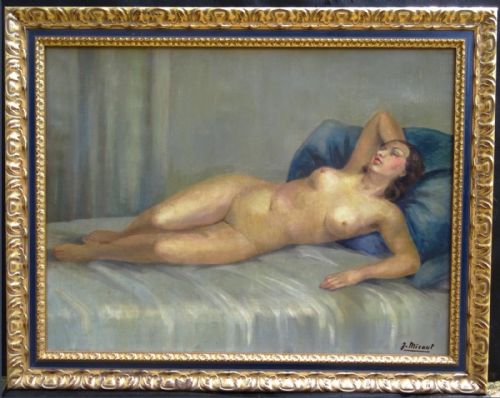
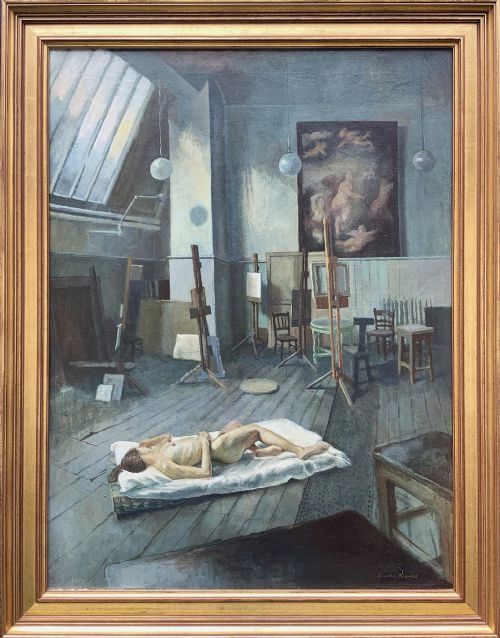
Canvas painting brings together centuries of portraiture, landscapes and still life rendered in oil across British, Dutch and French schools.
Canvas Painting
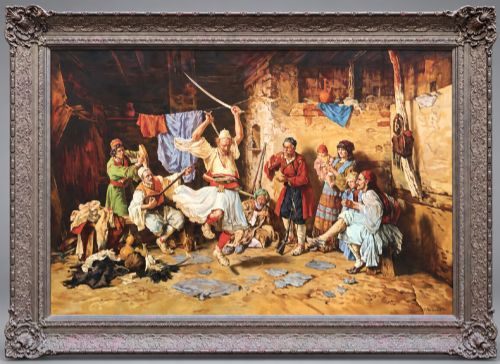
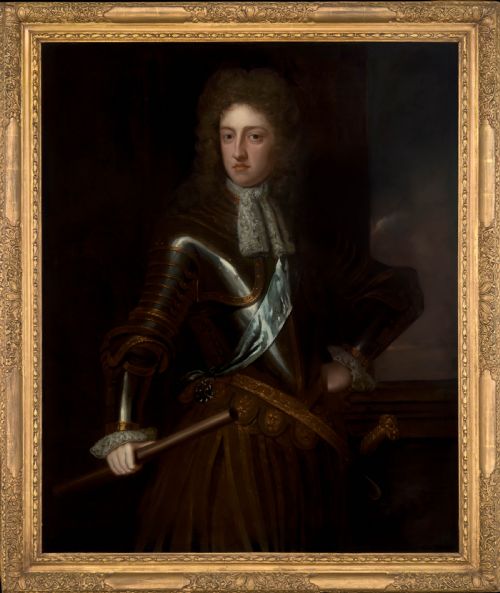
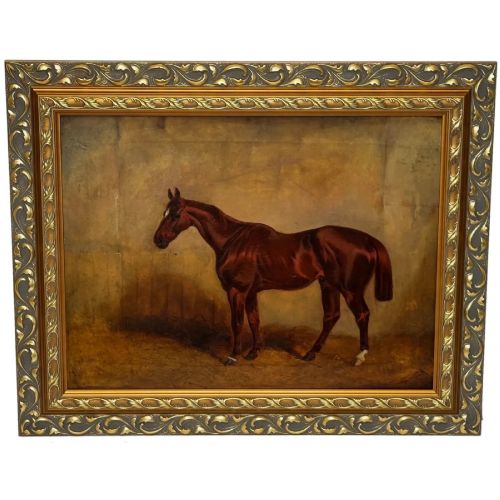
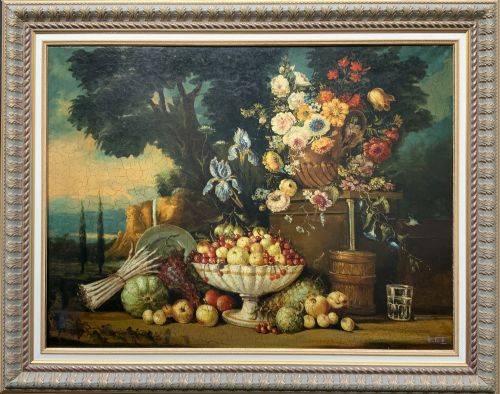
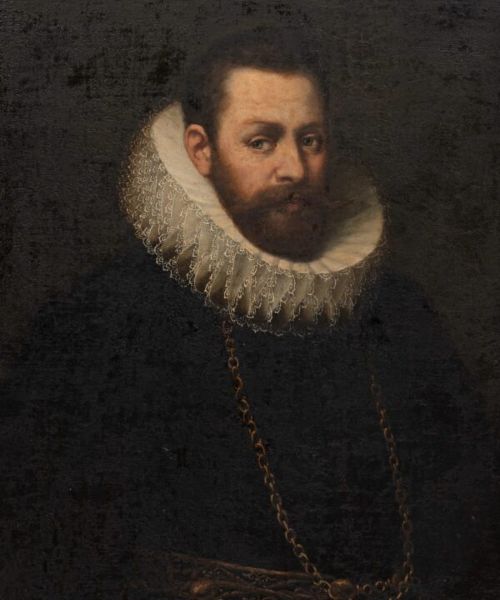
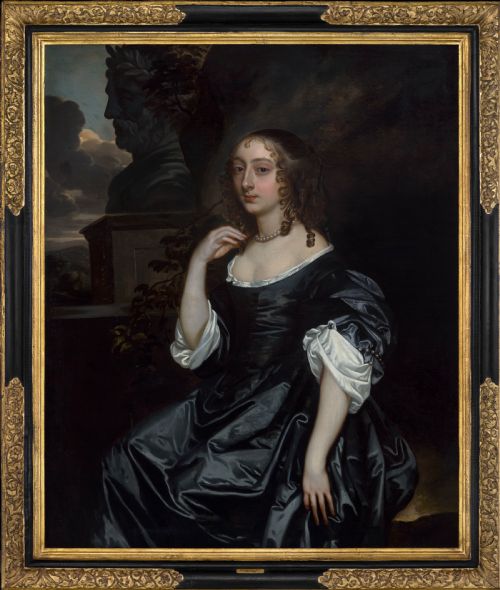
A canvas painting serves as a primary record of historical portraiture, pastoral landscapes, and still life compositions spanning from the seventeenth century to the modern era. Buyers searching for a canvas painting encounter diverse subjects ranging from aristocratic portraits in ruff collars to Victorian sporting scenes and mid-century Dutch windmills.
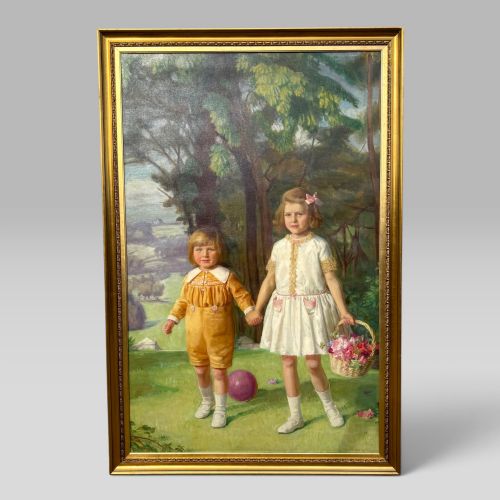
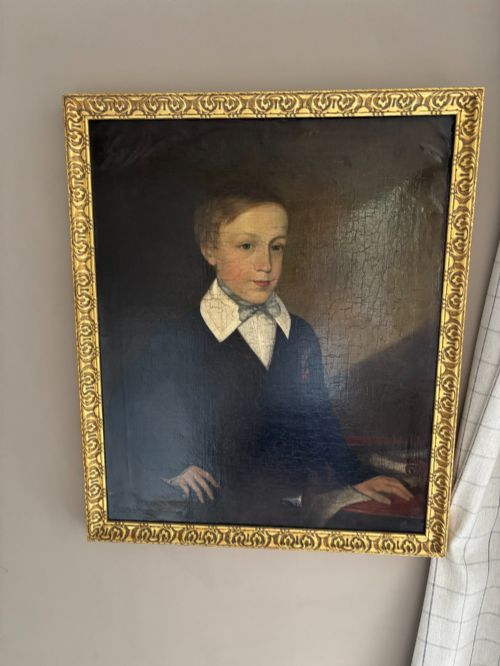
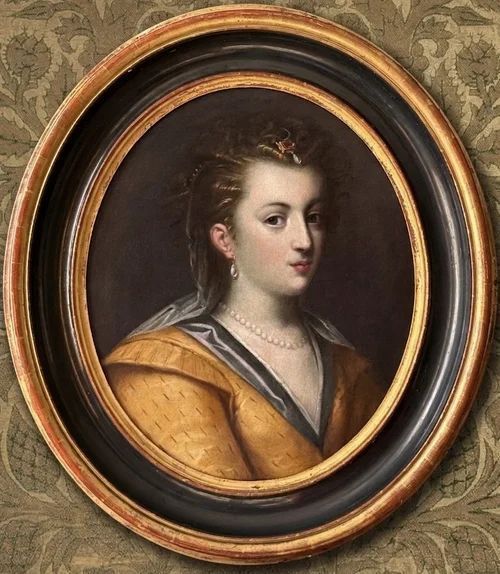
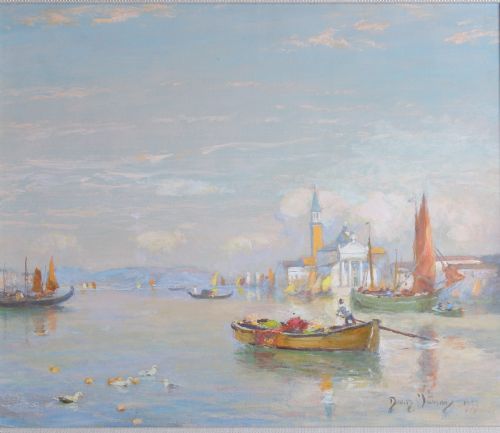
The selections on this page frequently originate from established European traditions, including the Dutch Golden Age, Italian Renaissance, French Baroque, and British schools. Portraits of noblemen, children, and military officers appear alongside village fêtes, marine views, and animal studies.
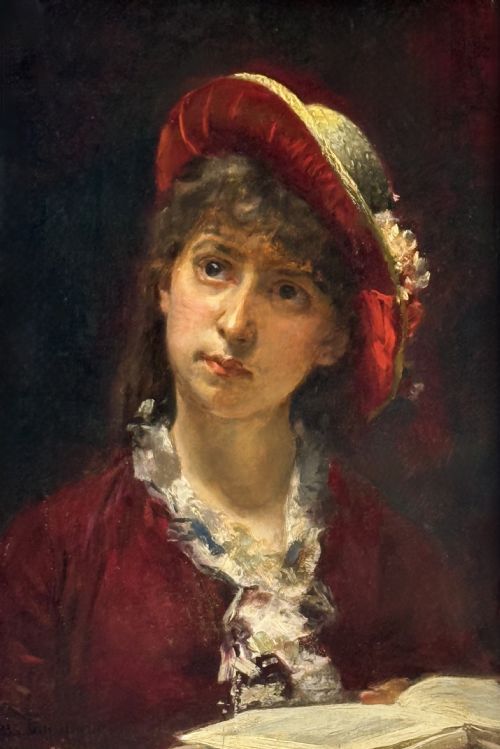
Earlier examples often depict sitters in elaborate dress attributed to studio circles of notable portraitists, while later nineteenth and twentieth-century works lean towards open landscapes, domestic animals, and expressive interior scenes.
Materials and Technique
The physical construction of these works relies fundamentally upon oil paint applied directly to woven canvas, often stretched across a wooden support frame. Pigments build up in layers to create depth in fabrics, flesh tones, and background shadows.
Many of the period frames associated with these works utilise giltwood, gold leaf, or plain carved wood to complement the painted surface. Canvas preparation and ground layers varied by period, supporting the longevity of pigments over centuries.
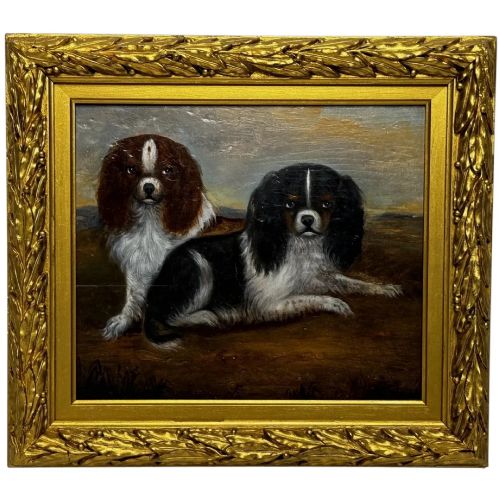
Several portraits preserve the exact likeness of seventeenth-century lapdogs and Victorian spaniels who clearly sat more still than the horses.
Assessing Quality
The distinction between a studio piece, a circle work, and an attributed painting alters the standing of the piece within its historical school. Compositional balance and the preservation of the original paint layer further define the upper tier of surviving works.
Sir Godfrey Kneller·Sir Peter Lely·Lavinia Fontana·Charles Jervas·Michael Dahl
The Canvas Painting Glossary
- Canvas
- A heavy woven fabric used as a support surface for oil paintings. It provides the tensile strength required for large historical portraits and landscapes.
- Oil Paint
- A slow-drying paint made by mixing pigments with a drying oil, typically linseed. This medium allows artists to blend tones smoothly and build translucent glazes.
- Giltwood
- Wood carved and covered with a thin layer of gold leaf or gold paint. It frequently forms the decorative frames enclosing antique oil paintings.
- Dutch School
- A collective term for artists working in the Netherlands during the seventeenth century and later. These painters are noted for mastery of light, domestic interiors, and winter landscapes.
- Studio of
- A designation indicating a work produced by assistants or pupils working under the direct supervision of a master artist. It reflects the working practices of major historical portrait workshops.
Canvas Painting: Frequently Asked Questions
How do I date a canvas painting?
Dating relies on stylistic clues such as costume, hair styling, and framing techniques characteristic of specific periods like the seventeenth century or Victorian era.
Signatures, artist records, and the physical characteristics of the canvas stretcher further help narrow down the decade of creation.
What is the difference between studio and attributed works?
A studio work is produced by assistants in a master's workshop under supervision, reflecting the style and methods of that master.
An attribution suggests the piece shares strong stylistic traits with a known hand but lacks definitive documentation to confirm the exact creator.
How were oil paintings displayed historically?
Historic oil paintings were hung in prominent reception rooms, long galleries, and parlours within country houses and town residences to demonstrate lineage and taste.
They were typically housed in heavy giltwood frames designed to project the artwork forward from wood-panelled or damask-lined walls.
Can I hang oil paintings in direct sunlight?
Continuous direct sunlight can damage oil paint layers, cause canvas to become brittle, and fade delicate pigments over time.
Displaying these works away from direct UV exposure and extreme temperature fluctuations helps preserve the stability of both the canvas and the frame.