1,857  PAGES BROWSED TODAY PAGES TODAY • 0 ANTIQUES UPLOADED TODAYNEW ARRIVALS
GIFTS
LATEST STOCK
Sort Order
Items Per Page
Antiques dealer?
Join as a Seller
Browse Categories
Sort order
Relevant Links
Items per page
for sale
€17,492     $18,987
£14,950
Selling price
Titan Fine Art

Titan Fine Art

Sellingantiques Verified Since Jul 2016
Browse dealers 20 items
  • About Us
    Specialist in 17th & 18thc portraits. Highly curated selection, museum-level research & pro conservation. Exceptional art, expertly vetted.
Id #SA1247101
PDF SHARE
SAVE

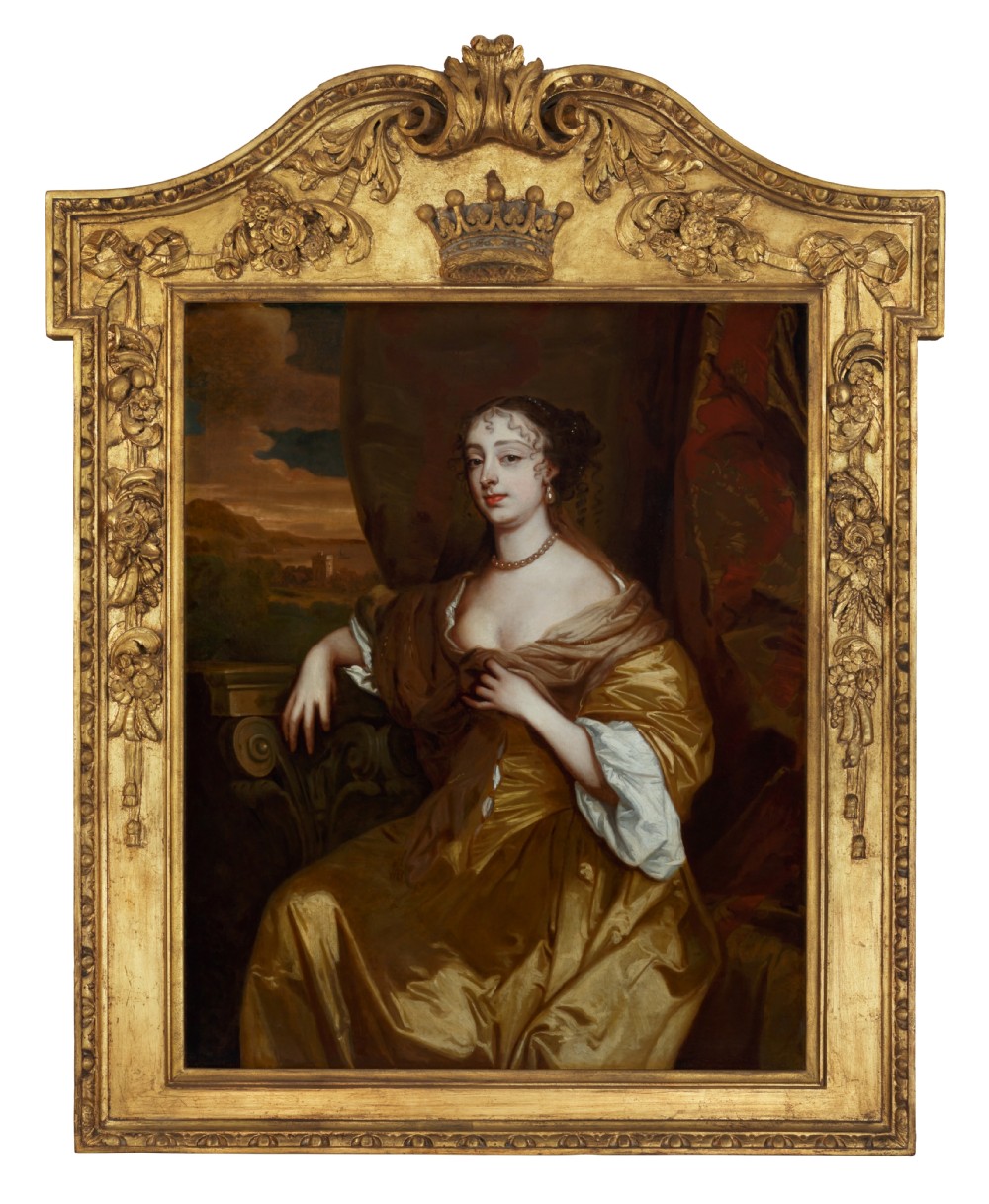
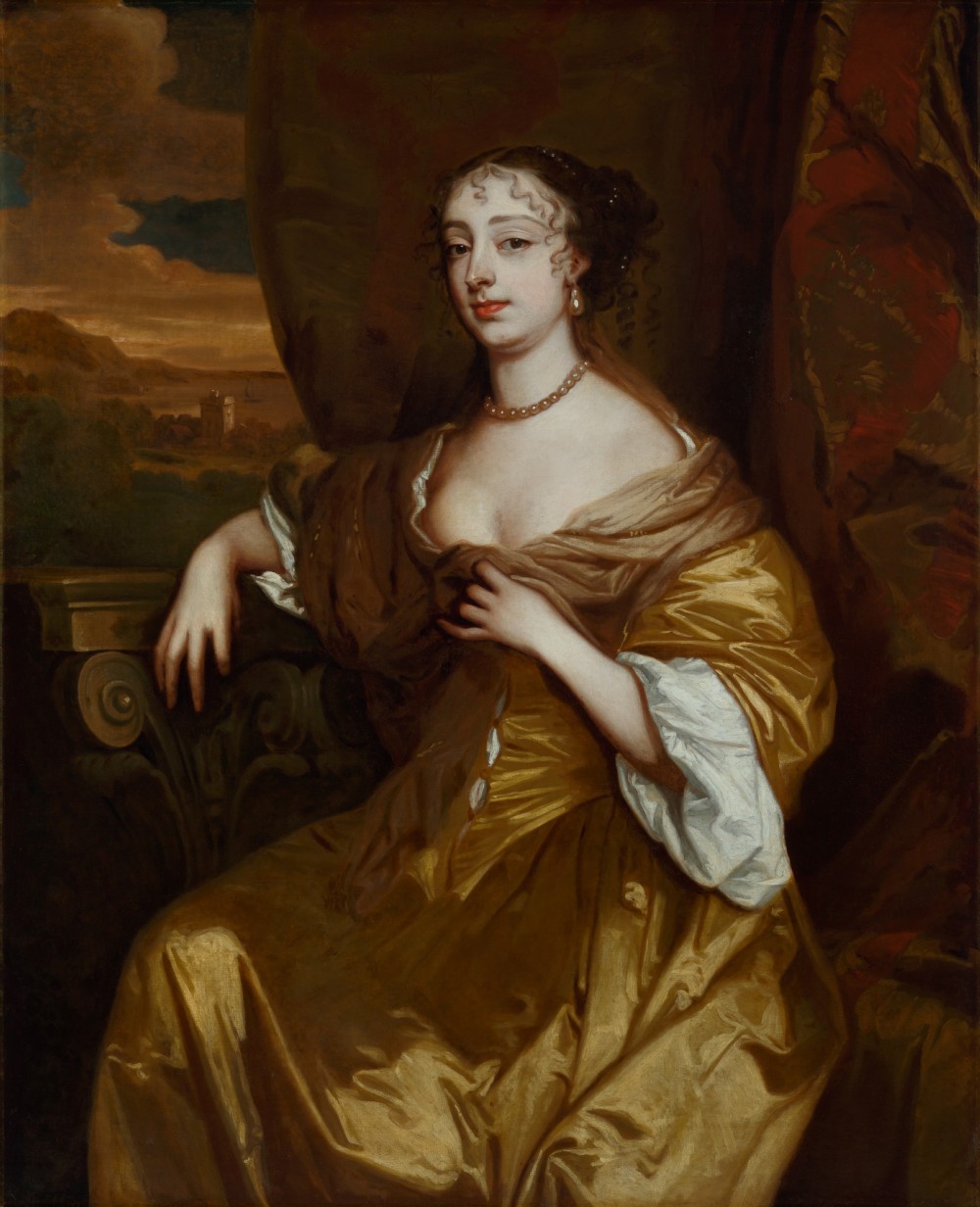
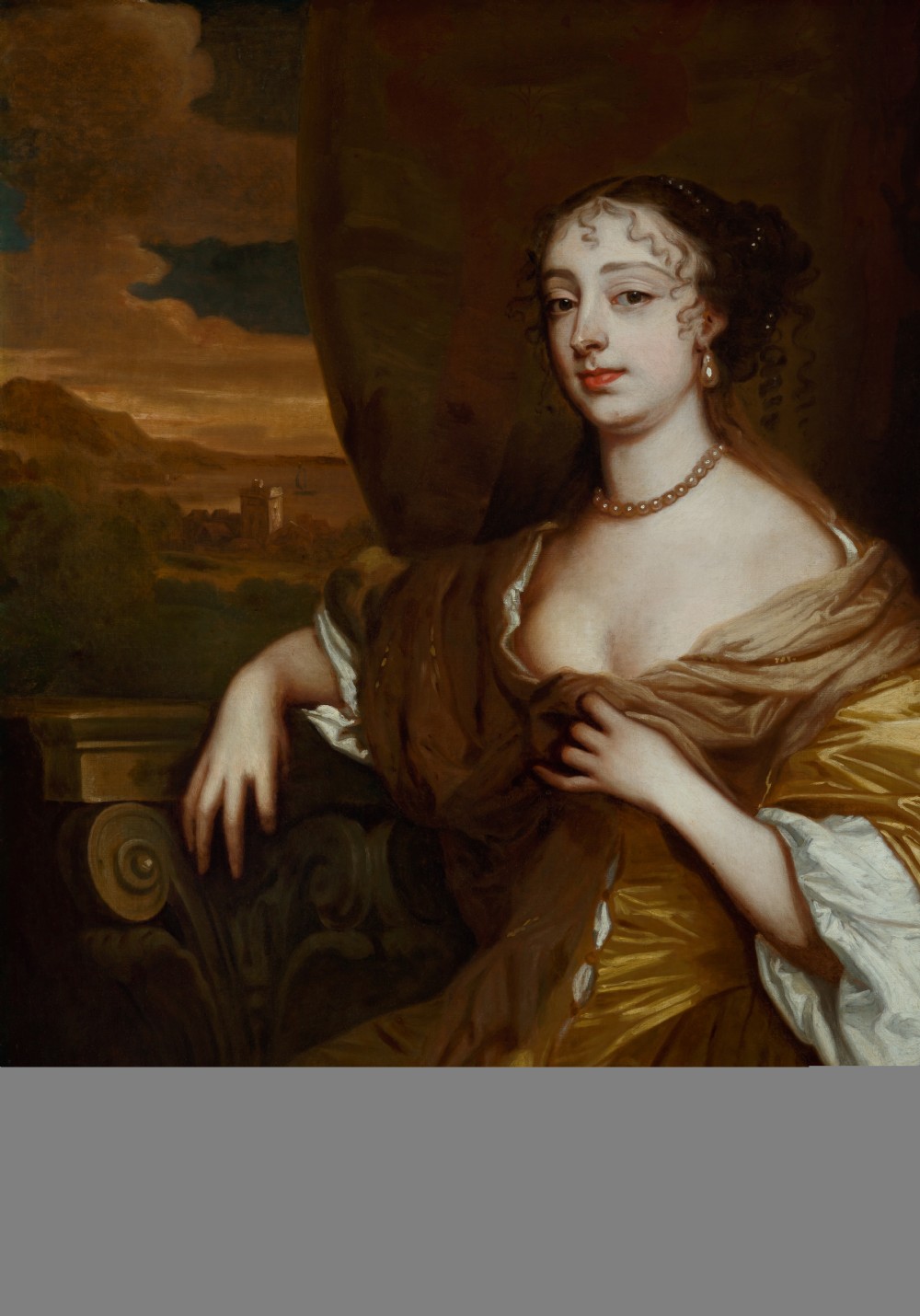
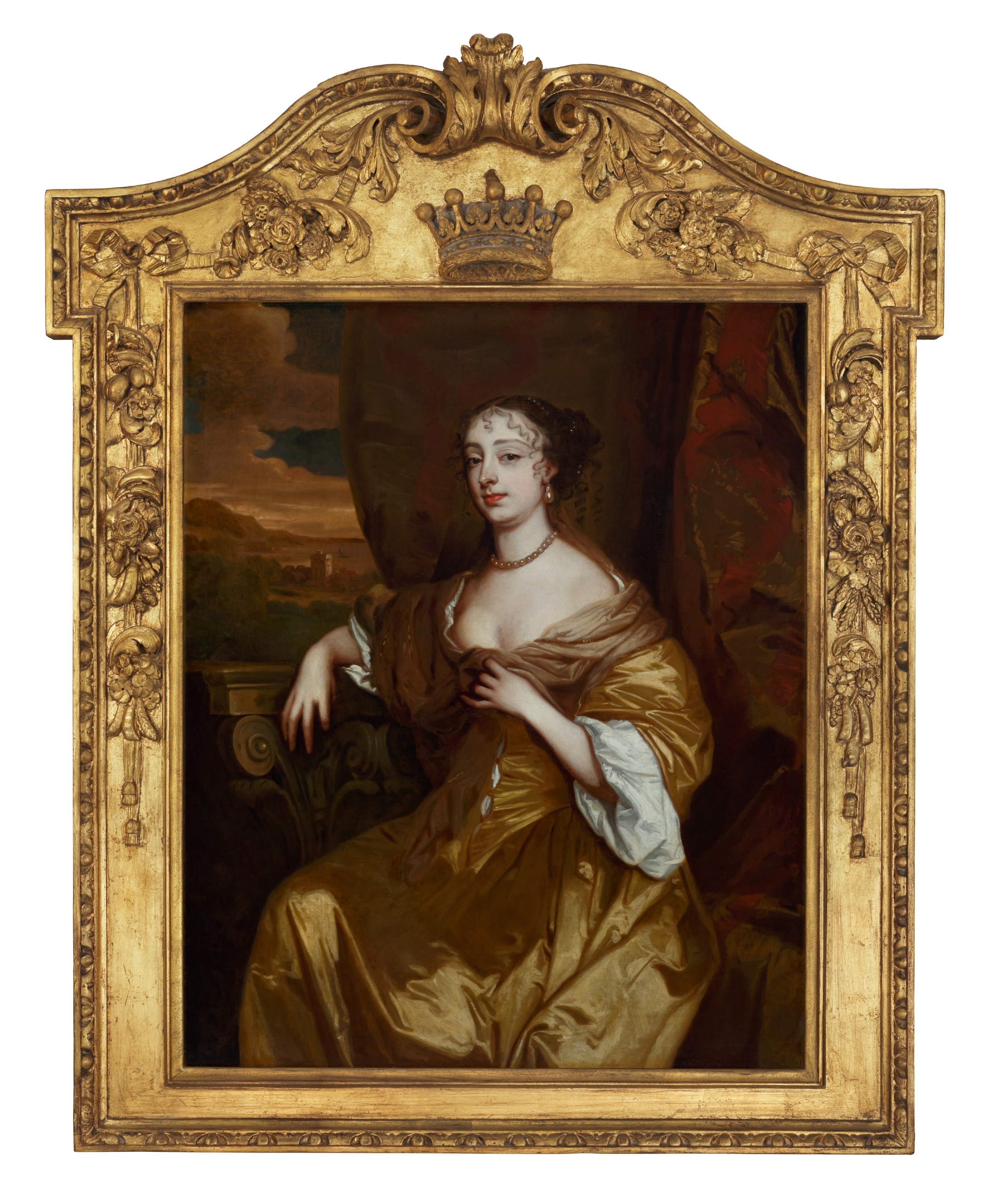
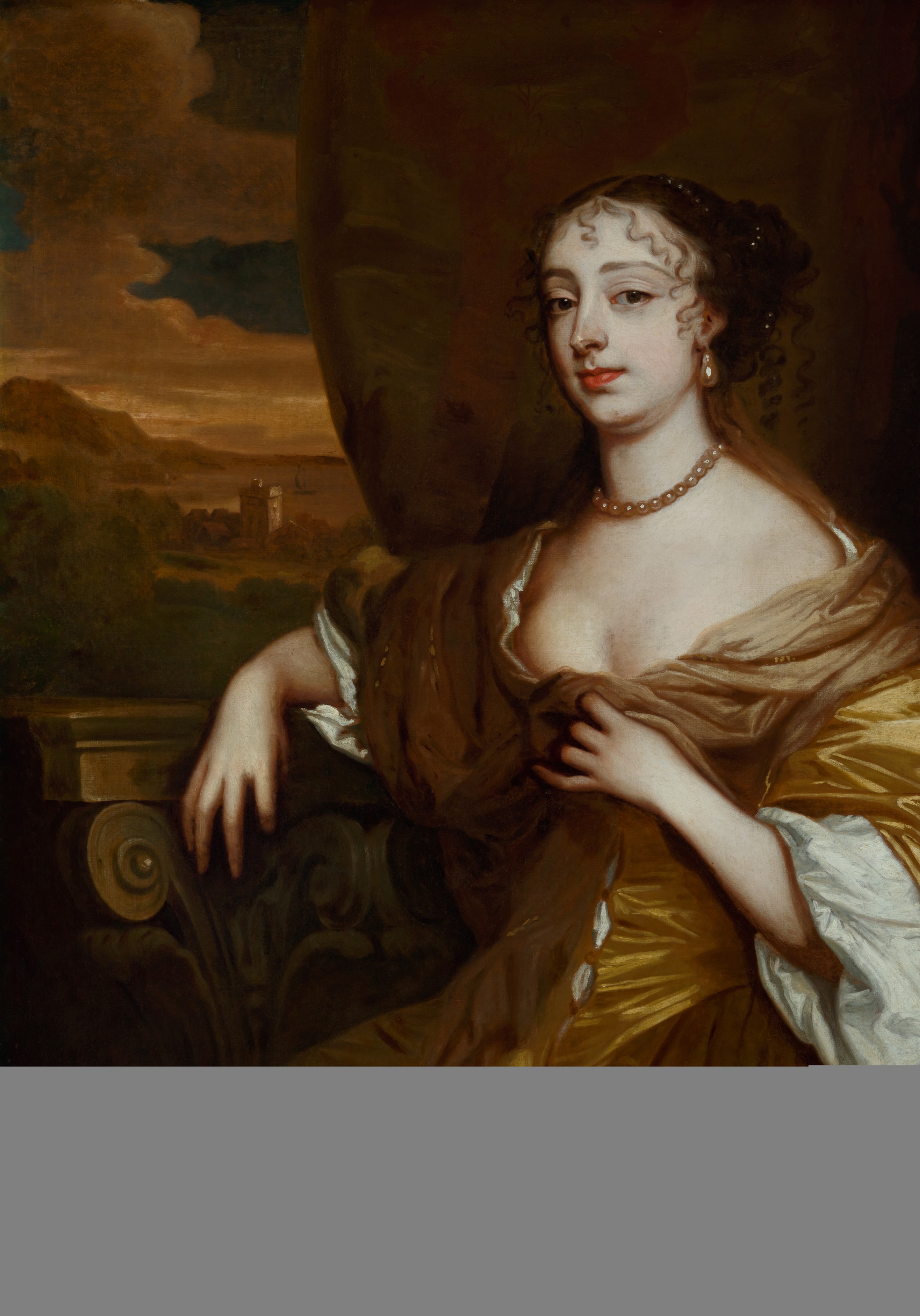
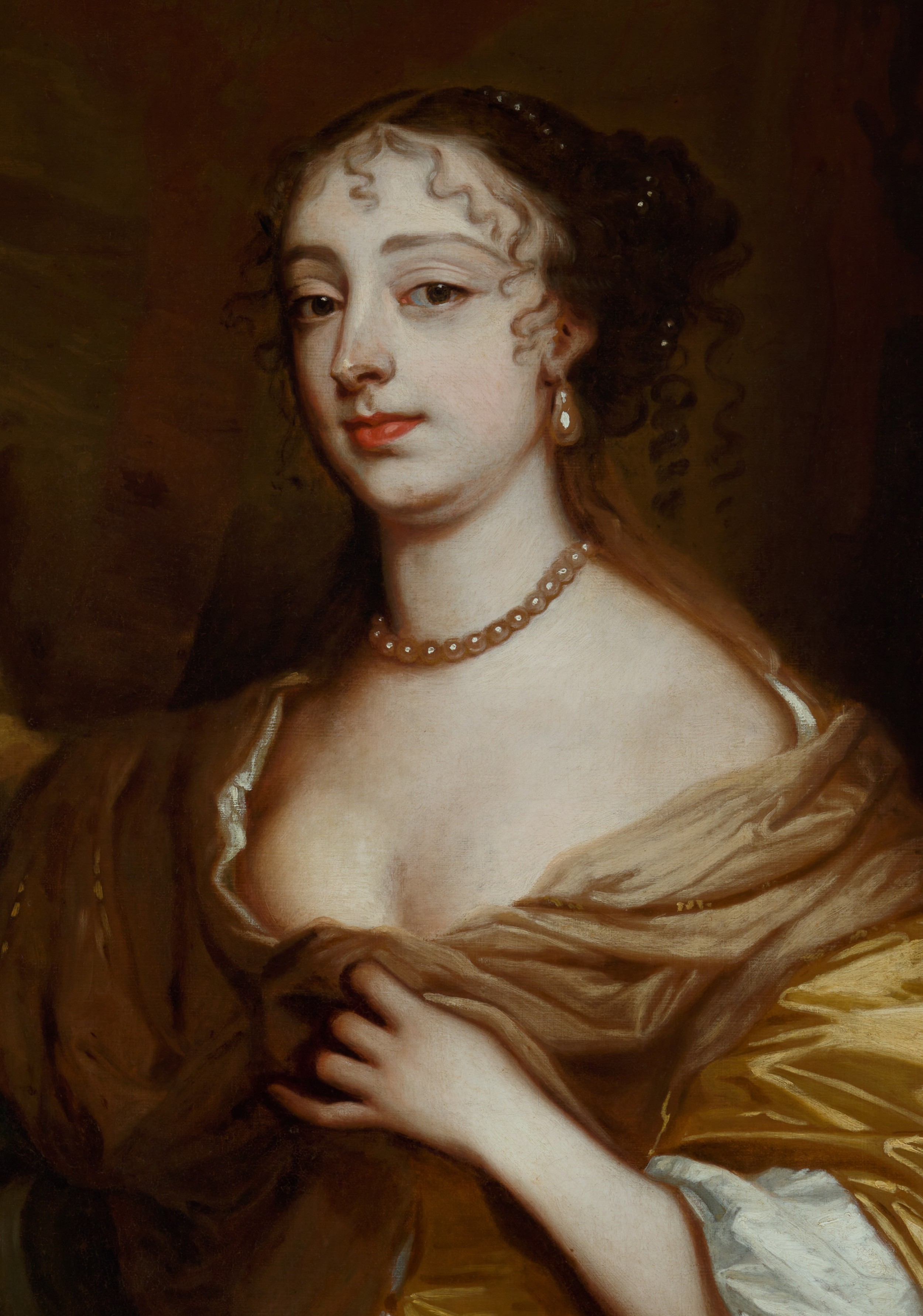
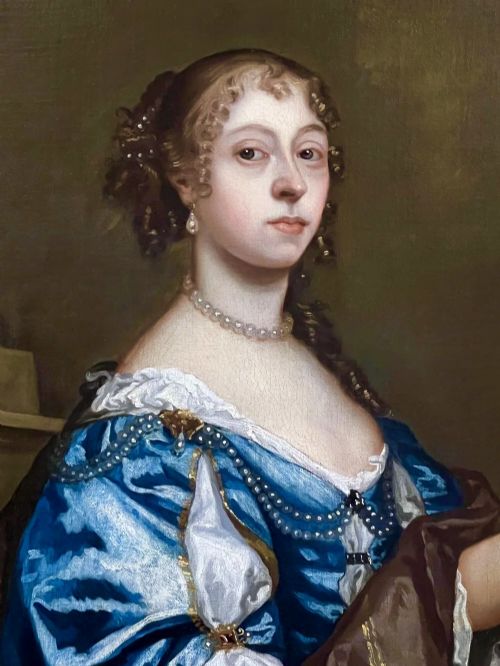
Portrait of Sarah Bodvile, Later Countess of Radnor C.1660; Studio of Sir Peter Lely. Adlington Hall Provenance and Superb Coronet Frame, Oil on Canvas Painting

17th century
For Sale by Titan Fine Art
Description

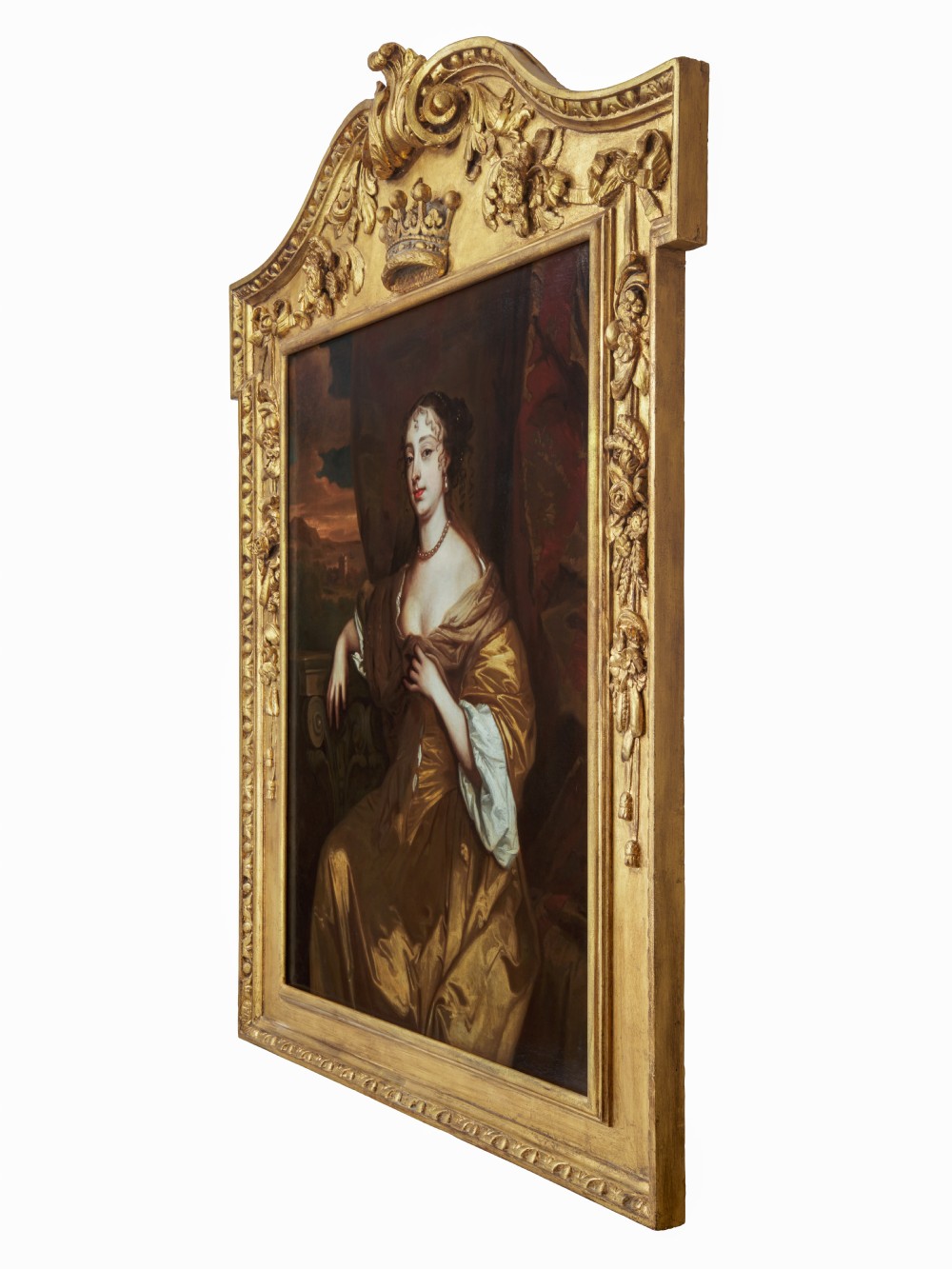
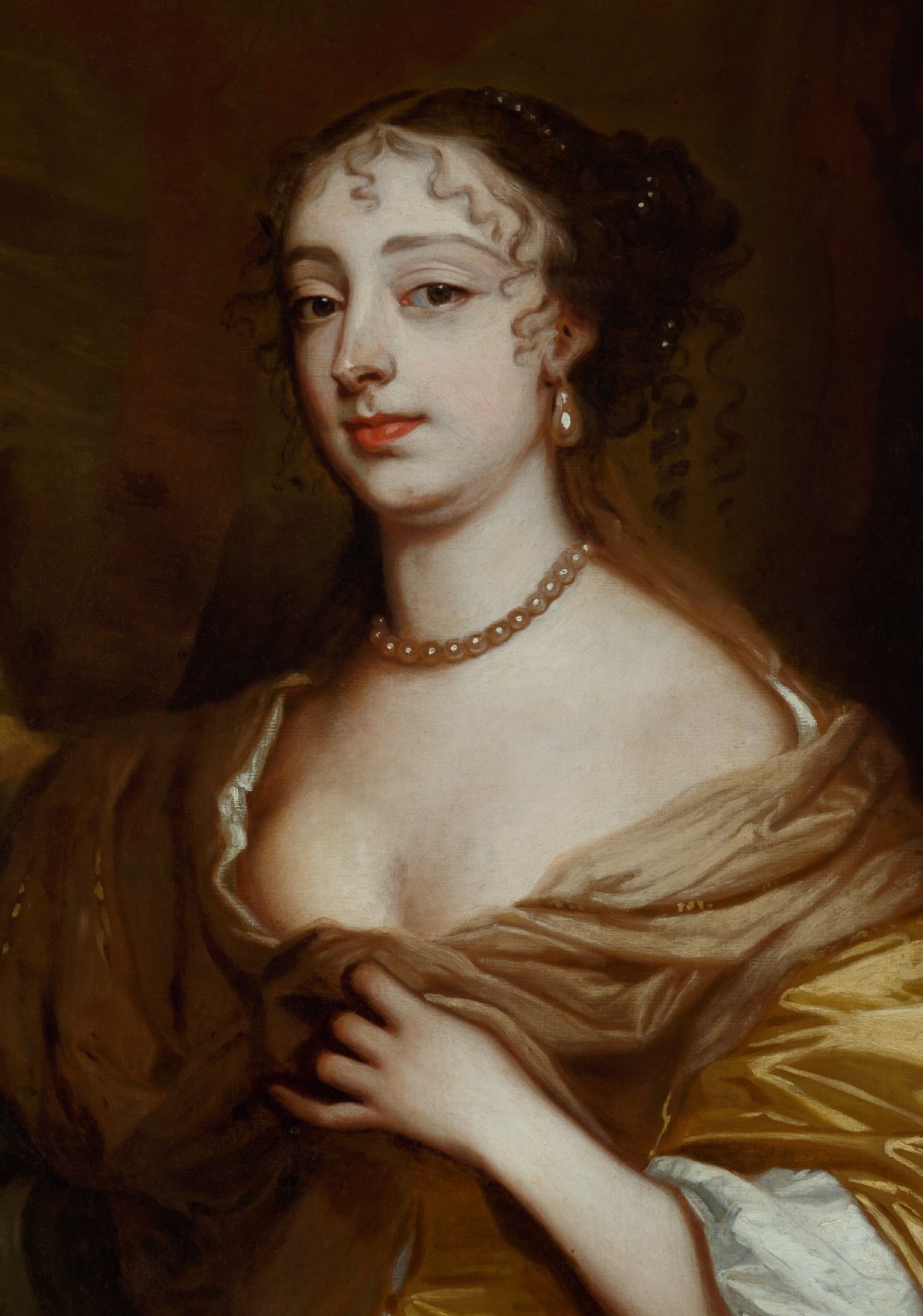
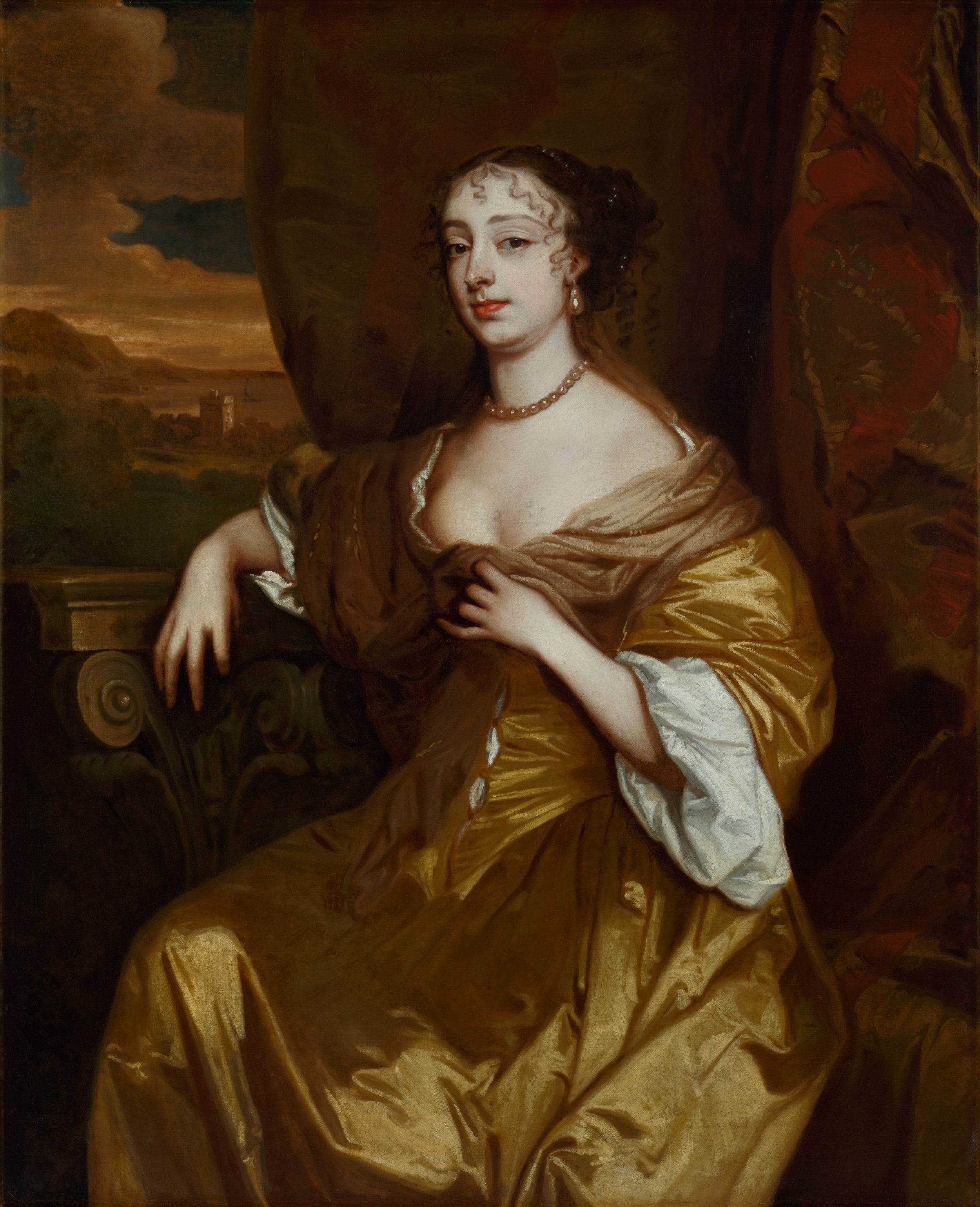
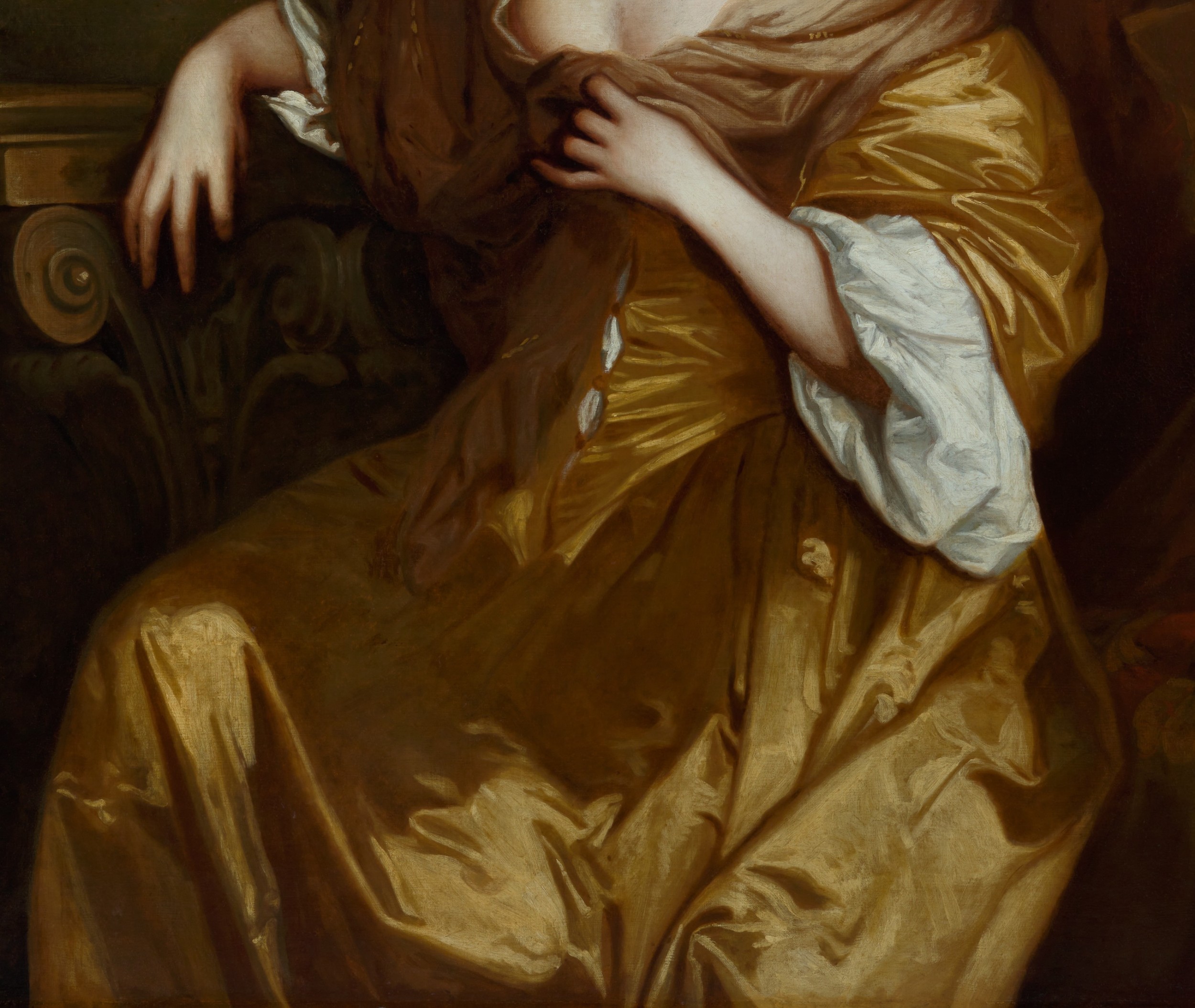
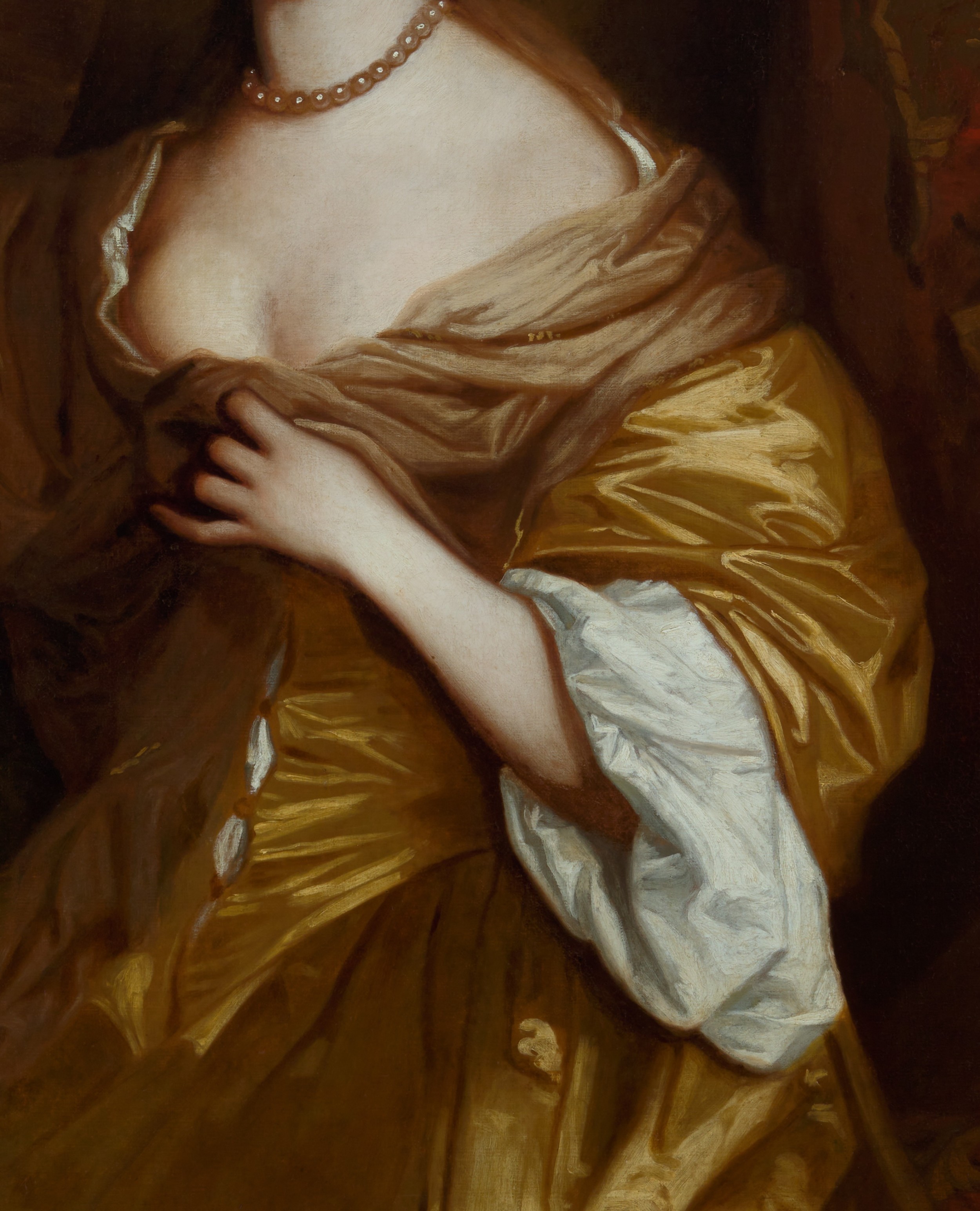
Few Restoration portraits combine beauty, biography and country-house provenance as compellingly as this imposing c.1660 portrait of Sarah Bodvile (c.1640–1720), later accorded the rank and precedence of Countess of Radnor. Painted in the Studio of Sir Peter Lely (1618–1680), Principal Painter to Charles II, it is preserved in excellent condition and presented in a magnificent carved and gilded frame surmounted by an Earl’s coronet.

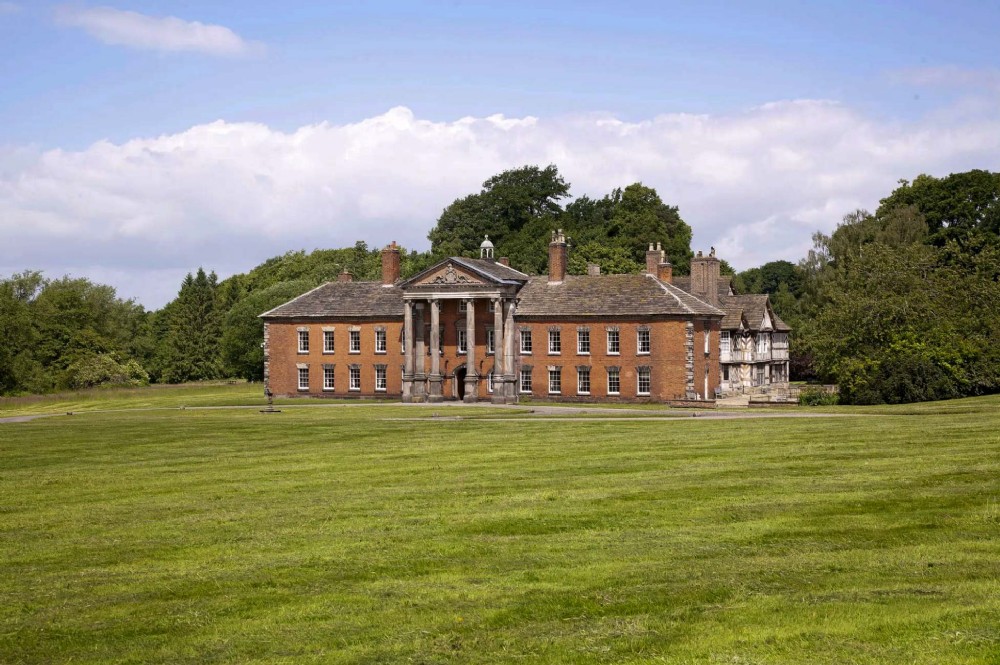
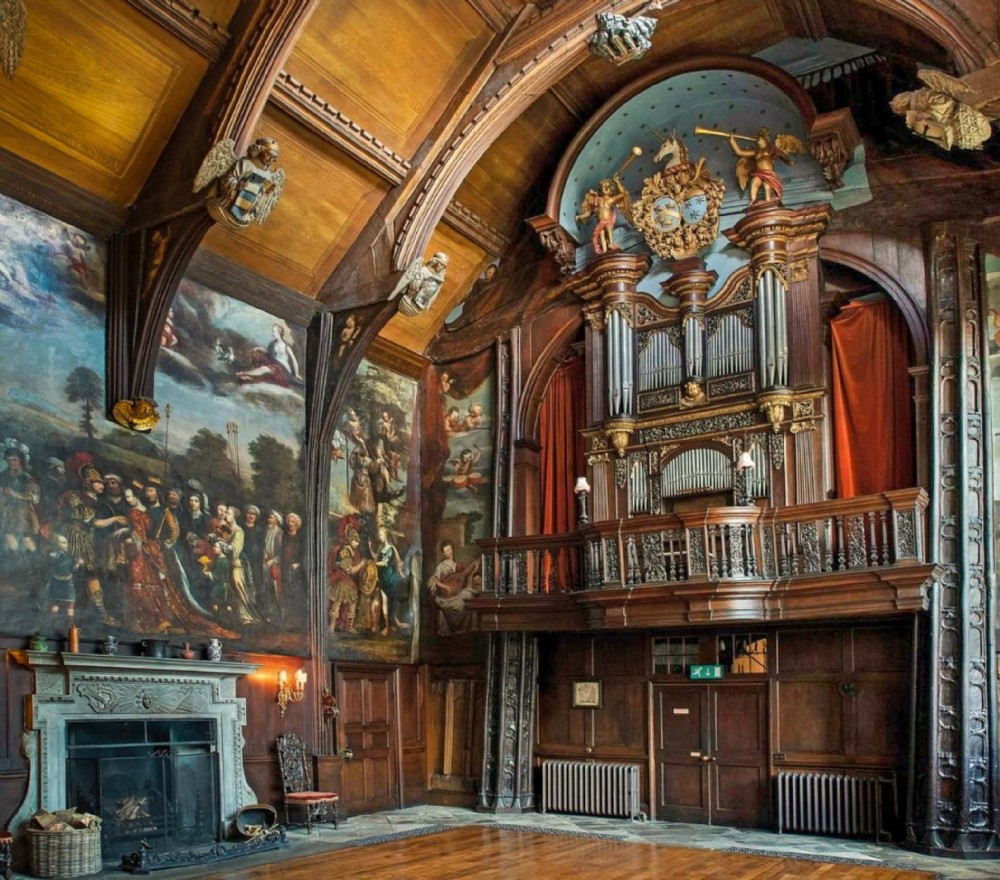
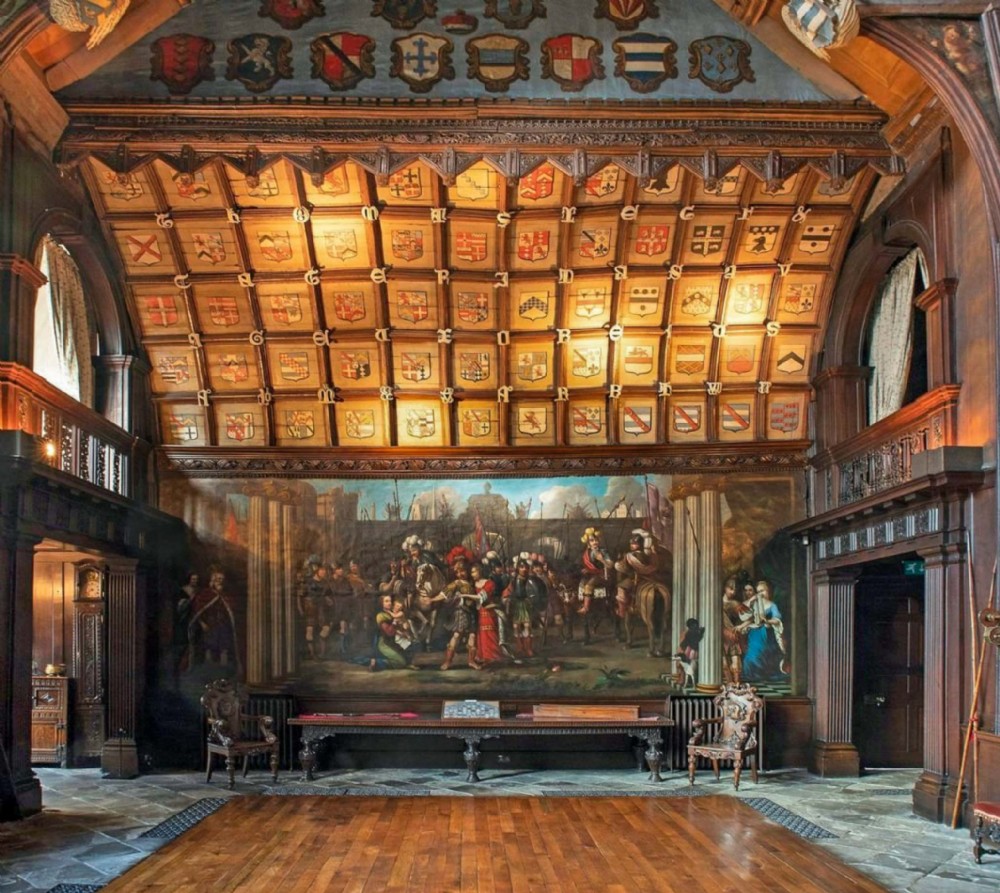
The portrait descended for generations at Adlington Hall, Cheshire, one of England’s great historic houses. Remarkably, it was photographed hanging above the chimneypiece in Mrs Legh’s bedroom and reproduced there in Country Life in 1952. Sarah’s daughter Lady Isabella Robartes married John Legh of Adlington in 1693, providing the probable route by which this and other Robartes family portraits entered the Legh collection. If it descended through Isabella at this date, the portrait remained with Sarah’s descendants at Adlington for more than three centuries.

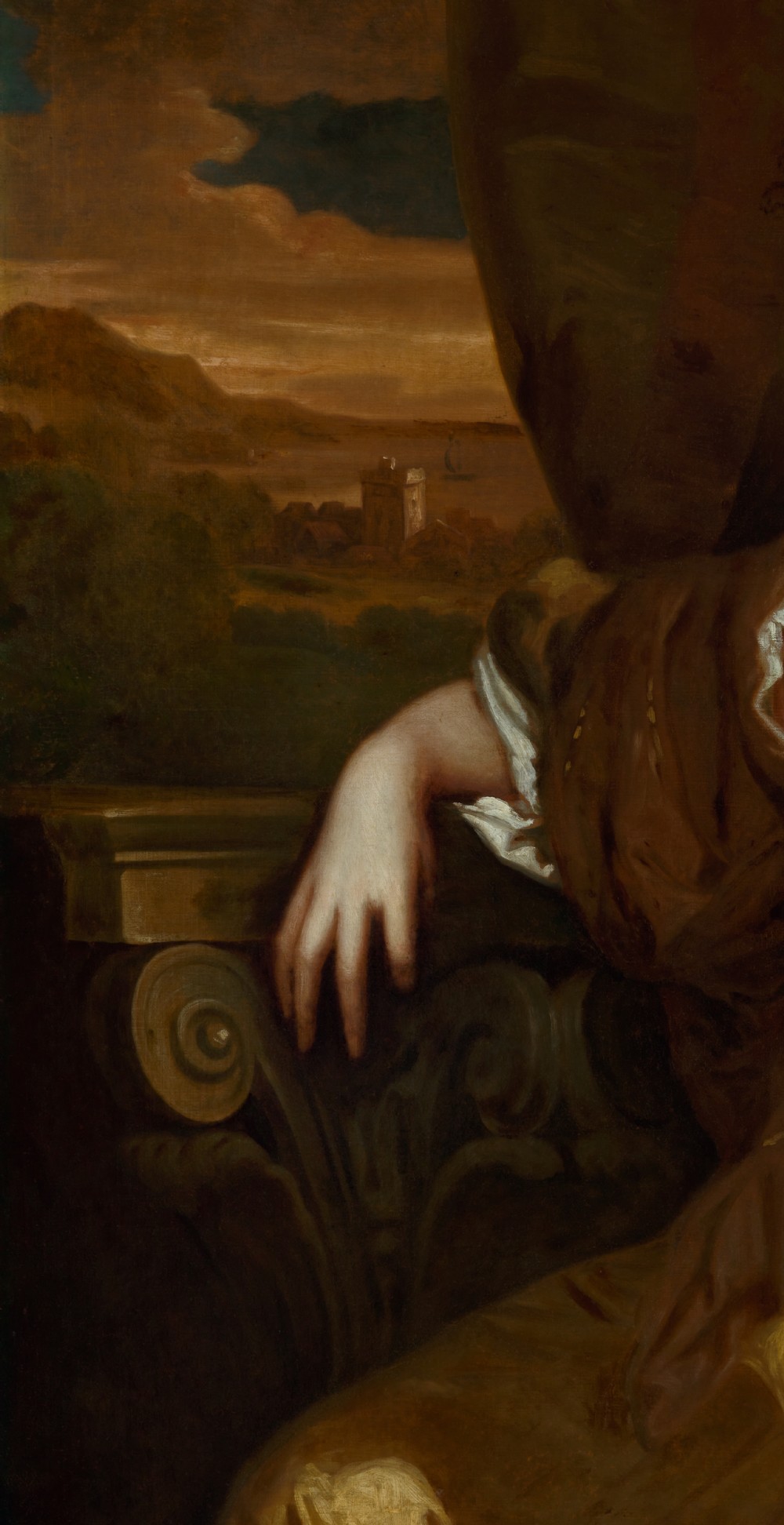
Beyond her is an intriguing waterside landscape: a sailing vessel, substantial buildings dominated by a square tower and distant hills. Although the location cannot presently be identified and may be an idealised landscape, it is tempting to wonder whether it was intended to evoke Sarah’s origins in the dramatic coastal landscape of Caernarfonshire and the Llyn Peninsula, where the Bodvile family possessed extensive estates.

Sarah’s serene appearance disguises an extraordinary life. Her father, Colonel John Bodvile, was a Royalist during the Civil War, while her mother, Anne Russell, was a committed Puritan. Their marriage became so divided that in 1646 Anne petitioned concerning the removal of their children from their father’s care. Sarah therefore grew up in a household in which the political and religious divisions of the Civil War were effectively being played out within her own family.

In 1657 her mother arranged Sarah’s marriage to Robert Robartes, son of the powerful Parliamentarian John Robartes of Lanhydrock, later 1st Earl of Radnor, without her father’s consent. Following John Bodvile’s death, Sarah became embroiled in a bitter dispute over her substantial Welsh inheritance. The affair reached Parliament and, on 3 May 1664, Samuel Pepys spent some five hours in the House of Lords listening to the case.

Pepys later met Sarah herself. On 27 April 1668 he encountered her at Lord Crew’s house in London and recorded his immediate impression of her as “the great beauty, and a fine lady indeed.” It is exceptional to possess such vivid contemporary testimony concerning the appearance of a seventeenth-century portrait sitter.

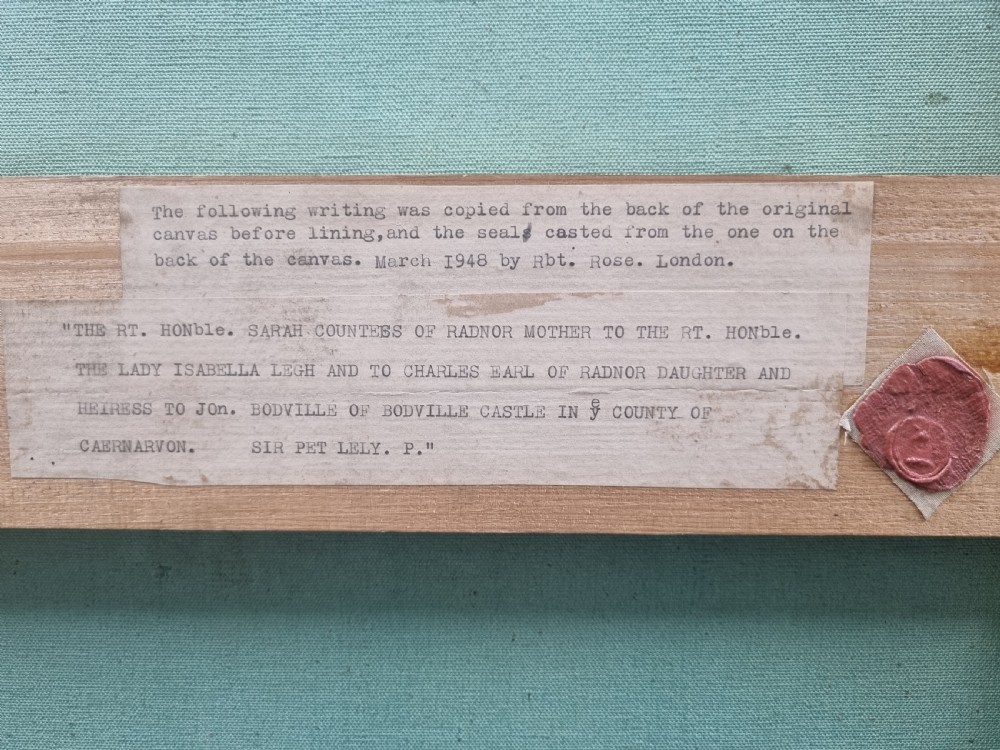
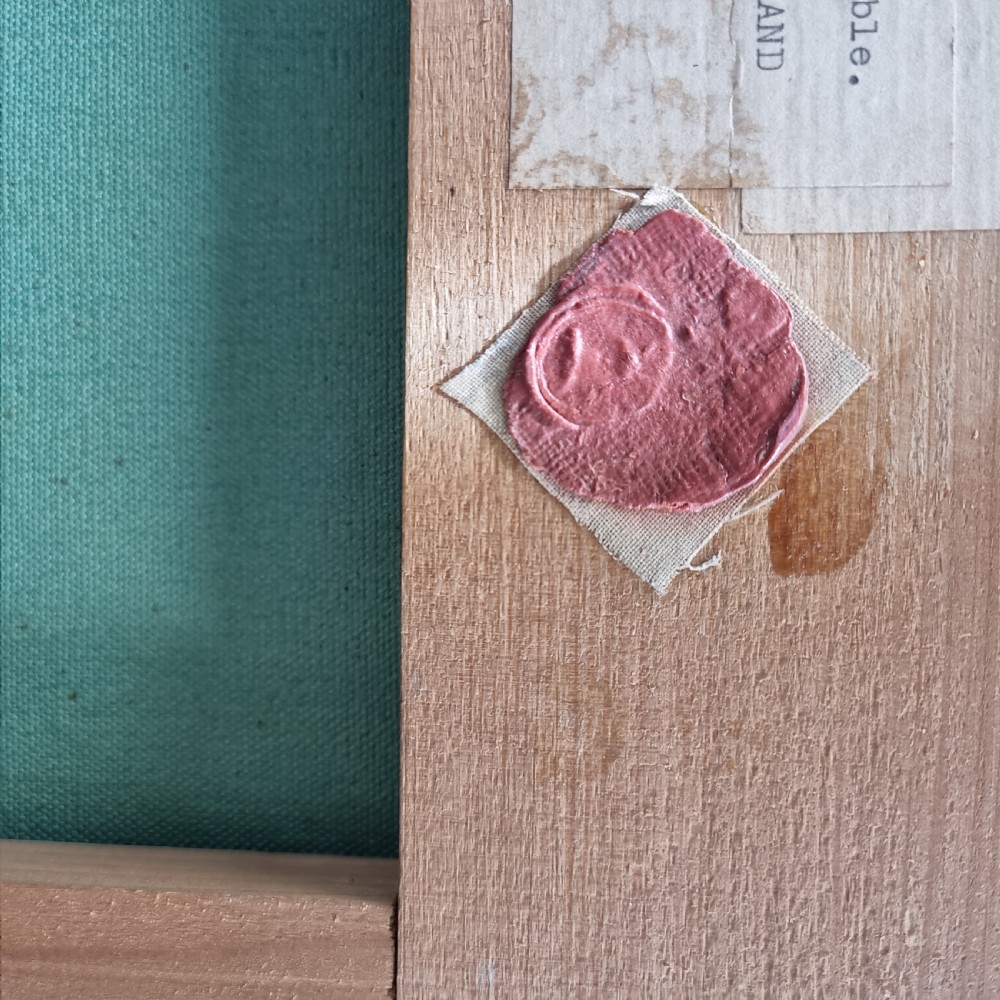
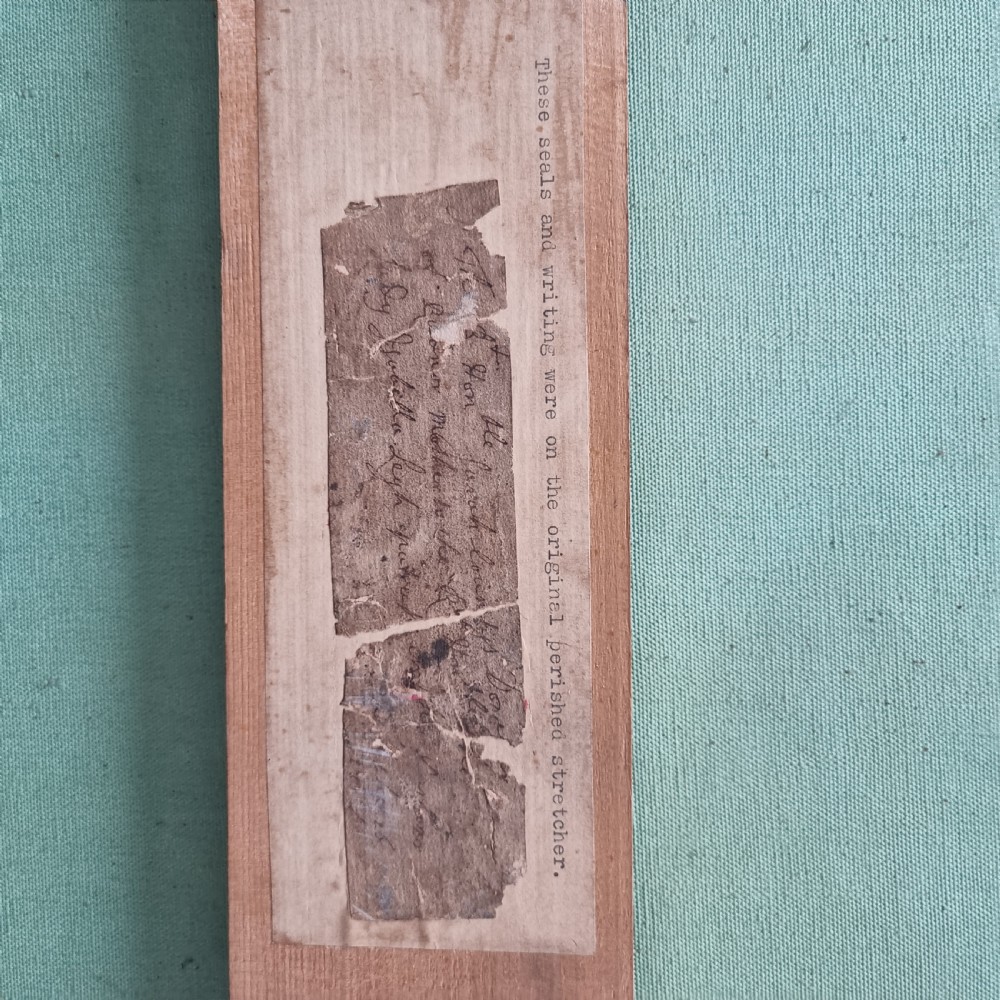
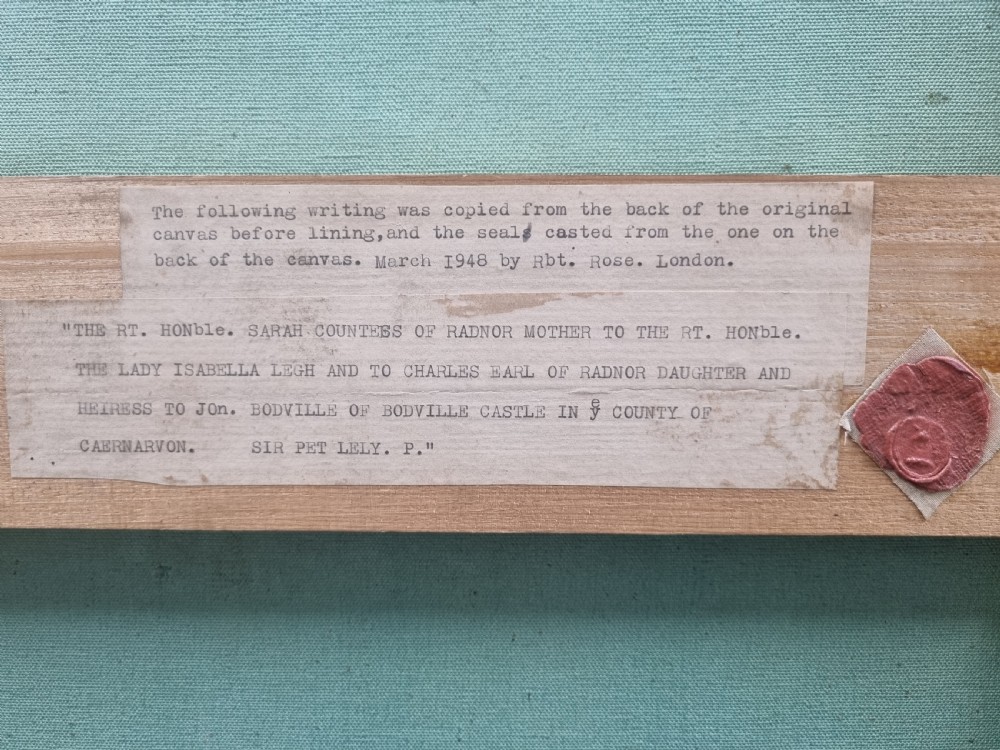
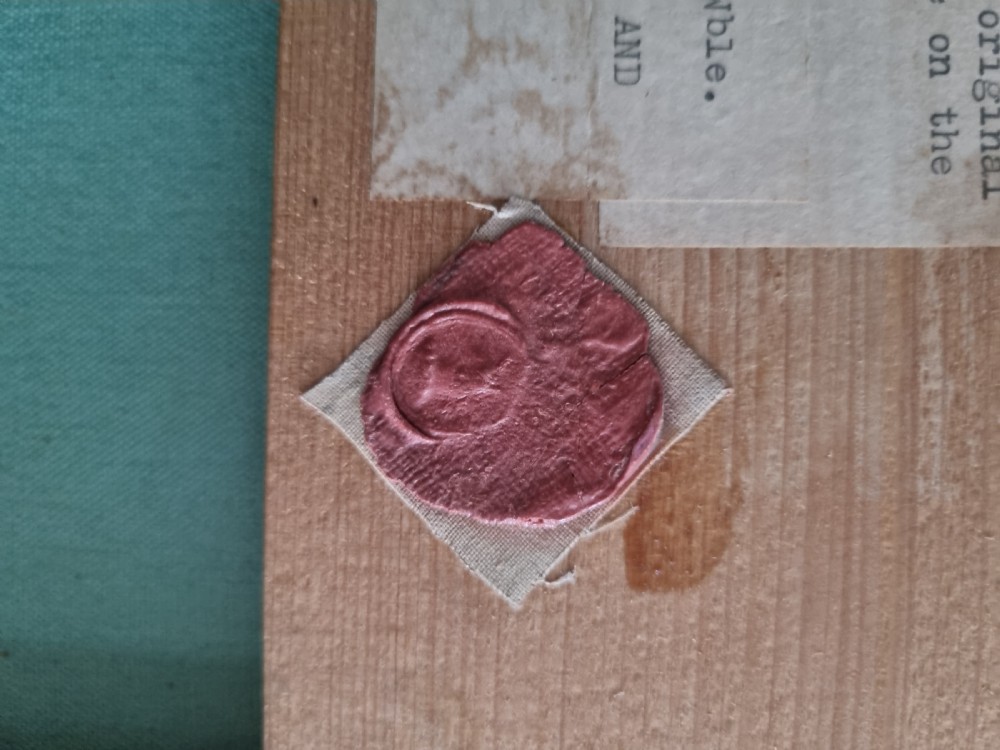
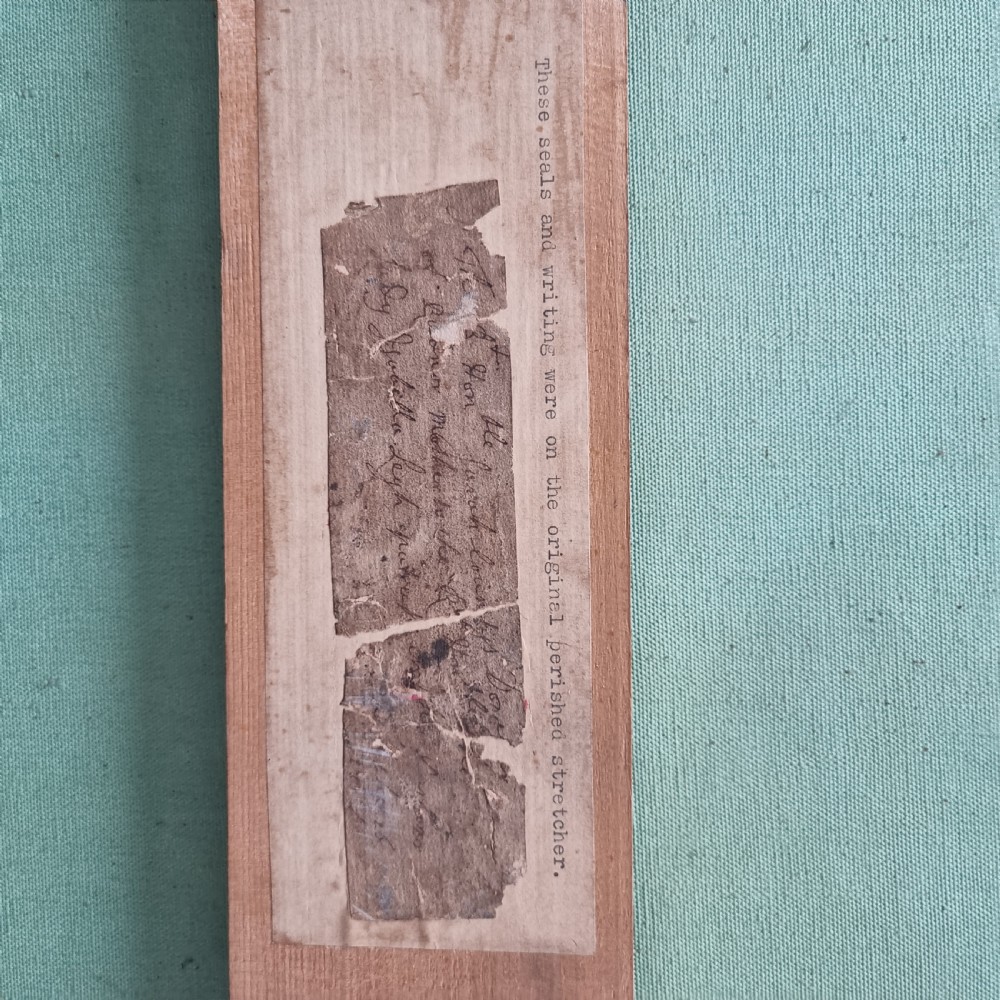
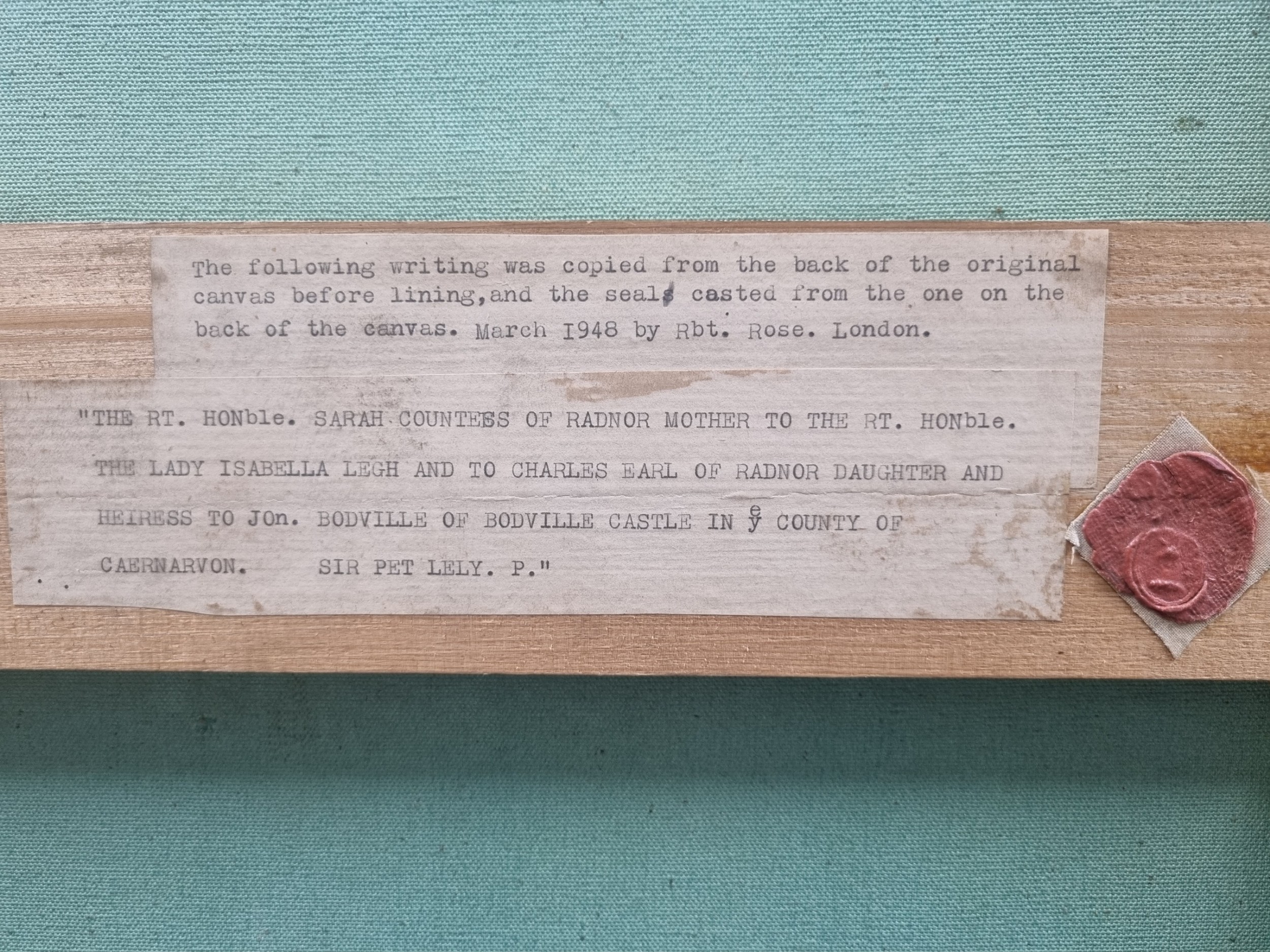
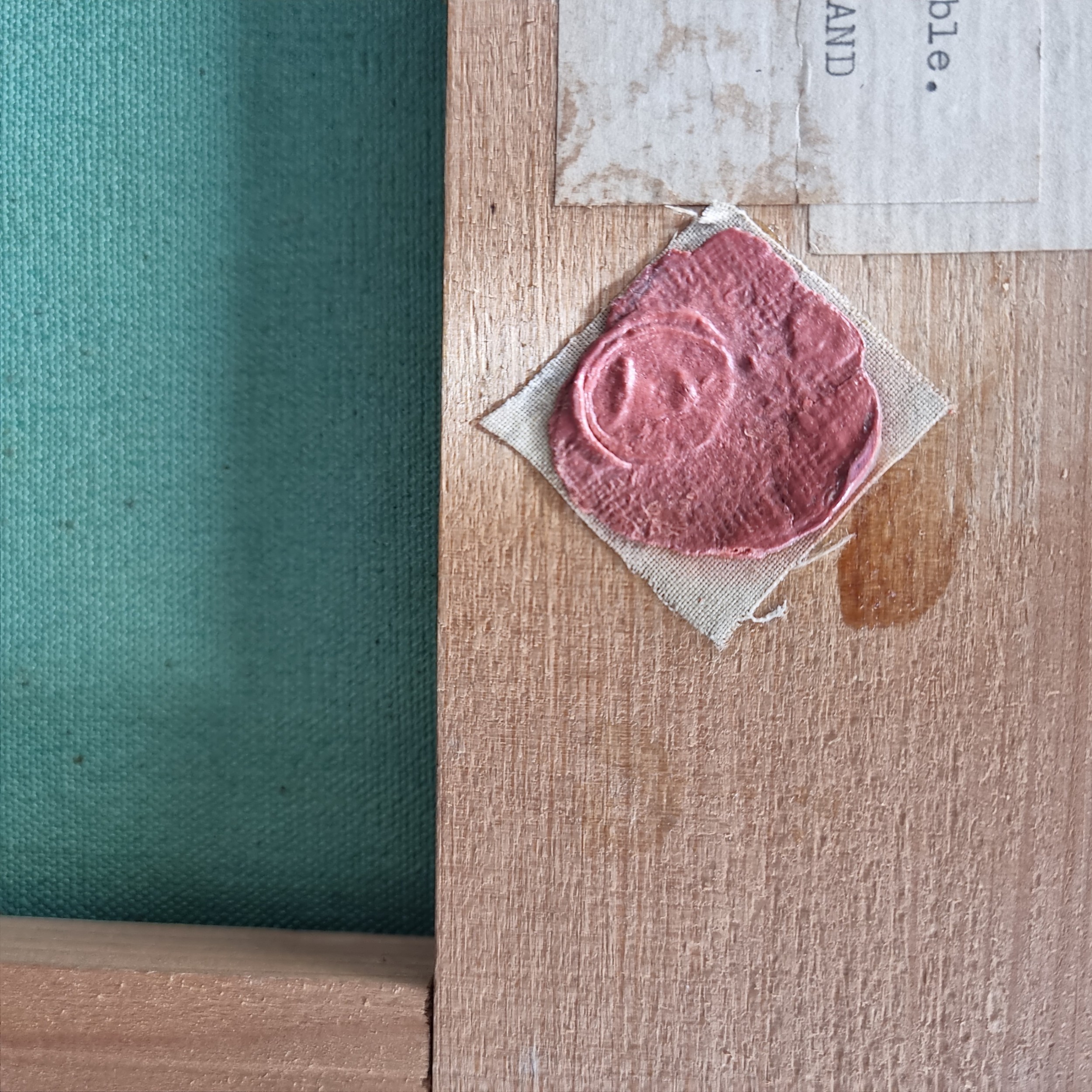
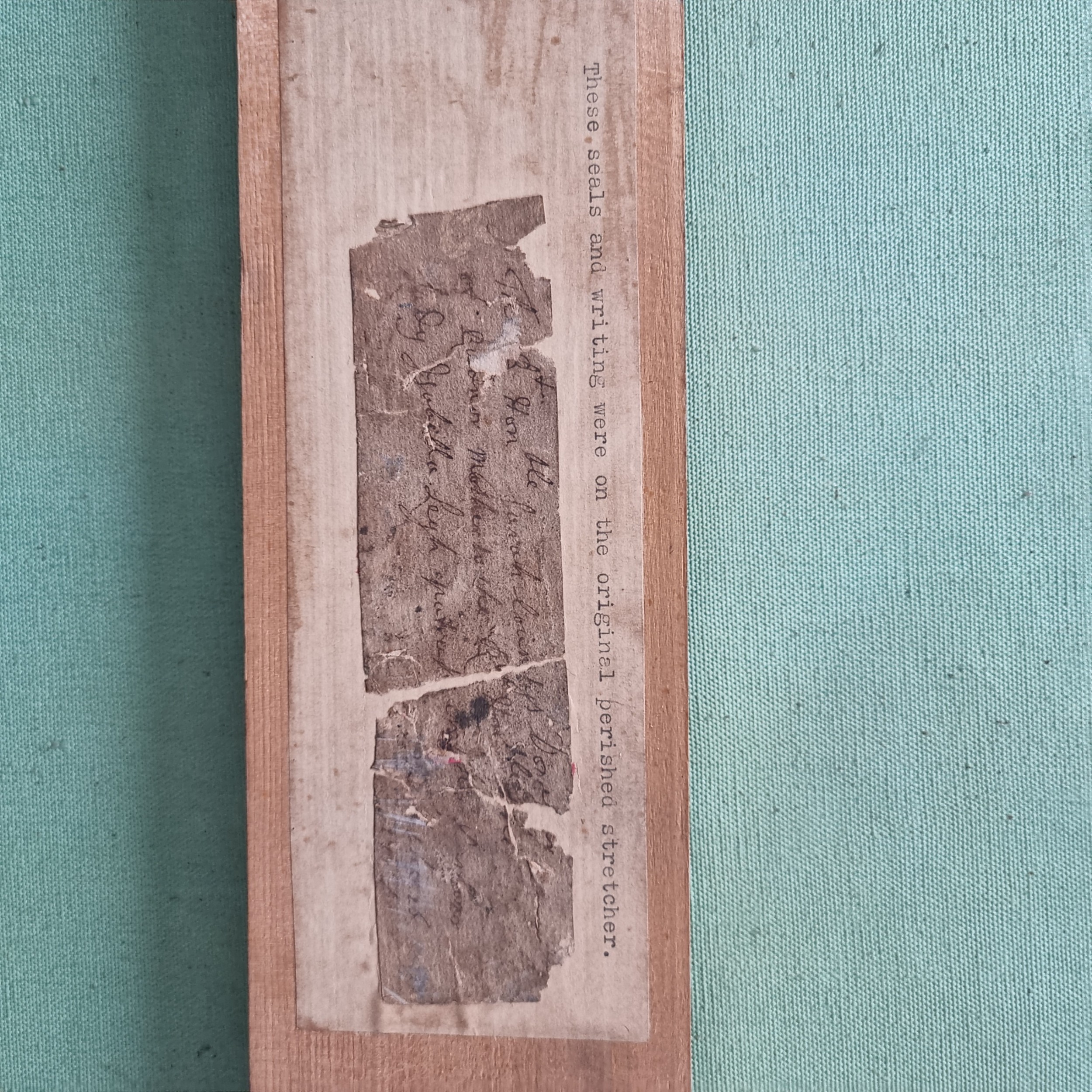
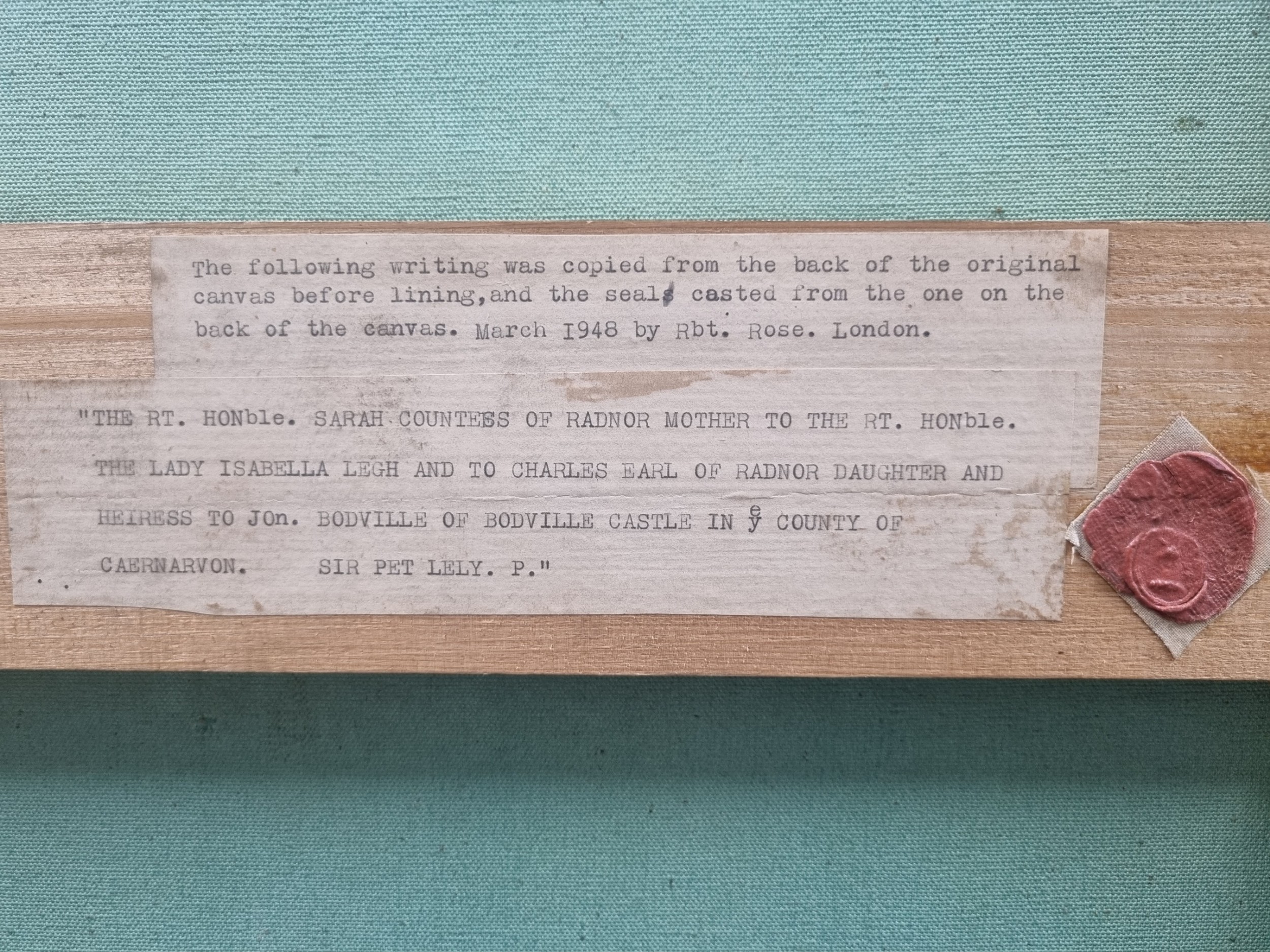
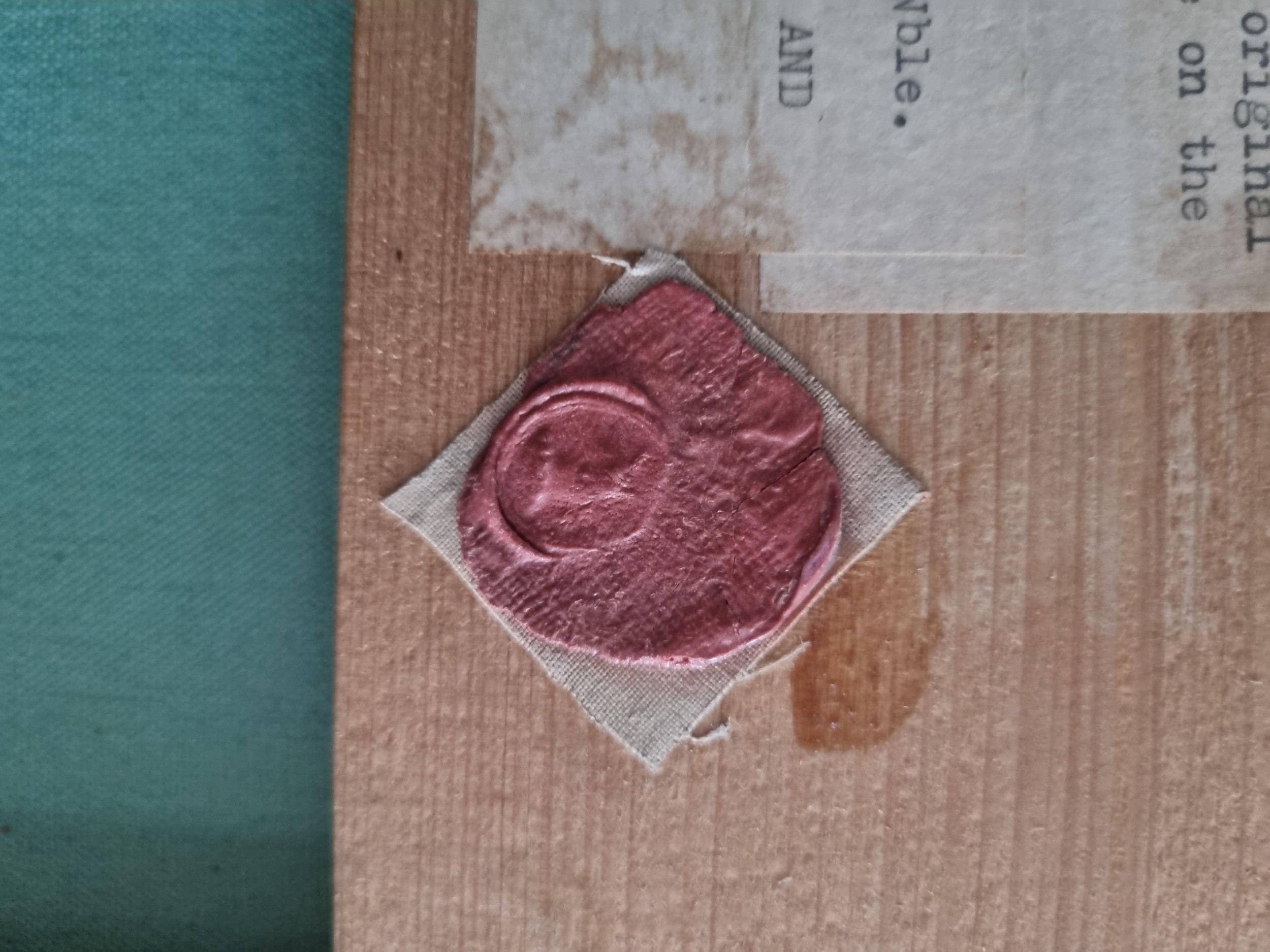
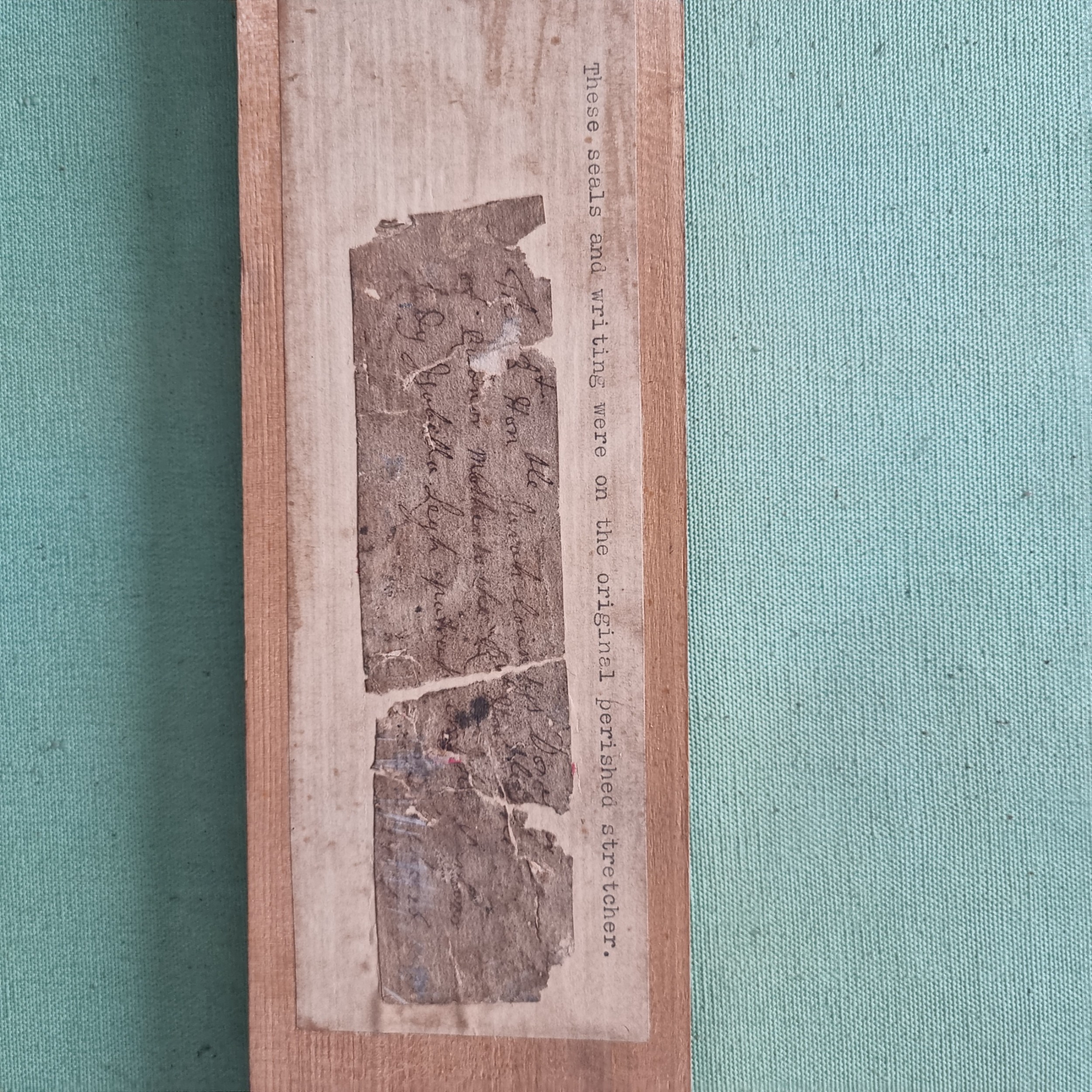
Robert Robartes died in 1682 before succeeding his father and therefore never became Earl of Radnor. Sarah was consequently not Countess of Radnor when this portrait was painted. After the 1st Earl’s death in 1685, however, Sarah and her daughters were granted the rank and precedence they would have enjoyed had Robert lived to inherit the earldom. This explains the historic identification on the reverse, “SARAH COUNTESS OF RADNOR”: it records the later status by which Sarah became known rather than her rank at the time of the portrait.

Another version of the composition survives at Lanhydrock, while a second was formerly at Adlington - the present work was subsequently regarded as the probable prime version; the attribution adopted here to the Studio of Sir Peter Lely is deliberately conservative.

This is therefore considerably more than an attractive Restoration portrait: it combines an identified sitter praised personally by Samuel Pepys, a remarkable life story, association with Lely’s studio, probable descent through Sarah’s own daughter, centuries of Adlington Hall provenance, published photographic documentation in situ, an evocative landscape, excellent condition and a spectacular coronet fr

Date of Manufacture

Titan Fine Art has dated this 17th Century Oil Portrait to the 17th Century.

Physical Dimensions
Height
180cm (70.87")
Width
144cm (56.69")
Depth
10cm (3.94")
Reference Numbers
Sellingantiques Reference
SA1247101
Dealers Notes

Much more info about this item at: www.titanfineart.com

In a market saturated with available paintings, Titan Fine Art offers a specially curated selection. Each piece is meticulously chosen based on technical merit, provenance, and decorative appeal, professionally conserved and researched, ensuring our clients view only the finest examples of British and European art.

With over 20 years of expertise and 1,000+ works placed with collectors and institutions, we are one of the most prolific specialists in 17th and 18th-century portraiture. We combine a scholarly approach with museum-level rigor to replace the uncertainty of the open market with absolute confidence.

Why Buy From Titan Fine Art?

• Expertly Curated Selection

We act as your expert eye, selecting only high-quality works that offer genuine historical and artistic value.

• Museum-Level Research

Each portrait is supported by extensive academic research, often exceeding 40 hours, to establish attribution, sitter identity, and historical context.

• Professional Conservation

All paintings are carefully cleaned and stabilised by professional conservators, and are presented ready to hang.

• Transparent Pricing

No buyer’s premium or hidden fees—unlike auction houses, where additional costs can add 25–35%.

• Export Pricing Advantage

Reduced pricing is available for works exported outside the UK.

• Specialist Global Shipping

We manage the entire process, including custom crating, export documentation, and fully tracked delivery worldwide.

• Buy with Confidence

A 7-day return policy and the option to pay in GBP, USD, or EUR for convenience and transparency.

• Original Period Frames

Many works retain their original carved and gilded frames, which are works of art in their own right and enhance both historical authenticity and decorative impact.

• Personal Advisory Service

We work directly with collectors and interior designers, offering guidance on selection, scale, and placement—including bespoke room mock-ups on request.

Subscribe to our monthly 'new item alert' to be the first to hear about new works

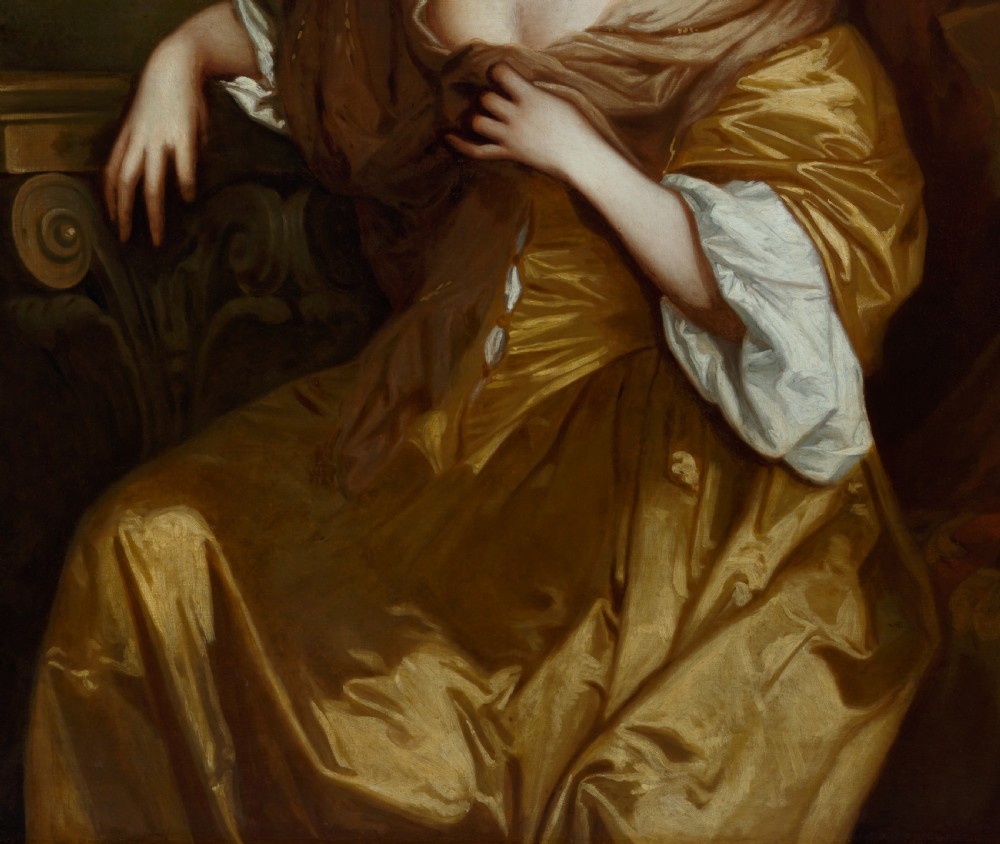
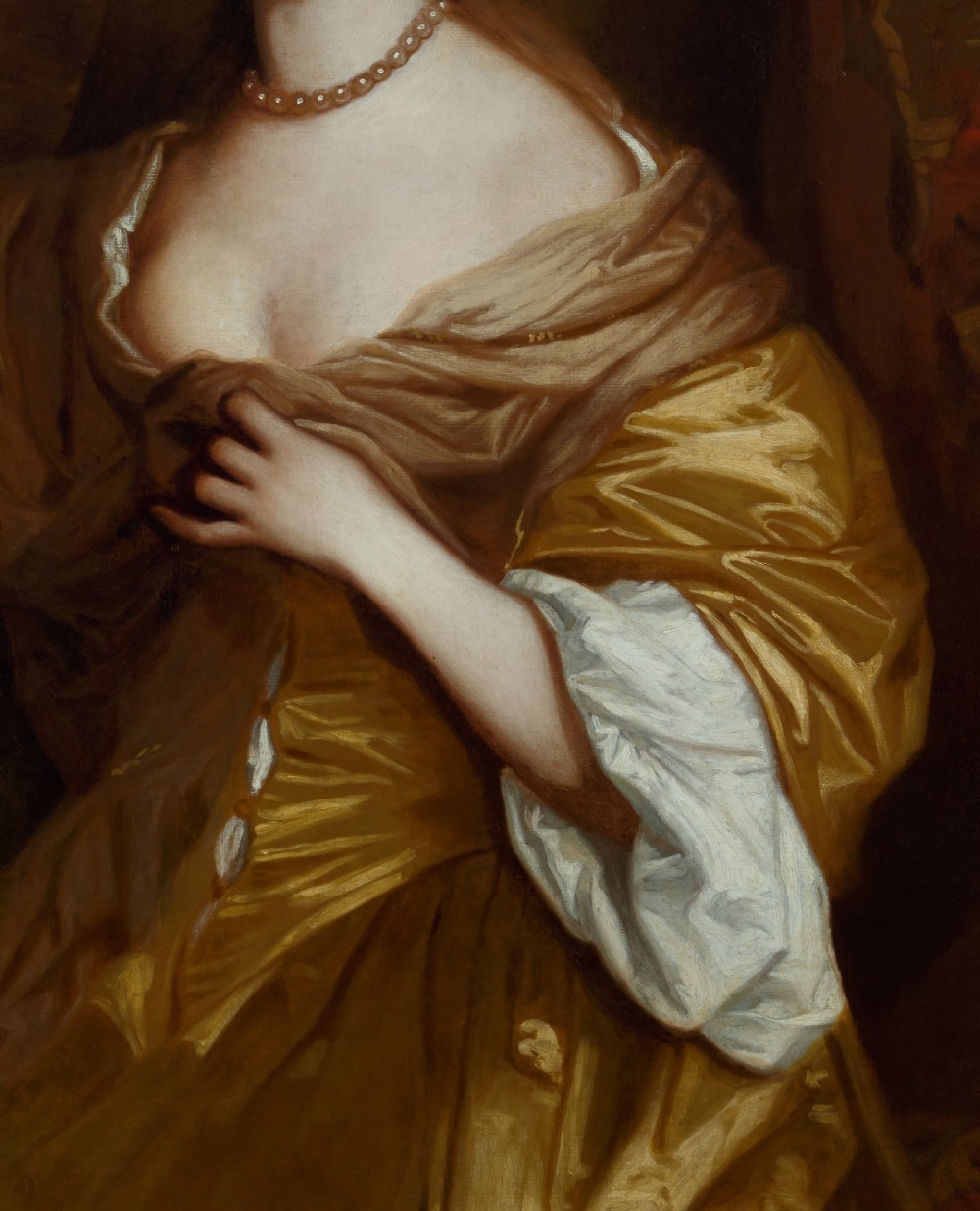
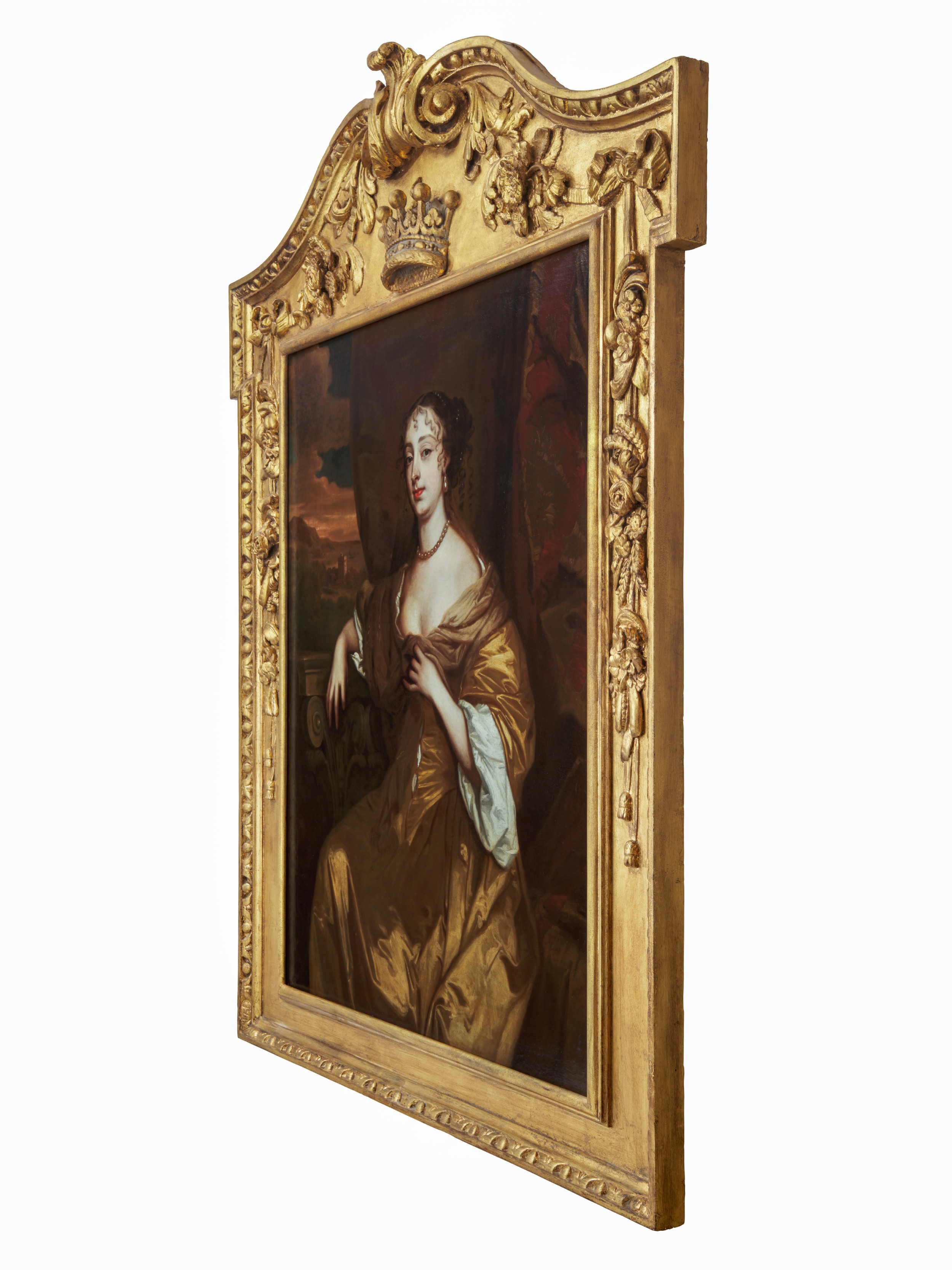
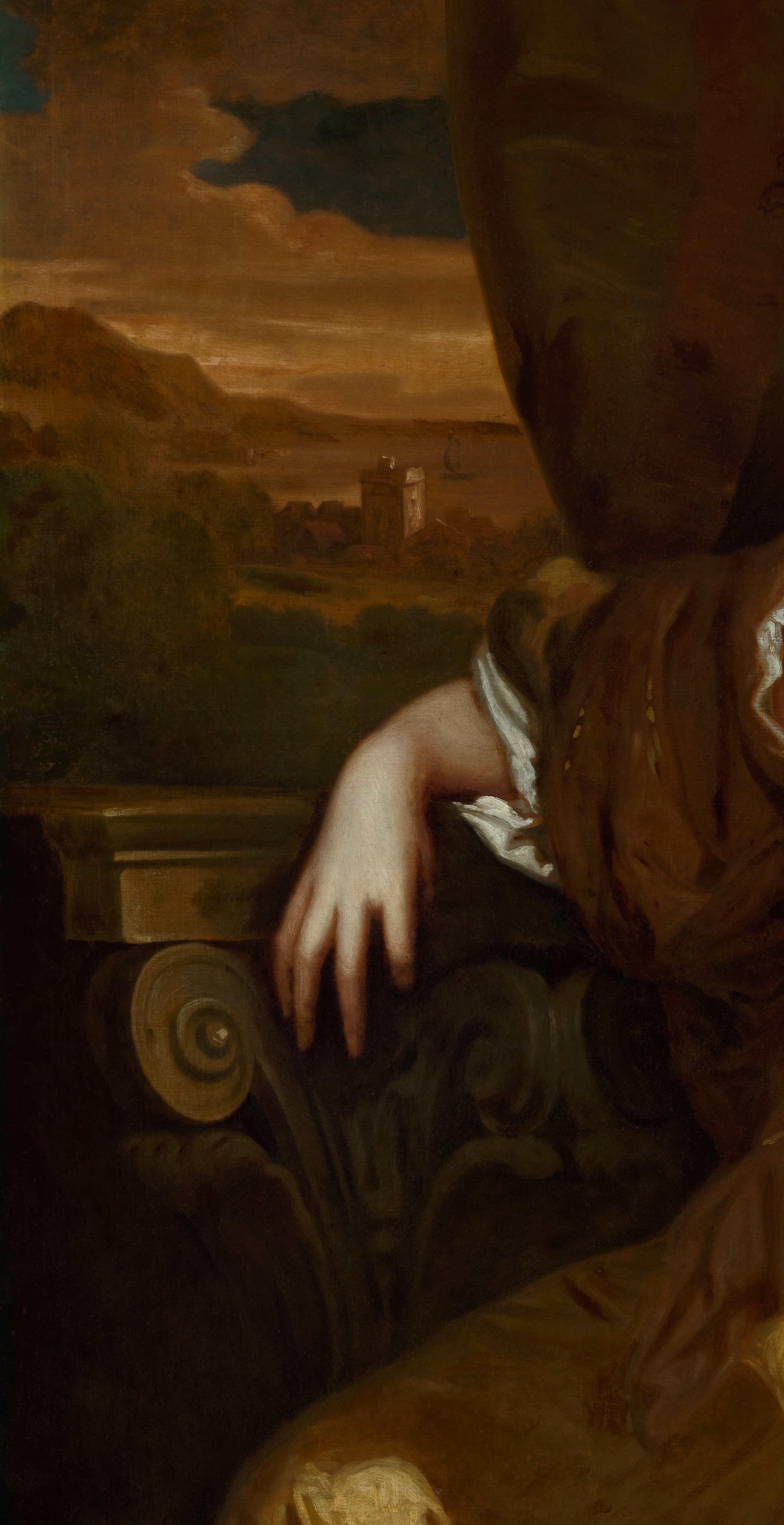
An oil painting depicting a woman seated in a satin dress, displayed inside a carved gold-leaf frame featuring a cresting coronet.Detail view 1Detail view 2Detail view 3Detail view 4Detail view 5Detail view 6Detail view 7Detail view 8Detail view 9Detail view 10Detail view 11Detail view 12Detail view 13Detail view 14Detail view 15Detail view 16
1 / 17
17th Century · SA1247101
Portrait of Sarah Bodvile, Later Countess of Radnor C.1660; Studio of Sir Peter Lely. Adlington Hall Provenance and Superb Coronet Frame, Oil on Canvas Painting
£14,950€17,492    $18,987

Delivery and payment for this piece are arranged with the dealer.

Ask the dealer a question
Description
Few Restoration portraits combine beauty, biography and country-house provenance as compellingly as this imposing c.1660 portrait of Sarah Bodvile (c.1640–1720), later accorded the rank and precedence of Countess of Radnor. Painted in the Studio of Sir Peter Lely (1618–1680), Principal Painter to Charles II, it is preserved in excellent condition and presented in a magnificent carved and gilded frame surmounted by an Earl’s coronet.

The portrait descended for generations at Adlington Hall, Cheshire, one of England’s great historic houses. Remarkably, it was photographed hanging above the chimneypiece in Mrs Legh’s bedroom and reproduced there in Country Life in 1952. Sarah’s daughter Lady Isabella Robartes married John Legh of Adlington in 1693, providing the probable route by which this and other Robartes family portraits entered the Legh collection. If it descended through Isabella at this date, the portrait remained with Sarah’s descendants at Adlington for more than three centuries.

Beyond her is an intriguing waterside landscape: a sailing vessel, substantial buildings dominated by a square tower and distant hills. Although the location cannot presently be identified and may be an idealised landscape, it is tempting to wonder whether it was intended to evoke Sarah’s origins in the dramatic coastal landscape of Caernarfonshire and the Llyn Peninsula, where the Bodvile family possessed extensive estates.

Sarah’s serene appearance disguises an extraordinary life. Her father, Colonel John Bodvile, was a Royalist during the Civil War, while her mother, Anne Russell, was a committed Puritan. Their marriage became so divided that in 1646 Anne petitioned concerning the removal of their children from their father’s care. Sarah therefore grew up in a household in which the political and religious divisions of the Civil War were effectively being played out within her own family.

In 1657 her mother arranged Sarah’s marriage to Robert Robartes, son of the powerful Parliamentarian John Robartes of Lanhydrock, later 1st Earl of Radnor, without her father’s consent. Following John Bodvile’s death, Sarah became embroiled in a bitter dispute over her substantial Welsh inheritance. The affair reached Parliament and, on 3 May 1664, Samuel Pepys spent some five hours in the House of Lords listening to the case.

Pepys later met Sarah herself. On 27 April 1668 he encountered her at Lord Crew’s house in London and recorded his immediate impression of her as “the great beauty, and a fine lady indeed.” It is exceptional to possess such vivid contemporary testimony concerning the appearance of a seventeenth-century portrait sitter.

Robert Robartes died in 1682 before succeeding his father and therefore never became Earl of Radnor. Sarah was consequently not Countess of Radnor when this portrait was painted. After the 1st Earl’s death in 1685, however, Sarah and her daughters were granted the rank and precedence they would have enjoyed had Robert lived to inherit the earldom. This explains the historic identification on the reverse, “SARAH COUNTESS OF RADNOR”: it records the later status by which Sarah became known rather than her rank at the time of the portrait.

Another version of the composition survives at Lanhydrock, while a second was formerly at Adlington - the present work was subsequently regarded as the probable prime version; the attribution adopted here to the Studio of Sir Peter Lely is deliberately conservative.

This is therefore considerably more than an attractive Restoration portrait: it combines an identified sitter praised personally by Samuel Pepys, a remarkable life story, association with Lely’s studio, probable descent through Sarah’s own daughter, centuries of Adlington Hall provenance, published photographic documentation in situ, an evocative landscape, excellent condition and a spectacular coronet fr

Date17th Century
Height180cm (70.87")
Width144cm (56.69")
Depth10cm (3.94")
ReferenceSA1247101
Titan Fine Art
Titan Fine ArtSellingantiques verified since Jul 2016

Specialist in 17th & 18thc portraits. Highly curated selection, museum-level research & pro conservation. Exceptional art, expertly vetted.

PDF SHARE
SAVE
£14,950
Ask the dealer
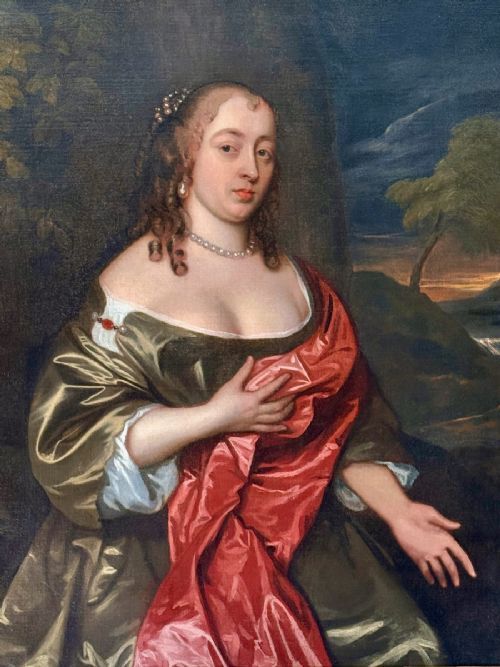
Archive I An oil painting depicting a woman seated in a satin dress, displayed inside a carved gold-leaf frame featuring a cresting coronet.

Portrait of Sarah Bodvile, Later Countess of Radnor C.1660; Studio of Sir Peter Lely. Adlington Hall Provenance and Superb Coronet Frame, Oil on Canvas Painting

Archive II An oil painting depicting a woman seated in a satin dress, displayed inside a carved gold-leaf frame featuring a cresting coronet. View II
Archive III An oil painting depicting a woman seated in a satin dress, displayed inside a carved gold-leaf frame featuring a cresting coronet. View III
Archive IV An oil painting depicting a woman seated in a satin dress, displayed inside a carved gold-leaf frame featuring a cresting coronet. View IV
Archive V An oil painting depicting a woman seated in a satin dress, displayed inside a carved gold-leaf frame featuring a cresting coronet. View V
Archive VI An oil painting depicting a woman seated in a satin dress, displayed inside a carved gold-leaf frame featuring a cresting coronet. View VI
Archive VII An oil painting depicting a woman seated in a satin dress, displayed inside a carved gold-leaf frame featuring a cresting coronet. View VII
Archive VIII An oil painting depicting a woman seated in a satin dress, displayed inside a carved gold-leaf frame featuring a cresting coronet. View VIII
Archive IX An oil painting depicting a woman seated in a satin dress, displayed inside a carved gold-leaf frame featuring a cresting coronet. View IX
Archive X An oil painting depicting a woman seated in a satin dress, displayed inside a carved gold-leaf frame featuring a cresting coronet. View X
Archive XI An oil painting depicting a woman seated in a satin dress, displayed inside a carved gold-leaf frame featuring a cresting coronet. View XI
Archive XII An oil painting depicting a woman seated in a satin dress, displayed inside a carved gold-leaf frame featuring a cresting coronet. View XII
Archive XIII An oil painting depicting a woman seated in a satin dress, displayed inside a carved gold-leaf frame featuring a cresting coronet. View XIII
Archive XIV An oil painting depicting a woman seated in a satin dress, displayed inside a carved gold-leaf frame featuring a cresting coronet. View XIV
Archive XV An oil painting depicting a woman seated in a satin dress, displayed inside a carved gold-leaf frame featuring a cresting coronet. View XV
Archive XVI An oil painting depicting a woman seated in a satin dress, displayed inside a carved gold-leaf frame featuring a cresting coronet. View XVI
Archive XVII An oil painting depicting a woman seated in a satin dress, displayed inside a carved gold-leaf frame featuring a cresting coronet. View XVII
FURTHER BROWSING

Visitors also looked at these ⇣

Enlarged Archival View
Telephone 07875 412 111
Location
London
United Kingdom
Dealer Profile Page sellingantiques.co.uk/titan
Verified Since Jul 2016
Items For Sale 20
Items Sold 407
Titan Fine Art
Titan Fine Art
Verified Since Jul 2016
View Dealer Info
Location: London, United Kingdom
Verified
Jul 2016
For Sale
20
Sold
407
An oil painting depicting a woman seated in a satin dress, displayed inside a carved gold-leaf frame featuring a cresting coronet.
Portrait of Sarah Bodvile, later Countess of Radnor c.1660; Studio of Sir Peter Lely. Adlington Hall provenance and superb coronet frame, Oil on canvas Painting
Ref: SA1247101
An oil painting depicting a woman seated in a satin dress, displayed inside a carved gold-leaf frame featuring a cresting coronet.
Detail View 1
Detail View 2
Detail View 3
Detail View 4
Detail View 5
Detail View 6
Detail View 7
Detail View 8
Detail View 9
Detail View 10
Detail View 11
Detail View 12
Detail View 13
Detail View 14
Detail View 15
Detail View 16
Archival Detail
Every single antique dealer on our platform is individually approved by our internal team. We verify their professional trade history, ethical standards, and photographic quality to ensure a secure, high-standard buying environment. Upon joining, every dealer agrees to a strict 9-point code of conduct. While issues can occasionally arise, our dealers typically resolve them swiftly and directly with the buyer. In fact, since our founding in 2002, Sellingantiques has only had to step in to help resolve an issue on roughly five occasions—a true testament to the quality of our dealers and their dedication to your happiness.
Our dealers are highly experienced in packing and shipping fragile, high-value antiques. Because you are in direct contact with the dealer, you will be able to easily go through all available shipping and insurance options together to ensure your item arrives safely.
Antiques are the ultimate green purchase. By choosing historical pieces over newly manufactured goods, you completely eliminate the carbon footprint of modern mass production while preserving exceptional, timeless craftsmanship.
Written by Sellingantiques from the dealer’s photographs and listing
  • ObjectOil Painting
  • Period17th century
  • StyleBaroque
  • MaterialOil on Canvas, Giltwood, Gesso
  • ColourGold and Ochre
  • MotifsCoronet cresting, Carved floral swags, Satin drapery, Pearl necklace
  • SizeH 180 cm (71 in) x W 144 cm (57 in) x D 10 cm (4 in)

This seventeenth-century oil on canvas painting by the studio of Sir Peter Lely depicts Sarah Bodvile in a gold and ochre satin dress. The artwork sits inside a gilded gesso frame with carved floral swags and a coronet cresting at the top. The piece measures 180 cm high, 144 cm wide, and 10 cm deep. Designed in the Baroque style, the portrait reflects an English Country House aesthetic and functions as an imposing wall hanging. It is placed above the mantel in a principal reception room or bedroom. The heavy giltwood frame secures the canvas while providing an ornate architectural border for display.

Restoration-era court portraiture, influenced heavily by Sir Peter Lely and his workshop, is marked by realistic facial features combined with loose, shimmering satin drapery and idealized backgrounds. Subjects were typically portrayed with distinctive hair arrangements, pearl jewellery, and relaxed seated or leaning poses.

Paintings from this era were rendered in oil paint on hand-loomed flax or hemp linen canvases. The surrounding period frames were crafted from carved timber, built up with layers of gesso, and finished with applied gold leaf.

Authentic paintings exhibit age-appropriate craquelure across the paint film, natural oxidisation on the reverse of the canvas, and hand-forged stretcher bars or keys. Frame authenticity is verified by hand-carved wood joinery and natural wear on the gilding layers.

A historical portrait with a carved gilt frame creates visual contrast when positioned against dark or contemporary neutral walls. It serves as a strong focal point above a mantelpiece, console table, or within an eclectic gallery wall layout.

Paintings should be displayed away from direct sunlight, heating vents, and high humidity to prevent canvas warping and paint flaking. Frame surfaces should only be dusted gently with a soft dry brush, while canvas cleaning should be left to professional art restorers.
items
Add keywords to the filter
Price
£100
£250000
Era
Period
Style
Material
Origin
Stock Location
Recently Added
Online Payments
Categories