


Baroque Female Portrait Painting
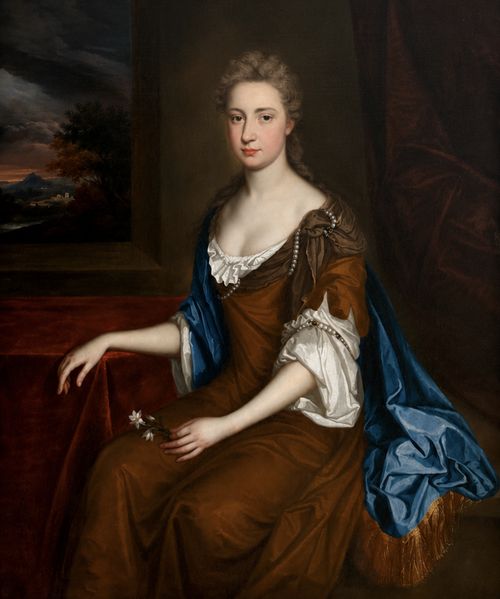
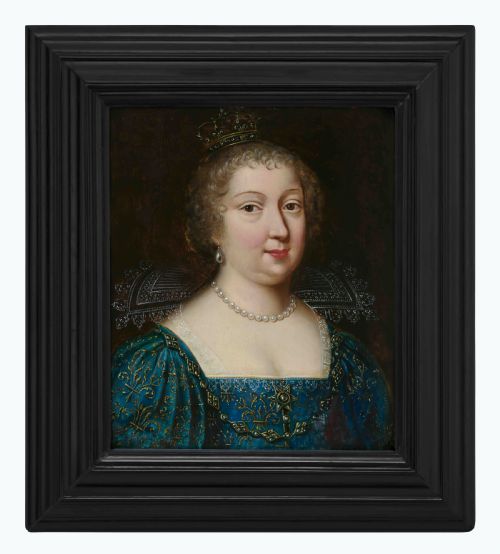
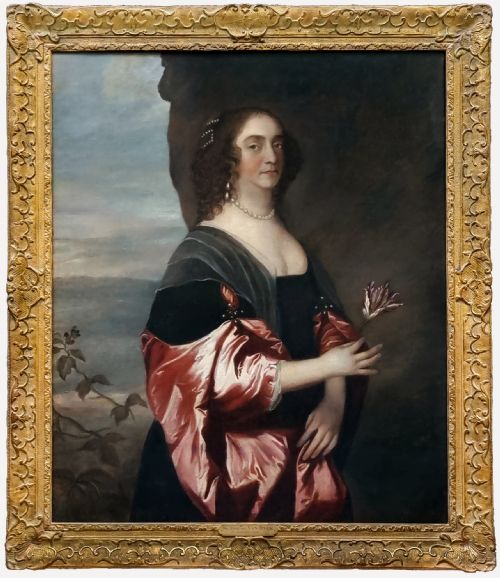
When you encounter a baroque female portrait painting, you view a grand historical depiction of a noblewoman rendered in rich oil on canvas.
Baroque Female Portrait Painting
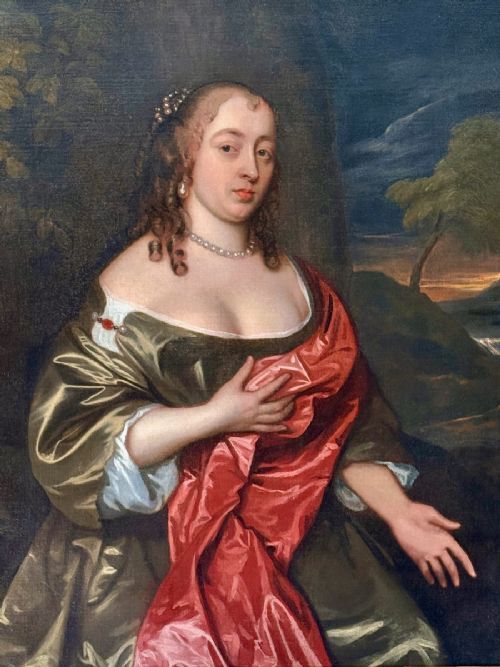
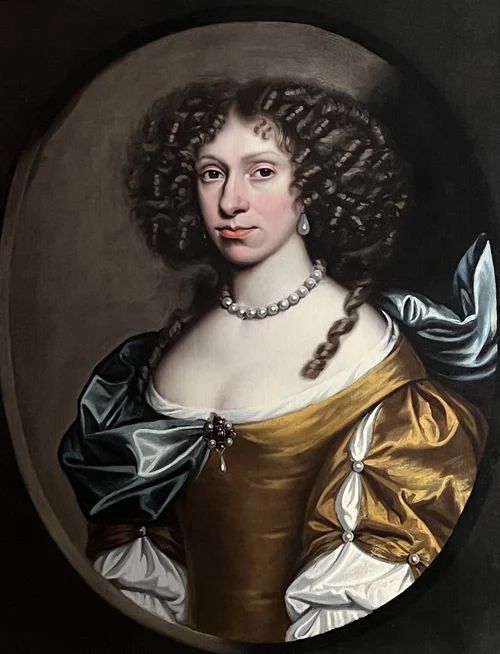
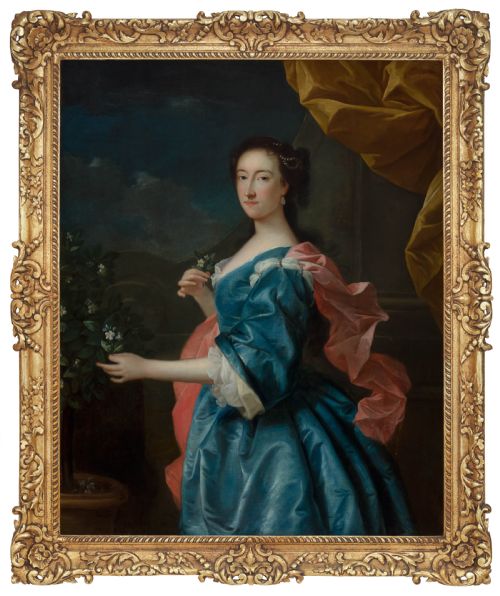
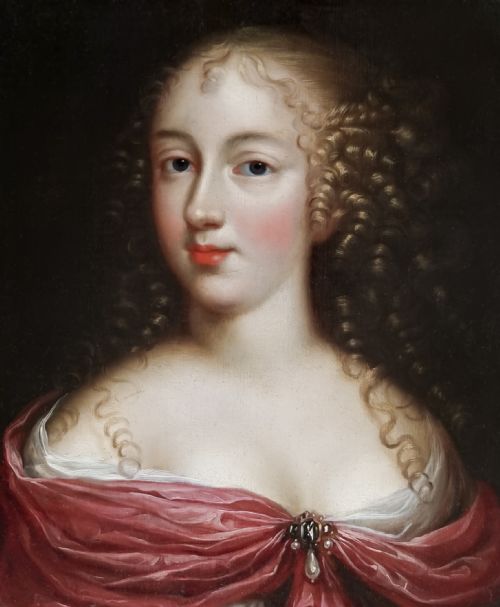
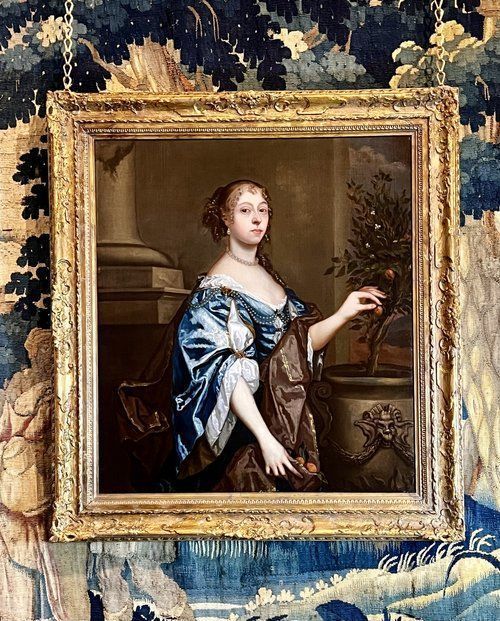
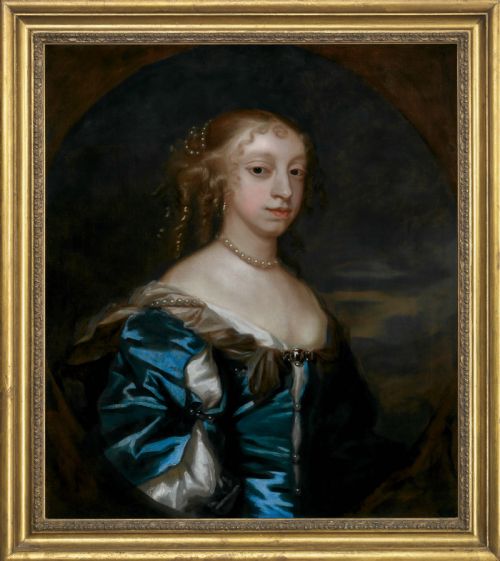
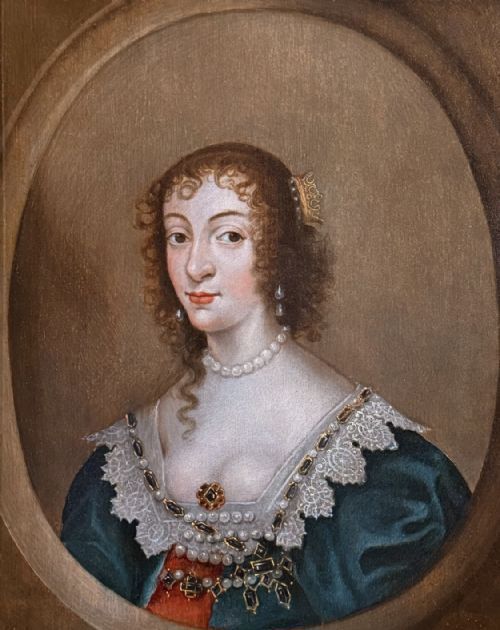
A baroque female portrait painting captures elite women from the seventeenth and eighteenth centuries, often depicted in elaborate attire with symbolic elements like orange trees or pearls.
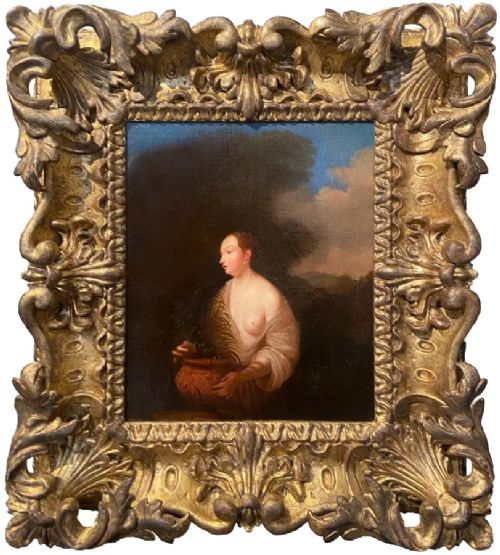
The selections available here range from seventeenth-century British and Dutch school works to eighteenth-century representations, frequently executed in oil on canvas or panel.
Buyers look for these historic depictions to bring a sense of seventeenth and eighteenth-century provenance and dramatic character to an interior space.
Materials and Technique
Artists built these compositions primarily using oil paint applied to prepared canvas or wood panels, allowing for deep glazing and luminous skin tones.
Many of the surviving works retain their period frames constructed from wood with giltwood or gold leaf finishes.
Several noblewomen in these portraits pose intentionally alongside orange trees to flaunt their wealth.
Evaluating Quality
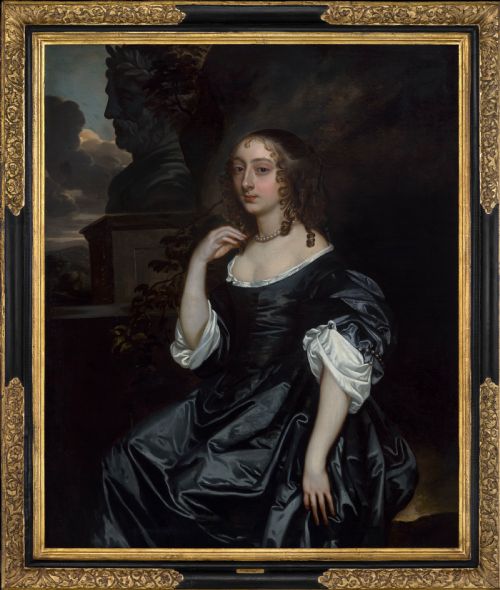
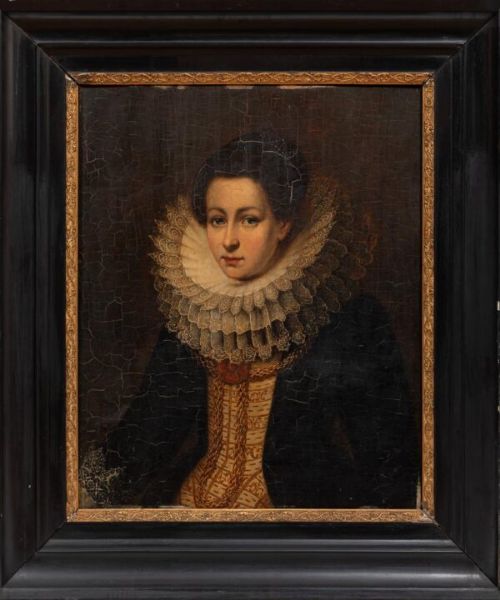
The distinction between workshop pieces and master paintings lies in the dexterity of brushwork, particularly in the rendering of lace collars, satin drapery, and facial expression.
Condition plays a central role, with untouched original surfaces and historic stretchers holding greater artistic integrity than heavily restored canvases.
JOHN HAYLS·DAVID SCOUGALL·JEREMIAH DAVISON·PIERRE MIGNARD·PIETER BORSSELER·SIR PETER LELY·SIR ANTHONY VAN DYCK·ROBERT BYNG·TOUSSAINT GELTON·HENRI AND CHARLES BEAUBRUN·CORNELIUS JOHNSON·JOHN GREENHILL·NICOLAES MAES·NICOLAS FOUCHE·SIR GODFREY KNELLER·PIERRE GOBERT·THOMAS MURRAY·BALTHASAR DENNER·PIETER NASON·GUIDO RENI
The Baroque Female Portrait Painting Glossary
- Baroque
- An artistic style originating around the seventeenth century characterised by drama, rich colour, and theatrical lighting. It emphasised grand motion and deep chiaroscuro effects.
- Oil on Canvas
- A traditional painting medium where pigment suspended in drying oil is applied to stretched woven fabric. This combination allowed artists to achieve subtle tonal gradations.
- Giltwood
- Wood that has been coated with a thin layer of gold leaf or powder. It frequently surrounds period oil paintings to enhance their visual weight.
- Panel Painting
- A flat piece of wood used as a structural support for an oil painting before canvas became dominant. These provide a rigid and stable ground for fine brushwork.
- Circle of
- A term used in attribution to describe an artist working closely during the same period and in the style of a master. It denotes proximity rather than direct execution by the master's hand.
Baroque Female Portrait Painting: Frequently Asked Questions
What is a baroque female portrait painting?
It is an oil painting from the seventeenth or eighteenth century depicting a notable woman, often dressed in opulent contemporary gowns and jewels.
These works reflect the artistic conventions of European courts and prosperous merchant classes during the period.
How were these portraits displayed?
Historically, families hung these large oil paintings in the reception rooms and galleries of country houses to project lineage and status.
Today, collectors place them in traditional or contemporary interiors to anchor a room with historic gravity.
How do I identify the period?
Stylistic clues such as the cut of a sleeve, the shape of a lace collar, and the style of hair help narrow down the decade.
Signatures, framing techniques, and the construction of the wooden panel or canvas stretcher further confirm the era.
What subjects appear besides the sitter?
Many portraits include symbolic props like citrus trees, musical instruments, or classical books that hint at the sitter's virtues or interests.
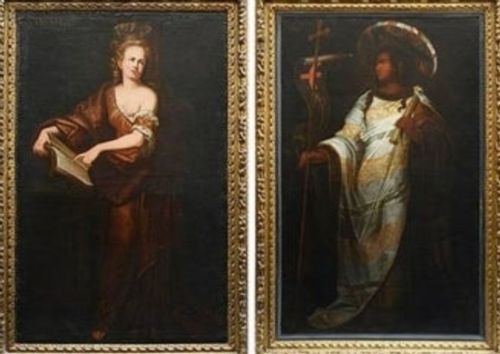
Religious figures, such as Mary Magdalene or Saint Agnes, also served as allegorical guises for real women of the era.